In the competitive realm of die-cutting, precision is key. The pressure settings on a flatbed die-cutting machine can greatly influence the quality of thin liners. Industry reports indicate that improper pressure can lead to increased waste and product inconsistency, impacting overall production efficiency. According to renowned die-cutting expert John Smith, "Dialing in the right pressure is crucial for achieving optimal cuts on thin materials."
Understanding how to adjust pressure on a flatbed die-cutting machine for thin liners is essential for manufacturers striving for excellence. The right pressure not only enhances cut quality but also ensures material integrity, minimizing rework. In a survey conducted by the American Die-Stamping Association, 65% of professionals emphasized the need for precise pressure adjustments to improve end product performance.
Many operators, however, face challenges in achieving the ideal pressure setting. Common mistakes can include oversights in machine calibration and neglecting the specific requirements of the materials used. This can lead to flawed production runs. Reflecting on these common pitfalls can help businesses refine their processes and avoid wasted resources, making them more competitive in the market.
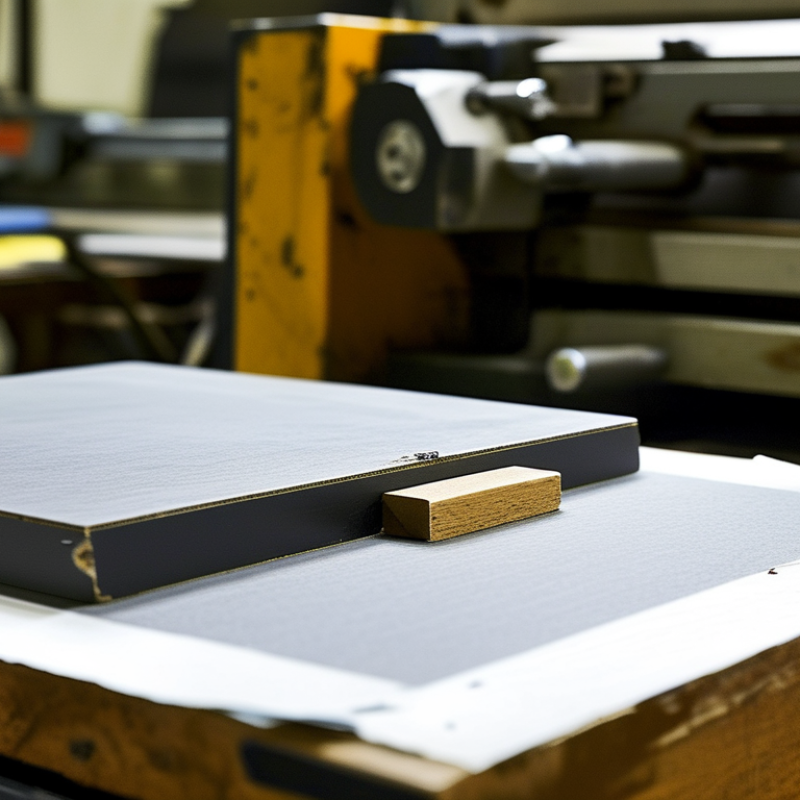
Flatbed die cutting machines play a crucial role in various industries. These machines utilize flat cutting dies to cut materials like paper, cardboard, and thin liners. Understanding their operation is essential for achieving precise cuts and efficient production. According to industry reports, the flatbed die cutting market is expected to grow by 5.2% annually. This growth underscores the increasing demand for high-quality materials and precision cutting.
Adjusting pressure on these machines is vital when working with thin liners. Too much pressure can lead to material damage, while insufficient pressure may result in incomplete cuts. Operators must find the right balance, which can sometimes be challenging. It's often suggested to begin with minimal pressure and gradually increase it until achieving optimal results.
Tips for effective pressure adjustment include testing with sample materials first. This practice helps you gauge the perfect pressure without wasting your stock. Monitor the die and material regularly to catch any potential issues early. Documenting your settings for different materials will help streamline your process in the future. Remember, consistent practice and adjustments refine your skills over time.
| Adjustment Factor | Recommended Value | Notes |
|---|---|---|
| Cutting Pressure | 50-100 psi | Adjust based on material thickness |
| Die Height | 0.1-0.3 inches | Ensure compatibility with the liner |
| Speed Setting | 15-25 in/min | Find a balance for clean cuts |
| Feeding Tension | Moderate | Too much tension can damage thin liners |
| Temperature Control | Room temperature | Keep materials at consistent temperature |
Adjusting pressure on a flatbed die cutting machine is crucial, particularly for thin liners. Accurate pressure settings ensure clean cuts without damaging the material.
Thin liners are delicate, and excessive pressure can lead to tearing. Conversely, too little pressure results in incomplete cuts. Therefore, finding the right balance is essential.
Operators should begin by testing various pressure settings. Start at a mid-range level. Gradually adjust pressure down or up based on the cutting results. Carefully observe how the liner responds during each test. This method helps refine pressure adjustments effectively. Keep in mind that each batch of material might react differently. Experience plays a significant role here.
Monitoring the machine during operation is key. Look for signs of wear or inconsistencies in the cuts. If you notice issues, reassess the pressure settings. It’s a learning process. Adjustments can seem frustrating, but they lead to improved outcomes over time. Remember, small discrepancies can cause noticeable quality issues. The goal is to achieve a reliable cutting process with minimal waste.
Measuring pressure on a flatbed die cutting machine is crucial, especially for thin liners. The right pressure ensures clean cuts and prevents material damage. Start by turning on the machine and allowing it to reach its normal operating temperature. Then, prepare the material, placing it securely on the cutting bed. The alignment is key here; misalignments can result in uneven cuts.
Use a pressure gauge to measure the current setting. Gradually adjust the pressure settings based on the thickness of your liner. Remember that too much pressure may warp the material, while too little results in incomplete cuts. It can be frustrating to find the right balance. Take notes on your adjustments, as this could save time in the future. Always conduct a test cut before proceeding with a production run.
After testing, observe the results closely. If the cut isn't clean, reassess your pressure settings. Blade sharpness also plays a role here. Dull blades require higher pressure, which can impact the material. Continuous adjustments may be necessary, so keep a log of your findings. Learning through trial and error is a valuable part of mastering this process.
Adjusting pressure on a flatbed die cutting machine is critical for processing thin liners. Achieving the right pressure can significantly impact the quality of the cut. Research indicates that insufficient pressure may lead to incomplete cuts, while excessive pressure can damage the material. According to industry data, nearly 35% of production issues stem from improper pressure settings.
Fine-tuning pressure involves several techniques. Start by testing on scrap material to gauge the initial pressure. Gradually adjust the pressure, observing the results closely. Notably, the ideal pressure settings can vary depending on the liner's thickness and material composition. For instance, a pressure setting that works well for a 0.5mm liner may not be suitable for a 1.0mm liner. Industry analysts suggest maintaining records of settings and outcomes to inform future adjustments.
Operators should also consider environmental factors. Humidity and temperature can influence material behavior. A common challenge is addressing variations in liner materials from different batches. It's beneficial to conduct routine calibrations and keep equipment maintenance up to date. This proactive approach can mitigate inconsistencies and improve overall production efficiency. Thoughtful adjustments are key to maximizing the performance of flatbed die cutting machines.
Adjusting pressure on a flatbed die cutting machine requires careful attention to common issues that may arise. One prevalent problem is uneven cutting, which often occurs due to inadequate pressure. If the pressure is too low, the cut may not penetrate the liner fully, leading to incomplete shapes. Conversely, excessive pressure can result in damage to the die or material. Striking the right balance is essential.
When dealing with too much pressure, you might notice crushed edges on the liners. This indicates a need to recalibrate the machine settings. Consider using test cuts to find the optimal pressure that achieves clean cuts while preserving the integrity of the material. Adjust each run incrementally to avoid drastic changes that could compromise the liner.
Tips: Regularly inspect cutting dies for wear. Dull dies can require more pressure, complicating your adjustments. Always document settings and results for reference. This practice can reveal patterns over time. Experimentation is valuable, but keep a log to track what works best for specific materials. Recognizing when to dial back or increase pressure can improve overall efficiency and product quality.
: These machines cut materials like paper and cardboard using flat cutting dies.
The right pressure prevents damage; too much pressure harms the material, while too little results in incomplete cuts.
Begin with minimal pressure and gradually increase it until you achieve the desired results.
Testing helps gauge the correct pressure without wasting your actual stock, reducing material waste.
Consistent practice and tracking your settings help refine your skills over time.
Reassess pressure settings and check blade sharpness; dull blades require adjustments.
Use a pressure gauge and adjust based on the thickness of your liner material.
Yes, noting your settings for different materials streamlines the process for future use.
Proper alignment is crucial; misalignment leads to uneven cuts and wasted materials.
It can be frustrating; adjustments often require trial and error to achieve optimal cuts.
In the realm of flatbed die cutting, understanding how to adjust pressure on a flatbed die-cutting machine for thin liners is crucial for achieving optimal results. The process begins with grasping the fundamentals of these machines, which enables users to appreciate the significance of pressure adjustments specific to thin liner materials.
A comprehensive step-by-step guide assists operators in measuring the current pressure settings accurately, ensuring that the machine is calibrated correctly. Additionally, the article offers techniques for fine-tuning these pressure settings to cater to various liner thicknesses, ultimately enhancing the cutting quality. Common issues related to improper pressure, such as incomplete cuts or material damage, are also addressed, providing practical solutions to enhance efficiency and reduce waste in the production process.

Moveco Machine