What Causes Ghosting in Intermittent Offset Printing Machines Tips?

Time:2026-08-25 Author:Amelia
0%

In the realm of printing, understanding "what causes ghosting in intermittent offset printing machines" is crucial for achieving quality output. Industry expert Dr. Emily Johnson notes, "Ghosting can stem from several factors, including ink quality and roller pressure." Ghosting leads to unwanted repeat images on printed materials, affecting overall aesthetics.

Ghosting can frustrate printers and clients alike. It occurs when the printing plate fails to clear fully between impressions. This issue can arise from inadequate cleaning, leading to residual ink. Furthermore, improper ink viscosity can exacerbate the problem, causing prints to lack sharpness and clarity.

Mitigating ghosting requires a keen eye for detail. Ensuring that roller pressure is correctly set can greatly reduce this issue. Routine maintenance and proper ink selection also play a significant role. By addressing these factors, printers can enhance their output quality and reduce the occurrence of ghosting, paving the way for improved customer satisfaction.
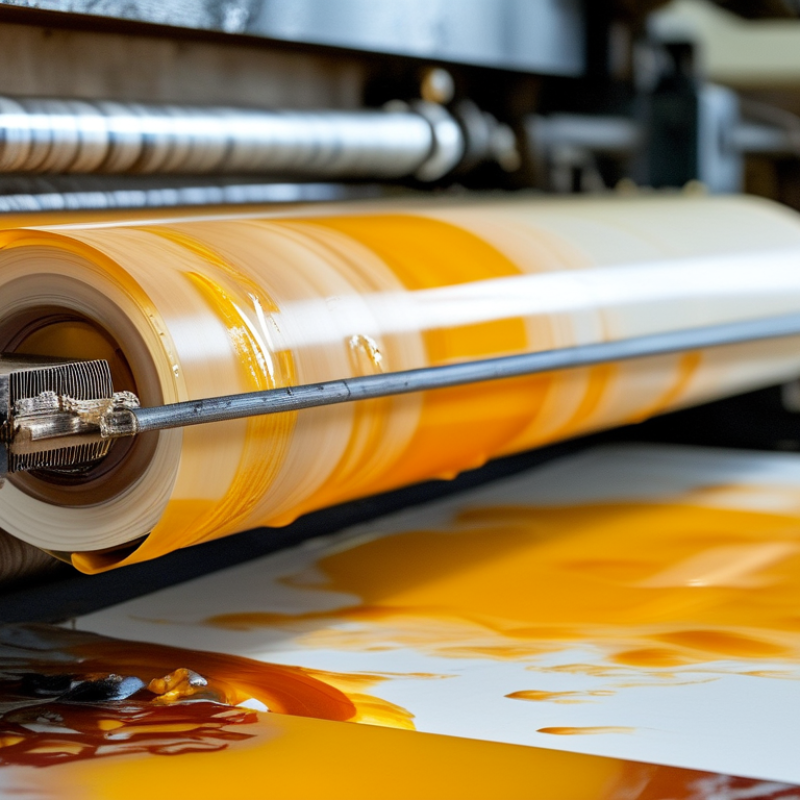
What Causes Ghosting in Intermittent Offset Printing Machines Tips?

Causes of Ghosting in Intermittent Offset Printing Machines

Ghosting in intermittent offset printing machines can be a frustrating issue for operators. It occurs when duplicate images appear faintly beside the intended print. Several factors contribute to this problem, and understanding them can lead to better printing quality.

One common cause is improper ink viscosity. When the ink is too thin or thick, it can lead to inconsistent application. This inconsistency often results in ghosting effects. Additionally, incorrect roller settings may create uneven pressure, allowing the ink transfer to falter. The blanket condition plays a critical role as well; worn-out blankets can produce poor image quality.

Environmental factors also affect ghosting. High humidity can alter ink drying times, causing smudges and shadows in prints. Dust and debris on the printing plate or paper can contribute to unwanted marks. Regular maintenance and monitoring of equipment are essential. Forgetting these details can lead back to the same issues, making the printing process seem unpredictable. Operators must remain vigilant and willing to adjust their setup when ghosting occurs.

The Role of Ink Viscosity in Ghosting Occurrences

Ink viscosity plays a crucial role in the phenomenon of ghosting in intermittent offset printing machines. When the viscosity is too high, the ink fails to transfer effectively from the plate to the substrate. This can lead to uneven coverage and unwanted patterns, resulting in ghosting. Proper ink viscosity is essential for a smooth printing process. It ensures that the ink flows consistently without causing smudges or blurriness.

Adjusting viscosity can seem tedious. However, it is vital for print quality. Printers may sometimes use additives to achieve the desired viscosity. Too little additive, and the ink becomes too thin; too much, and it thickens excessively. Observing these changes is necessary. It’s about finding the right balance. Printers often find themselves in a trial-and-error phase, seeking that optimal viscosity level. Each printing job can require different adjustments, adding to the complexity.

Seasonal humidity changes can also affect ink viscosity. In dry conditions, ink may thicken, whereas humidity can thin it. Regular checks and adjustments are crucial for maintaining consistency. If not managed, these fluctuations contribute to ghosting. Understanding how viscosity interacts with environmental factors is essential for quality control. A deeper awareness of these elements can significantly improve print reliability.

Ink Viscosity and Ghosting in Intermittent Offset Printing Machines

Impact of Plate Wear on Print Quality and Ghosting

Plate wear significantly affects print quality in intermittent offset printing machines. When plates wear down, the ink transfer becomes inconsistent. High-quality prints rely heavily on even ink distribution. As the plate wears, ghosting may appear, leading to unwanted artifacts on the printed material. This can reduce the overall appearance of the print and affect customer satisfaction.

Maintaining plate integrity is crucial. Regular inspections can help identify wear early. Operators should also be trained to recognize signs of degradation. Sometimes, it may be tempting to push the limits of the plates, but doing so can introduce significant quality issues. Frequent monitoring and gradual replacement of worn plates can prevent ghosting and enhance print quality. This attention to detail reflects professionalism and commitment to quality in the printing process.

Importance of Registration Accuracy in Preventing Ghosting

Registration accuracy plays a crucial role in preventing ghosting in intermittent offset printing machines. When registration is off, images can appear blurry or misaligned. This misalignment results in a shadow effect, causing what we refer to as ghosting. Achieving proper registration reduces these unwanted artifacts and ensures sharp, clear prints.

An effective way to maintain registration accuracy is through regular calibration of the printing press. Adjustments should be made based on the type of paper and ink used. Additionally, the equipment should be regularly inspected for wear and tear. Even a small deviation in alignment can lead to significant print quality issues.

However, despite best efforts, operators may sometimes overlook minor misalignments. These small mistakes can accumulate, leading to ghosting over time. Continuous training and vigilance are vital. Engaging team members in discussions about registration can help identify potential problems before they escalate. This collaborative approach ensures a higher print quality while enhancing the team's understanding of registration dynamics.

What Causes Ghosting in Intermittent Offset Printing Machines Tips? - Importance of Registration Accuracy in Preventing Ghosting

Cause of Ghosting Description Impact on Print Quality Preventive Measures
Incorrect Registration Misalignment of image plates leading to double impressions. Causes blurry images and overlapping text. Regular calibration and adjustment of press settings.
Ink Distribution Issues Inconsistent ink levels can cause fading and ghosting effects. Results in lack of clarity and contrast in prints. Ensure proper ink flow and regular maintenance.
Poor Quality of Printing Plates Low-resolution plates can cause sharpness loss. Creates images with blurred edges and incomplete details. Use high-quality plates and check for wear regularly.
Temperature and Humidity Variations Environmental factors affecting ink and paper interaction. Leads to inconsistent drying and adhesion, resulting in ghosting. Maintain stable temperature and humidity levels in the printing area.
Press Speed Variability Changes in speed during the print run can affect registration. Increases the likelihood of print misalignment and ghosting. Ensure consistent press operation and monitor speed settings.

Tips for Maintaining Optimal Press Conditions to Reduce Ghosting

Ghosting in intermittent offset printing machines can be a frustrating issue. This phenomenon often arises when the ink distribution is uneven during the printing process. To mitigate ghosting, maintaining optimal press conditions is essential. Monitoring ink viscosity regularly is crucial. If the ink is too thick, it won't transfer appropriately, resulting in ghosting. Adjusting the ink flow can help achieve consistency, reducing the risk of undesired impressions.

Regularly cleaning the roller and blankets is another effective strategy. Residue buildup can lead to printing defects. Implement a routine cleaning schedule to prevent this. It may seem tedious, but it's necessary for quality output. Furthermore, controlling the ambient temperature and humidity can also impact the inks' viscosity and drying time. Keeping conditions stable helps prevent inconsistencies that lead to ghosting.

Operators should also pay attention to the press settings. Incorrect pressure settings can cause uneven ink transfer. Conducting detailed checks on registration and alignment is vital. Sometimes, despite taking precautions, ghosting may still occur. This situation calls for an analysis of each printing run. Understanding these elements contributes to continuous improvement in print quality.

FAQS

: How does plate wear affect print quality?

: Plate wear leads to inconsistent ink transfer, resulting in low-quality prints and unwanted artifacts.

What is ghosting in printing?

Ghosting appears as unwanted shadows or artifacts due to misalignment or uneven ink distribution.

How can one prevent ghosting in printing?

Regularly check and calibrate registration accuracy to avoid misalignments that cause ghosting.

Why is maintenance of plate integrity important?

Maintaining plates prevents quality issues and improves overall print appearance, enhancing customer satisfaction.

What impact does ink viscosity have on print quality?

If ink is too thick, it may not transfer properly, increasing the risk of ghosting during printing.

How can operators ensure optimal press conditions?

Regularly clean rollers, adjust ink flow, and monitor temperature and humidity for consistent quality.

What role does training play in print quality?

Continuous training helps operators recognize issues like misalignments, preventing ghosting and quality degradation.

What happens if registration is off in printing?

Off registration can lead to blurry images and significant quality issues, worsening print outcomes.

How often should equipment be inspected?

Regular inspections are key to spotting wear and preventing problems like ghosting from developing.

Can ghosting still occur despite precautions?

Yes, even with careful measures, ghosting might happen, requiring detailed analysis to improve future runs.

Conclusion

Ghosting in intermittent offset printing machines is a common issue that can significantly affect print quality. Understanding what causes ghosting in intermittent offset printing machines involves examining several factors. One key contributor is the viscosity of the ink used; improper viscosity can lead to inconsistencies in print output. Additionally, plate wear can compromise the clarity and precision of the prints, further exacerbating ghosting effects.

Moreover, registration accuracy plays a crucial role in preventing ghosting; misalignment can result in overlapping images and undesirable ghosting artifacts. To mitigate these issues, it is essential to maintain optimal press conditions through regular maintenance practices, careful monitoring of ink properties, and ensuring precise registration during the printing process. By addressing these areas, printers can significantly reduce the likelihood of ghosting and enhance overall print quality.

Amelia

Amelia

Amelia is a seasoned marketing professional with a wealth of expertise in our company’s core offerings. With an unwavering passion for driving growth and innovation, she plays a pivotal role in shaping our marketing strategies and enhancing brand visibility. A key aspect of her responsibilities......