Choosing between UV ink and water-based ink for label printing can be challenging. Industry expert John Smith, a recognized figure in printing technology, once noted, "The right choice can enhance product appeal and sustainability." As businesses seek high-quality labels, understanding ink types becomes essential.
UV ink offers vibrant colors and quick drying times, ideal for busy production lines. However, its environmental impact raises questions. In contrast, water-based ink is safer and more eco-friendly, but it may lack the same brilliance.
Considering factors like application, design, and sustainability is crucial. Each ink type has its unique qualities, and what works for one project may not suit another. It’s important to weigh these aspects carefully when deciding how to choose between UV ink and water-based ink for label printing.
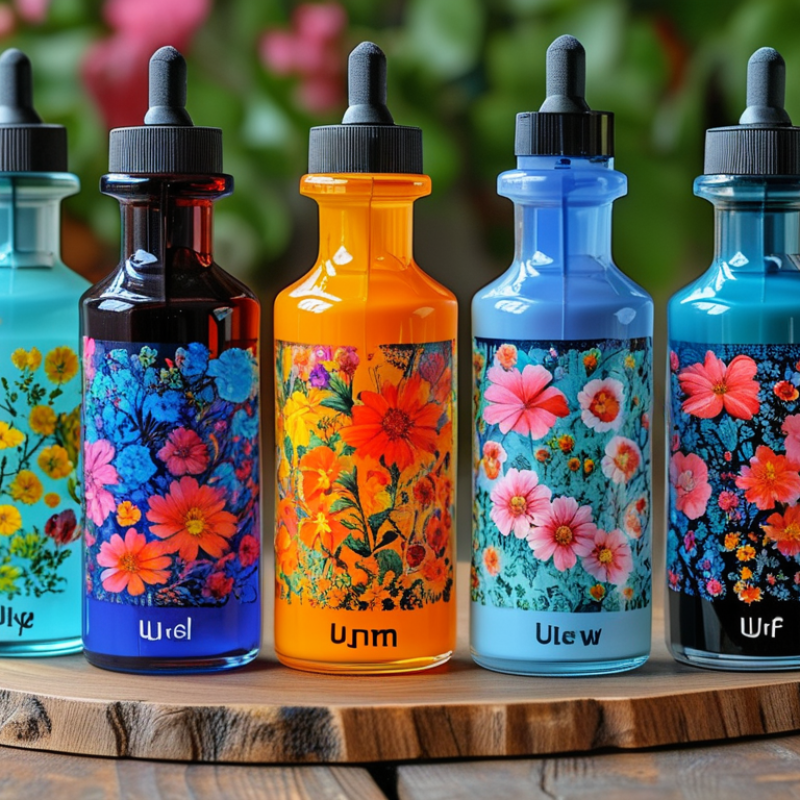
When deciding between UV ink and water-based ink for labels, several key factors come into play. UV ink offers vibrant colors and excellent durability. It dries instantly when exposed to UV light. This characteristic makes it ideal for high-speed production. According to a report by Smithers Pira, UV printing is expected to grow at a CAGR of 5.1% through 2027. This growth reflects its popularity among manufacturers seeking longevity in label printing.
On the other hand, water-based inks are known for their eco-friendliness. They contain fewer volatile organic compounds (VOCs), making them safer for the environment. A study by the National Print Institute found that 75% of consumers prefer sustainable products. Choosing water-based ink could cater to this growing market demand. However, these inks can take longer to dry and may require more finishing processes compared to UV inks.
Each type has pros and cons, making it crucial to consider your project's needs. Think about your target audience and production speed. The choice isn’t always straightforward. Weighing quality, cost, sustainability, and application will help clarify your decision.
When comparing print quality between UV ink and water-based ink, several factors come into play. UV ink provides vibrant colors and a glossy finish. This makes it a popular choice for labels that need to stand out. Its quick-drying nature allows for efficient production. However, the print may appear overly saturated at times, which can impact clarity.
On the other hand, water-based ink offers a more subdued and natural look. It is more eco-friendly and less toxic, making it safer for various applications. While it might not have the intense colors of UV ink, it can deliver good quality prints if managed properly. The drying time is longer, which may cause delays in high-volume runs. In some cases, colors may appear duller than expected.
Print durability is also an essential consideration. UV printed labels are resistant to moisture and fading. This is particularly useful for outdoor use. However, overexposure to UV light can lead to some degradation. Water-based inks may not hold up as well under harsh conditions, requiring careful thought regarding their application. Balancing these qualities is crucial for achieving the desired outcome.
When considering the environmental impact of UV ink versus water-based ink, several factors come into play. UV inks contain a mix of polymers, pigments, and photoinitiators that harden upon exposure to UV light. This process emits fewer volatile organic compounds (VOCs), with studies noting a reduction of up to 50% compared to solvent-based options. However, disposal issues arise. UV inks can be challenging to recycle due to their chemical composition. Many facilities are not equipped to handle these materials safely.
On the other hand, water-based inks, composed primarily of water and biodegradable substances, are often viewed as more eco-friendly. According to a report from Smithers Pira, water-based inks reduce VOC emissions by as much as 95%. This makes them safer for both workers and the environment. However, their lower durability can be a concern; they might not withstand harsh conditions as well as UV inks. Additionally, while water-based inks are generally safer, they can sometimes require chemical additives that complicate biodegradability.
Both inks present unique environmental challenges. Research indicates that while UV inks may seem less harmful during application, their long-term effects on waste management are significant. Conversely, water-based inks, although less toxic, must be carefully formulated to avoid detrimental additives. Addressing these concerns requires ongoing research and innovation within the industry.
| Criteria | UV Ink | Water-Based Ink |
|---|---|---|
| Environmental Impact | Higher VOC emissions during curing process | Low VOC emissions, more eco-friendly |
| Durability | Highly durable and resistant to scratches and fading | Good durability but less resistant to certain chemicals |
| Curing Time | Instant curing with UV light | Requires longer drying time |
| Color Vibrancy | Rich and vibrant colors | Good color quality, but less vibrant than UV ink |
| Cost | Generally higher initial cost | Usually more cost-effective |
| Applications | Best for high-end labels and graphics | Ideal for everyday labels and flexible applications |
Choosing the right ink for label production can be daunting. When comparing UV ink and water-based ink, cost is a major factor. UV ink typically incurs higher initial costs due to its specialized curing process. However, its durability can result in fewer reprints. This long-term saving can balance initial expenses.
Water-based ink, on the other hand, is often more affordable upfront. Its production process is straightforward and environmentally friendly. Nonetheless, the potential for fading under UV light may increase long-term costs. Evaluating the ink's lifespan is crucial in calculating expenses. Sometimes, initial savings might lead to higher costs down the line.
Consider your product’s requirements before making a choice. If your labels need to withstand heavy wear, UV ink may justify the extra cost. For short-term projects, water-based ink could be the way to go. Balancing performance and budget is key. Reflecting on these trade-offs will help in making an informed decision.
When choosing between UV ink and water-based ink for labels, it is essential to consider the applications and usability of each option. UV ink is known for its quick-drying properties. This makes it ideal for high-speed production environments. Its durability allows it to withstand outdoor elements effectively. The vibrant colors produced by UV ink help improve shelf appeal. However, this type of ink can be more expensive than its water-based counterpart.
Water-based ink, on the other hand, is a popular choice for environmentally-conscious brands. It is less harmful to the environment due to lower volatile organic compounds (VOCs). Water-based inks are easy to clean and often more user-friendly. The downside is that they may not adhere as well to plastic surfaces. Additionally, they can take longer to dry. This can lead to smudging if not handled carefully.
Both options have their pros and cons. Selecting the right ink depends on the specific needs of your labels. Evaluating the performance of each type in different conditions can guide your decision. Testing both options on your label materials may reveal unexpected results. Engaging with industry experts can also provide valuable insights tailored to your project.
: UV ink hardens under UV light, while water-based ink relies primarily on water and biodegradable materials.
Water-based inks reduce VOC emissions by up to 95%, making them safer for the environment.
Yes, UV inks can be difficult to recycle due to their chemical composition and limited facility capabilities.
Water-based inks may not withstand harsh conditions as well as UV inks, which could affect their longevity.
UV ink dries quickly, making it suitable for fast production. Water-based ink takes longer to dry.
Yes, though safer, water-based inks may require chemical additives that can complicate their biodegradability.
Yes, UV ink produces vibrant colors that enhance shelf appeal, which is important for branding.
Water-based inks are easier to clean, while UV inks can be messier and more challenging to handle.
Yes, testing both types on your materials may yield unexpected results that inform your decision-making.
Consider durability, drying time, environmental impact, and the specific application needs for your labels.
When considering how to choose between UV ink and water-based ink for label printing, several key factors must be evaluated. These include the print quality that each type of ink can provide, where UV ink typically offers vibrant colors and high durability, while water-based ink is known for its smooth finish and lower odor. Additionally, the environmental impact of these inks is crucial; water-based inks are generally more eco-friendly as they contain fewer volatile organic compounds (VOCs), whereas UV inks can pose greater sustainability challenges.
Cost analysis is another important aspect of this decision-making process. While UV inks may have higher initial costs, their efficiency in drying and curing can lead to lower overall production costs. Finally, the specific applications and usability of each ink type must be considered, as certain labels may require the distinct characteristics offered by either UV or water-based inks. By assessing these factors, businesses can make informed decisions tailored to their label printing needs.

Moveco Machine