Cleaning rotary letterpress ink rollers is a vital practice in the printing industry. Many professionals ask, "how often should you clean rotary letterpress ink rollers?" The answer depends on usage and type of inks. Regular maintenance ensures quality prints and extends the life of your printing equipment.
Frequent cleaning can prevent ink build-up and deterioration of rollers. Failure to maintain clean rollers may lead to inconsistent ink distribution. This can cause poor print quality. It's essential to develop a routine, but it is challenging to determine the exact frequency needed. Factors such as material type and ink viscosity play significant roles.
Moreover, not every print job is the same. Some applications may require more rigorous cleaning than others. Reflecting on your cleaning practices is key. Are you cleaning often enough? Assessing your routine can lead to better outcomes. The goal is to find a balance that maintains equipment integrity while maximizing print quality.
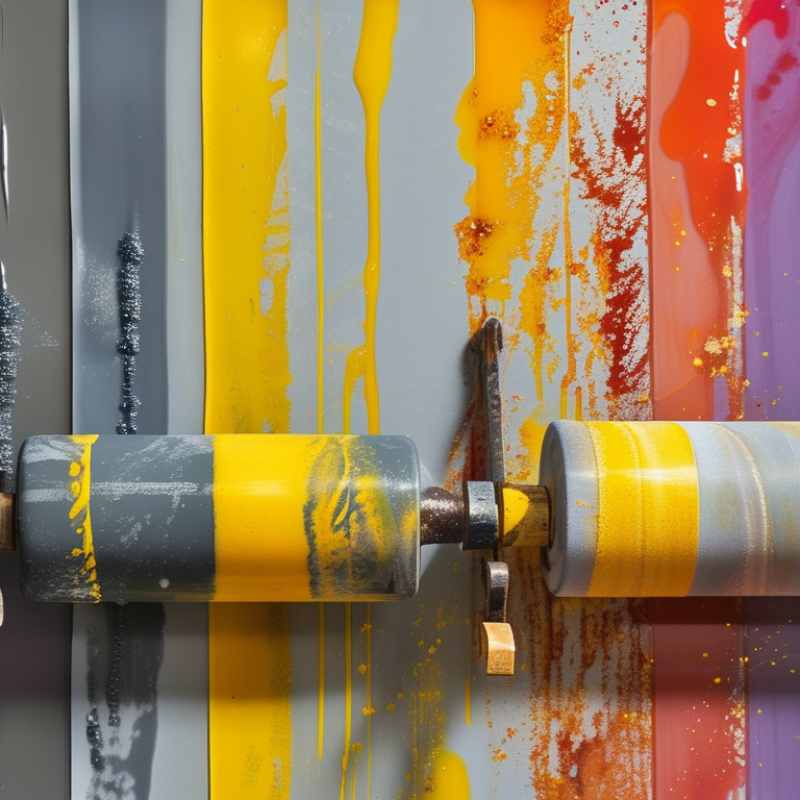
Cleaning rotary letterpress ink rollers regularly is crucial for maintaining print quality. Ink rollers can accumulate residue that affects color consistency and saturation. According to industry reports, neglecting roller maintenance can reduce print quality by up to 30%. Over time, dried ink can build up, leading to uneven distribution and potential contamination of new ink.
Additionally, regular cleaning extends the lifespan of the rollers, saving costs in the long run. A well-maintained roller can last significantly longer, often up to 50% more than neglected counterparts. It’s essential to use appropriate cleaning solutions that are compatible with the roller materials. Improper cleaning techniques can lead to roller damage, which can be costly to replace.
Balancing the cleaning schedule is also vital. Too frequent cleaning can lead to unnecessary wear, while infrequent cleaning may result in poor print performance. The key is to find a middle ground that optimizes both roller condition and print quality. Observing the performance of your prints will guide you in adjusting your cleaning frequency. Regularly assessing the condition of the rollers is just as important, ensuring that the cleaning practices align with the actual wear and tear experienced during the printing process.
| Frequency | Reason | Impact on Quality | Recommended Cleaner |
|---|---|---|---|
| Daily | To prevent ink buildup | Ensures consistent print quality | Isopropyl alcohol |
| Weekly | Maintain optimal performance | Prevents color shift | Specialized ink cleaner |
| Monthly | Deep cleaning for longevity | Reduces wear on components | Eco-friendly cleaner |
| As Needed | After long press runs | Restores print accuracy | General purpose cleaner |
Cleaning rotary letterpress ink rollers is essential for maintaining print quality. Regular maintenance helps prevent color contamination and ensures optimal ink transfer. Experts recommend cleaning your ink rollers after every print run. This practice minimizes residual ink buildup, improving consistency in your prints.
For those running high-volume jobs, consider a mid-job cleaning. This can be as simple as wiping the rollers with a lint-free cloth. Quick cleanings can save time and keep your workflow efficient. Additionally, be mindful of the ink type used. Water-soluble inks may require more frequent cleaning compared to oil-based inks.
Persuading your team to adhere to a cleaning schedule can be challenging. Some may overlook this task, thinking it's unnecessary. Ignoring maintenance can lead to costly print defects and equipment issues. Stay vigilant and reinforce the importance of cleanliness for quality results. Remember, consistency is vital for excellent print production.
Cleaning rotary letterpress ink rollers is essential for maintaining print quality. Residue buildup can lead to ink transfer issues and unwanted blemishes on the final print. Cleaning should be a regular part of your maintenance routine to ensure optimal performance. The frequency of cleaning can depend on the volume of printing, but it’s generally recommended to clean the rollers after every major printing job, especially when using different ink colors.
Begin by removing the ink from the rollers. Use a soft cloth or a dedicated scraper to gather excess ink. Then, apply a suitable cleaning solution—many industry reports suggest using a solvent specifically designed for letterpress. This helps dissolve stubborn ink residues. After applying the cleaner, scrub the rollers gently with a soft brush. This may take a few extra minutes, but it ensures thorough cleaning. Rinsing with warm water afterward can help remove any remaining cleaner, ensuring the rollers are ready for the next use.
Regularly cleaning rollers not only extends their lifespan but also enhances print quality. Neglecting maintenance can lead to fading prints and uneven coverage. A study from the Printing Industry of America indicates that 40% of print defects stem from improperly maintained equipment. Taking the time to clean your rollers could minimize these defects and improve overall output accuracy, saving both time and resources in the long run.
Keeping ink rollers clean is crucial for maintaining print quality. Signs that ink rollers need cleaning can be quite clear. A noticeable change in color output often indicates that there's a significant buildup of dried ink. When the color doesn’t match your expectations, it's time to inspect the rollers. Additionally, inconsistent ink distribution can lead to streaks and dull prints. These problems typically stem from dirty rollers, which can hinder production quality greatly.
A study by the Printing Industries of America revealed that nearly 40% of print defects are due to inkroller issues. This statistic highlights the importance of regular maintenance to prevent such errors. If your prints exhibit poor registration or unacceptable ink adhesion, these could also be symptoms of neglected rollers.
Regular cleaning is essential. Engage in a straightforward cleaning routine to ensure optimal performance. Use appropriate solvents based on your ink type, and be diligent in inspecting the rollers for wear. Maintaining a clean environment can also help in reducing dirt accumulation. A simple mist of cleaning solution on the rollers, followed by a gentle scrub, can make a significant difference in print quality. Always keep an eye on the condition of your equipment; it can save time and costs in the long run.
Maintaining ink rollers in a rotary letterpress is crucial. Regular cleaning keeps your rollers in top shape. Use a lint-free cloth and a suitable cleaning solution for daily upkeep. This prevents ink build-up, ensuring a smooth print quality. If the ink starts to degrade, it becomes harder to clean. This could result in uneven prints and wasted material.
After a print run, check your rollers. Look for any sticky residues or ink deposits. A quick wipe can make a difference. Rotate the rollers slowly. This allows you to spot any wear or damage. Regular inspection helps identify issues early. Don't wait for severe wear to perform maintenance. Timely action can extend roller life.
Sometimes, an overlooked detail can affect your prints. Remember to pay close attention to the edges of the rollers. Ink can gather there, causing problems. Having a checklist can help. Document your cleaning routine. Evaluate what works best for your setup. Each press has its quirks, requiring a bit of trial and error. Adapt your routine as needed to maintain optimal performance.
: Regular cleaning is essential for optimal performance. Aim for a routine after each print run.
Look for color output changes, streaks, or dull prints. These indicate a significant buildup of dried ink.
Use a lint-free cloth and suitable cleaning solution daily. This prevents ink build-up and ensures smooth printing.
Inspect rollers for sticky residues or ink deposits. A quick wipe can significantly improve print quality.
Regular inspection helps identify wear or damage early. Timely action can extend the life of your rollers.
Neglected rollers can lead to poor print registration and unacceptable ink adhesion, causing significant production issues.
Yes, ink can gather at the edges, causing problems. Check and clean these areas to maintain quality.
Document your cleaning practices and evaluate what works best. Each press may need unique adjustments.
Cleaning rotary letterpress ink rollers is essential for maintaining print quality and prolonging the life of the equipment. The article highlights the importance of regular cleaning, which helps prevent ink buildup and ensures even ink distribution. It addresses the question of "how often should you clean rotary letterpress ink rollers," recommending a cleaning schedule based on usage frequency and ink type.
The article outlines specific steps for effectively cleaning the rollers and provides signs to watch for that indicate it's time for cleaning, such as inconsistent ink application or drying issues. Additionally, it shares tips for maintaining the rollers between cleanings, emphasizing the benefit of proper care to enhance performance and reduce downtime in printing processes. By following these guidelines, operators can ensure optimal functionality and lasting quality from their rotary letterpress equipment.

Moveco Machine