Understanding the perplexing question, "why is my flatbed die-cutting machine tearing the label edges," requires industry insight. Jake Thompson, a seasoned die-cutting specialist, states, "Edge tearing can arise from multiple factors in the cutting process." This statement underscores the complexity of this issue and the need for careful analysis.
Flatbed die-cutting machines are used widely in label production. However, when these machines tear edges, it creates a significant headache. The interplay of pressure, materials, and blade sharpness plays a crucial role in the quality of the cut. If the pressure is too high or the blade is dull, issues such as tearing can occur.
Moreover, the materials used can contribute to these challenges. Thinner labels or those made from certain materials may not withstand standard cutting pressures. It is essential to monitor these variables attentively. Even with the right settings, things can still go wrong, leading to frustrating outcomes. Addressing these factors is key to improving overall performance and avoiding waste in production. Engaging with experts can lead to better solutions.
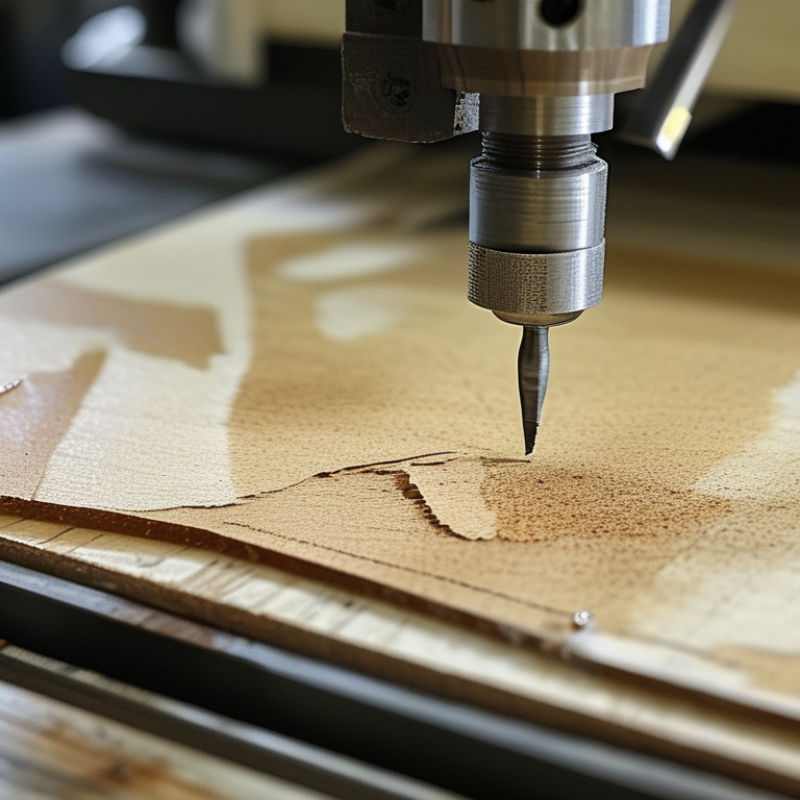
When working with flatbed die-cutting machines, many operators experience issues like torn label edges. Understanding the functionality of these machines can help diagnose the problems. Flatbed die-cutting machines use a flat surface to press a die onto material, cutting it into desired shapes. The pressure and speed settings are crucial in maintaining edge integrity. According to industry reports, improper settings can lead to a 15% increase in defective cuts.
Tip: Regularly inspect your dies and cutting mats. Wear and tear can affect performance, leading to jagged edges. Inconsistent pressure can exacerbate this issue, causing material to tear.
Another common factor is material selection. Thicker or coarser materials may require specific adjustments to avoid damage during the cutting process. Studies indicate that using the wrong material can lead to a failure rate of up to 25%. Being meticulous about chosen substrates is essential.
Tip: Test cut new materials before ordering large quantities. This helps ensure that your machine settings are optimal for specific materials. Keeping a log of settings can also provide insights when troubleshooting.
: Label edge tearing often results from material type and cutting pressure. Thinner substrates tend to rip easily under high pressure.
Dull or damaged blades lead to uneven cuts and jagged edges. Regular blade inspections are necessary to prevent this issue.
Adjusting cutting pressure is essential. Lowering it reduces the risk of tearing significantly.
Yes, conducting small tests on new materials is crucial. This helps gauge their reaction to existing cutting settings.
Proper die alignment is critical. Improper alignment can lead to a significant increase in edge tearing during the cutting process.
Monitor cutting speed and pressure settings closely. Too much pressure crushes edges, while too little leads to incomplete cuts.
Regular maintenance is essential. Check blades for wear and keep the machine calibrated to avoid edge damage.
Yes, maintaining accurate records of machine settings helps identify patterns that lead to edge damage.
Absolutely. Excessive pressure can significantly damage label edges, leading to production issues that affect efficiency.
Even small tweaks can improve results. Regularly observe your die-cutting setup for any possible misalignments.
The article "Why Does My Flatbed Die-Cutting Machine Tear Label Edges?" delves into the common issues that can arise during the die-cutting process, particularly focusing on label edge tearing. It begins by explaining the functionality of flatbed die-cutting machines and outlines the typical causes behind label edge damage, such as improper blade condition and alignment problems. The condition of the blades is emphasized as a crucial factor affecting not only cutting quality but also the integrity of the labels produced.
To address the question, "why is my flatbed die-cutting machine tearing the label edges", the article provides preventive measures and troubleshooting tips that operators can implement to minimize edge damage. These include regular maintenance of the cutting blades, ensuring proper machine settings, and inspecting materials for consistency. By following these guidelines, users can enhance the performance of their flatbed die-cutting machines and reduce instances of label tearing.

 Moveco Machine