In the evolving landscape of the printing industry, ensuring high registration accuracy in intermittent offset printing remains a critical challenge. Reports indicate that registration errors can lead to significant waste, with some printers reporting up to 10% material loss due to misalignment. The importance of how to improve registration accuracy in intermittent offset printing cannot be overstated, especially as client demands for quality and precision continue to rise.
Industry experts emphasize the need for meticulous calibration and innovative technology to tackle these issues. Utilizing advanced alignment systems and real-time monitoring can enhance precision. However, these technologies come with their own complexities and may require additional training and investment. As such, companies must reflect on whether the benefits outweigh these challenges.
Despite the advances in technology, many printers still struggle with inconsistencies. Understanding the root causes of registration failure is crucial. Each printing run can expose flaws in the process that, if left unaddressed, will lead to diminished product quality. It’s essential for industry leaders to continuously adapt and refine their approaches to registration accuracy. This journey to improvement is ongoing, with many questions remaining unanswered.
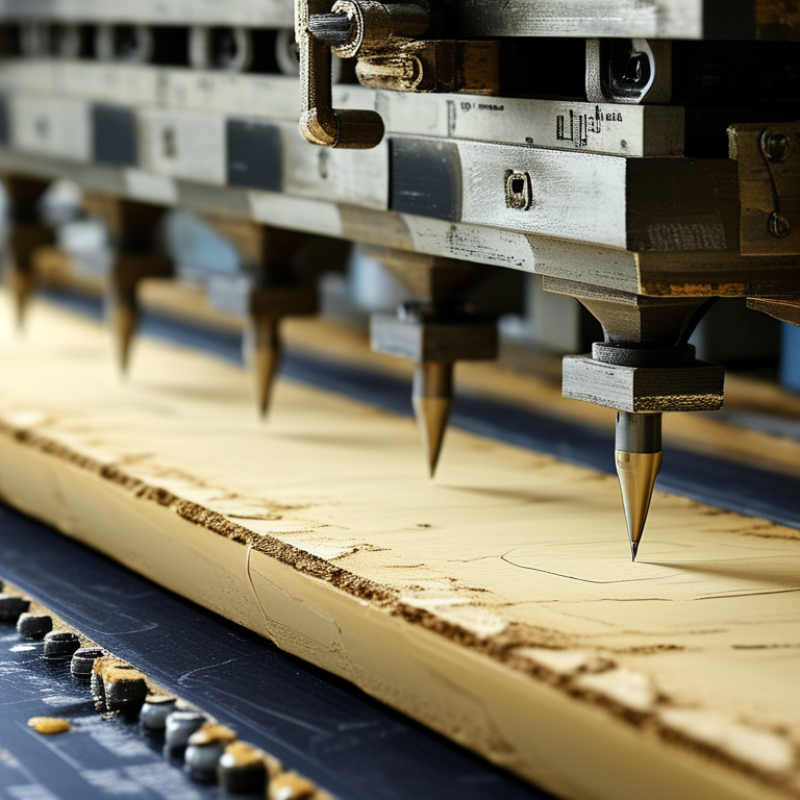
Achieving registration accuracy in intermittent offset printing poses numerous challenges. In a recent industry report, it was noted that nearly 30% of print jobs experience misalignment issues. This can result in wasted materials and significant financial losses. Misregistration often stems from various factors such as temperature fluctuations, humidity levels, and even operator errors.
Ensuring proper calibration of the printing equipment is essential for enhancing registration accuracy. According to the Printing Industries of America, maintaining the correct ink viscosity and pressure can help achieve better results. However, many printers still overlook these critical adjustments, leading to persistent problems. Additionally, substrate variability can complicate registration. Different materials expand and contract differently, impacting alignment.
Regular training for operators is vital. A skilled operator can quickly identify potential misregistration issues and address them proactively. Yet, many companies neglect this aspect, resulting in ongoing inefficiencies. Reducing registration errors requires a commitment to continual learning and adaptation, but many in the industry still struggle with this essential practice. These challenges necessitate a dedicated approach to improve accuracy.
Intermittent offset printing is a complex process. Understanding this method is crucial for improving registration accuracy. This printing technique involves using plates to transfer ink onto substrates. However, maintaining precise alignment can be challenging. Factors like paper type and ink viscosity play significant roles. Small variations can lead to noticeable misregistration.
Many operators overlook the importance of regular maintenance. Equipment calibration must be performed frequently to ensure consistent results. Even a few millimeters off can distort the final product. Additionally, different substrates react differently during the printing phase. Each surface can absorb ink differently, leading to inconsistencies.
Mistakes happen. It’s vital to analyze errors during production to identify patterns. Learning from misprints can enhance the overall process. Continuous education for operators can help bridge knowledge gaps. Practicing detailed and methodical approaches will contribute to better accuracy. Understanding the nuances of each job will ultimately yield higher quality prints.
In the world of intermittent offset printing, registration accuracy is crucial. Small misalignments can lead to significant flaws in the final product, affecting both quality and performance. One primary factor influencing this accuracy is the setup of the printing plates. Proper alignment during this stage can prevent common registration errors. However, even the best setups can fail due to external factors, such as paper variability.
Another key factor is the press's mechanical precision. Components like the plate cylinder and blanket must maintain tight tolerances. Wear and tear can introduce inaccuracies. Regular maintenance checks are essential to ensure that the equipment remains in optimal condition. Even minor deviations should be routinely monitored to uphold quality standards.
Environmental conditions also play a role. Humidity and temperature fluctuations can affect the stability of materials used in printing. Ensuring a controlled environment is often overlooked but can greatly influence performance. Companies may find that even slight adjustments yield better results. Addressing these factors can lead to considerable improvements in registration accuracy.
In intermittent offset printing, registration accuracy plays a crucial role in the final product quality. The focus on precise alignment is essential for various materials. Different factors can impact this accuracy, including equipment settings and environmental conditions. Regularly calibrating printers is vital for maintaining standards.
Adopting best practices can mitigate registration errors. For instance, using high-quality inks and substrates improves adhesion and coloration. Operators should also pay close attention to press speed and tension. Monitoring these elements helps ensure consistency. However, it’s important to recognize that perfection is not always achievable. Adjustments may still be necessary throughout the printing run.
Training staff on the latest industry standards enhances overall efficiency. Encouraging team members to share insights promotes a culture of continuous improvement. While challenges will arise, fostering an environment of open communication can lead to better outcomes. This collective effort contributes to an ongoing quest for improved registration accuracy.
In the evolving landscape of printing, registration accuracy remains crucial. A report by Smithers Pira indicates that misregistration can lead to waste rates as high as 10%. This inefficiency emphasizes the need for robust registration techniques across various printing methods.
Offset printing, for instance, employs several alignment methods, including mechanical and digital systems. Each has distinct advantages but also inherent flaws. A study found that using digital registration methods can reduce setup time by 25%, yet challenges in calibration persist. The inconsistent tension found in traditional methods can also be problematic, resulting in variable print quality.
Comparing registration techniques across different printing methods showcases the ongoing struggle for precision. Flexographic printing often boasts better alignment than gravure, yet still faces issues with substrate variability. Many printers overlook these discrepancies, which can compromise the final product. Continuous exploration of innovative techniques is essential for improvement. As the industry evolves, so must our strategies for achieving consistent registration accuracy.
: It is a method using plates to transfer ink onto substrates.
Small misalignments can cause significant flaws in the final product.
Plate setup, mechanical precision, and environmental conditions all play critical roles.
Continuous education and practice can help bridge knowledge gaps.
Frequent calibration ensures consistent results and quality prints.
Paper type, ink viscosity, and equipment wear can lead to inaccuracies.
Humidity and temperature fluctuations can impact material stability during printing.
Yes, even slight changes can lead to considerable registration improvements.
Analyze errors to identify patterns and learn from misprints.
Regular checks are essential to keep equipment in optimal condition.
In the realm of intermittent offset printing, achieving high registration accuracy poses significant challenges due to the nature of the printing process and the technical variables involved. To better understand how to improve registration accuracy in intermittent offset printing, it is crucial to analyze the specific hurdles faced, including misalignment and color consistency. Additionally, recognizing the intricacies of the intermittent offset printing process and its unique implications plays a vital role.
Key factors influencing registration accuracy encompass machinery calibration, substrate characteristics, and environmental conditions. By adhering to the latest industry standards and employing best practices, printers can systematically enhance the accuracy of their registration. Furthermore, a comparative analysis of different registration techniques across various printing methods reveals valuable insights and potential solutions tailored to intermittent offset printing, ultimately leading to more precise outcomes and higher quality prints.

Moveco Machine