In the world of printing, choosing the right method can significantly impact production efficiency and cost-effectiveness. Intermittent offset printing and full rotary printing each have their advantages, and understanding these is crucial. For example, industry reports indicate that intermittent offset printing can reduce costs by 30% for certain short-run jobs. However, full rotary printing excels in high-volume runs, providing unmatched speed and consistency.
Experts emphasize the importance of knowing when to choose intermittent offset over full rotary printing. John Smith, a leading analyst in printing technologies, states, "The key is to assess project needs carefully." His insights reflect the reality that different jobs require tailored approaches. While intermittent offset shines in flexibility, it may not always be the best fit for large-scale productions.
Evaluating factors such as volume, material types, and project timelines can aid in making an informed decision. Choosing the right printing method is not always straightforward. Manufacturers must weigh quality against speed and cost, reflecting some inherent complexities in the industry. Answering the question, "when should you choose intermittent offset over full rotary printing?" requires both experience and a clear understanding of each method’s unique strengths.
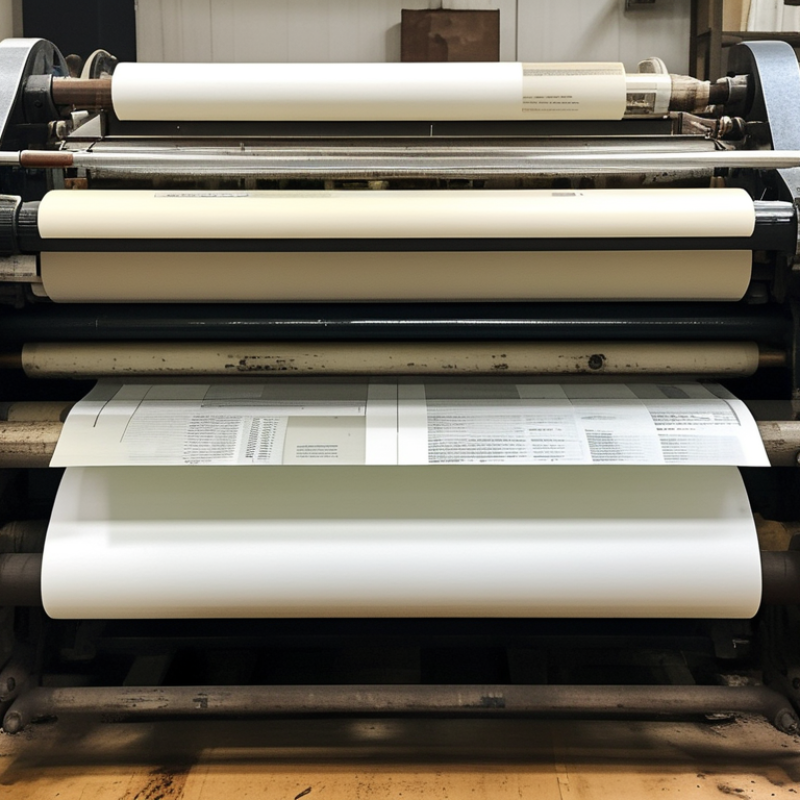
Intermittent offset printing offers unique advantages, especially for medium to long runs. This technique allows for precise registration and vibrant color reproduction. It is particularly beneficial for complex designs requiring high detail. Brands often prefer this method for its flexibility. It accommodates various substrates, enhancing creative options.
Key features include its ability to handle shorter print runs efficiently. The setup time is generally lower than traditional printing methods. This leads to quicker turnaround times. However, consistency can sometimes be an issue. Variability in the printing process might affect the final output. Careful monitoring helps mitigate this risk.
Another aspect to consider is cost-effectiveness. While intermittent offset printing may have higher upfront expenses, it can lead to savings in waste. Optimizing material usage becomes crucial. On the other hand, businesses must assess their specific needs. The choice between intermittent and full rotary printing depends on various factors, including project scale and complexity. Each method has its strengths and weaknesses that can influence the final decision.
Full rotary printing is a popular choice for high-speed production. It features streamlined workflows and reduces downtime. This printing method is efficient for large runs. It allows for continuous printing, which improves output.
Key features include the ability to print on various materials. This adaptability is crucial for industries that require flexibility. Full rotary setups save time, allowing more projects to be completed. However, they may come with higher upfront costs.
One aspect to consider is maintenance. While full rotary systems are efficient, they require regular upkeep. Neglecting maintenance can lead to increased downtime. Additionally, there is a learning curve for operators. Training is essential to harness the technology effectively. Despite its advantages, not every project may benefit from this method.
Intermittent offset printing and full rotary printing serve different needs in the printing industry. Intermittent offset printing excels in smaller runs, providing high-quality prints. This method allows for intricate designs and sharper images, making it ideal for projects like brochures or high-end catalogs. However, it may face challenges with speed and efficiency compared to rotary printing.
Full rotary printing, on the other hand, is suited for large-scale production. This method operates continuously, allowing for faster output. It is less flexible than intermittent offset printing but often more cost-effective for bulk printing. Complex designs may be harder to accommodate, making it essential to evaluate your specific project requirements.
Tips: Before deciding, understand your volume needs. Evaluate your design complexity too. Consider costs versus quality in your choice. Always analyze the turnaround time required for your project. This insight can significantly impact your overall printing strategy.
When selecting between intermittent offset and full rotary printing, several factors come into play. The nature of the project greatly influences the decision. Intermittent offset printing is ideal for smaller runs, offering flexibility and quality. It often allows for quicker adjustments and changes mid-production. This method is particularly useful for intricate designs or multiple colors. It provides a level of detail that smaller print jobs often require.
On the other hand, full rotary printing excels in large-volume projects. It is designed for speed and efficiency, making it suitable for high-demand scenarios. This method can handle longer runs without stopping, which translates to lower costs per unit. However, it has limitations when it comes to customization. If your design requires multiple variations or alterations, full rotary might not meet your needs.
Consider your timeline, budget, and design requirements before deciding. Each method has its strengths and weaknesses. The choice may not always be straightforward. Test runs can reveal unexpected issues, like color discrepancies or registration problems. Being aware of these nuances helps in making an informed decision that aligns with your specific printing needs.
When considering printing options, the choice between intermittent offset and full rotary printing depends on specific use cases. Intermittent offset printing is well-suited for smaller runs. It excels with intricate designs and high-quality outputs. This method allows for quick adjustments. Many industries opt for it when flexibility is essential. Custom labels, specialty packaging, and short-run projects benefit from this technique.
In contrast, full rotary printing shines in large-volume productions. It delivers speed and efficiency, making it a go-to for newspapers and magazines. This method significantly reduces time and costs per unit. However, quality management can be a challenge here. Colors might not match exactly across runs, leading to potential inconsistencies.
The decision ultimately hinges on project goals, quantities, and desired quality. Both methods have their strengths and weaknesses. Finding the right fit requires careful consideration of specific requirements. Industry experts recommend evaluating each approach in the context of production needs. Weighing the benefits and potential drawbacks can lead to more effective outcomes.
: It works well for smaller runs and requires intricate designs.
Full rotary printing operates continuously, allowing for faster output.
It offers high-quality prints with sharper images and intricate designs.
It may struggle with complex designs and multiple variations.
Evaluate your project’s volume, design complexity, and turnaround time.
Yes, there can be color discrepancies across different runs.
A test run helps reveal unexpected issues like registration problems.
Intermittent offset is costlier for small runs, but rotary is cheaper for bulk.
Intermittent offset offers more flexibility, while full rotary is less customizable.
Industries needing custom labels or specialty packaging often prefer it.
In the realm of printing technology, the decision between intermittent offset and full rotary printing hinges on several key factors. Intermittent offset printing is characterized by its versatility and suitability for shorter runs, allowing for intricate designs and quick setup times. In contrast, full rotary printing excels in high-speed production and larger print volumes, making it ideal for mass printing applications.
When should you choose intermittent offset over full rotary printing? This decision often depends on the specific project requirements, including the desired print quality, production volume, and budget constraints. Evaluating practical applications and industry use cases for both methods further aids in making an informed choice that aligns with operational goals and customer needs. Ultimately, understanding the strengths of each printing technique is crucial for optimizing efficiency and output in various printing scenarios.

Moveco Machine