In roll to roll label printing, tension control is crucial for successful production. Maintaining proper tension ensures consistent print quality and prevents defects. If tension is too high or too low, it can lead to misalignment, smudging, or even material damage. Understanding how to maintain tension control in roll to roll label printing requires both practical experience and technical knowledge.
Operators must pay close attention to various components. These include the unwind and rewind systems, guiding mechanisms, and the substrate itself. Each part plays a role in achieving the desired tension. Moreover, regular monitoring and adjustments can lead to significant improvements in production efficiency.
Mistakes can happen. Sometimes, operators may overlook minor adjustments, leading to frustrations. Continuous reflection on these challenges fosters learning and enhances skill. Addressing tension control not only improves label quality but also boosts overall production reliability.
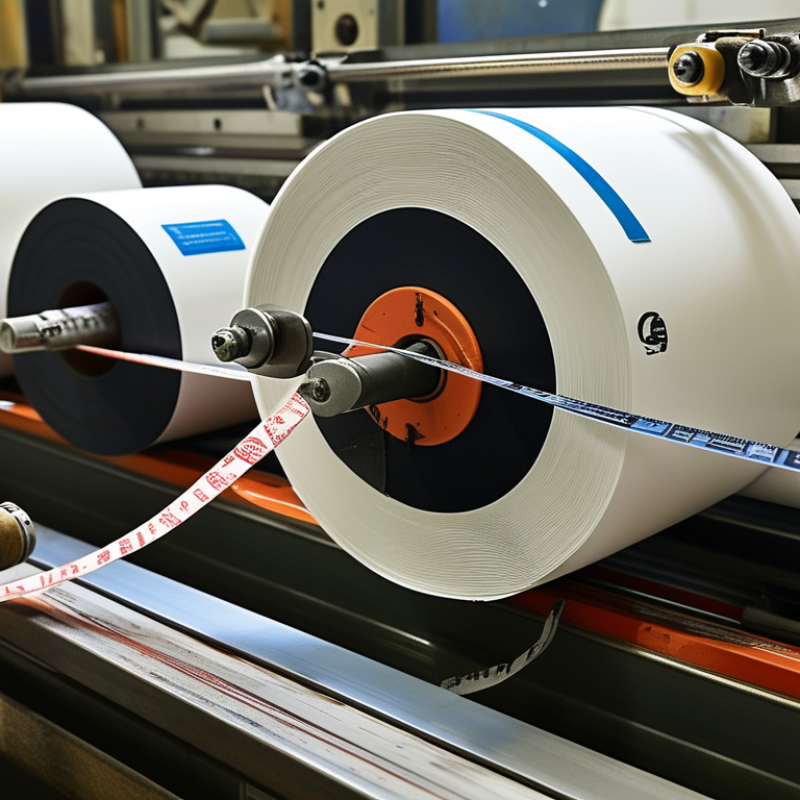
Tension control is crucial in roll to roll label printing. It ensures the smooth operation of the printing process and prevents defects. Proper tension keeps the substrate in place, avoiding misalignments and print imperfections.
During the printing process, fluctuations in tension can lead to significant issues. For example, if the tension is too high, it can cause tearing. Alternatively, too low of a tension may result in wrinkling. Regular checks on tension levels can help identify these issues early. Operators should monitor the setup frequently.
Understanding the equipment's specifications is also vital. Each machine has different requirements. Both the material type and thickness impact how tension should be managed. It’s essential to adjust settings based on these factors continuously. A hands-on approach to learning from past mistakes enhances operational efficiency over time.
In roll to roll label printing, maintaining tension is critical. Several key factors affect this tension during the printing process. The material's characteristics, such as thickness and elasticity, play a significant role. A thicker substrate may cause uneven tension. This can lead to misalignment or skewing during printing. It’s essential to monitor these properties closely.
Another important factor is the speed of the printing machine. High speeds can create fluctuations in tension. If the material moves too quickly through the rollers, it can lead to tension spikes. This could cause wrinkles or tears in the label material. Adjusting the speed based on the material type is crucial for optimal results.
**Tips:** Always test your materials first. Check how they react under different speeds and tensions. Keep an eye on environmental conditions too. Humidity and temperature changes can affect material behavior. Regular calibration of the machine helps in maintaining consistent tension levels.
**Tips:** Use tension sensors to monitor real-time adjustments. This feedback can prevent tension-related issues. Training staff on the importance of tension control is vital. They should understand how it directly impacts print quality and production speed.
Maintaining tension control is crucial in roll-to-roll label printing. Proper tension levels prevent issues like misalignment and material wrinkling. Adjustments are often necessary throughout the printing process. A recent industry report indicated that improper tension can lead to a 15% decrease in print quality. This highlights the importance of monitoring tension levels closely.
Techniques for monitoring and adjusting tension include using load cells and tension meters. These tools help determine the actual tension applied to the media. Regular calibration of such instruments is essential. Additionally, visual inspections can quickly identify inconsistencies that may indicate tension problems. Implementing a regular maintenance schedule is a best practice, though it is often overlooked. Ignoring these steps can lead to costly downtime.
Another method for tension control is utilizing dynamic feedback systems. These systems automatically adjust tension based on real-time data. They can improve print accuracy and reduce waste. However, they require skilled operators for setup. Balancing the technological aspects with operator experience is essential. Ideally, continuous training can enhance both operator skill and print quality.
This chart illustrates the monitoring of tension levels in roll-to-roll label printing over five weeks. The data reflects variations in tension, which is crucial for optimizing print quality and ensuring material integrity.
In roll to roll label printing, tension control is critical. Many operators face common issues that can compromise production quality. Fluctuating tension can lead to misalignment, causing labels to print inaccurately. According to the Flexographic Technical Association, improper tension handling accounts for nearly 30% of print defects in roll to roll operations.
One prevalent issue is uneven tension across the web. This inconsistency can be caused by various factors, including roller misalignment or improper setup. The pressure between rollers should be carefully calibrated. A study from the Printing Industries of America shows that achieving optimal tension balance can improve print accuracy by up to 25%. Regular maintenance and monitoring the tension settings can help mitigate these challenges.
Another problem is tension spikes, often resulting from sudden changes in speed or material thickness. Operators should conduct routine inspections of the tension control systems. Many systems can include advanced sensors or feedback mechanisms to adjust tension dynamically during the printing process. Without these measures, production efficiency may drop, leading to delays and increased waste. Thus, addressing tension control issues is essential for sustaining operational excellence.
In roll to roll label printing, maintaining optimal tension is crucial for high-quality output. Uneven tension can lead to quality issues, such as misalignment and poor ink transfer. According to a recent industry report, 30% of printing defects are linked to tension control problems. This emphasizes the need for thorough management of the printing process.
One effective tip is to regularly monitor the tension settings. This can be done using tension meters, which provide real-time feedback. Aim for a consistent tension across the substrate to avoid slippage or stretching, particularly with delicate materials. Adjusting the tension before starting a new batch can save time and materials, reducing waste.
It's also important to consider environmental factors. Humidity and temperature fluctuations can affect material properties, altering tension dynamics. Implementing a controlled environment for printing can mitigate these issues. Furthermore, educating operators about the signs of tension problems can foster a proactive culture aimed at quality assurance. Small mistakes in tension can lead to larger, costly errors down the line. Investing in staff training and routine maintenance checks pays off in the long run.
| Best Practices | Description | Frequency of Check |
|---|---|---|
| Monitor Tension Levels | Regularly check the tension levels using a tension meter to ensure proper settings. | Every Shift |
| Adjust Tension Settings | Adjust the tension according to the material type and thickness based on manufacturer recommendations. | As Needed |
| Conduct Stretch Tests | Perform materials stretch tests to determine how tension affects the printed output. | Weekly |
| Calibrate Equipment | Ensure that all equipment is calibrated to prevent tension mismanagement. | Monthly |
| Educate Staff | Train staff on the importance of tension control and best practices for monitoring. | Ongoing |
: Tension control ensures smooth printing and prevents defects like misalignment and imperfections.
High tension can cause tearing of the substrate, leading to production issues.
Low tension may result in wrinkling, which can compromise print quality.
Operators should frequently check tension levels and monitor the setup for inconsistencies.
The machine's specifications, material thickness, and type impact how tension should be adjusted.
Uneven tension can cause misalignment in prints, resulting in inaccurate labels.
Tension spikes occur from sudden changes in speed or material, affecting production efficiency.
Regularly monitoring tension settings with tension meters helps maintain consistency during printing.
Changes in humidity and temperature can alter material properties, affecting tension management.
Neglecting routine maintenance checks can lead to larger, costly errors in production.
In the realm of roll to roll label printing, understanding how to maintain tension control is crucial for achieving high-quality output. Tension control plays a significant role throughout the printing process, influenced by various factors such as substrate characteristics, machine setup, and environmental conditions. Key techniques for monitoring and adjusting tension include utilizing tension sensors, employing automatic controls, and conducting regular maintenance checks.
Common issues related to tension control, like web slipping or tearing, can significantly impact production efficiency and output quality. Addressing these problems requires implementing systematic solutions, such as recalibrating tension settings and ensuring optimal equipment alignment. By adhering to best practices for maintaining optimal tension in production—like consistent monitoring and adapting to changing conditions—manufacturers can enhance print quality and operational efficiency. Thus, mastering how to maintain tension control in roll to roll label printing is essential for successful manufacturing outcomes.

Moveco Machine