In the printing industry, waste management is more crucial than ever. Studies indicate that label material waste can account for up to 30% of total production costs. This statistic underscores the pressing need to address inefficiencies. Companies are actively seeking ways to optimize their operations. A major area of concern is how to reduce label material waste during printing machine setup.
Implementing best practices can dramatically impact waste reduction. For instance, precise calibration of printers can minimize off-cuts and errors. Moreover, using advanced technology like automated setups can further enhance efficiency. Yet, despite these strategies, many companies still report high waste levels during initial setups. This creates a gap that needs addressing.
Training staff in proper techniques is vital. Employees should be aware of the implications of waste and the cost-saving measures available. Continuous evaluation and adjustment of procedures will lead to substantial improvements. In a world where sustainability matters, understanding how to reduce label material waste during printing machine setup is not just a goal; it's an industry necessity.
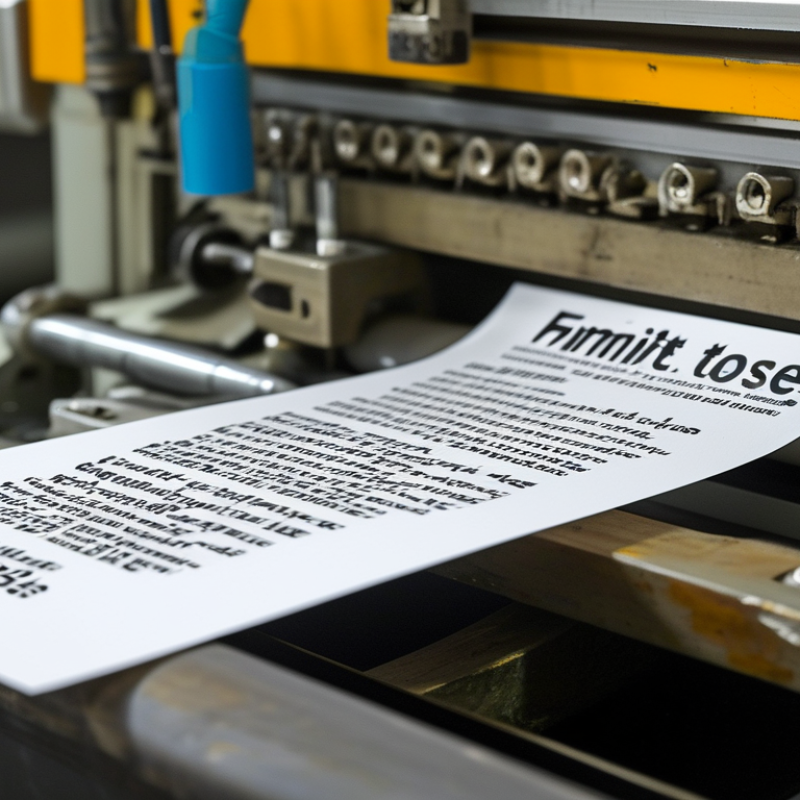
Identifying Key Sources of Label Material Waste in Printing
In the world of printing, waste management is critical. Many sources contribute to label material waste, starting with design inefficiencies. Poorly designed labels can lead to excessive trimming and unused space. This not only increases material use but also affects overall print quality. When designers overlook sizing or layout, it results in leftover materials that often go to waste.
Another significant factor is the printing setup itself. Suboptimal configurations can generate misprints and defects, leading to material loss. Operators may not fully understand their machines or fail to use them properly, which amplifies waste. Training and education about equipment can help reduce errors. Additionally, improper storage conditions can degrade materials, increasing disposal rates.
Lastly, supply chain issues contribute to waste. Over-ordering materials or having excess stock can lead to waste if those materials cannot be used before expiration. Regular audits of inventory can help in making informed decisions about what to order. Emphasizing responsibility in every stage can tremendously lower waste in label printing.
Evaluating Efficient Printing Techniques to Minimize Waste
In the printing industry, waste reduction is crucial. A report from a leading environmental organization highlights that printing accounts for 25% of global paper waste. Efficient printing techniques can significantly minimize this waste. So, examining the printing setup is essential.
To begin, assess your printing method. Digital printing often produces less waste than traditional methods. A study found that digital prints generate 30% less waste. It optimizes ink usage, which is a major contributor to waste. If your operation uses flexographic printing, consider implementing quick-change technology. It reduces setup time and material waste during print runs.
Tips for further reducing waste:
1. Use software that helps plan print runs efficiently. This can minimize excess.
2. Train staff in waste reduction strategies. Knowledgeable employees can implement improvements effectively.
3. Regularly review waste metrics. Understanding your waste sources can lead to better practices.
Despite improvements, challenges persist. Many companies still struggle with excessive material use during print jobs. Continuous evaluation is necessary. Embracing new technologies and techniques will be essential in the quest to lower waste and enhance sustainability.
Implementing Sustainable Materials for Label Production
In today's printing industry, the focus on sustainability is more crucial than ever. A recent report from Smithers states that the global demand for sustainable packaging is expected to grow by 5.2% annually. Companies are increasingly adopting eco-friendly materials for label production to reduce waste and environmental impact. By selecting biodegradable or recyclable substrates, manufacturers can significantly minimize material waste during printing setups.
However, transitioning to sustainable materials isn’t always straightforward. Labels made from recycled content often present challenges in adhesion and print quality. There’s a trade-off between sustainability and performance, which can lead to additional waste if not managed properly. Research shows that up to 30% of materials can be wasted if the printing process is not optimized for these new substrates.
Training production teams to adapt to sustainable options is essential. Implementing best practices for setup can further decrease waste. Transparent communication about the limitations and benefits of sustainable materials is vital. By empowering teams with knowledge and resources, organizations can make informed decisions that balance environmental concerns with operational efficiency.
Establishing Effective Inventory Management for Label Supplies
Effective inventory management for label supplies is crucial in reducing material waste during printing setups. Many businesses underestimate the importance of tracking their label stock. Without a clear inventory system, supplies can go unused or expire, leading to unnecessary waste. Regular audits of label materials help identify overstock and underused items. This process can highlight what is needed and what can be minimized.
Utilizing a digital inventory management system can streamline this process. These systems often provide real-time updates and alerts when supplies are low. By analyzing usage patterns, companies can make informed decisions about future orders. It is essential to collaborate with suppliers to understand lead times and optimize procurement. However, relying solely on digital solutions may overlook potential discrepancies in physical counts. Some manual checks might be necessary to ensure accuracy.
Training staff on proper inventory practices is also vital. Employees should understand the implications of waste and how to prevent it. They should be encouraged to communicate issues, such as damaged materials, which can contribute to waste. By fostering a culture of accountability, organizations can see a significant decrease in label material waste over time. Each step, though small, can lead to meaningful improvements in efficiency.
How to Reduce Label Material Waste in Printing Setup?
| Label Type |
Average Waste (%) |
Stock Level (Units) |
Reorder Point (Units) |
Lead Time (Days) |
| Paper Labels |
10% |
1000 |
200 |
5 |
| Vinyl Labels |
8% |
1200 |
300 |
7 |
| Clear Labels |
12% |
800 |
150 |
6 |
| Thermal Labels |
5% |
1500 |
250 |
4 |
Monitoring and Analyzing Waste Metrics for Continuous Improvement
Effective monitoring and analysis of waste metrics play a crucial role in reducing label material waste during the printing setup. Capturing data on scrap material helps identify trends and pinpoint inefficiencies. For instance, tracking the amount of wasted labels per batch can reveal discrepancies in machine calibration. This awareness is fundamental in driving adjustments for better performance.
Analyzing specific waste metrics encourages a culture of continuous improvement. Regular assessments can highlight operational inefficiencies. Using visual aids, such as charts, makes it easier for teams to grasp waste patterns. This leads to actionable insights. Daily meetings can focus on current waste levels, fostering an environment of accountability and collaboration.
Tracking the causes of waste, like misaligned labels or incorrect settings, offers valuable learning opportunities. It allows teams to reflect on practices that may inadvertently cause excessive waste. Emphasizing ongoing education ensures that everyone understands their role in waste reduction. Without this commitment to monitoring and analysis, the goal of minimizing waste remains a distant dream.
FAQS
: The focus is on sustainability and reducing environmental impact.
By selecting biodegradable or recyclable substrates for labels.
Issues with adhesion and print quality can occur, leading to waste.
Up to 30% of materials can be wasted without optimized printing processes.
It helps teams adapt to sustainable options and implement best practices.
It reduces waste by tracking label stock and avoiding expired supplies.
It provides real-time updates and helps analyze usage patterns.
It helps understand lead times and optimize ordering processes.
They should learn to prevent waste and communicate any issues.
By encouraging employees to report problems that contribute to waste.
Conclusion
Reducing label material waste during printing machine setup is essential for enhancing operational efficiency and sustainability in printing processes. The first step involves identifying key sources of waste, such as inefficient setups, miscalculations, and improper handling of materials. By evaluating efficient printing techniques, businesses can optimize the setup process, reducing excess material usage. Additionally, implementing sustainable materials for label production not only minimizes waste but also aligns with eco-friendly practices.
Effective inventory management plays a crucial role in ensuring the availability of the right materials and preventing overstocking, which often leads to waste. Regular monitoring and analysis of waste metrics provide valuable insights, facilitating continuous improvement in waste reduction strategies. By focusing on these areas, companies can significantly reduce label material waste during printing machine setup, contributing to both cost savings and environmental responsibility.

 Moveco Machine