Static electricity is a common challenge in the label die-cutting process. Understanding why does static electricity happen during label die-cutting and how to fix it is crucial for achieving optimal production outcomes. This phenomenon occurs when materials, such as paper or plastic, build up and retain electrical charges. When these charged materials come into contact or separate, they create static electricity.
The consequences can be disruptive. Labels may stick together, causing misalignment or jams in the machine. Additionally, sparks can occur, leading to potential safety hazards. Identifying the root cause of this static build-up is essential for operators. Factors such as humidity levels, material types, and machine speed all play significant roles.
Innovative solutions exist to reduce static electricity in this setting. Anti-static devices, humidifiers, and specific handling techniques can effectively minimize issues. Operators must remain vigilant and proactive. While static electricity can be frustrating, understanding its causes and implementing fixes fosters a smoother production process. This proactive approach demonstrates expertise and builds reliability in label die-cutting operations.
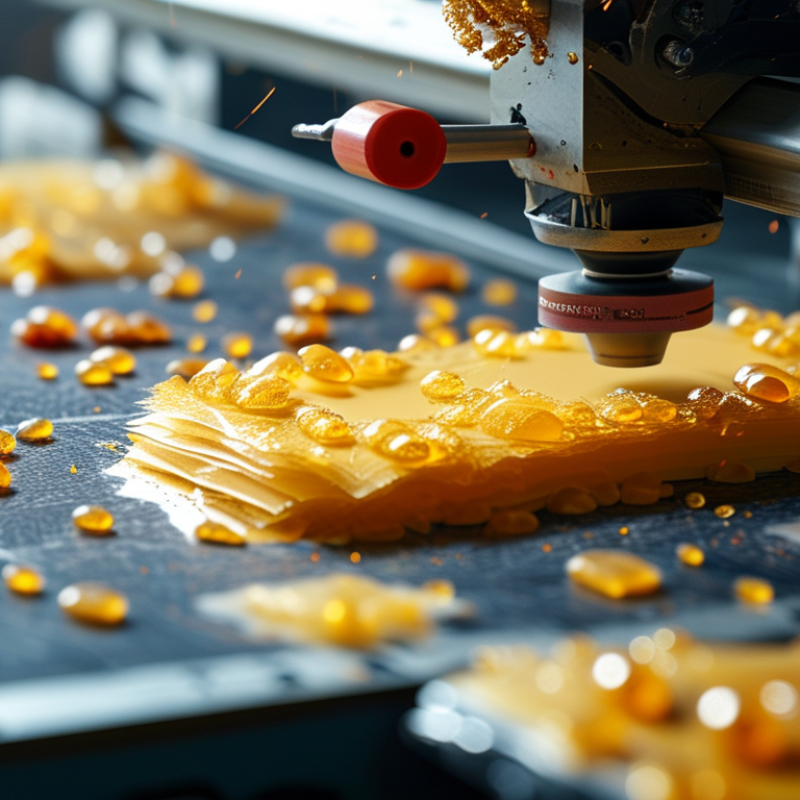
Causes of Static Electricity in Label Die-Cutting Processes
Static electricity in label die-cutting processes is a significant concern for manufacturers. This phenomenon often arises from friction between materials. For instance, paper and plastic materials rubbing together create electrical charges. According to a 2022 industry report, nearly 30% of production delays are linked to static-related issues.
Static charges can lead to several problems. They can cause labels to stick together or misalign during cutting. In some cases, it even leads to equipment malfunctions. Understanding these causes allows manufacturers to implement preventative measures. Proper humidity control and anti-static equipment are essential.
Tip: Maintain humidity levels between 40-60% to reduce static buildup.
Additionally, utilizing grounded workstations can dissipate static charges effectively. The costs of ignoring static electricity can quickly add up, with estimates indicating a potential loss of 10% in productivity annually. Ensuring a comprehensive approach to static management not only boosts efficiency but also enhances product quality.
Tip: Regularly inspect and maintain equipment to minimize static-related issues.
Impact of Material Properties on Static Charge Generation
Static electricity is a prevalent issue in label die-cutting processes. The materials used significantly impact the generation of static charges. For instance, films made from polyethylene often accumulate more static due to their low dielectric strength. In contrast, polyester films exhibit different charging behaviors due to their unique molecular structures. An extensive study indicated that materials with high surface resistivity can lead to increased static build-up, impacting both efficiency and quality.
In the die-cutting process, the interaction between materials can also contribute to charge generation. According to a report from the Institute of Electrical and Electronics Engineers, static charge can vary extensively depending on the speed of operation and environmental conditions. For example, in dry environments, static charges are more likely to reach critical levels. The report suggests maintaining humidity levels between 40% to 60% to mitigate these effects.
Moreover, the properties of adhesives used in labels play a role in static electricity. Certain adhesives can either promote or reduce static accumulation during the cutting process. This often leads to improperly aligned labels, affecting production quality and efficiency. While understanding these nuances, manufacturers can better address the challenges posed by static electricity in label die-cutting.
Why Does Static Electricity Occur in Label Die-Cutting and Fixes? - Impact of Material Properties on Static Charge Generation
| Material Type |
Surface Resistivity (Ohms) |
Static Charge Generation (kV) |
Humidity (% RH) |
Die-Cutting Machine Setting |
| PVC |
10^10 |
5.2 |
40 |
High Speed, Low Pressure |
| Paper |
10^9 |
4.0 |
50 |
Medium Speed, Medium Pressure |
| Polypropylene |
10^12 |
6.8 |
30 |
Low Speed, High Pressure |
| Polyester |
10^11 |
3.5 |
45 |
High Speed, High Pressure |
| Polyethylene |
10^10 |
5.0 |
50 |
Medium Speed, Low Pressure |
Methods to Measure Static Electricity in Label Production
Static electricity can significantly impact label die-cutting and fixes. This phenomenon typically arises from interactions between different materials involved in the production process. For example, friction between label materials and machinery can create an electric charge. This charge can lead to unwanted sticking or misalignment, affecting production efficiency.
Measuring static electricity in label production is crucial. One effective method is using an electrostatic voltmeter, which provides accurate readings of surface charge. Another approach involves using ionizers, which can neutralize static charges. These devices help maintain a controlled environment, ensuring smooth production.
Tips: Monitor humidity levels in the production area regularly. Low humidity can exacerbate static issues. Also, consider placing anti-static mats and using proper grounding to reduce discharge. Regular training for staff on static control techniques is essential. Awareness helps prevent accidents and improves overall safety.
Techniques for Reducing Static Electricity in Die-Cutting
Static electricity can be a significant problem in label die-cutting. It affects the quality of the cut and can cause materials to cling together. This issue arises because of friction between the materials during the cutting process. When the materials rub against each other, they generate electric charges. These charges can attract or repel, leading to complications in handling the cut labels.
To reduce static electricity, several techniques can be applied. One effective method is using ionizers. These devices release ions that neutralize the charges on the materials. They can be placed near the die-cutting machine.
Another approach involves humidity control. Maintaining higher humidity levels can help reduce static buildup. Dry air tends to create more static electricity, so slight adjustments may be beneficial.
Additionally, using anti-static sprays can provide immediate relief from static issues. However, relying solely on sprays may not offer a long-term solution. Regularly cleaning the equipment can also minimize the accumulation of dust and contaminants that contribute to static.
While these techniques can improve your workflow, they are not foolproof. Careful monitoring of the die-cutting environment remains crucial.
Long-term Solutions for Managing Static Electricity in Labeling Operations
Managing static electricity in labeling operations is crucial for efficiency. Static discharge can cause labels to misalign or stick together, leading to production delays. This often occurs in environments with low humidity. In such settings, the friction between surfaces increases, generating static charges.
Implementing long-term solutions requires a thorough understanding of the materials used. Different label stocks have varying static properties. Using conductive or anti-static materials can help mitigate issues. Additionally, maintaining optimal humidity levels can reduce static build-up. Humidifiers can be a practical investment for production areas prone to dryness.
Regular equipment maintenance is essential. Static eliminators should be checked frequently for effectiveness. Operators must be trained to recognize static-related problems. Sometimes, a simple adjustment can enhance performance. Reflecting on current processes is vital to finding better solutions. Engaging with employees can lead to valuable insights. Static electricity management isn't a one-size-fits-all approach. It requires adaptability and open-mindedness.
Static Electricity Occurrence in Label Die-Cutting and Fixes
This bar chart illustrates the percentage of static electricity occurrences in various labeling operations over a year. It highlights the most affected processes and offers insights into long-term solutions for managing static electricity in label die-cutting and fixing.
Conclusion
Static electricity is a common issue faced in label die-cutting processes, raising the question of "why does static electricity happen during label die-cutting and how to fix it." The generation of static charge can be attributed to various factors, including the properties of materials used and the conditions under which the die-cutting occurs. Material surfaces can accumulate static due to friction and separation during handling, leading to operational inefficiencies and quality concerns.
To address this issue, it is essential to implement effective measurement techniques for static electricity within label production. Various methods can quantify static charge, enabling operators to identify problem areas. Techniques for mitigating static electricity, such as ionization and humidity control, play a critical role in minimizing its impact. Additionally, long-term solutions involve developing comprehensive management strategies that ensure consistent operation in labeling operations, ultimately leading to improved quality and efficiency.

 Moveco Machine