Engineered for high-speed accuracy and seamless integration with print inspection modules
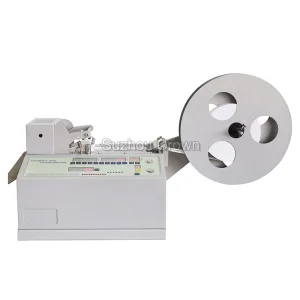
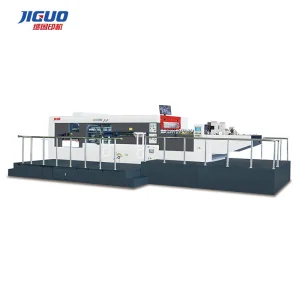
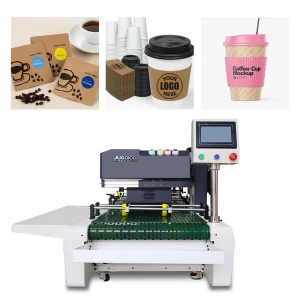
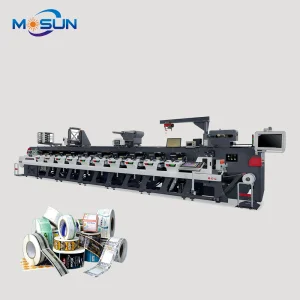
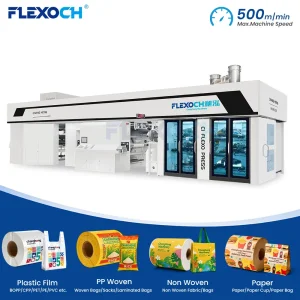
In the contemporary packaging and printing sectors, automated optical inspection (AOI) is no longer an optional luxury—it is an operational prerequisite. High-speed roll-to-roll labels, flexible packaging, and electronic films demand zero-defect tolerances. Brands across pharmaceuticals, cosmetics, and consumer packaged goods (CPG) impose strict penalties for defective barcodes, color shifts, or missing variable data. This has elevated Print Quality Inspection Technology to the forefront of manufacturing priorities.
Modern print inspection systems utilize high-resolution line scan cameras (up to 8K or 16K resolution) coupled with specialized LED backlighting architectures to detect microscopic anomalies. From registration shifts and streaks to color deviations (ΔE tracking) and surface voids, these technologies cross-examine the physical output against the original golden PDF master template in real-time. By bridging the gap between web inspection and slitting-converting lines, manufacturers achieve a seamless feedback loop that maximizes yield and slashes waste material costs.
Architectural modularity is essential for custom OEM systems integrated into diverse press models
Linear CCD and CMOS camera arrays engineered for seamless OEM mounting. Support for multi-camera synchronization allows ultra-wide web inspection configurations without blind spots.
Sub-millisecond processing pipelines executing complex vision tasks on dedicated hardware. Local industrial PCs process high data-throughput streams with zero buffering delay.
Deep PLC-level integration synchronizing web tensioning, servo positioners, and digital markers to isolate defects and trigger inline cutting or sorting devices on the fly.
For custom OEM requirements, systems must adapt to variable substrates, including reflective metallic foils, clear-on-clear films, and corrugated carton board. Multi-angle LED lighting geometries (coaxial, dome, low-angle) are customized to suppress glare while highlighting surface relief defects. Intelligent algorithms automatically adapt to substrate distortions caused by tension variations, ensuring high inspection accuracy remains constant during deceleration or acceleration phases of the printing press.
Guangdong Moveco Machine Co., Ltd. is a professional manufacturer specializing in the research, development, production, and sales of advanced label printing, converting, and finishing equipment. With years of industry experience, state-of-the-art manufacturing facilities, and a highly skilled engineering team, Moveco is committed to providing innovative, efficient, and reliable solutions for the global label printing industry.
Our company has introduced advanced CNC machining equipment, including high-precision lathes, milling machines, grinding machines, and other precision processing systems. Supported by experienced technical professionals and a strict quality management system, every machine is manufactured to meet international quality standards, ensuring excellent performance, long service life, and reliable operation.
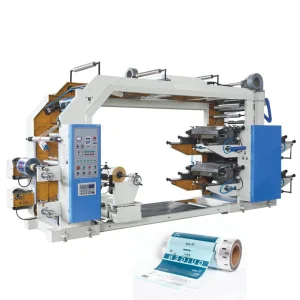
Moveco integrates advanced automation and intelligent control technologies into its equipment. Our machines are equipped with user-friendly touch-screen control systems, precision servo drive technology, and intelligent registration systems to achieve stable operation, accurate color registration, and high-speed production with outstanding printing quality. Different substrate tensions can be adjusted through the control interface, while automatic inking, washing, and quick-change cylinder systems significantly improve production efficiency and reduce downtime.
The main machine frame is manufactured through one-piece precision casting and undergoes annealing treatment to eliminate internal stress, ensuring exceptional structural stability and long-term accuracy. Key transmission components are driven by internationally recognized servo motors, providing high torque, low heat generation, minimal wear, and precise motion control. Surface-treated chrome-plated cylinders offer excellent scratch resistance, durability, and consistent printing performance.
Adhering to the philosophy of "Innovation, Quality, Efficiency, and Customer Success," Guangdong Moveco Machine Co., Ltd. continuously invests in technological development and product innovation. We are dedicated to providing customers with high-performance machinery, customized solutions, comprehensive technical support, and responsive after-sales service.
Precision manufacturing operations ensuring structural integrity and mechanical alignment
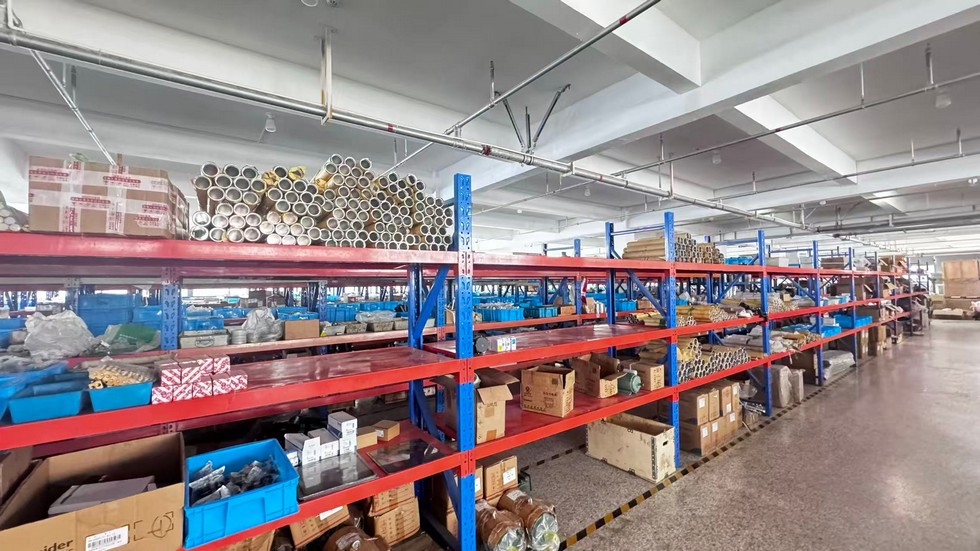
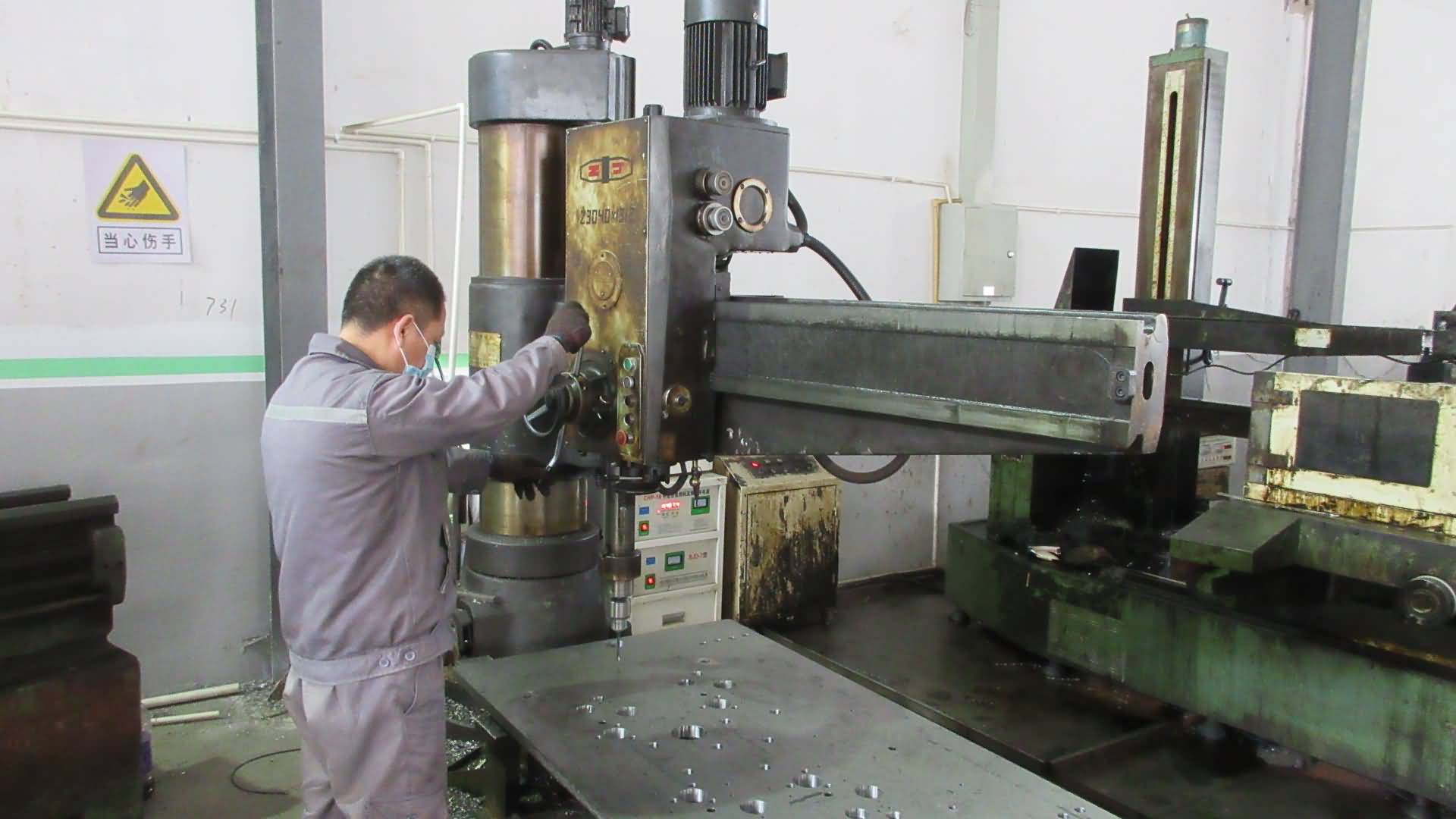
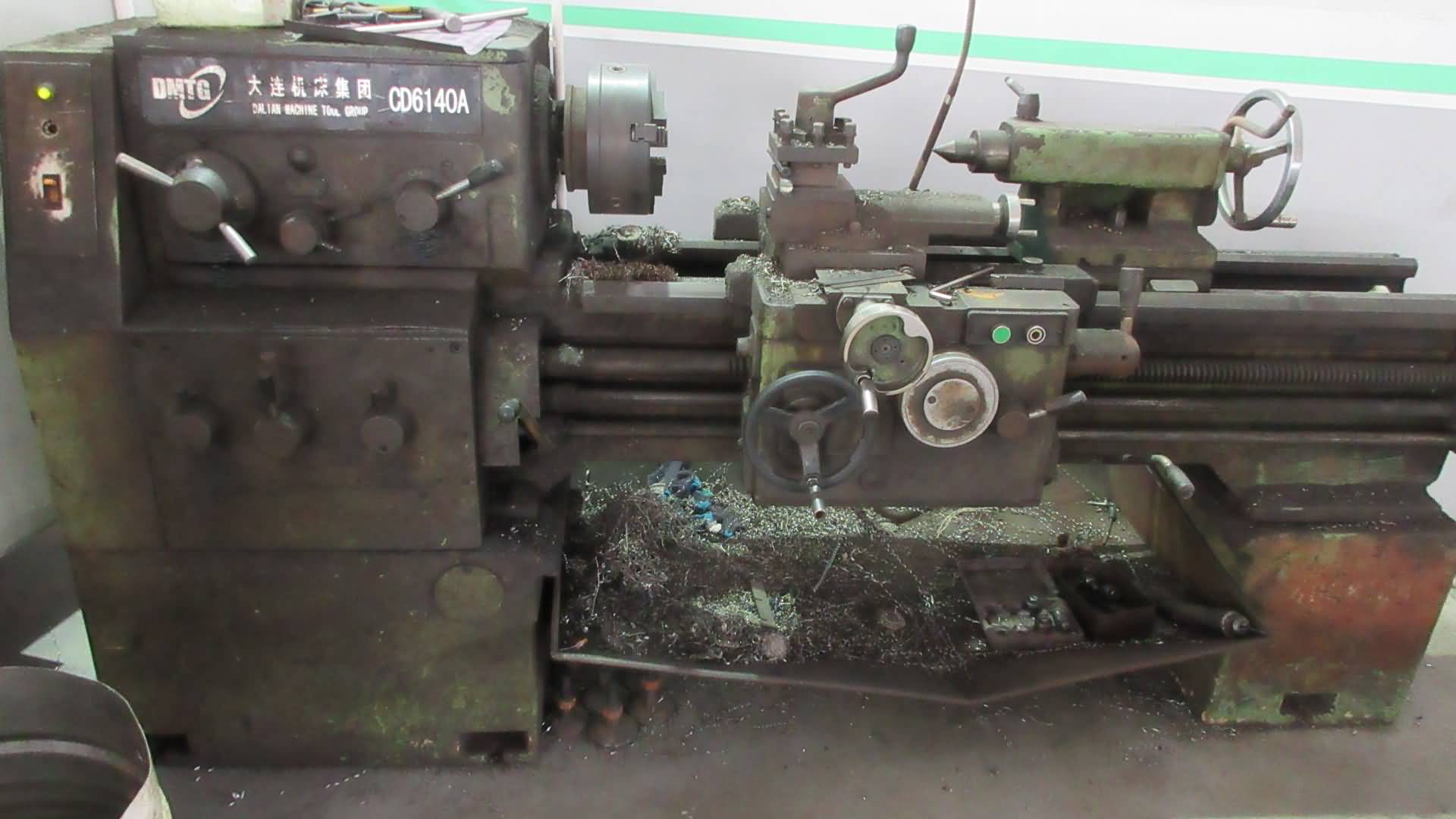
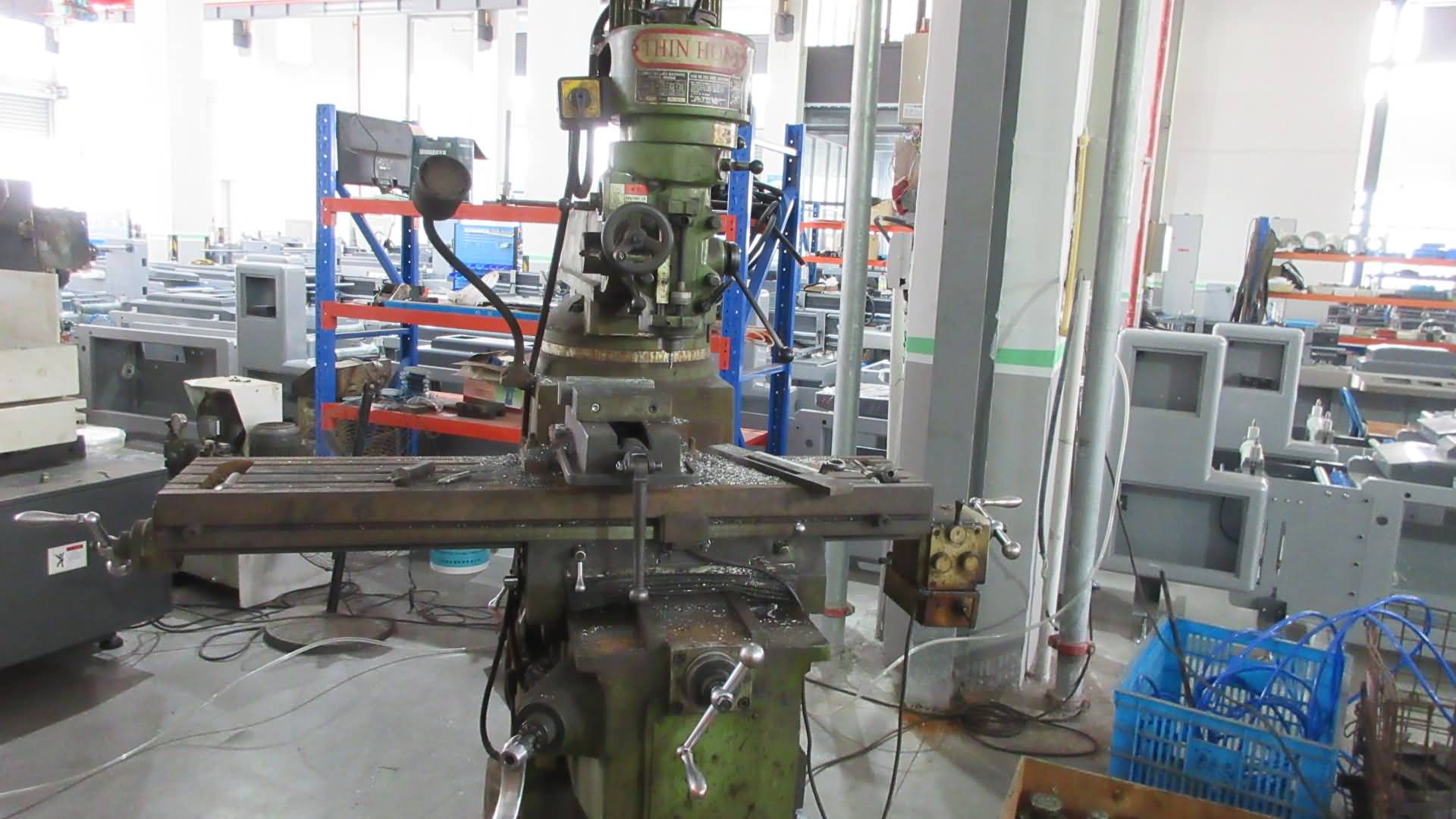
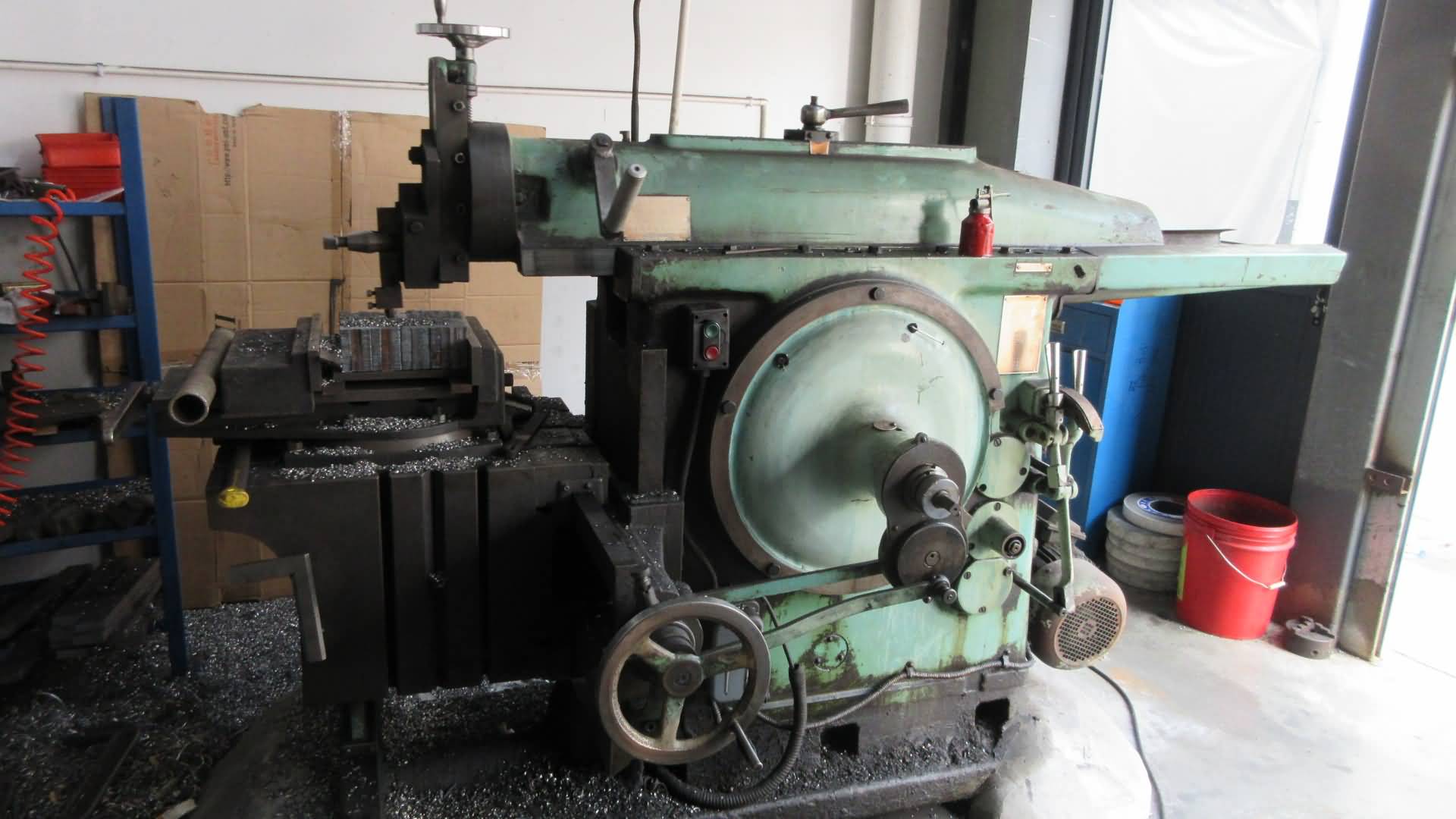
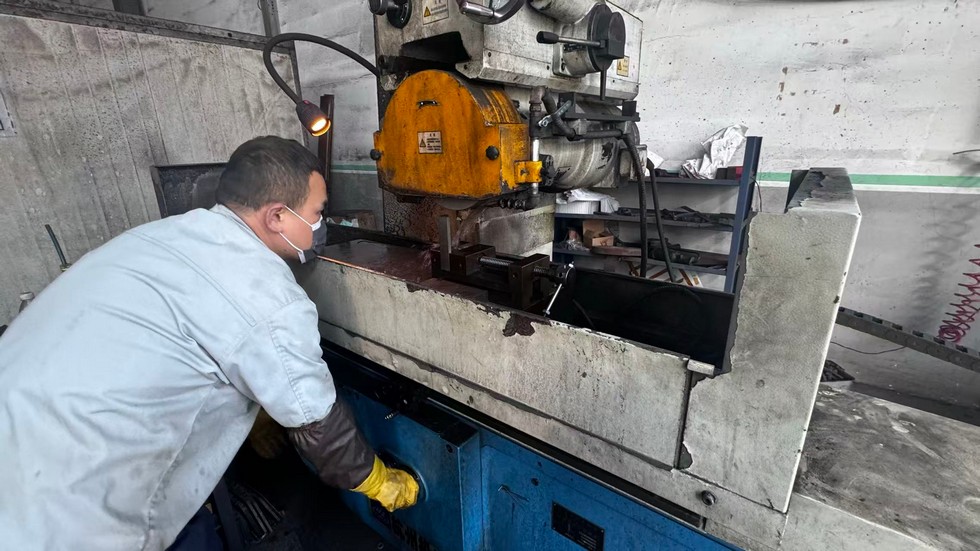
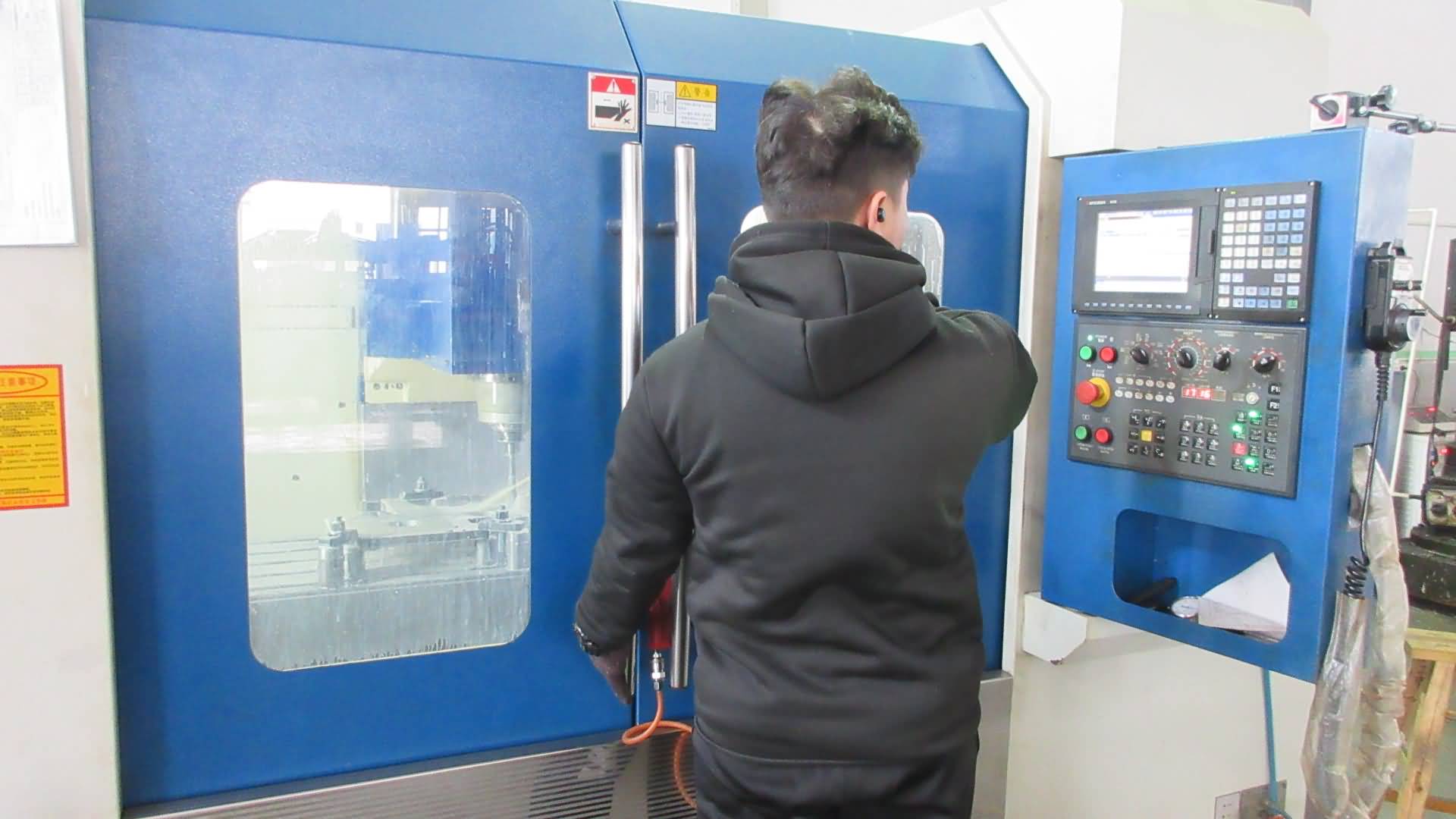
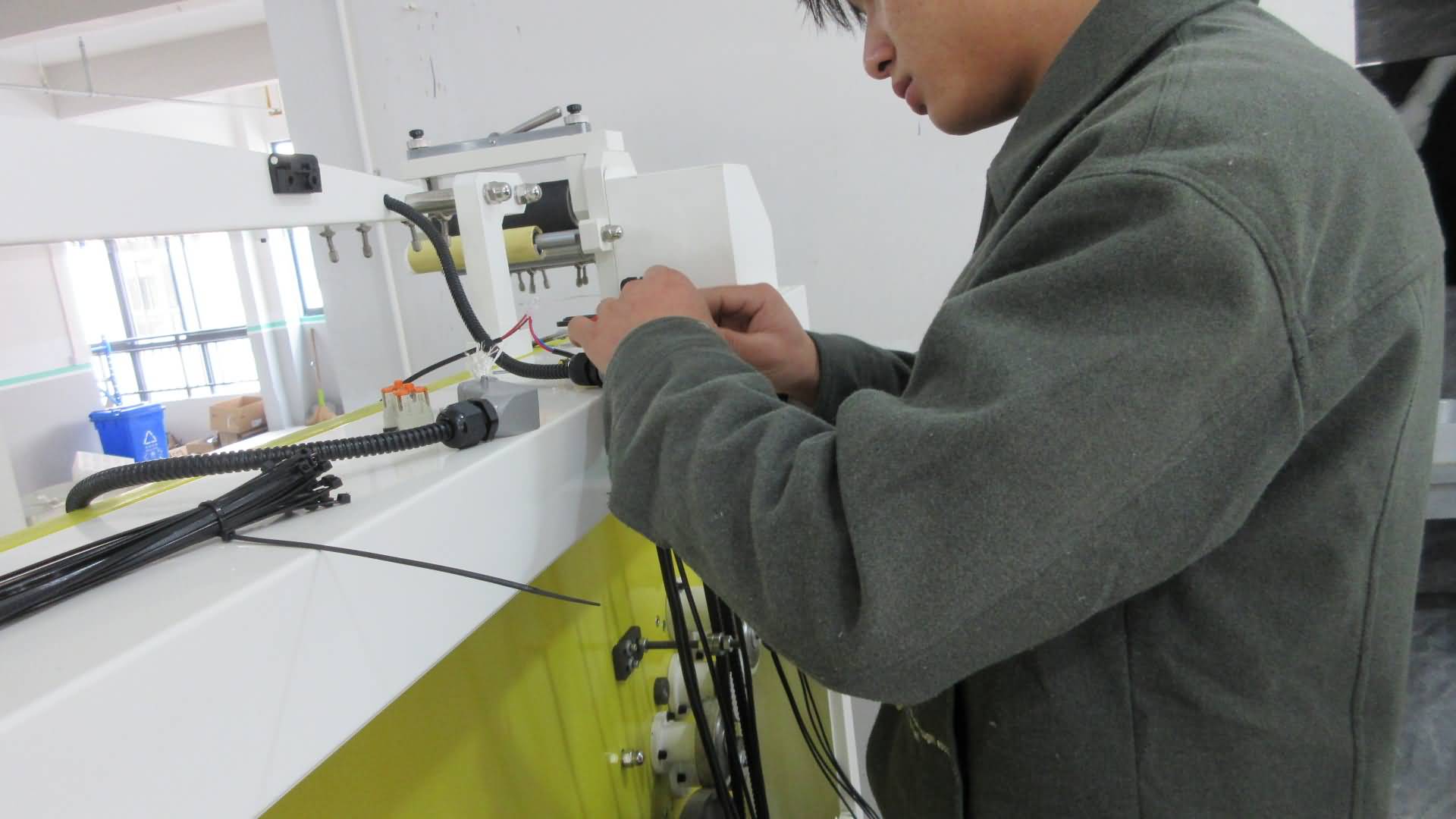
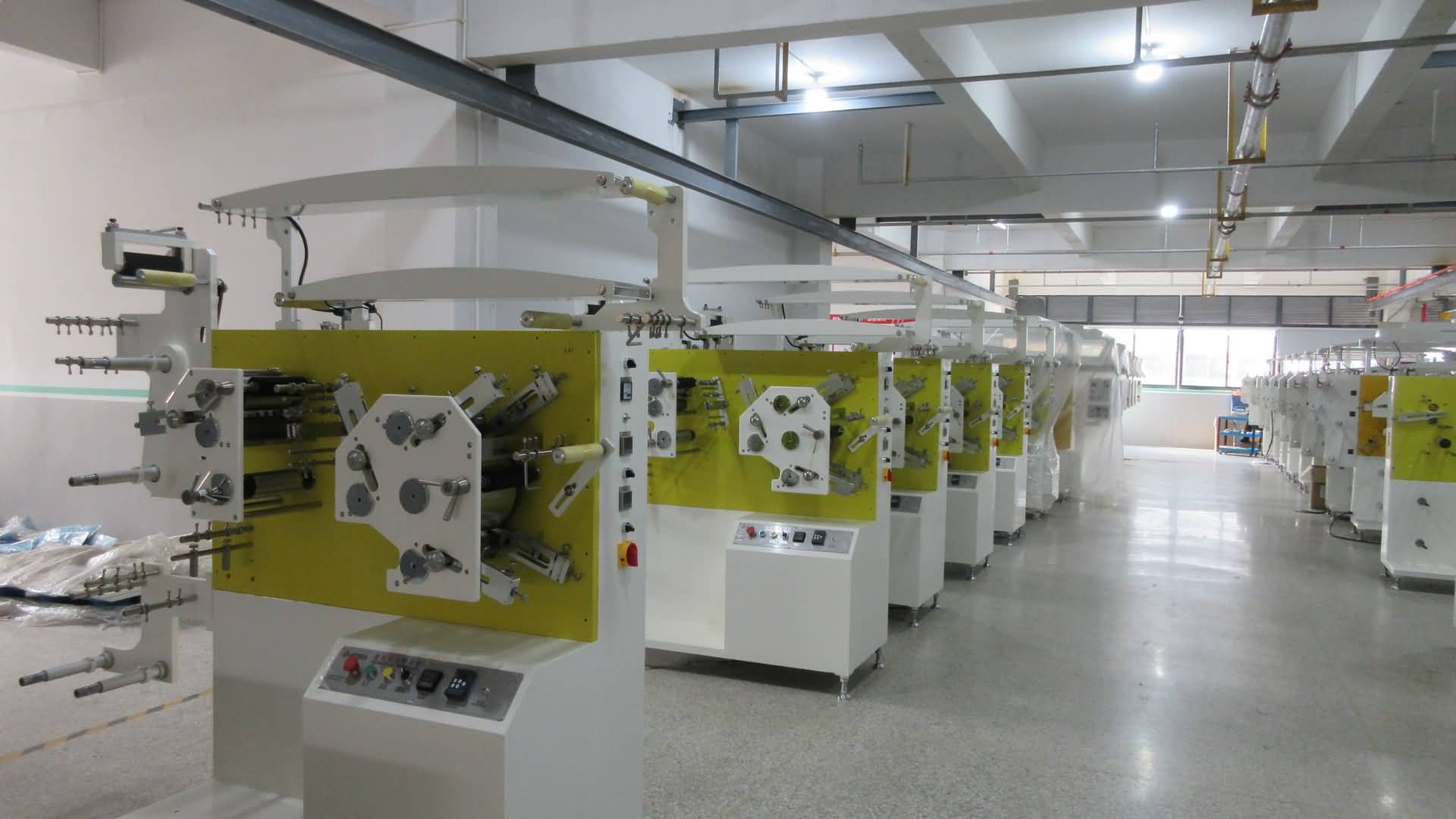
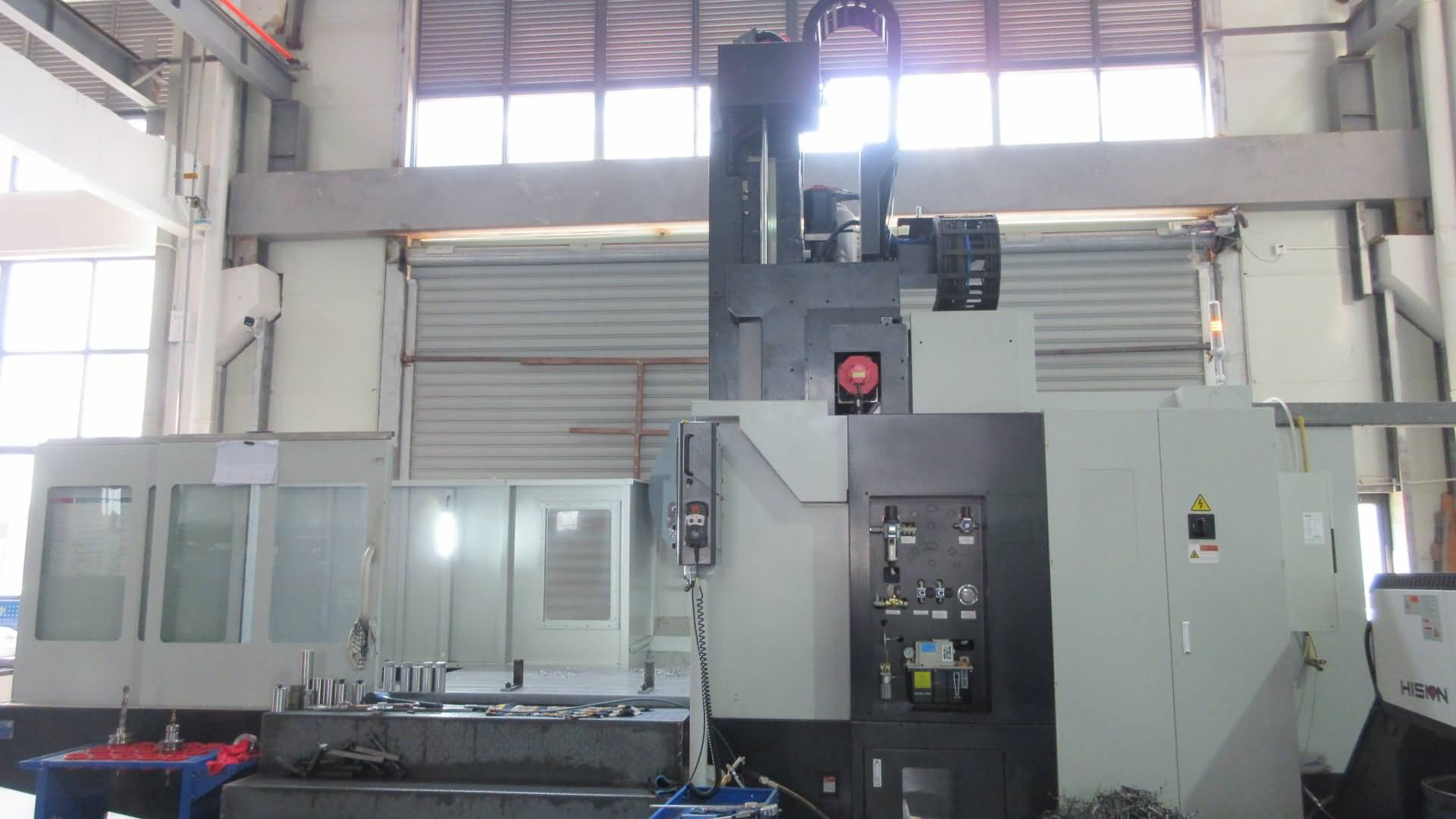
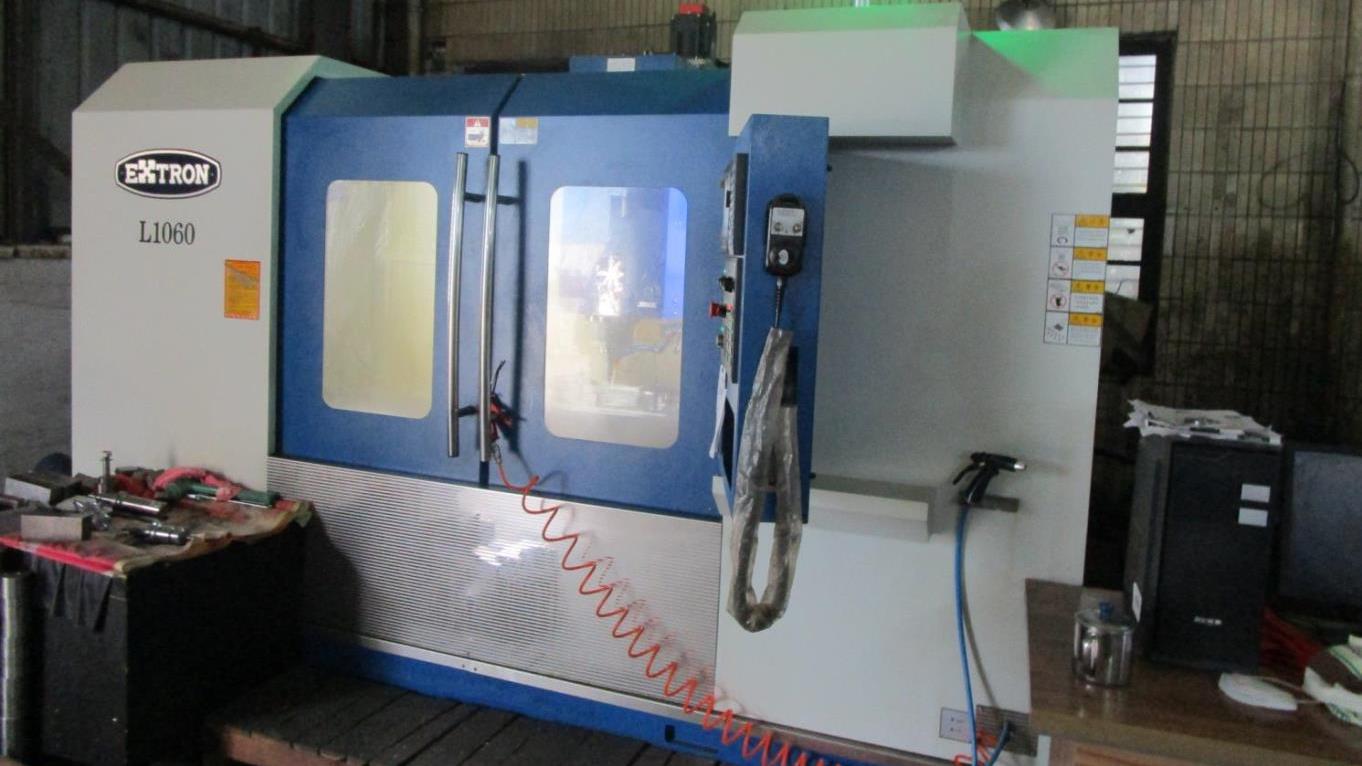
Understanding the economics of manufacturing high-speed print quality inspection equipment requires a close examination of the Chinese industrial ecosystem. The primary advantage of a Chinese OEM supplier like Guangdong Moveco Machine Co., Ltd. extends beyond direct labor rates; it centers on a dense, vertically integrated component supply chain and rapid hardware prototyping speeds.
Located in Guangdong's advanced manufacturing corridor, Moveco has immediate access to precision raw material casting, high-tolerance surface treatment specialists, and state-of-the-art electronic component suppliers. By handling milling, grinding, drilling, and assembly internally, we maintain close control over quality checkpoints. This integration reduces production turnaround times for custom machine configurations by up to 40% compared to Western counterparts.
Unlike light, bolted aluminum extrusion structures that warp under high web tension, Moveco frames utilize heavy cast iron. The raw frames undergo thermal annealing treatments to eliminate residual internal stresses. This structural stability prevents microscopic shifts and vibrations, which is essential when deploying 8K camera inspection technology where even a 10-micron deviation can corrupt image analysis algorithms.
While mechanical engineering is handled in-house, electrical control reliability is achieved by sourcing key components from global automation leaders. Multi-axis servo drives, PLCs, and touchscreen interfaces ensure international field service compatibility and parts replacement, keeping down-time minimal for international factories.
Print Quality Inspection systems find critical utility across several specialized industrial segments, each posing unique engineering challenges:
In the pharmaceutical sector, defect inspection is critical for regulatory compliance. Systems must perform inline variable data printing (VDP) inspection, verifying serialization codes, expiration dates, and 2D datamatrix codes down to 100% readability. Missing print or a smudged letter in dosage instructions can lead to product recalls. Advanced vision systems must include OCR (Optical Character Recognition) capabilities to read text and cross-reference it against active ERP system batches.
Converting BOPP, PET, and PVC plastic films involves thin, highly elastic substrates. Material stretching can alter the printed repeat distance, causing false defect alerts on standard inspection software. Moveco's intelligent tension compensation modules synchronize web tension directly with the camera's shutter timing. This setup ensures that stretch variations are compensated for, allowing accurate fault isolation in food packaging and high-speed flexible films.
Modern battery production, including 18650 lithium cells, requires precision cutting of insulation wraps and metallic connection strips. Integrating quality inspection into these machines ensures that only dimensionally accurate label components advance to cell assembly. Defective adhesive strips, scratch marks on insulation layers, or structural tears are automatically identified, and the cutter segregates them immediately to safeguard high-density battery safety.
Procurement teams sourcing print quality inspection equipment face a complex checklist. The decision involves balancing initial capital expenditure against long-term maintenance costs and integration ease. Key procurement priorities include:
Most plants run a mix of printing presses, including legacy mechanical machines and modern servo-driven units. A one-size-fits-all inspection unit is rarely practical. Buyers seek OEM partners capable of designing customized mounting brackets, tailored web paths, and custom software interfaces that fit within existing floor spaces.
With frequent job changeovers in short-run label printing, prepress staff cannot afford complex calibration procedures for every run. Modern inspection systems feature quick-load templates. By importing the vector PDF of the print job, the machine automatically configures inspection zones, tolerances, and barcode locations, reducing setup times to under two minutes.
Production downtime is costly. Buyers prioritize OEMs that use standard, globally available industrial components. By utilizing Schneider, Siemens, Yaskawa, or Omron parts, maintenance teams can source replacements locally if an urgent issue arises, avoiding reliance on long-distance component shipments.
Technical guidance and system selection advice from our engineering team
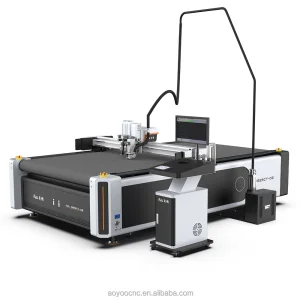
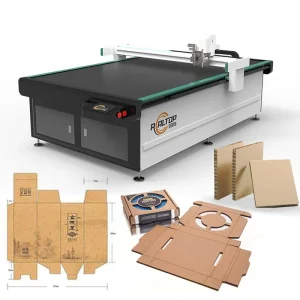
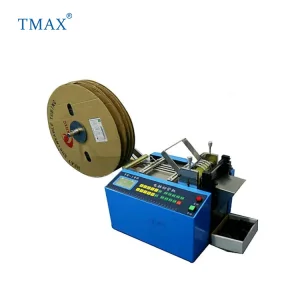
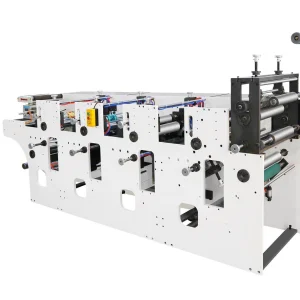
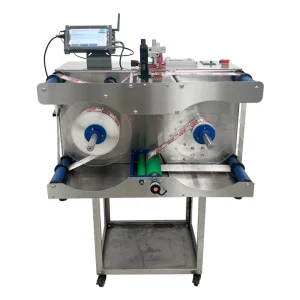
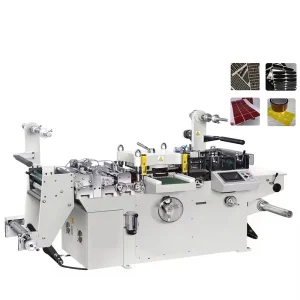
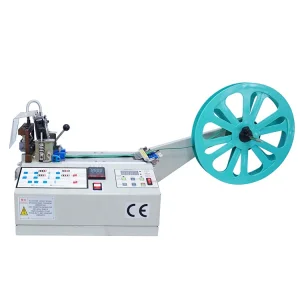
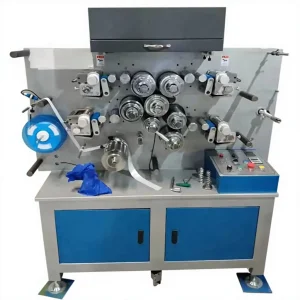
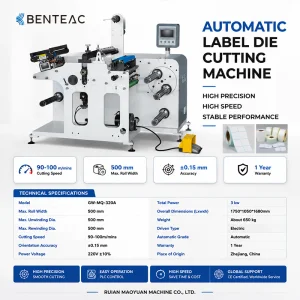
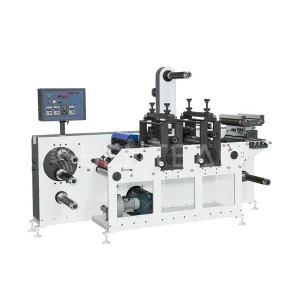
Durable rewinders, high-speed cutters, and die-cutting machines optimized for inspection integration
 Moveco Machine