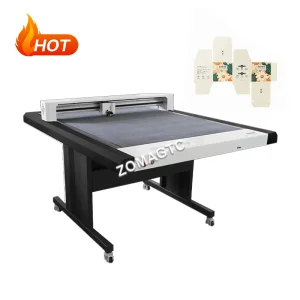
Automatic Flatbed Label Die-Cutting Machine Factories & Suppliers for the Tokyo Market

High-Precision, Smart Converting Solutions Tailored for the Demanding Printing Infrastructure of Koto, Sumida, and the Greater Kanto Industrial Hubs

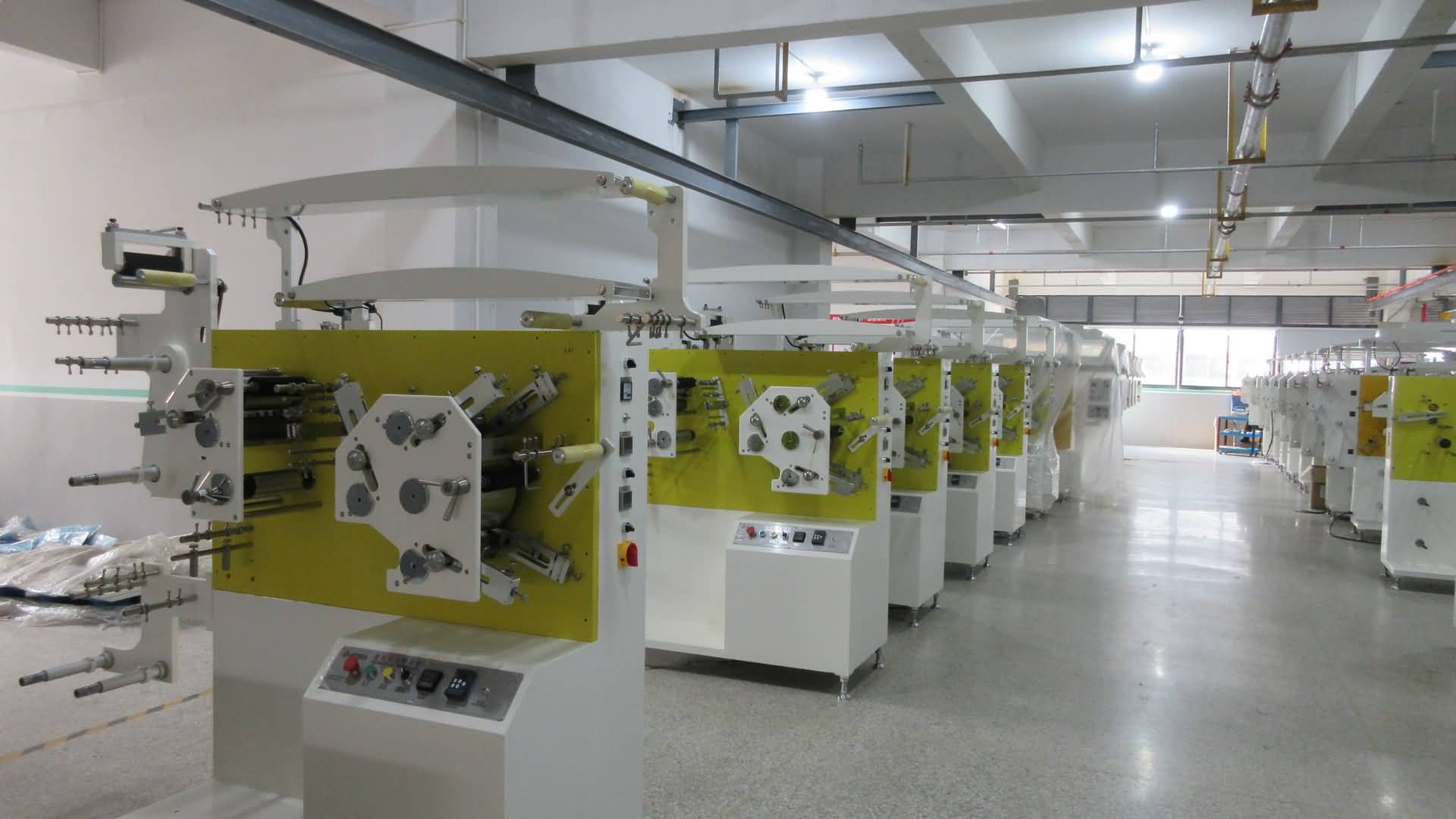
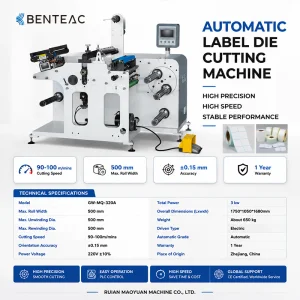
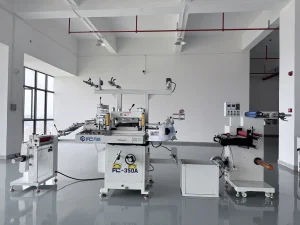
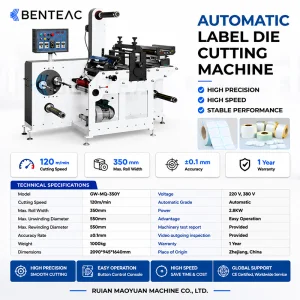
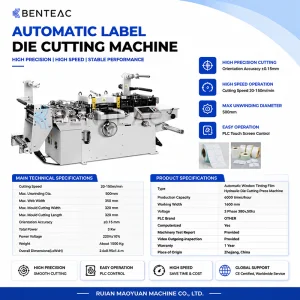
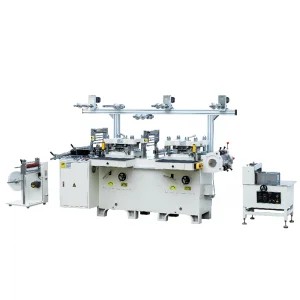
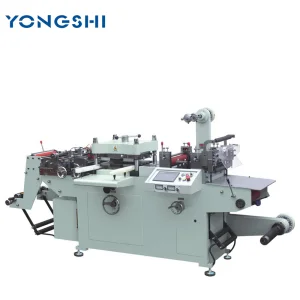
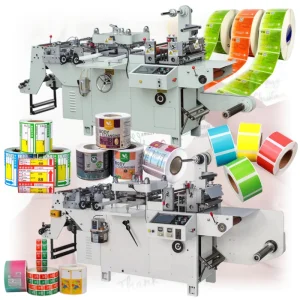
Featured Precision Die-Cutters for the Tokyo Label Market

Tokyo's packaging and labeling markets demand near-zero error margins, high material versatility, and unmatched productivity. Our flagship flatbed converters deliver consistent kiss-cut and through-cut accuracy, ideal for Ginza's luxury cosmetic packaging, Shinjuku's food and beverage labeling, and Ota's electronic precision gaskets.

Get Dynamic Specs & Local Tokyo Pricing Support

Tokyo's Dynamic Commercial & Industrial Fabric

Tokyo remains one of the world's most dense and sophisticated logistical hubs. In historical print-centric zones such as Sumida-ku, Koto-ku, and Bunkyo-ku, the physical floor space of manufacturing facilities carries a premium cost. Unlike large-scale rural factories, Tokyo-based boutique converters and industrial label producers run highly optimized, compact micro-factories. The demand has decisively shifted toward high-output, small-footprint machinery that offers quick changeovers and minimal mechanical waste.
Furthermore, Japan's domestic regulatory landscape imposes stringent requirements. The Tokyo Metropolitan Government enforces rigorous noise limits, energy efficiency guidelines, and occupational safety protocols. Our automatic flatbed label die-cutting machines address these concerns directly: by combining low-decibel servo drives, high-integrity physical safety cages, and a heavy-duty structural build that dampens vibrations, these machines operate perfectly within urban industrial zones.
±0.05mm
Registration Precision
350 pcs/m
Max Cutting Speed
100%
Optical Mark Detection
15 Mins
Average Set-up Time
Moreover, the shift toward personalization in Ginza’s cosmetics retailers, Nihonbashi’s craft sake distillers, and Akihabara's precision component manufacturers requires a level of versatility that conventional rotary die-cutters struggle to match. A flatbed die-cutter allows operators to utilize highly cost-efficient wooden board dies (flatbed dies) instead of expensive rotary steel dies. This reduces upfront tooling costs by up to 85%, allowing Tokyo suppliers to accept short-run orders (from 500 units up to 10,000 units) with rapid profit margins and exceptionally fast turnaround cycles.

Guangdong Moveco Machine Co., Ltd.: Master Craftsmanship Behind Every Cut

For Tokyo-based operators, procuring equipment directly from Guangdong Moveco Machine Co., Ltd. marries top-tier CNC-machined structural integrity with a highly agile industrial supply chain.
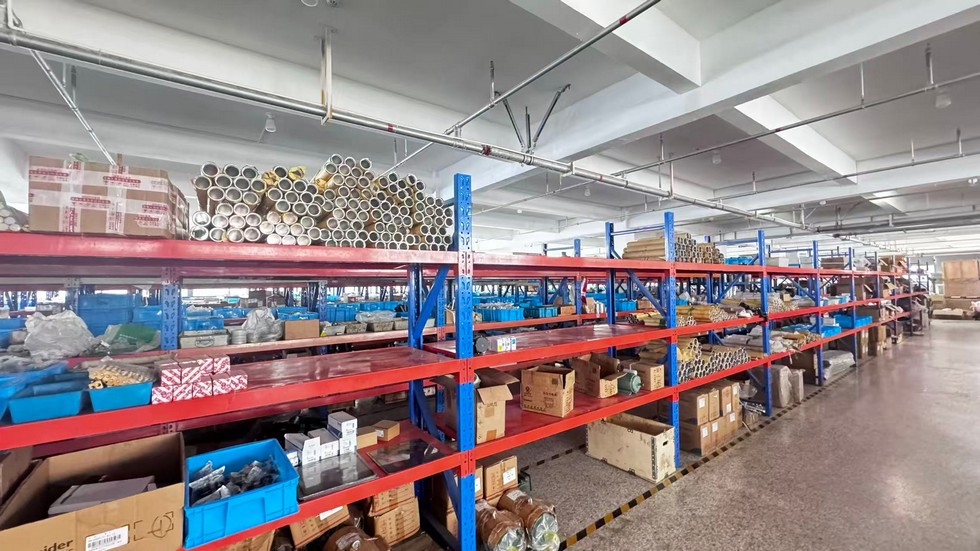
Guangdong Moveco Machine Co., Ltd. is a professional manufacturer specializing in the research, development, production, and sales of advanced label printing, converting, and finishing equipment. With years of industry experience, state-of-the-art manufacturing facilities, and a highly skilled engineering team, Moveco is committed to providing innovative, efficient, and reliable solutions for the global label printing industry.
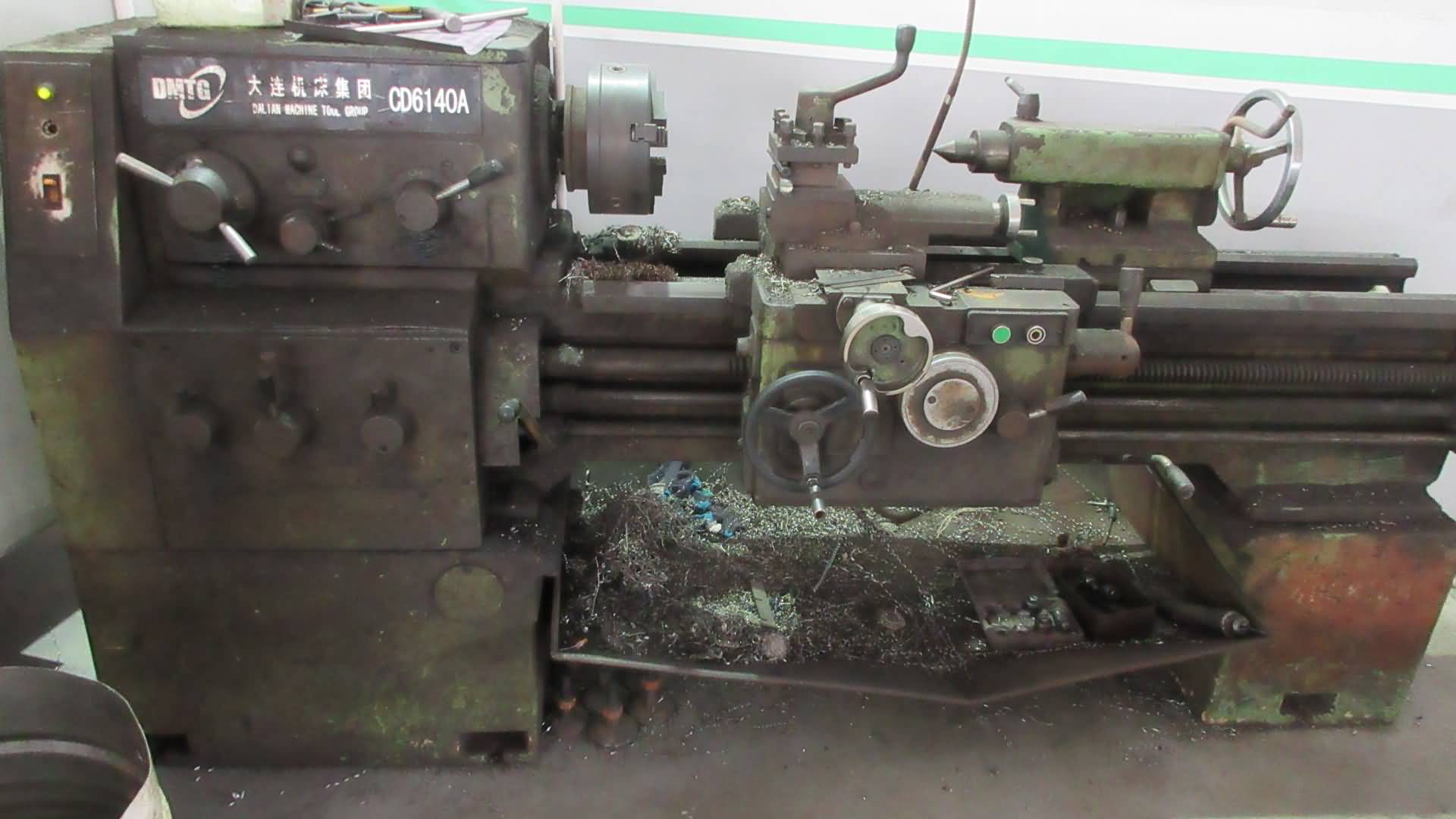
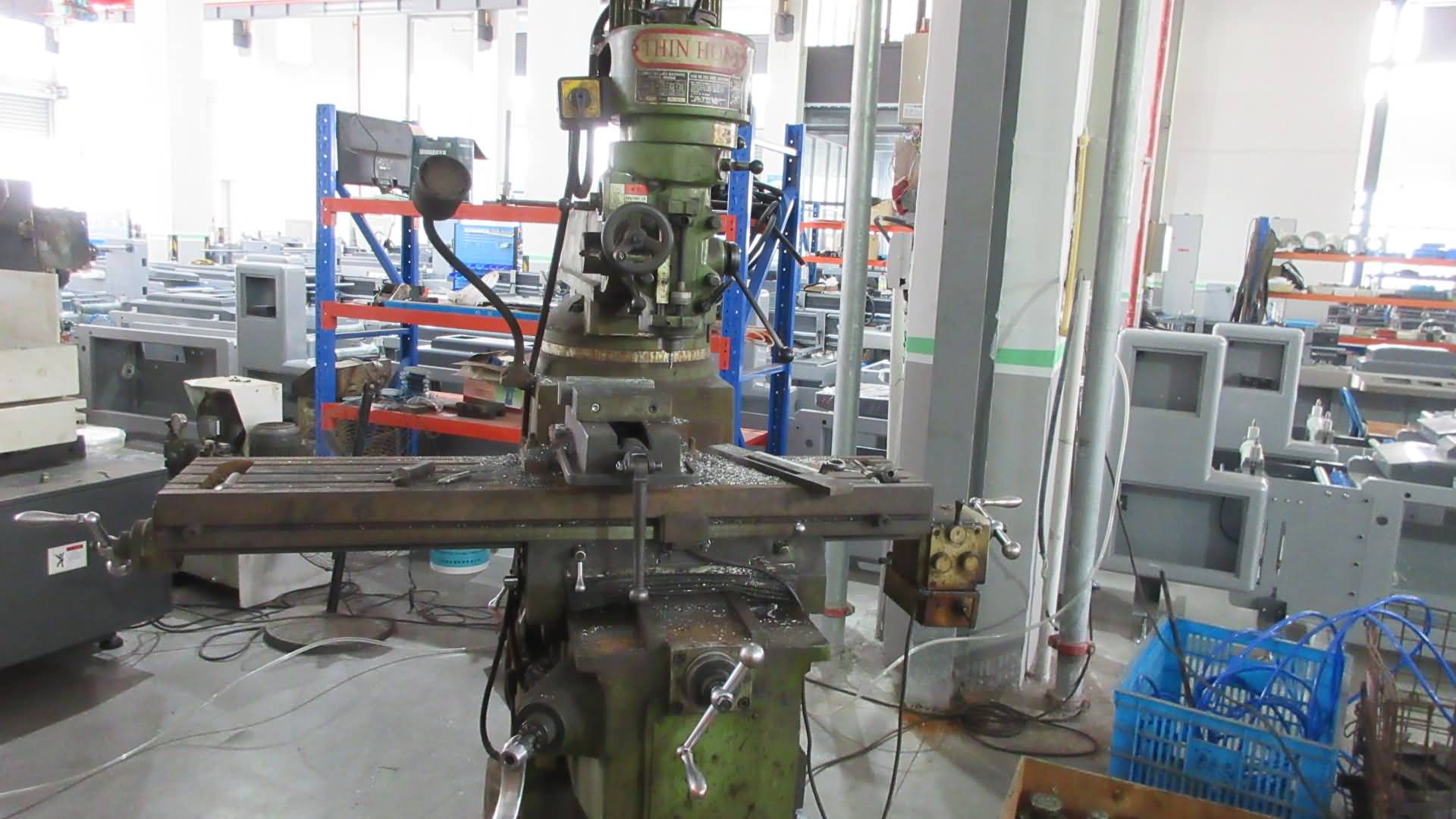
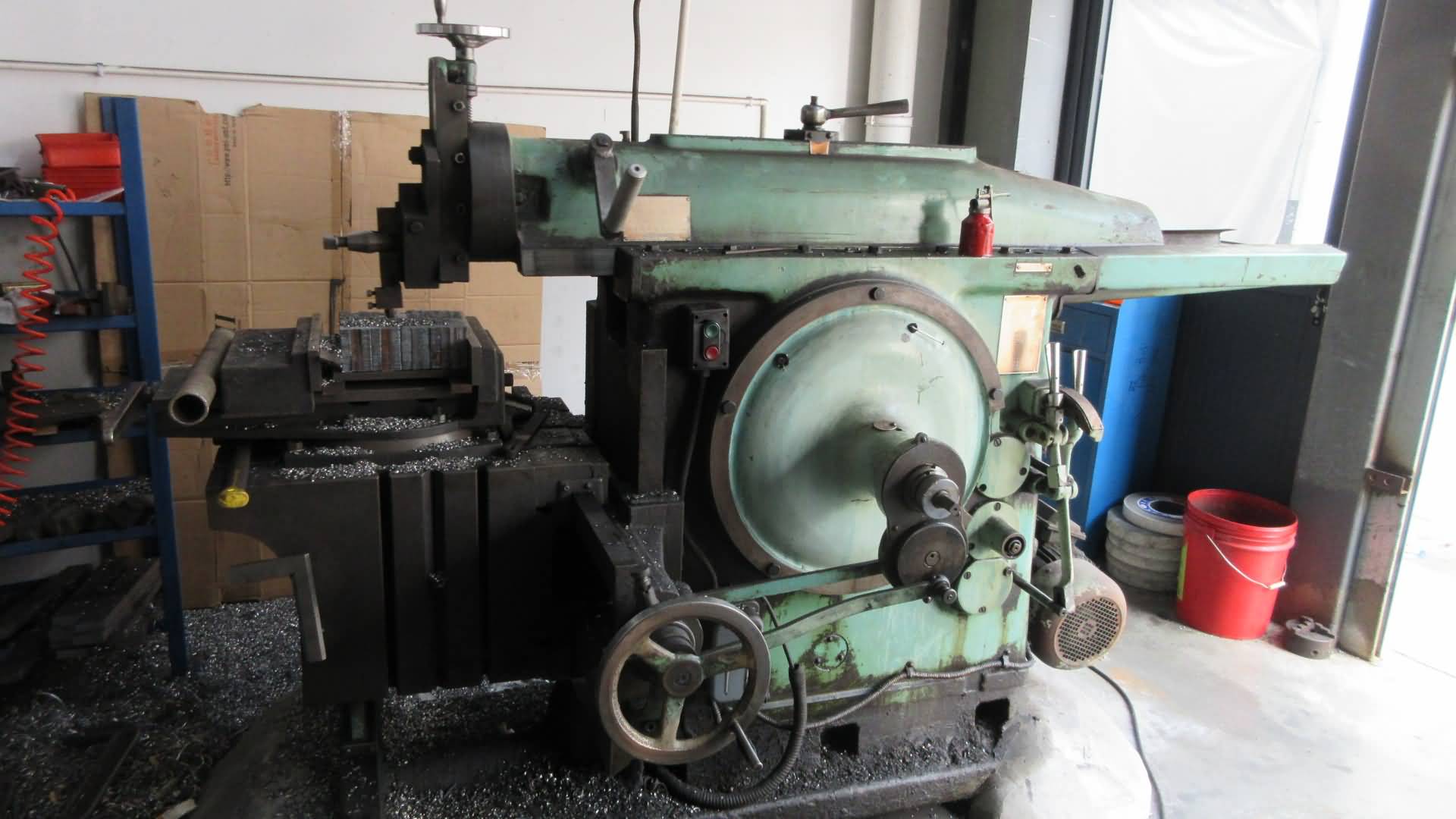
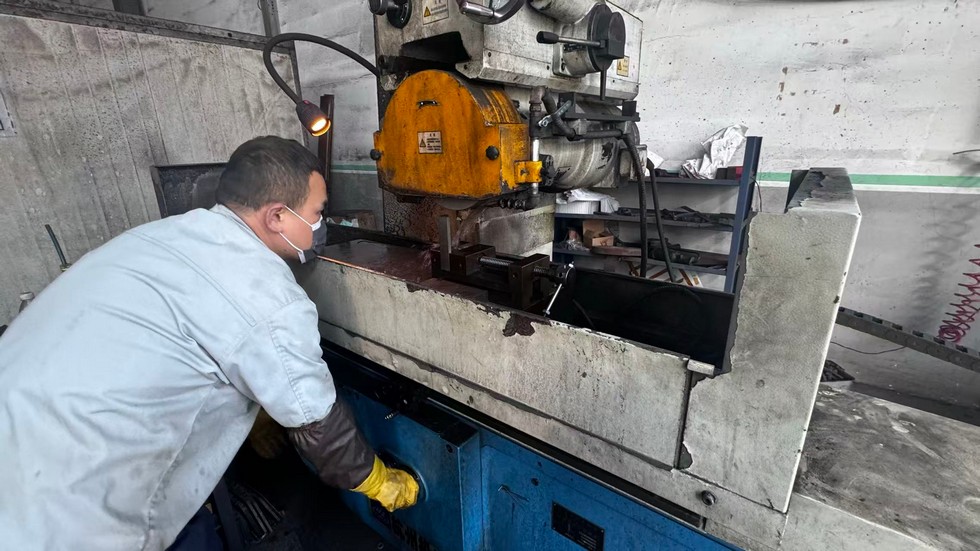
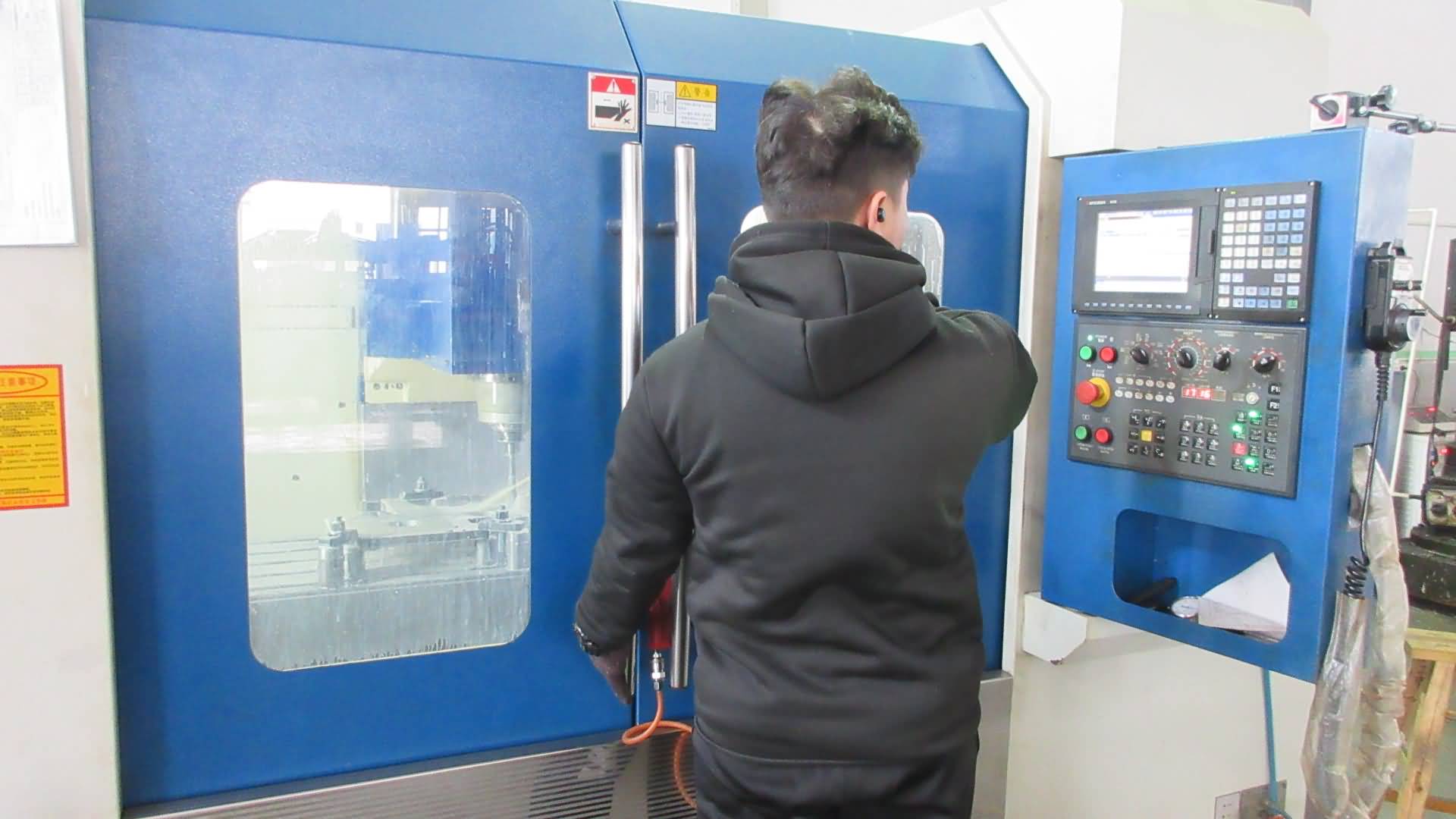
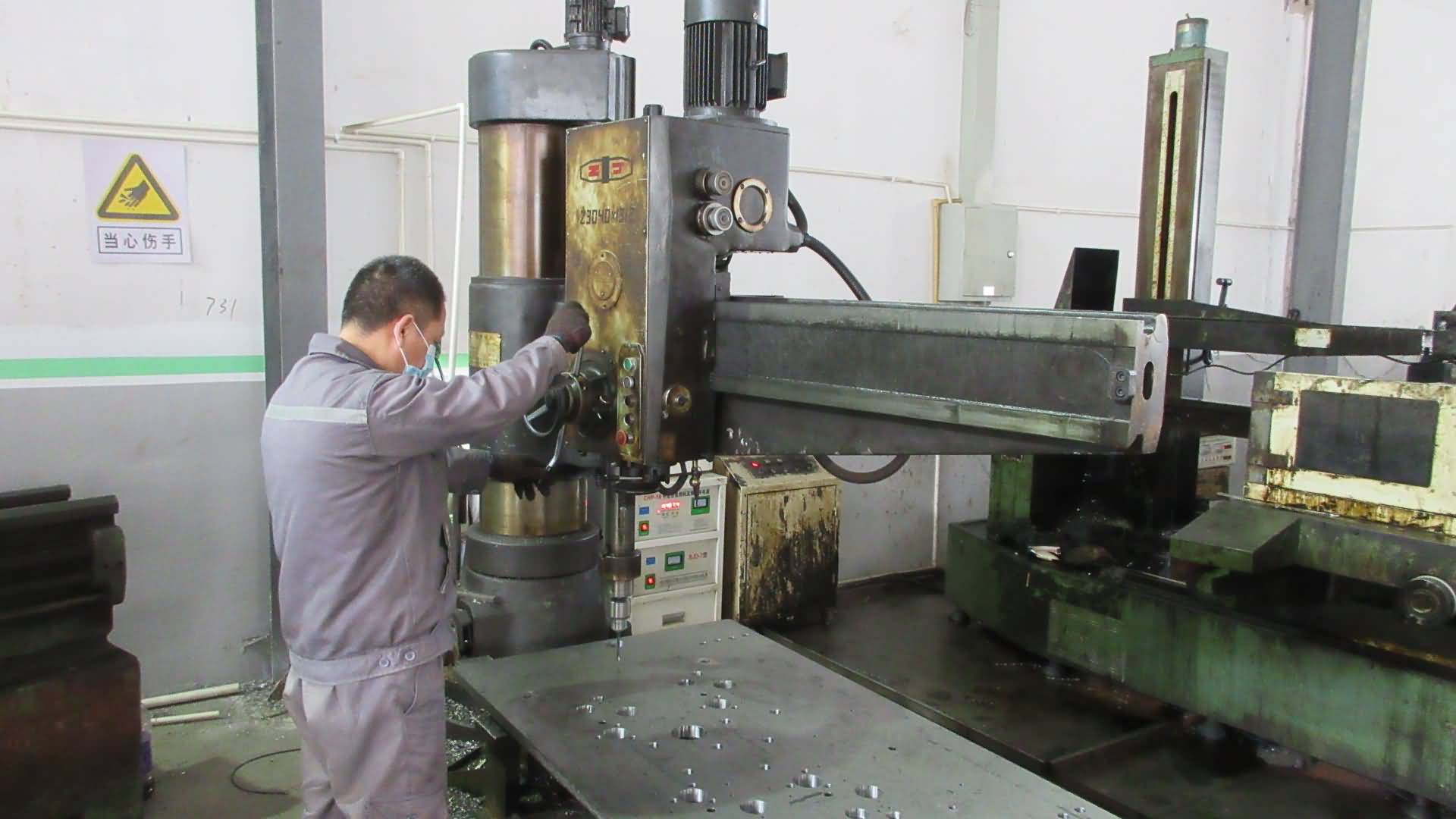
Our company has introduced advanced CNC machining equipment, including high-precision lathes, milling machines, grinding machines, and other precision processing systems. Supported by experienced technical professionals and a strict quality management system, every machine is manufactured to meet international quality standards, ensuring excellent performance, long service life, and reliable operation.
Moveco integrates advanced automation and intelligent control technologies into its equipment. Our machines are equipped with user-friendly touch-screen control systems, precision servo drive technology, and intelligent registration systems to achieve stable operation, accurate color registration, and high-speed production with outstanding printing quality. Different substrate tensions can be adjusted through the control interface, while automatic inking, washing, and quick-change cylinder systems significantly improve production efficiency and reduce downtime.
The main machine frame is manufactured through one-piece precision casting and undergoes annealing treatment to eliminate internal stress, ensuring exceptional structural stability and long-term accuracy. Key transmission components are driven by internationally recognized servo motors, providing high torque, low heat generation, minimal wear, and precise motion control. Surface-treated chrome-plated cylinders offer excellent scratch resistance, durability, and consistent printing performance.

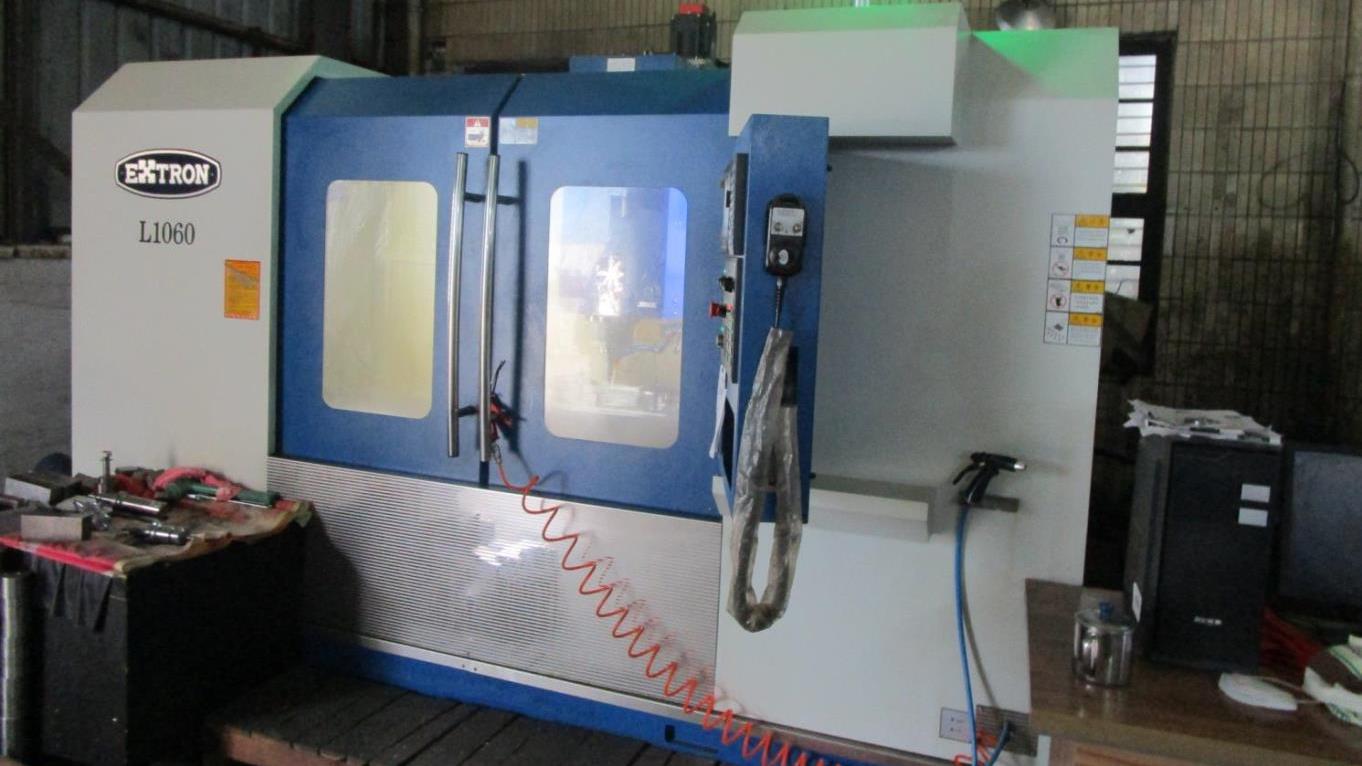
Internal CNC Milling, Lathes & Production Environment

Raw Material Processing
Raw Material Storage
Drilling Department
Precision Drilling
Lathing Shop
Advanced Lathing
Milling Stage
CNC Milling Setup
Grinding Operations
High-Accuracy Grinding
Laser Cutting Area
Laser Cutting Unit
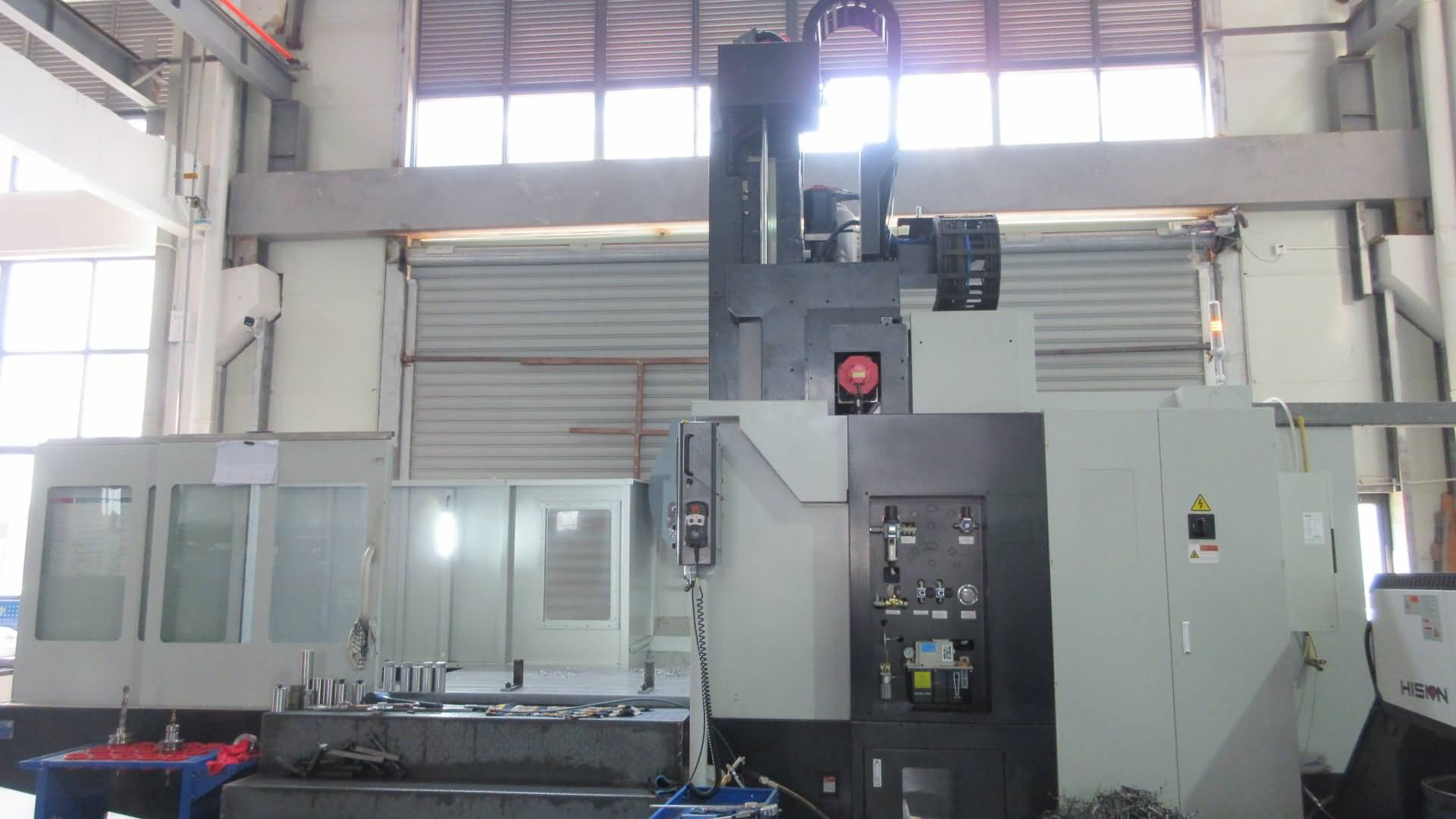
Machining Center
Heavy CNC Machining
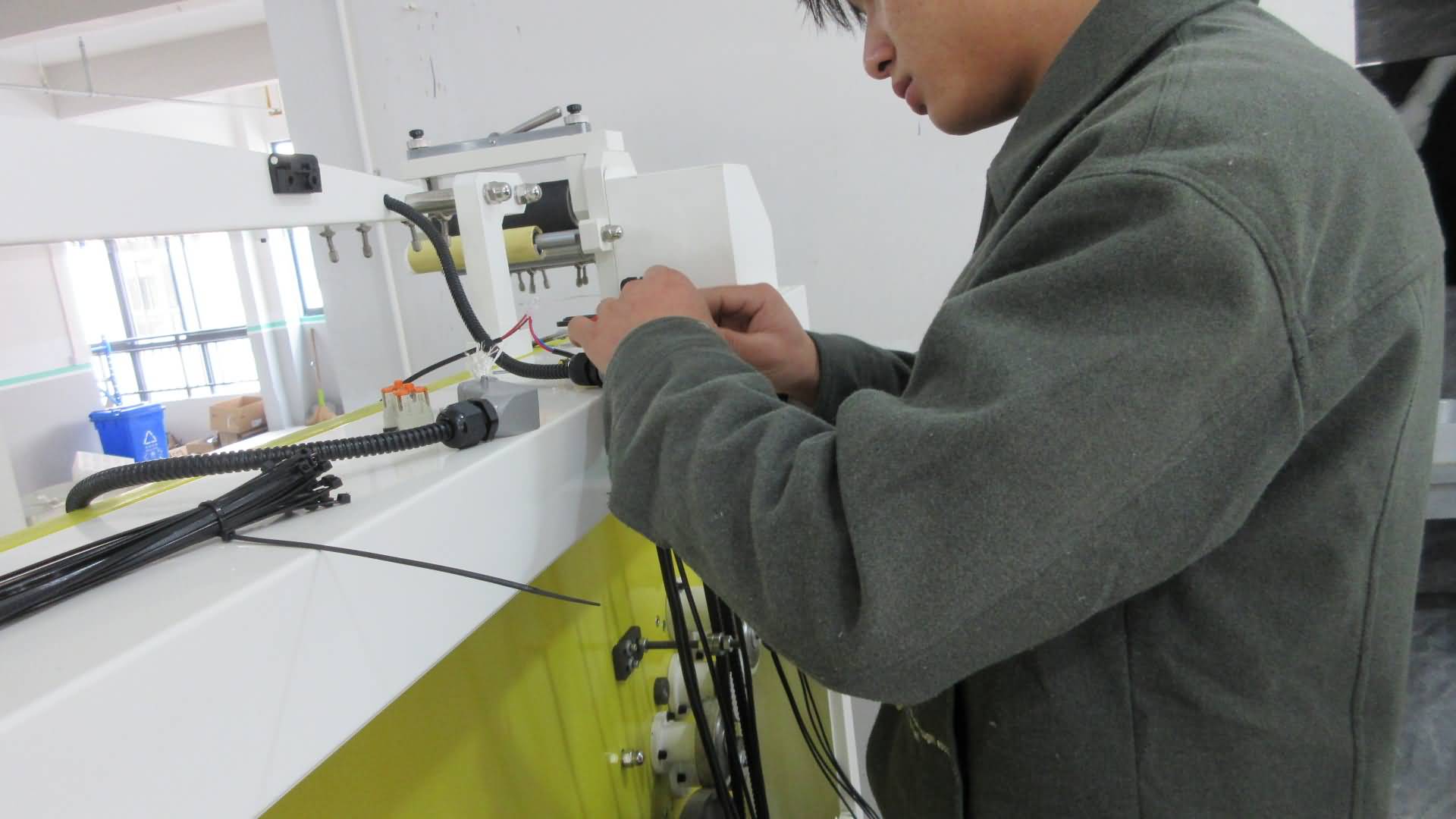
Assembling Line
Final Assembly Deck
Parts Warehouse
Spares & Parts Warehouse
Large Machining Center
Large Scale Machining Center
Finished Machining Center
Multi-Axis Machining Center

Localized Application Scenarios in the Kanto Industrial Zone

Japan's domestic markets require high precision and structural reliability across various industries:

1. Ginza-Level Luxury Cosmetics & Hot Foil Adornments

Luxury cosmetic brands in Tokyo's central Ginza district require impeccable gold foil lines and crisp borders. Our integrated hot foil flatbed systems deliver precise pressure distribution, ensuring that complex micro-embossing and metallic foils fuse seamlessly with structured paper stocks and polymer films.

2. Nihonbashi Craft Sake & Traditional Food Packaging

High-end food and beverage packaging utilizes thick, textured Washi paper (traditional Japanese paper) and structured stock. Conventional rotary die-cutting systems often tear these fibrous materials or run into alignment issues. The flatbed stroke on Moveco machines ensures clean, vertical blade penetration, avoiding any structural fiber deformation.

3. Ota Ward High-Tech Electronics & Micro Gasket Converting

Ota-ku is home to hundreds of micro-electronics prototyping workshops. These components require specialized double-sided tapes, graphite heat-sinks, and silicone rubber insulation spacers. Moveco's high-speed servo PLC register control allows for intricate multi-layered kiss-cuts, keeping tolerance deviations well below 0.05 mm.

Ready to Upgrade Your Converting Facility?

Get in touch with our engineering team for customized die-cutting parameters, Japanese UI configurations, and port-to-port delivery logistics to Tokyo Port.

Send Inquiry Now

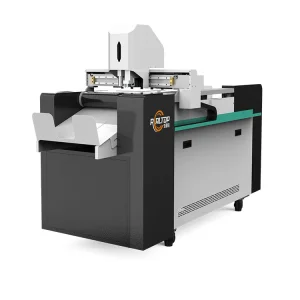
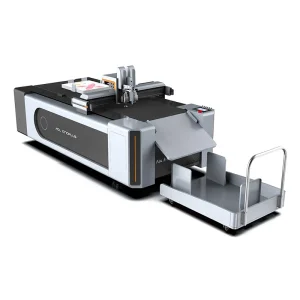
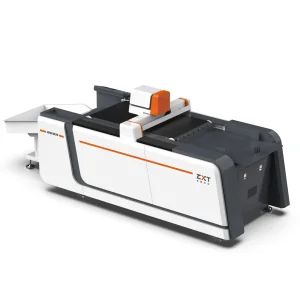
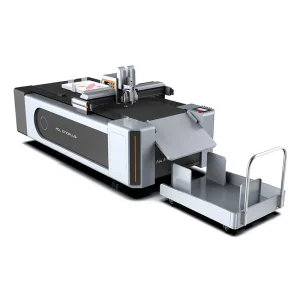
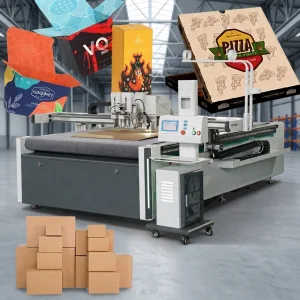
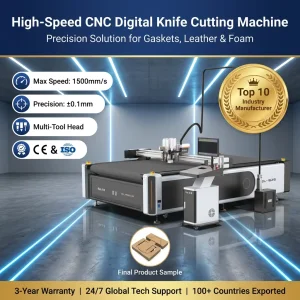
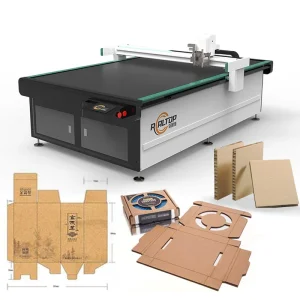
Additional Specialized Plotting & Digital Cutting Systems

Expand your processing capacities with non-die digital cutting systems and laser flatbeds, perfectly suited for rapid packaging mockups and short-run production without tooling costs.

Macro Industry Purchasing Criteria for Tokyo Suppliers

Procuring industrial equipment for Japanese printing operations involves strict technical verification. To ensure compatibility with Tokyo local regulations and quality workflows, global procurement departments must focus on several core metrics:

PSE & CE Certifications

Electrical hardware configured for Japan must match local grid settings: 100V or 200V configurations at 50Hz for Eastern Japan (Tokyo). Control panels, cabling, and emergency stop systems should adhere strictly to PSE guidelines to ensure compliance with occupational safety checks.

Tension Control Systems

For thin film substrates (PET, PVC, BOPP) and multi-laminate stocks, tension control prevents stretching or deformation. Dual-direction magnetic particle clutches integrated with modern web-guiding sensors maintain consistent web tension from unwinding to the final stripping phase.

Quick Tooling Integration

Tool changeovers must be swift to maintain high overall equipment effectiveness (OEE). Our quick-locking chase plates and pneumatic lock systems reduce setup times to under 15 minutes, allowing short-run jobs to be scheduled sequentially with minimal labor.

Guangdong Moveco Machine Co., Ltd. resolves these demands by matching Japanese electrical configurations, selecting premium components (Yaskawa servo motors, Mitsubishi PLCs, SMC pneumatics), and conducting thorough quality assurance protocols. Every casting block undergoes long-term stress-relief annealing to ensure that the die-cutting platform remains completely flat over decades of daily operations.

Frequently Asked Questions: Technical & Logistics Insights

Find authoritative answers regarding technical specifications, local Tokyo compliance, tool wear, and global shipment configurations.

Q1: How does the registration precision of ±0.05 mm translate in real production conditions?
Our registration precision is managed through a combination of high-resolution CCD optical mark cameras, web guiding systems, and high-torque Japanese servo drives. The camera dynamically reads registration marks on the web and sends real-time tracking signals to the PLC, which makes instantaneous microscopic adjustments to the feeding stroke. This system prevents drift, even when running thin backing sheets or processing irregular labels.
Q2: What are the lead times and shipping procedures from Guangdong to Tokyo?
Typical manufacturing lead times range from 30 to 45 business days, depending on custom configurations (such as double stations or specialized hot-foil stamping mechanisms). Port-to-port shipping from Shekou or Nansha to Tokyo Port takes approximately 5 to 7 days. We provide comprehensive export documentation, seaworthy vacuum-sealed wooden case packaging, and complete customs clearance support.
Q3: Can the flatbed die-cutter handle specialized materials like Washi paper or heavy structural cardboard?
Yes. The vertical mechanical force profile of a flatbed system is better suited for highly fibrous Washi paper and thick cardboard compared to rotary cutters. The vertical punch prevents fiber tearing along the edges. We can also adjust the stroke depth through the touch-screen interface, allowing you to switch from delicate kiss-cutting on paper stickers to thorough cutting on rigid board stocks.
Q4: How does the waste matrix stripper function at high speeds?
The waste matrix stripping unit uses a synchronized auxiliary wind-up motor governed by tension sensors. As the main die-cutting head completes its vertical stroke, the matrix is separated from the backing sheet at a precise angle. By adjusting the takeoff angle and backing tension, operators can strip complex matrix webs without breaking them, even at speeds exceeding 300 cycles per minute.
Q5: What are the maintenance protocols for the cast-iron frame and internal mechanical linkages?
We use an integrated automatic lubrication system that pumps oil directly to all sliding bearings and mechanical linkages at preset run-time intervals. The heavy cast-iron chassis itself is practically maintenance-free because it undergoes strict structural annealing to relieve internal stresses during the casting stage, preventing structural distortion or micro-cracks over decades of use.
Contact Our Industrial Experts for a Customized Quote