High-speed, high-precision finishing lines built to comply with international standards and maximize productivity in Santiago, Valparaíso, and beyond.
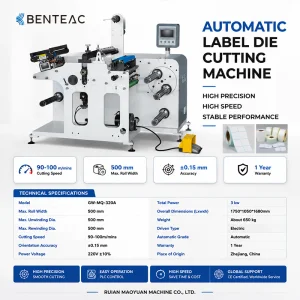
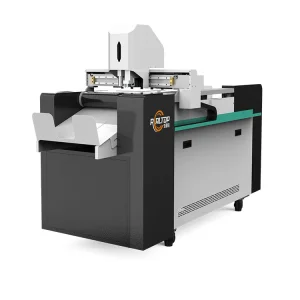
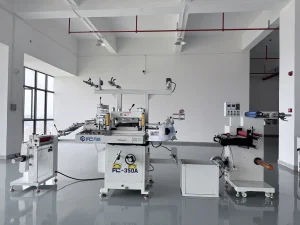
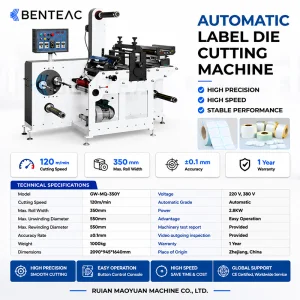
Chile stands out as one of Latin America's most open and stable economies. Anchored by thriving export sectors like premium wine production (Colchagua, Maipo, and Casablanca valleys), high-value fresh agriculture (table grapes, cherries, blueberries), processed seafood, and industrial manufacturing, the demand for sophisticated packaging solutions has surged.
Specifically, the Chilean Wine Industry requires premium, heavy-textured labels incorporating hot foil stamping, intricate embossing, and precise die-cutting. This high aesthetic standard makes high-precision flatbed die-cutting equipment indispensable. Unlike simple consumer goods packaging, export-grade label manufacturing demands rigorous consistency to withstand maritime shipping environments and comply with target markets' regulatory bodies, including North America, Europe, and Asia.
Moreover, Chile’s strict food safety laws, specifically the Front-of-Package (FOP) warning system ("Alto En" regulations), have led to frequent redesigns of consumer product stickers. Brands require agile converting machinery that minimizes mechanical setup times and reduces material scrap rates. Our flatbed label die-cutting machines respond to these regional challenges by introducing digital servo-control architectures and rapid-change plate systems.
An engineering comparison highlighting the structural and economic superiority of flatbed technology for Latin American printing hubs.
| Parameters & Features | Flatbed Die-Cutting Solution | Rotary Die-Cutting Solution |
|---|---|---|
| Tooling Cost | Low (Economical Wood/Steel Dies) | High (Solid/Flexible Metal Cylinders) |
| Stamping Integration | Flat-Bed Hot Stamping & Embossing | Complex & Pricey Rotary Stamping |
| Short Run Suitability | Excellent (Fast setup under 15 mins) | Poor (High downtime during changes) |
| Material Compatibility | Highly textured, synthetics, card stock | Mainly standard filmic/paper rolls |
Engineering Superior Performance, Structural Stability, and Automation since Inception
Every stage of production—from raw casting blocks to final electrical assembly—is monitored closely at our heavy-duty manufacturing plant.
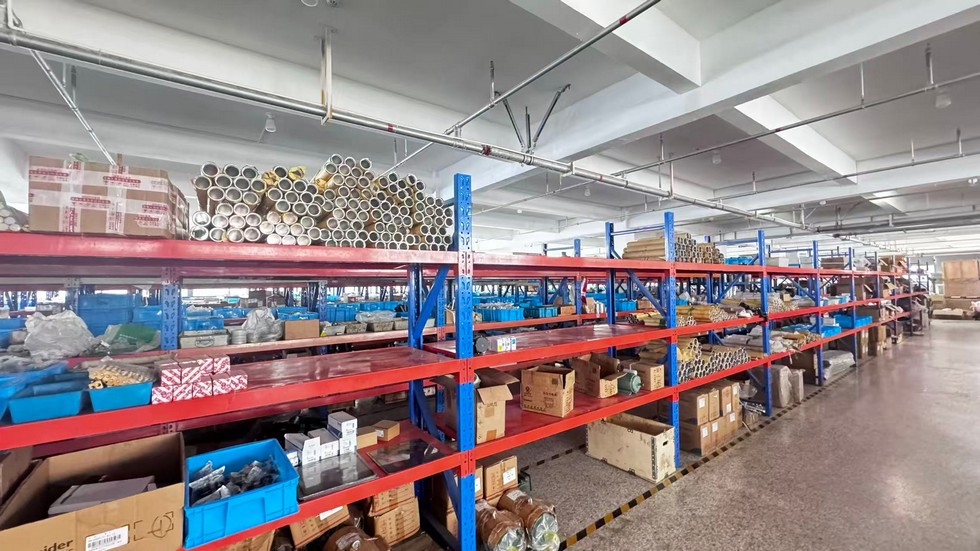
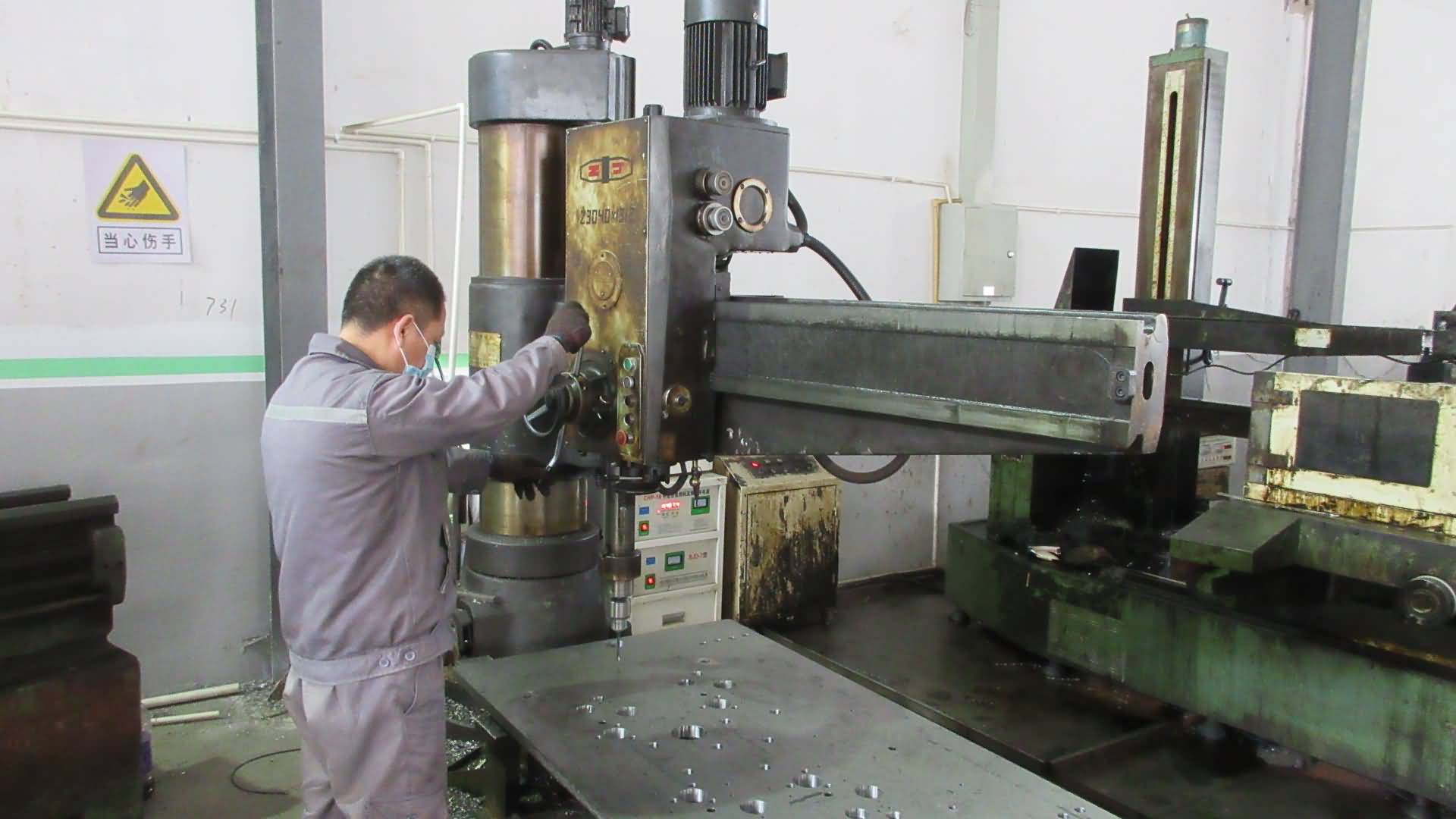
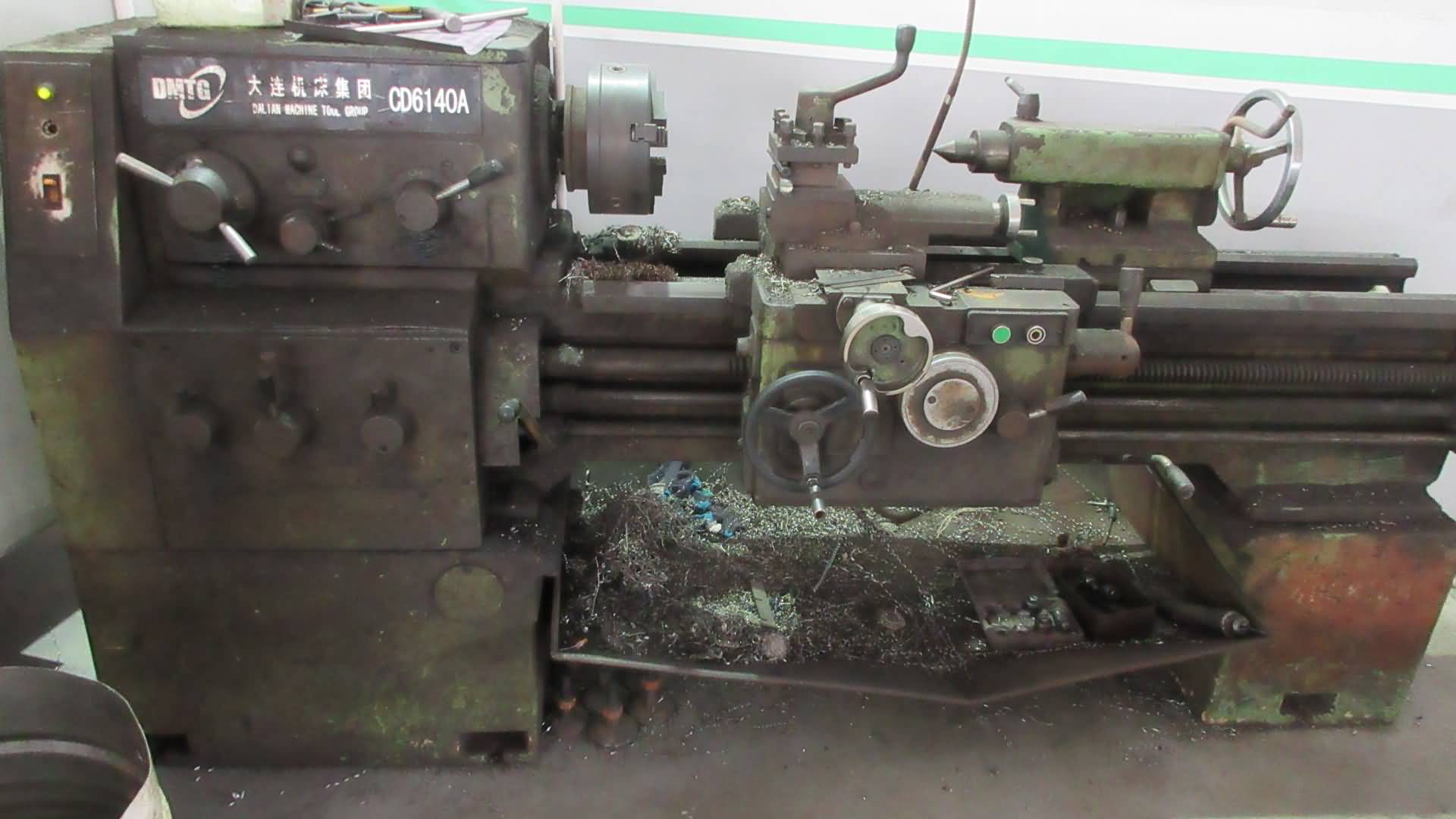
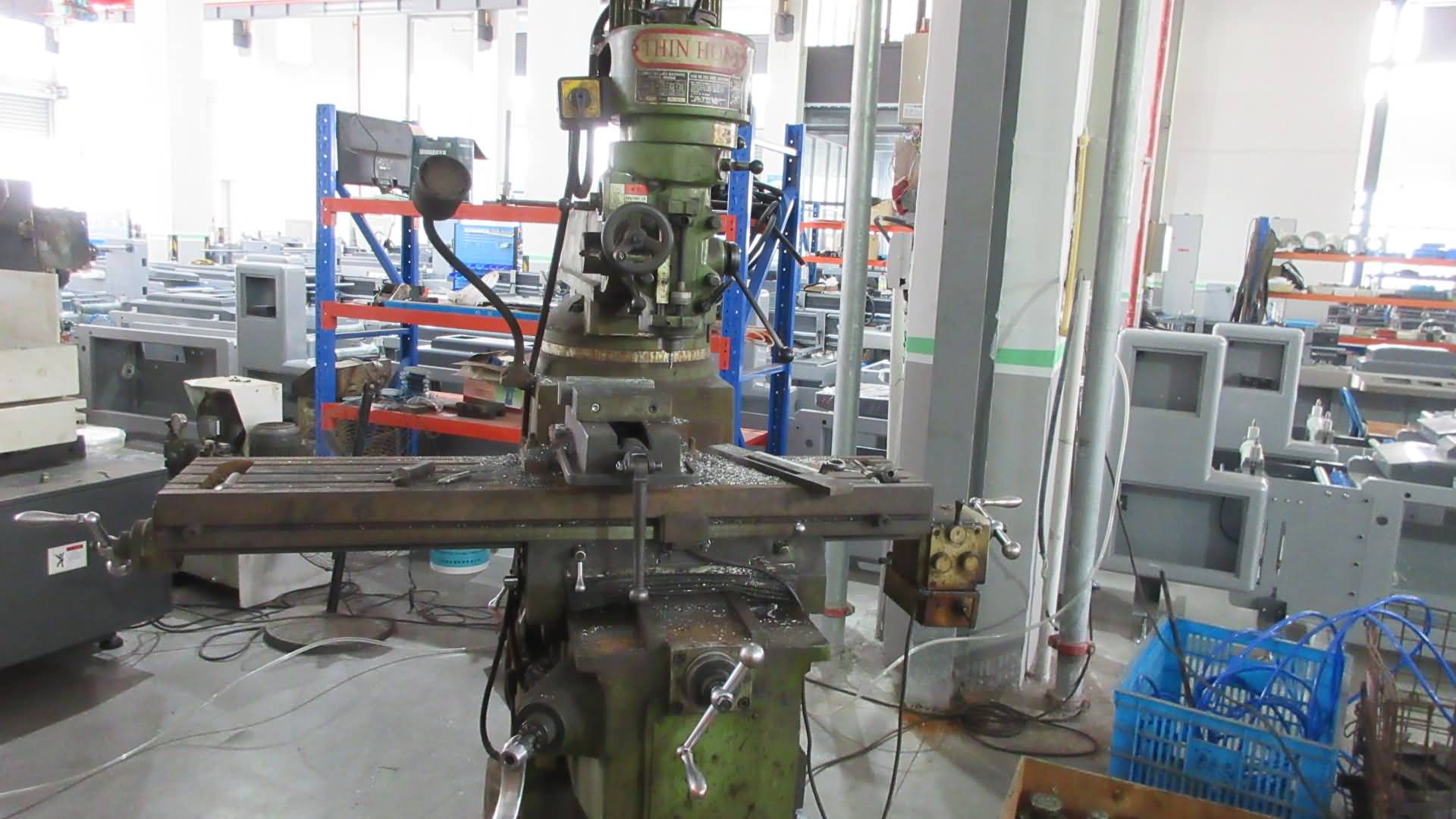
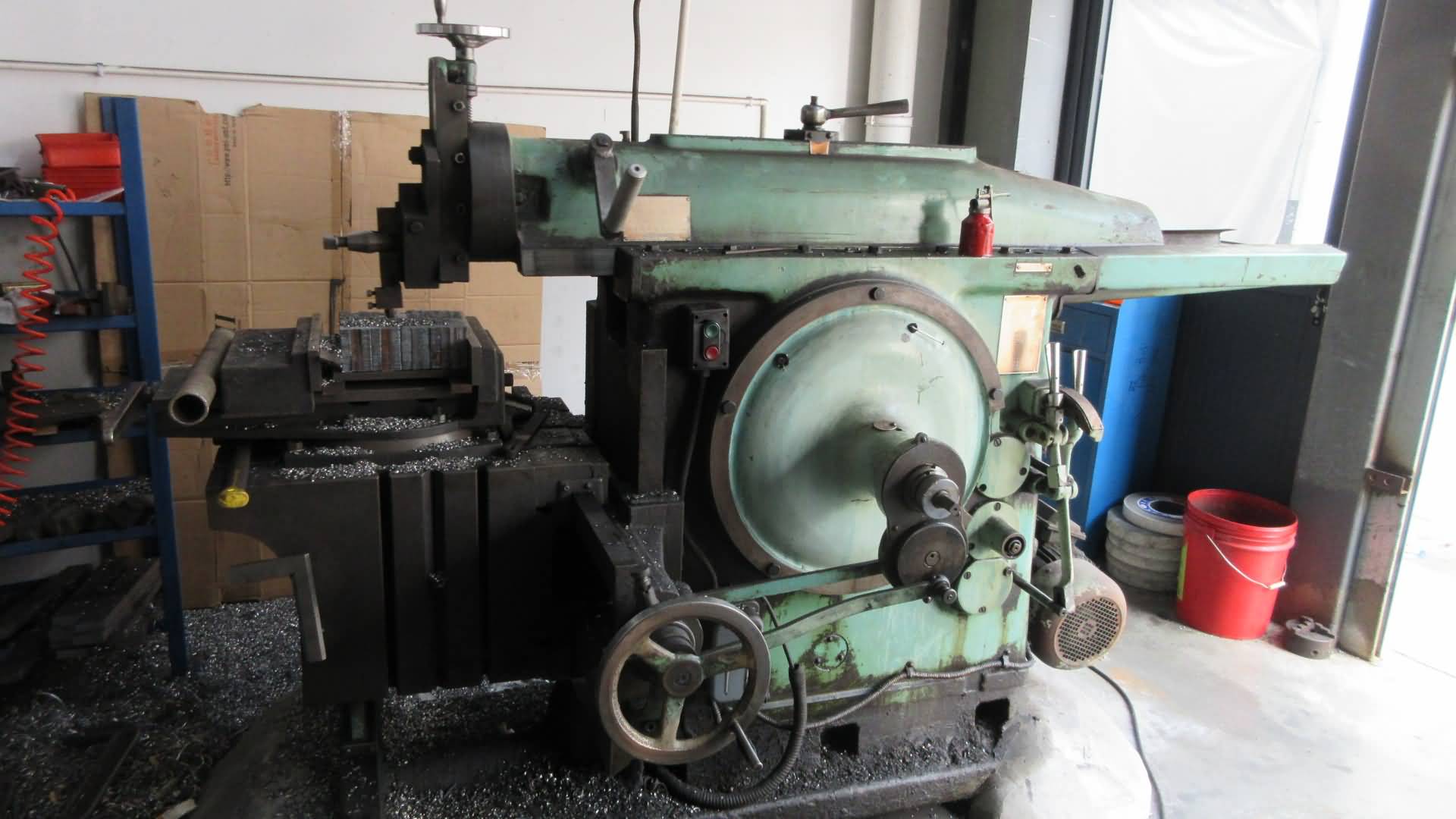
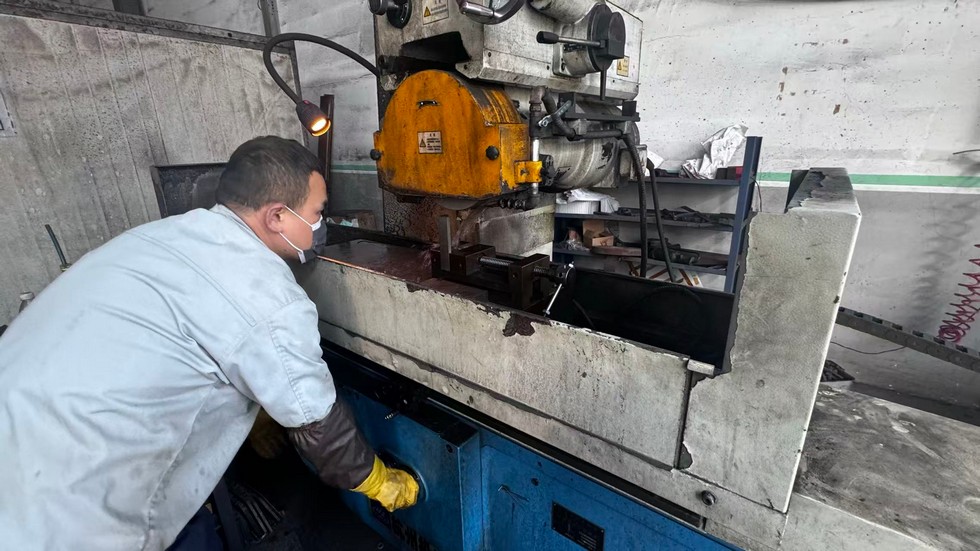
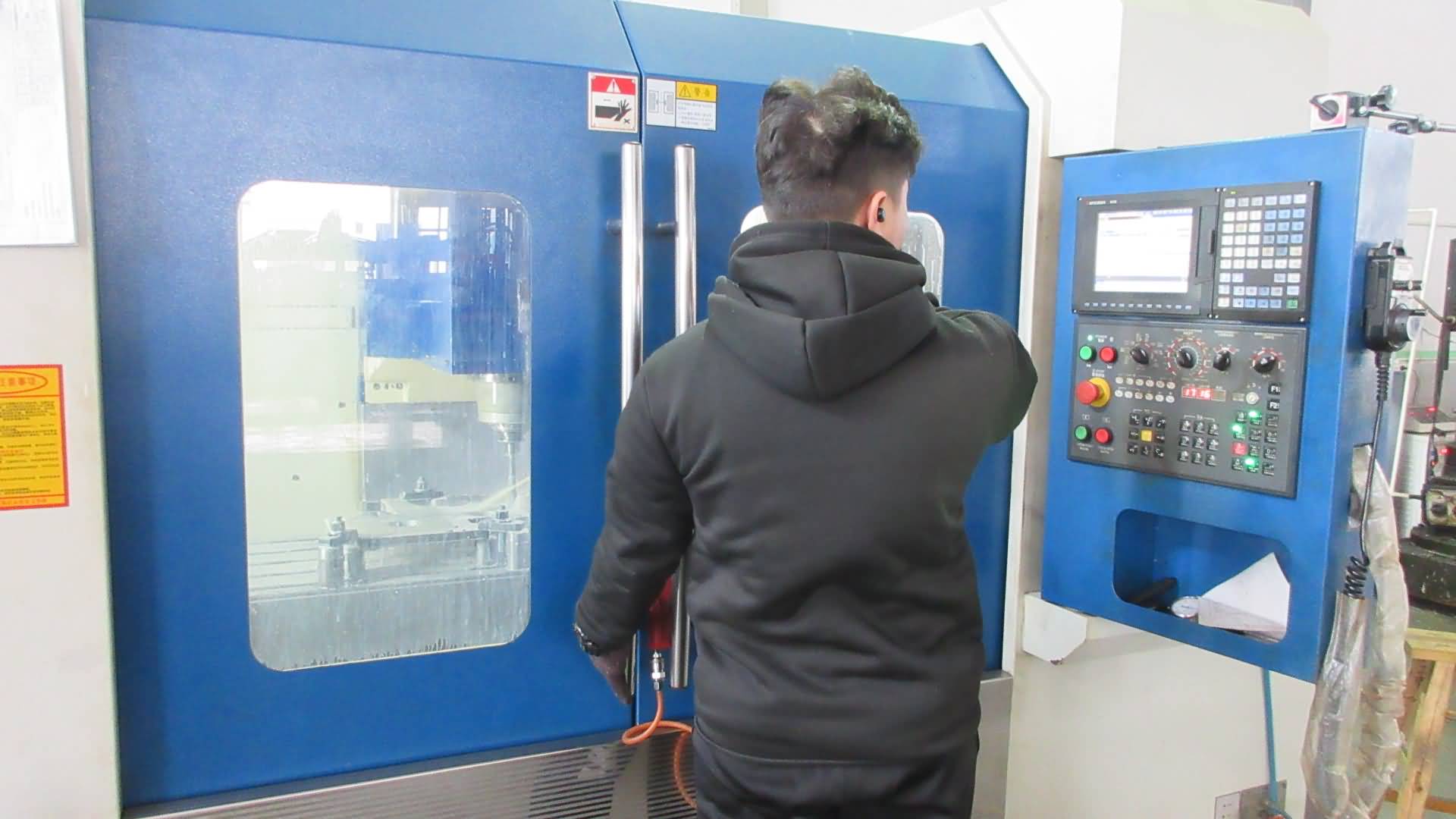
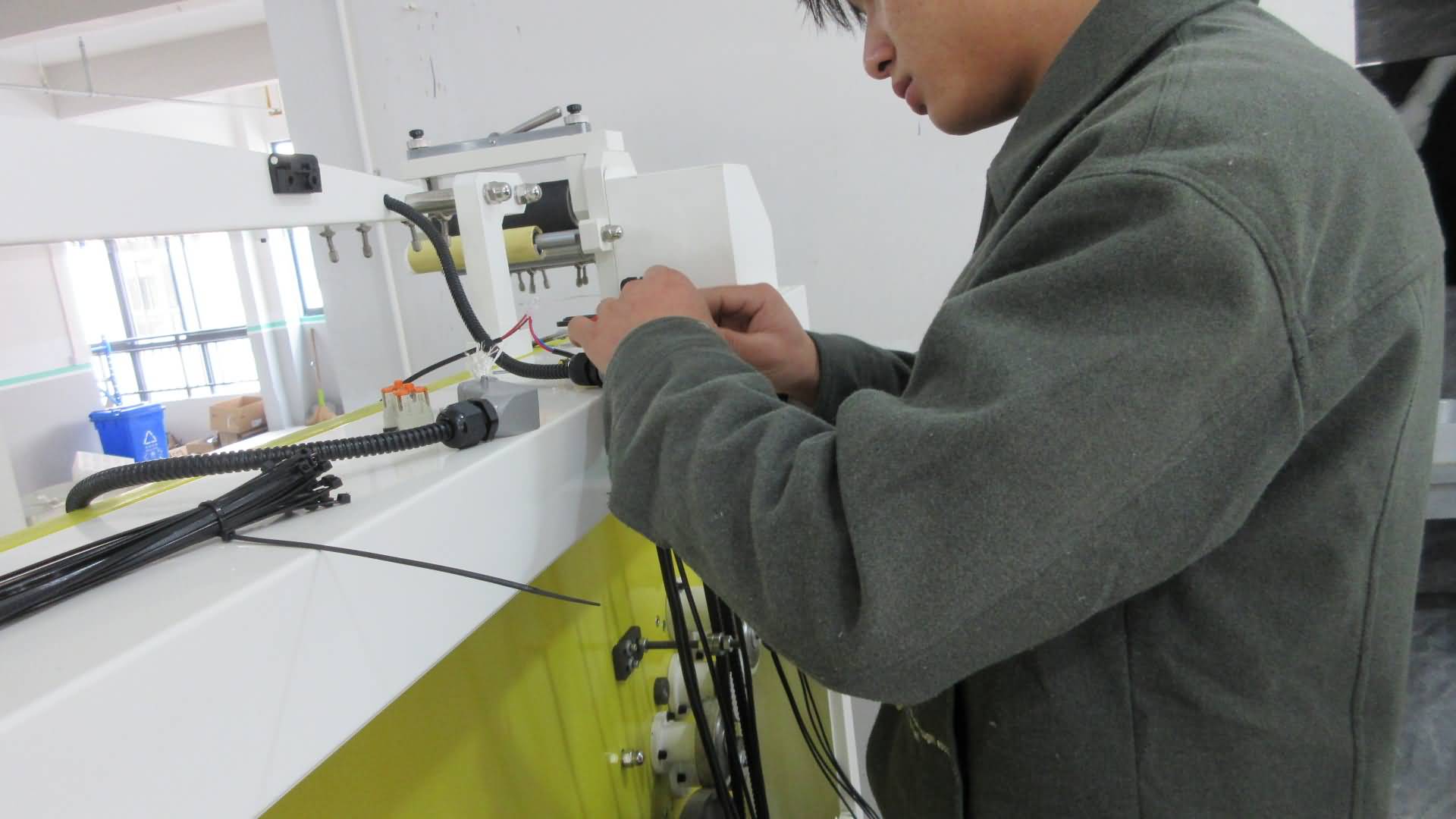
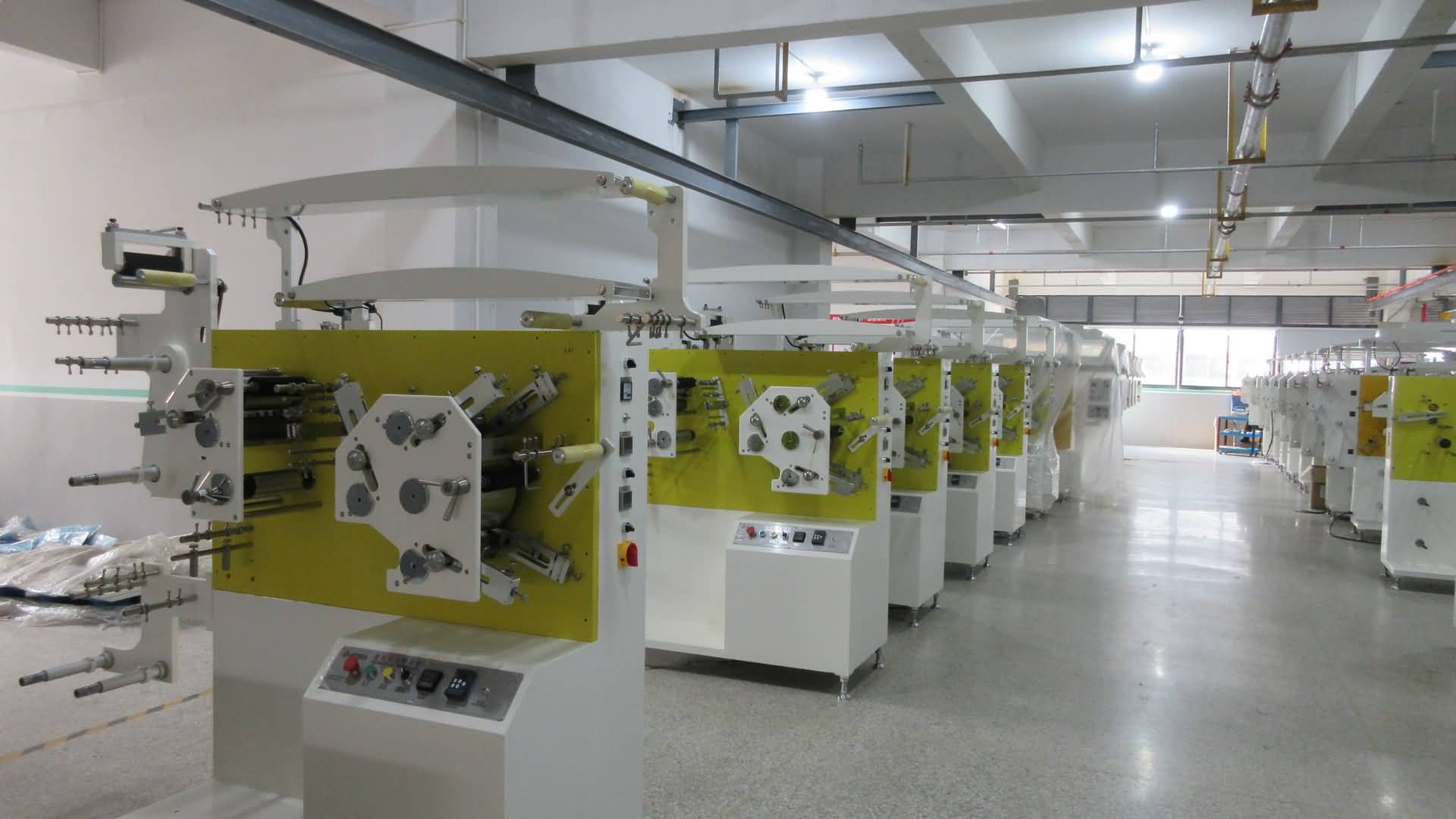
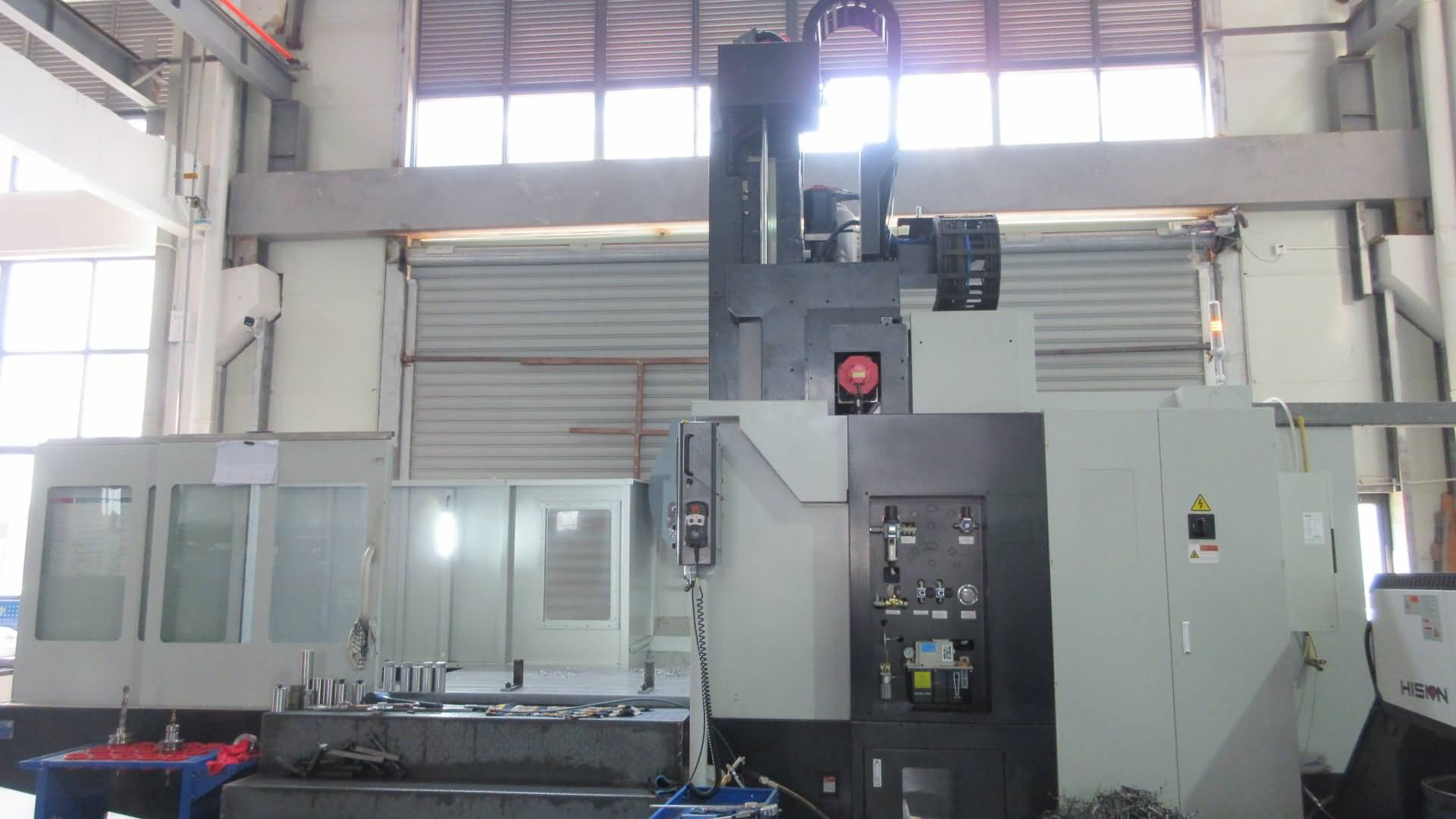
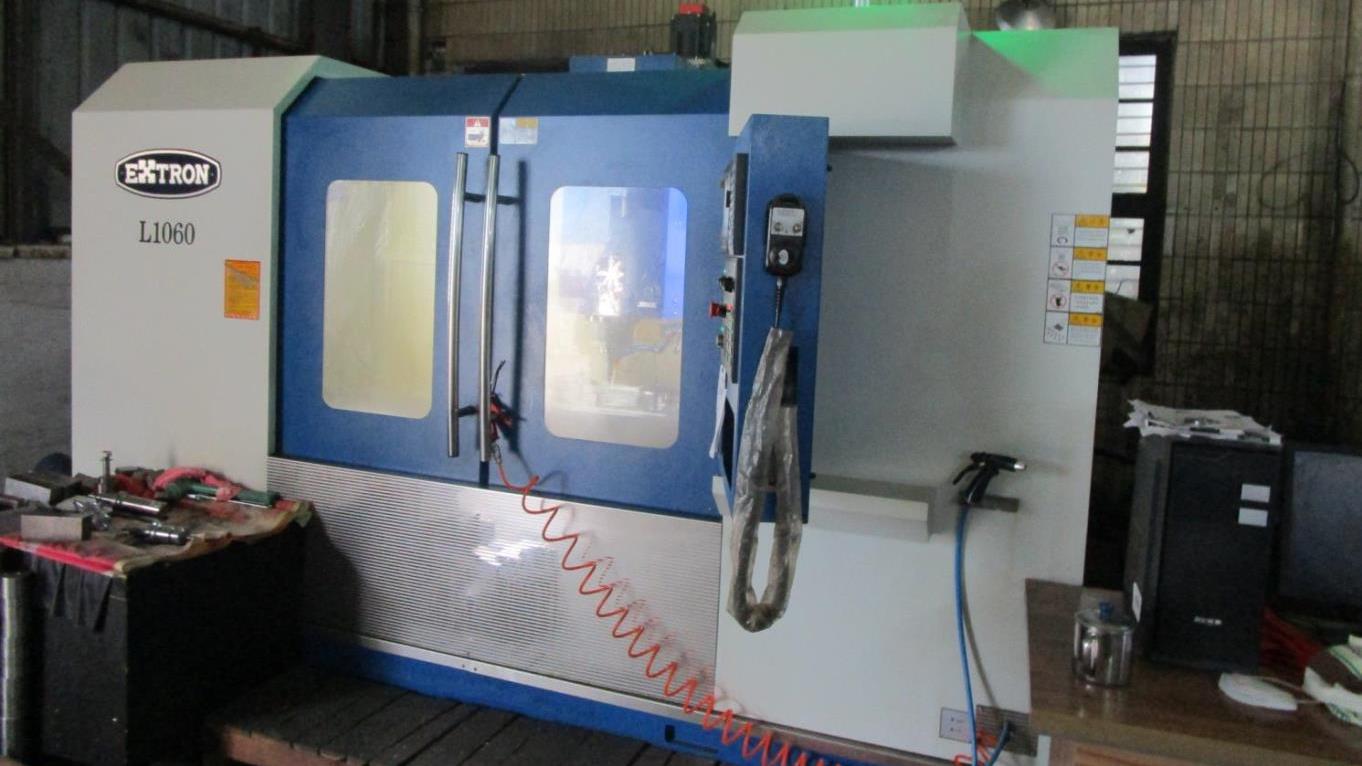
How our manufacturing hub translates to direct logistical and financial benefits for label converters in South America.
We engineer systems to match local industrial standards and environmental conditions across the region.
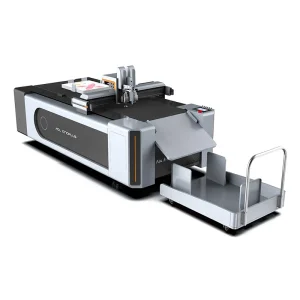
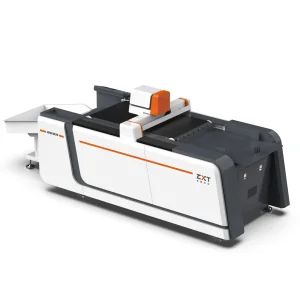
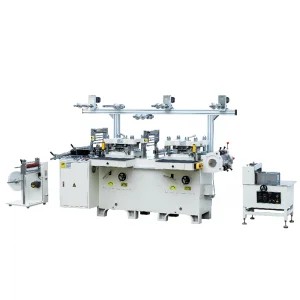
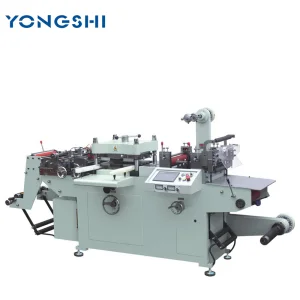
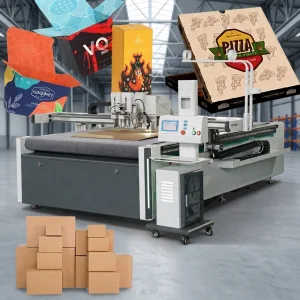
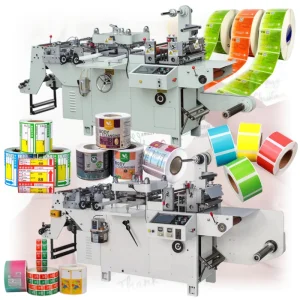
A diverse lineup of flatbed cutters, digital knife plotters, and specialized hot-foil stamping equipment.
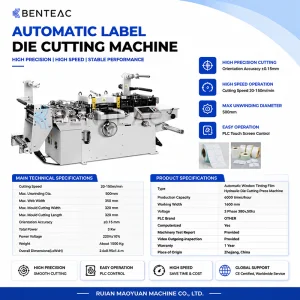
Adapting machinery systems to meet evolving retail guidelines and safety compliance structures.
Technical support, operational guidance, and trade logistics details for Chilean converters.
Flatbed machines use steel-rule dies that cost a fraction of rotary magnetic cylinders. This makes them highly economical for short-to-medium runs, particularly for premium wine or craft beer labels. They also easily integrate embossing and hot foil stamping tools, which can be expensive or difficult to run on rotary systems.
Our systems utilize photo-electric fiber optic sensors and CCD camera tracking systems. The servo controller reads pre-printed registration marks on the web and automatically adjusts the flatbed platen stroke in real time. This keeps registration errors under ±0.05mm, even at maximum production speeds.
We supply electrical cabinets configured for 380V/50Hz/3 Phase, which aligns with Chile's standard grid. Electrical panels are wired with CE-marked components, including French Schneider contactors and Japanese Yaskawa or Delta servo systems, which comply with SEC-equivalent safety requirements.
Under the TLC (Tratado de Libre Comercio), importing industrial equipment from China with an approved Certificate of Origin (Form F) can exempt you from the standard 6% Chilean import duty. Importers generally only need to pay the local 19% VAT (IVA), which is recoverable as a tax credit.
We provide full remote startup assistance, including wiring diagrams and video training sessions in Spanish. We also offer on-site commissioning, where a field technician travels to your facility to manage installation, calibrate sensors, and train your operators.
 Moveco Machine