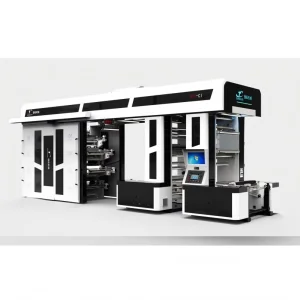
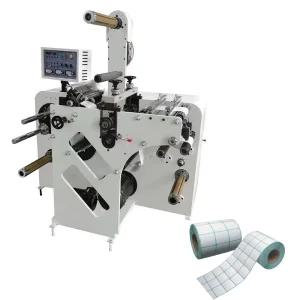
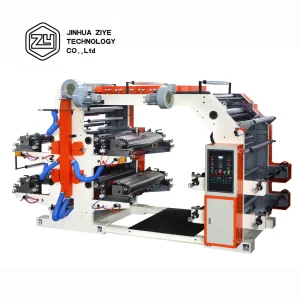
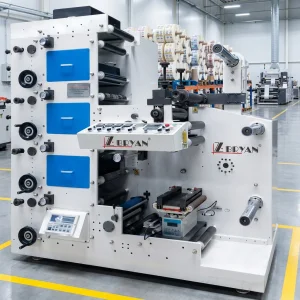
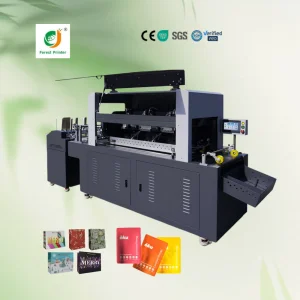
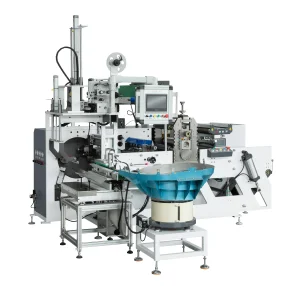
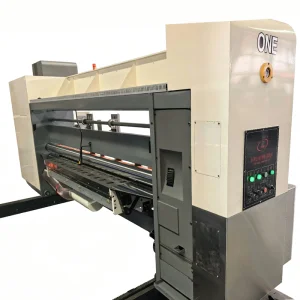
Discover high-capacity, multi-color inline machinery engineered to process premium self-adhesive and polyester film substrates.
Polyester (commonly abbreviated as PET - Polyethylene Terephthalate) represents the gold standard for high-performance self-adhesive label face stocks globally. Unlike traditional paper or polyolefin films (PP or PE), polyester materials feature unparalleled dimensional stability, high tensile strength, and exceptional thermal, chemical, and UV resistance.
In modern manufacturing corridors, label stock converters rely heavily on specialized coatings and top-coated PET liners to facilitate consistent ink adhesion and trouble-free die-cutting. Key industry vectors driving the adoption of high-tier polyester labels include:
Understanding the chemistry of polyester label films is only half the equation; processing these resilient films demands converting machinery of unmatched rigidity and automation. This is where Guangdong Moveco Machine Co., Ltd. serves as a critical technological backbone for label converters worldwide.
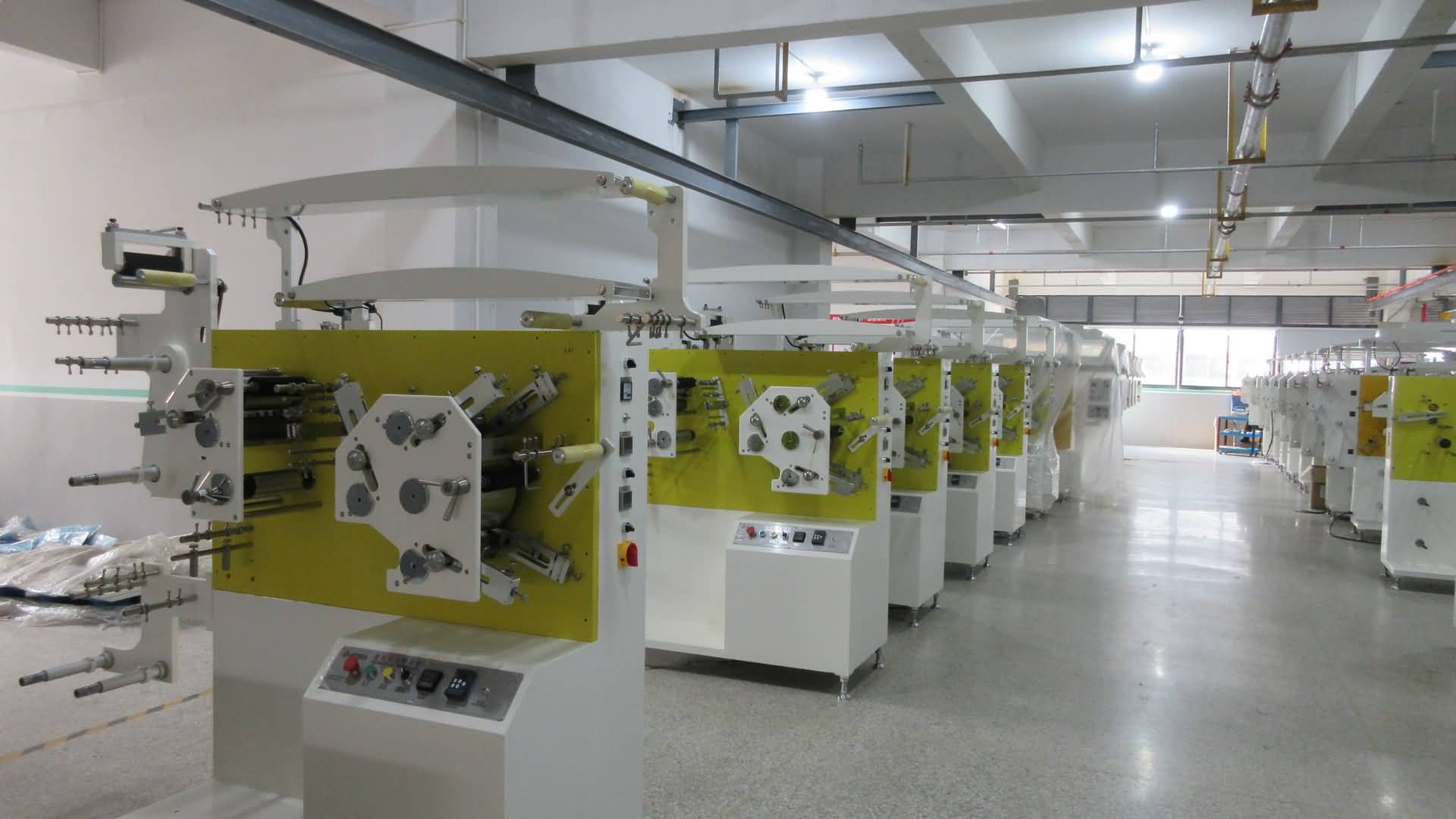
Guangdong Moveco Machine Co., Ltd. is a professional manufacturer specializing in the research, development, production, and sales of advanced label printing, converting, and finishing equipment. With years of industry experience, state-of-the-art manufacturing facilities, and a highly skilled engineering team, Moveco is committed to providing innovative, efficient, and reliable solutions for the global label printing industry.
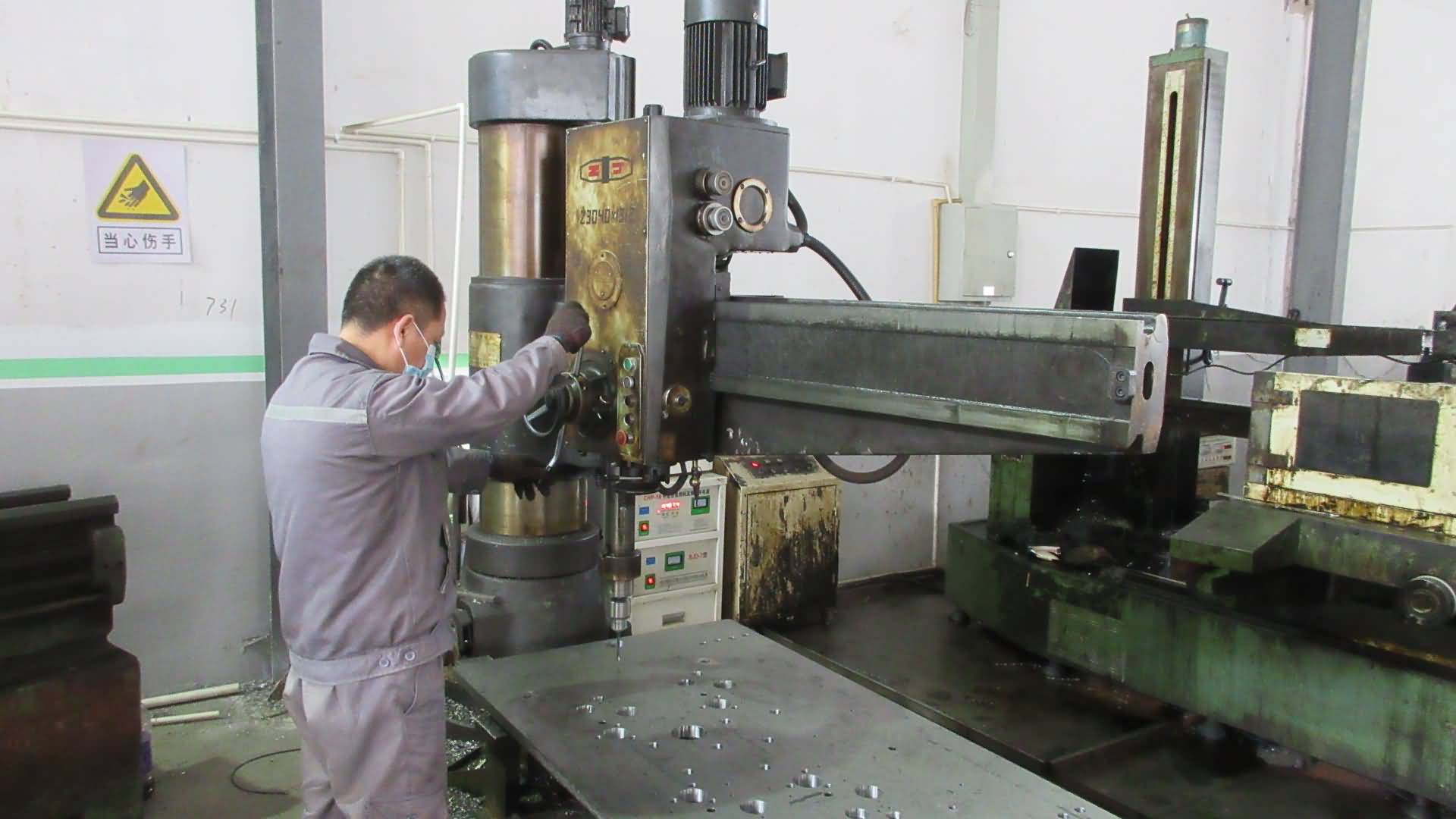
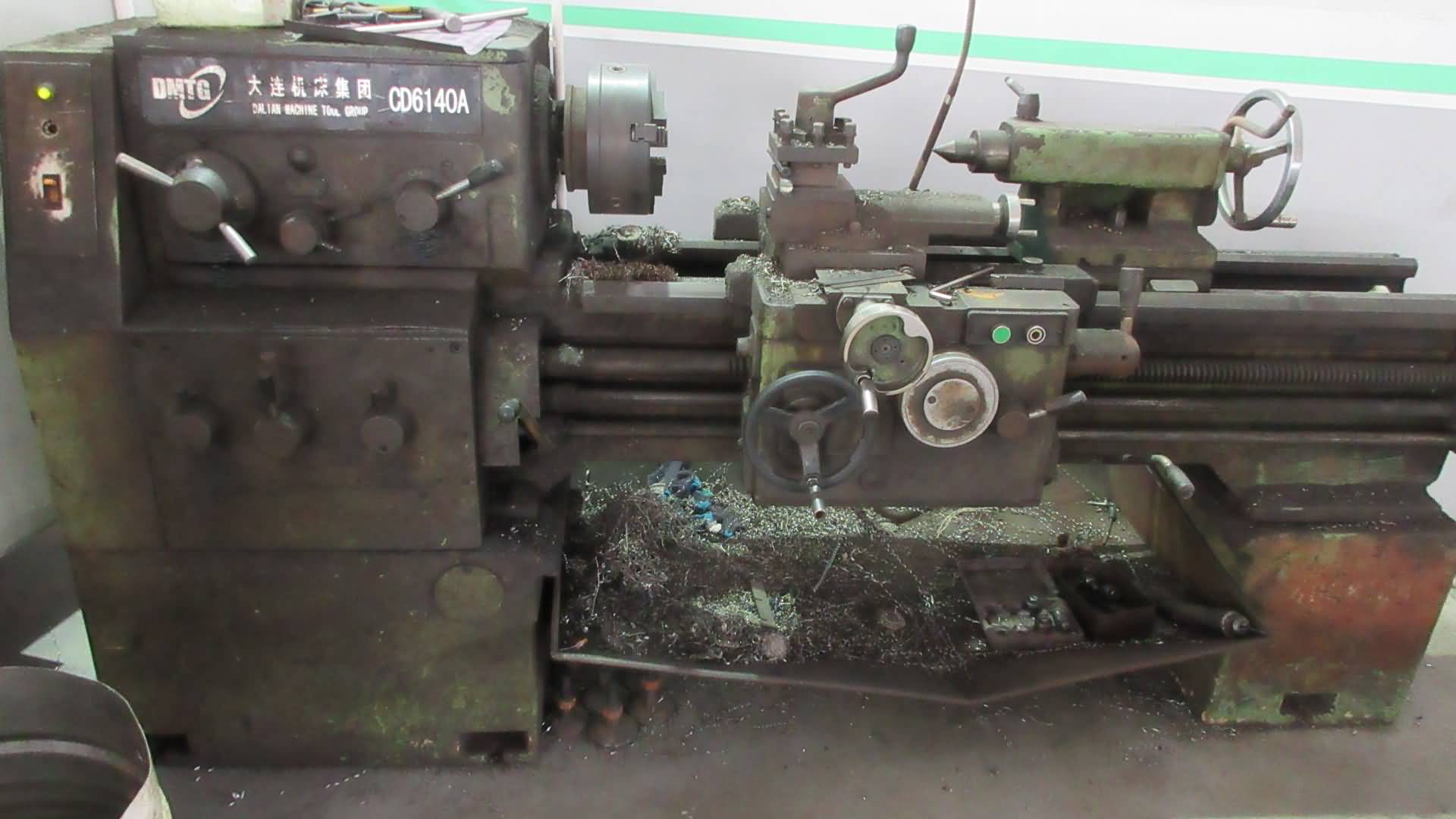
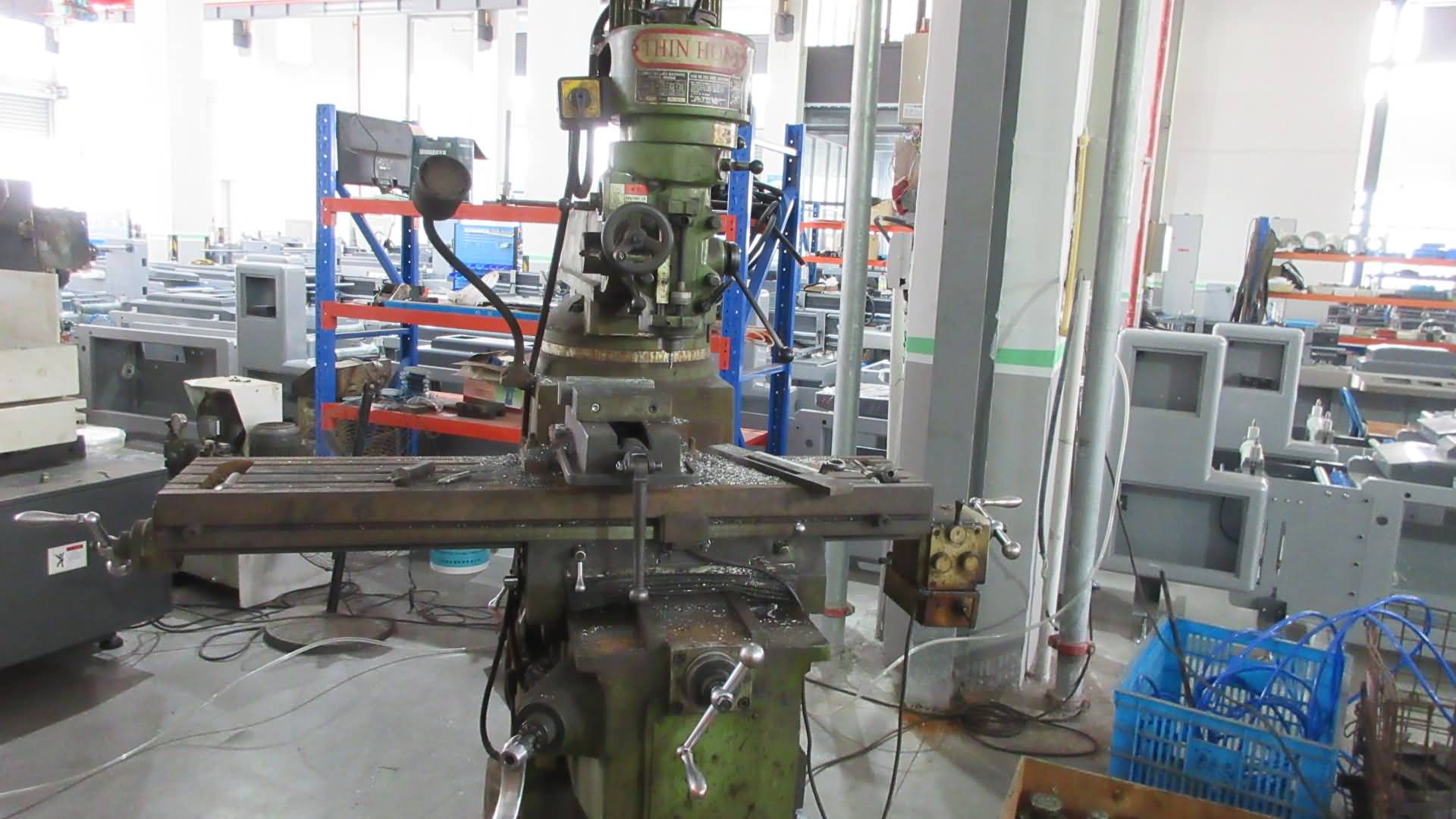
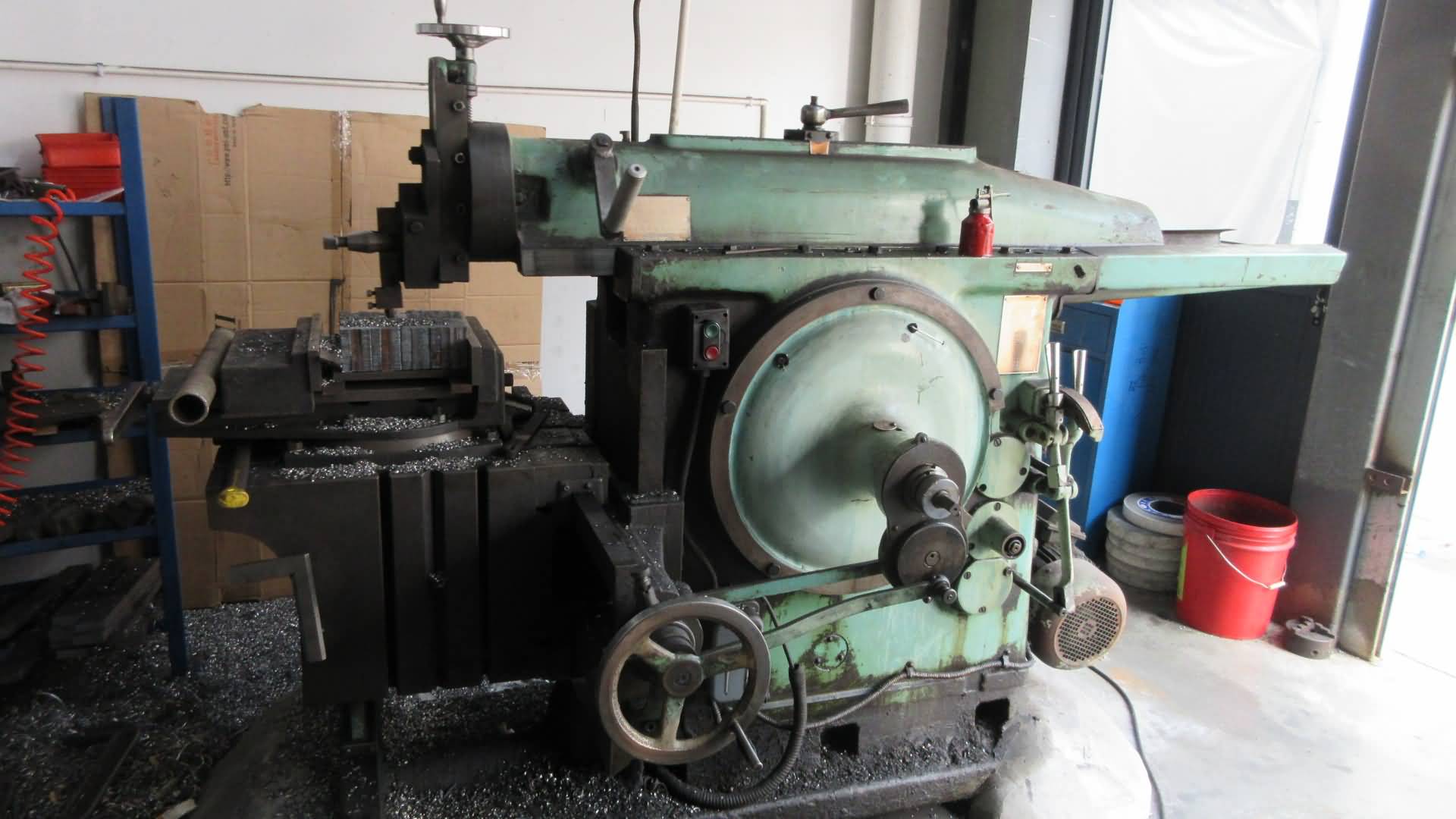
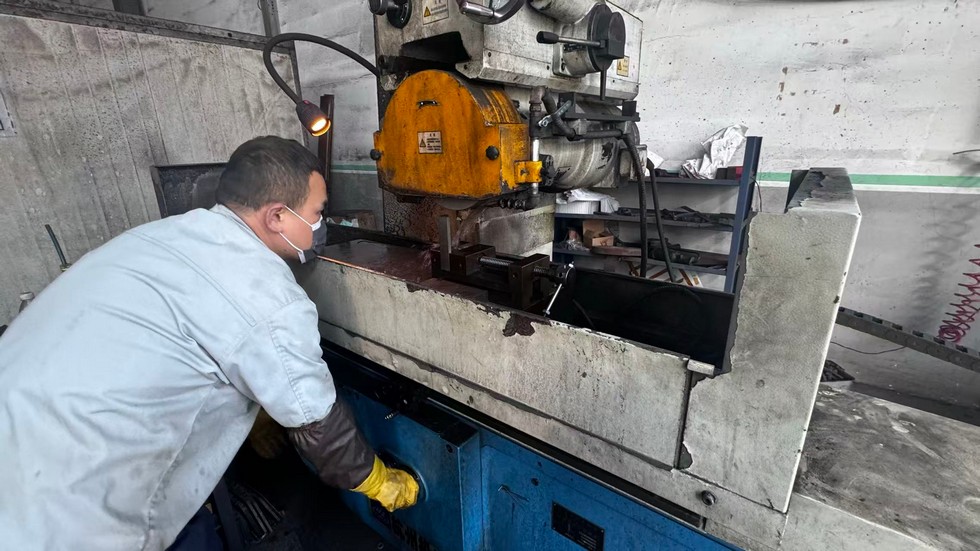
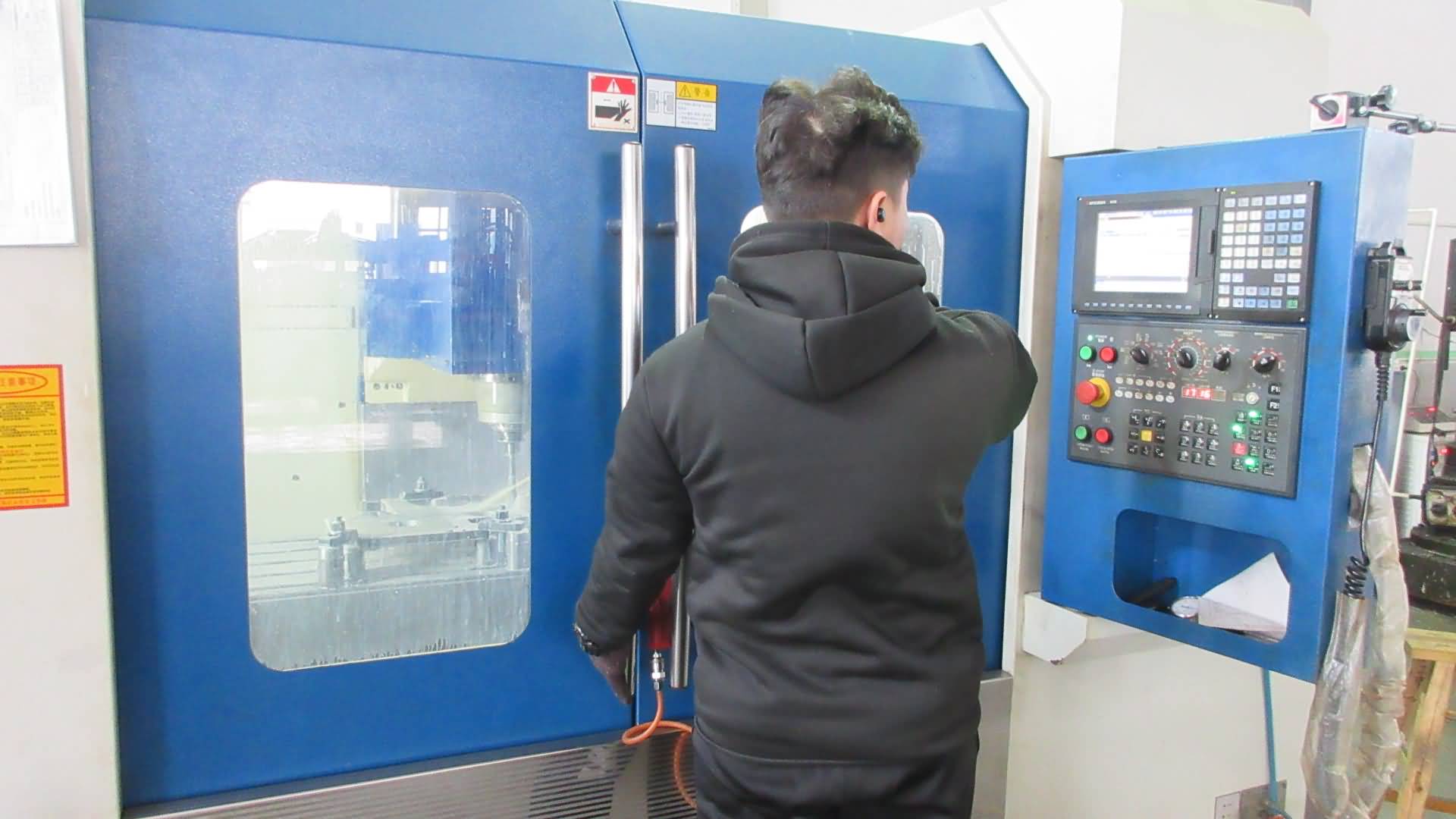
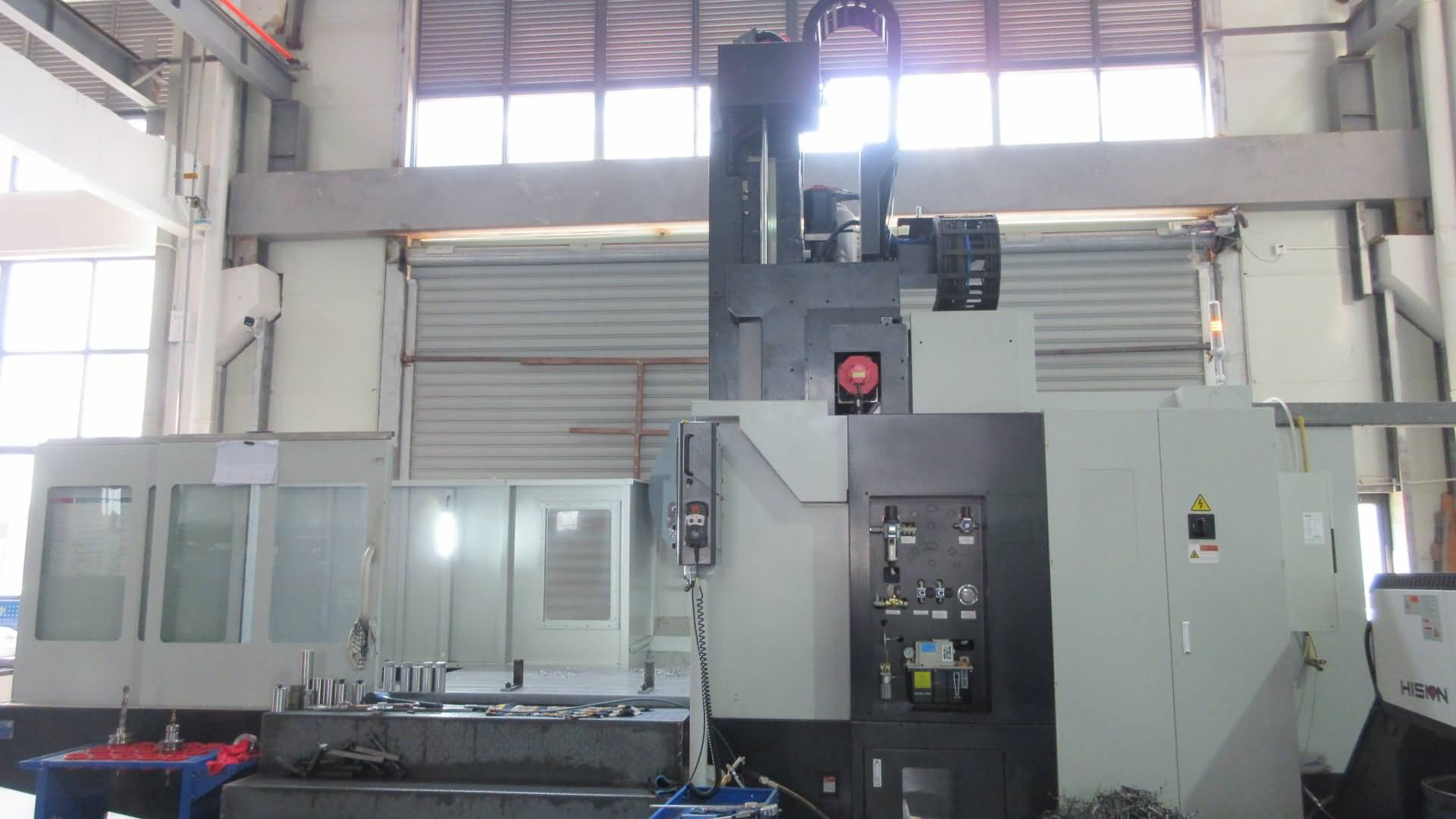
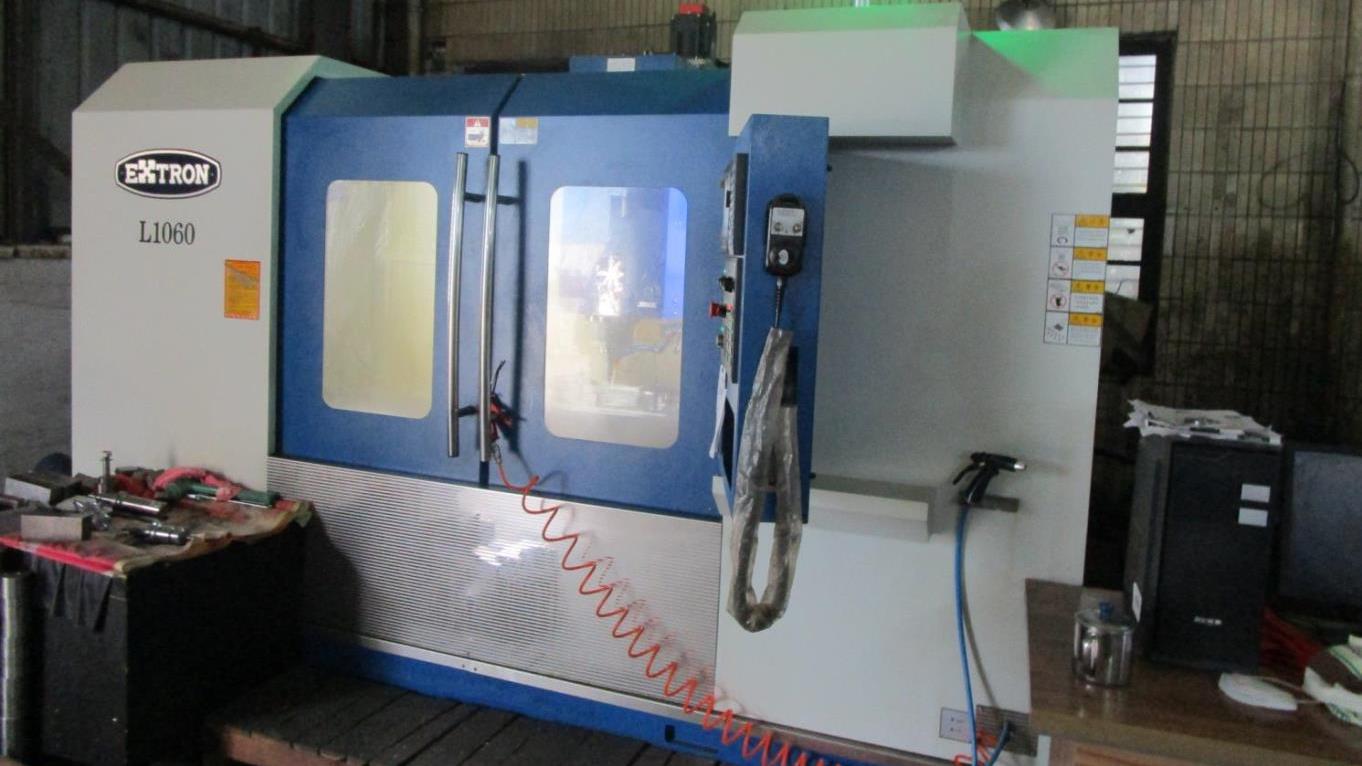
Our company has introduced advanced CNC machining equipment, including high-precision lathes, milling machines, grinding machines, and other precision processing systems. Supported by experienced technical professionals and a strict quality management system, every machine is manufactured to meet international quality standards, ensuring excellent performance, long service life, and reliable operation.
Moveco integrates advanced automation and intelligent control technologies into its equipment. Our machines are equipped with user-friendly touch-screen control systems, precision servo drive technology, and intelligent registration systems to achieve stable operation, accurate color registration, and high-speed production with outstanding printing quality. Different substrate tensions can be adjusted through the control interface, while automatic inking, washing, and quick-change cylinder systems significantly improve production efficiency and reduce downtime.
The main machine frame is manufactured through one-piece precision casting and undergoes annealing treatment to eliminate internal stress, ensuring exceptional structural stability and long-term accuracy. Key transmission components are driven by internationally recognized servo motors, providing high torque, low heat generation, minimal wear, and precise motion control. Surface-treated chrome-plated cylinders offer excellent scratch resistance, durability, and consistent printing performance.
Adhering to the philosophy of "Innovation, Quality, Efficiency, and Customer Success," Guangdong Moveco Machine Co., Ltd. continuously invests in technological development and product innovation. We are dedicated to providing customers with high-performance machinery, customized solutions, comprehensive technical support, and responsive after-sales service.
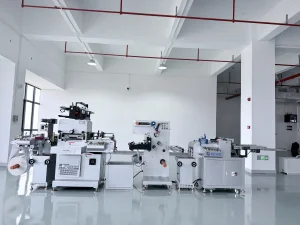
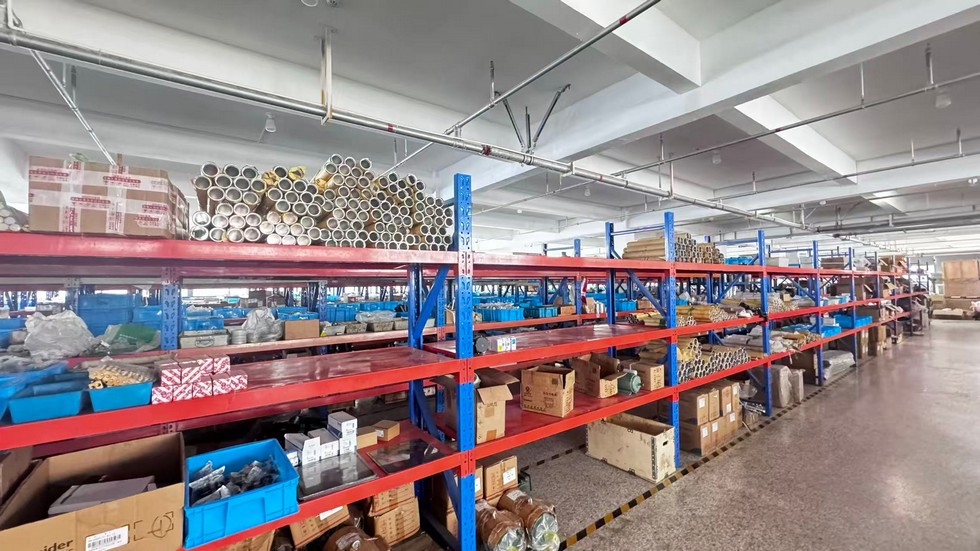
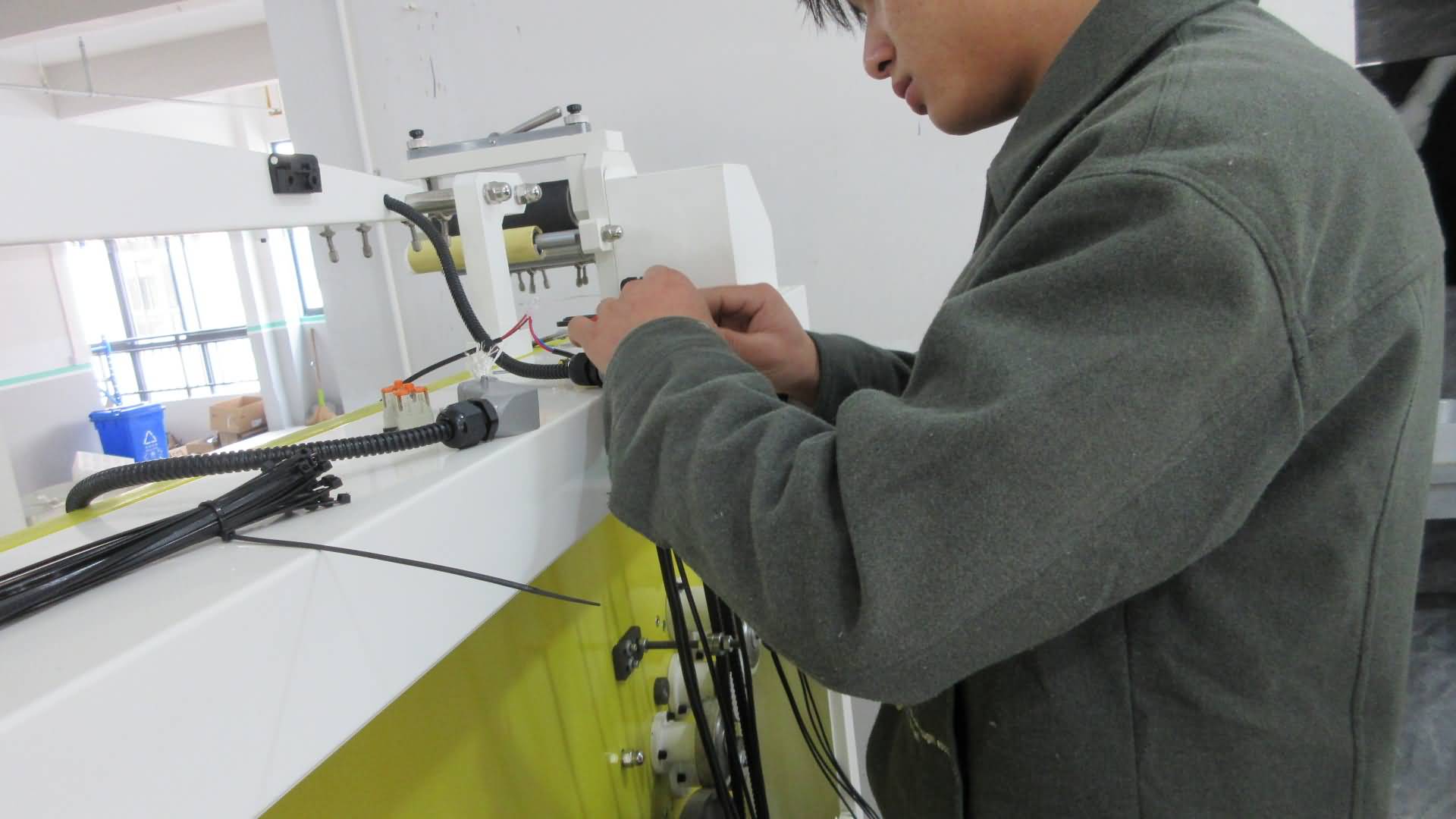
Every machine frame and component undergoes rigorous processing steps in our heavy machining facility to ensure vibrations are neutralized and tight tolerances are maintained.
As sustainability regulations and digital smart systems integrate into macro-logistics networks, the polyester label manufacturing industry is pivoting rapidly toward next-generation technical configurations. These transitions demand adaptive mechanical engineering:
Global environmental mandates are pushing for Post-Consumer Recycled (PCR) PET face stocks. Incorporating up to 90% recycled plastics into label substrates poses new surface energy challenges, requiring web-handling machinery with integrated, high-frequency corona treating modules to ensure appropriate printing ink transfer.
Smart labels necessitate inserting micro-transponders between the PET face film and the release liner. Converting equipment must handle multi-layer lamination processes under precise tension controls (such as Moveco's closed-loop magnetic powder brakes and servo tension systems) to avoid crushing fragile antenna chips.
To maximize roll yields and reduce shipping costs, manufacturers are shifting from 30um liners down to 18um PET liners. Dies must strike the adhesive layer with sub-micron precision to avoid fracturing the liner base, emphasizing the importance of Moveco's rigid inline die-cutting assemblies.
For operations optimizing their materials catalog, selecting the correct film prevents mechanical, thermal, and chemical label failure. The table below displays critical structural properties of PET versus alternative polymer label films:
| Property Matrix | Polyester (PET) | Polypropylene (PP) | Polyethylene (PE) | Vinyl (PVC) |
|---|---|---|---|---|
| Thermal Stability Range | -40°C to +150°C (Up to 200°C short-term) | -20°C to +90°C | -40°C to +80°C | -40°C to +90°C |
| Tensile Strength / Elongation | Extremely High (Excellent for high-speed dispensing) | Moderate (Subject to stretching under load) | Low (Highly conformable, squeezable) | High conformability, low dimensional stability |
| Chemical Resistance | Excellent (Acids, alcohols, fuels, solvents) | Good (Resists moisture, weak chemicals) | Moderate (Prone to swelling in grease/oils) | Excellent (Good weatherability, vulnerable to solvents) |
| Outdoor Life Expectancy | Up to 10 Years (Non-yellowing UV resistance) | 1 to 2 Years (Prone to UV cracking) | 1 to 3 Years (Degrades under continuous sun exposure) | 3 to 5 Years (Contains plasticizers prone to weeping) |
A modern print shop or label converting factory requires more than standalone units; it requires an integrated ecosystem. When handling polyester label materials, the system path must support multiple processes to achieve premium results:
First, raw roll stock enters the converting floor, where it is unwound. Because PET films have high surface tension and resistance to ink wetting, they pass through a corona treat unit before hitting the flexo or UV-digital print heads. The ink is cured via high-powered UV lamp modules or LED dryers integrated along the inline path.
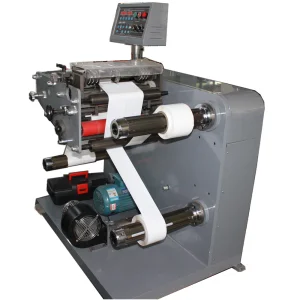
Following printing, the web is laminated to apply protective overlaminates or liner arrays. Die cutting is then performed. In this step, the machine's structural rigidity is paramount: a loose mechanical tolerance on a die cylinder can puncture the liner, causing web breaks during automatic labeling. Finally, high-speed slitters segment the main web into final rolls. Moveco's slitter-rewinders use computerized vacuum transfer systems and dual shaft rewind controls to guarantee clean roll profiles without telescoping or edge distortion.
Get technical explanations on ink adhesion, tension engineering, and tooling for polyester substrates.
Polyester (PET) is an inert polymer with low surface energy, which typically results in poor ink adhesion. Standard inks will bead or easily rub off after printing. Corona treatment exposes the PET film to a high-voltage electrical discharge, temporarily oxidizing the surface, increasing its chemical activity and surface tension (measured in dynes). This allows inks to wet out correctly and bond securely to the substrate.
Moveco utilizes precision-machined rotary die stations constructed with cast-iron side frames that undergo annealing treatment to prevent micro-deflections. Combined with servo-driven tension profiling, our systems maintain a consistent depth gap control down to micron levels. This ensures the die tool cleanly shears the face stock and adhesive layers without damaging ultra-thin 18-30um PET release liners.
Automotive applications typically require solvent-based acrylic adhesives. Unlike emulsion (water-based) or hot-melt adhesives, cross-linked solvent acrylics provide high resistance to harsh automotive fluids, plasticizers, and continuous operating temperatures up to 150°C. They are engineered to adhere well to low-surface-energy (LSE) plastics and rough cast-metal components.
A Central Impression (CI) flexo press anchors the PET film web against a single, temperature-controlled steel drum during the printing cycle. This prevents stretching, thermal expansion, and mechanical shifting between color stations. CI flexo presses are ideal for thin, tension-sensitive polyolefin and PET films, ensuring tight color registration compared to inline systems.
Explore additional digital label printing, high-speed rewinding, and automated hot-stamping configurations.
 Moveco Machine