OEM/ODM Smart Inspection Solutions Supplier & Exporter

Pioneering High-Precision Optical Defect Detection, Web Inspection, and Advanced Intelligent Label Converting Systems for Global Printing and Packaging Standards.

Intelligent Vision Inspection: The Paradigm Shift in Converting & Label Printing

Analyzing high-precision surface defect detection, dynamic tension control, and the integration of CCD imaging inside smart machinery.

In the modern high-speed printing, converting, and packaging sectors, quality standards have transitioned from statistical sampling to a mandate for 100% real-time surface inspection. High-speed roll-to-roll machinery runs at velocities up to 150m/min or 200m/min. At these speeds, human detection of microscopic defects—such as ink spots, color registration shifts, missing prints, streaks, hot stamping foil peeling, or die-cutting misalignments—is physically impossible. This demand has spurred the development of advanced smart inspection solutions, integrating high-speed CMOS/CCD line scan cameras, intelligent deep learning algorithms, and high-performance servo motor drives. These systems guarantee that every single linear meter of material delivered to downstream industries satisfies zero-defect criteria.

The Architectural Integration of Smart Inspection with Slitting, Die-Cutting, and Printing Lines

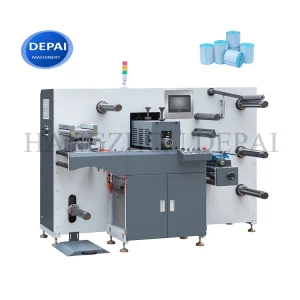
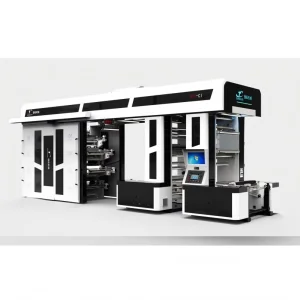
Smart inspection is not merely a post-process check; rather, it is a fully integrated real-time closed-loop system. When embedded directly within central drum CI flexographic printers, intermittent labels presses, or high-speed slitter-rewinders, vision systems perform continuous, non-contact optical scanning of the moving web. Linear encoders monitor the precise speed of the web, syncing the image acquisition rate of the high-resolution camera. If a discrepancy exceeding the pre-established pixel threshold is identified (such as a 0.1 mm² spot or a minor hue fluctuation), the master PLC logs the absolute coordinate of the defect relative to the roll start. In subsequent slitting or rewinding stages, the machine automatically slows down, positions the precise defect on the splicing table, and permits the operator to correct or reject the flawed section prior to final product shipping.

0.1mm²
Defect Accuracy
300m/m
Max Processing Speed
100%
Web Visual Quality
0.05mm
Servo Reg. Precision

Macro Industry Trends Shaping the Global Inspection Domain

The convergence of Industry 4.0 paradigms and smart optoelectronics has introduced several critical macro trends:

  • Artificial Intelligence & Neural Network Classification: Traditional vision systems relied on static threshold settings, which often caused false alarms due to natural material textures. Modern smart inspection utilizes convolutional neural networks (CNNs) to classify defects in real time (e.g., distinguishing a harmless dust particle from a critical ink drop).
  • Integrated Inspection-Converting Hubs: Rather than utilizing isolated machinery for printing, die-cutting, slitting, and inspecting, packaging factories prefer inline multi-station hybrid machines. This consolidates processes and eliminates intermediate handling damage.
  • Traceability and Cloud Analytics: Global supply chains require full tracking. Inspections compile a "roll map" stored in SQL databases or cloud repositories, allowing pharmaceutical and luxury brand buyers to review the exact quality log of the packaging material they acquire.

China's Dynamic Supply Chain and Manufacturing Advantage in Smart Inspection Equipment

Guangdong, China, stands as the premier global cluster for packaging machinery and electronic systems. Sourcing smart inspection and converting machinery from factories in this region, such as Guangdong Moveco Machine Co., Ltd., offers substantial competitive benefits:

  • Unparalleled Supply Chain Integration: Within a 100-kilometer radius, factories secure raw casting beds, precision guide rails, high-end pneumatic components, industrial cameras, and advanced servo drives. This geographic density drastically reduces lead times for bespoke machinery.
  • Advanced Heavy-Duty Manufacturing Foundations: Moveco's use of one-piece precision casting with strict thermal annealing treatment removes internal stress from mechanical parts, establishing the rigid framework required to eliminate micro-vibrations—a critical factor for high-resolution cameras.
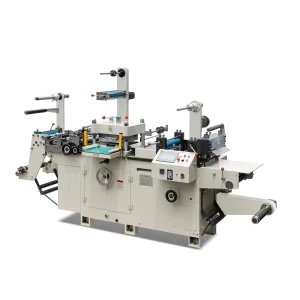
  • Unmatched Customization & OEM/ODM Competency: Engineers customize tension control parameters, design unique dual-station die-cutting geometries, and incorporate specific camera brands to align with regional industrial standards (such as CE, UL, or CSA).

Guangdong Moveco Machine Co., Ltd.

Empowering the Global Label & Packaging Sectors with Engineering Excellence and Automation

Guangdong Moveco Machine Co., Ltd. is a leading professional manufacturer specializing in the research, development, production, and sales of advanced label printing, converting, and finishing equipment. Backed by extensive industry experience, state-of-the-art manufacturing facilities, and a highly skilled engineering team, Moveco delivers innovative, efficient, and reliable solutions for the global label printing and flexible packaging industry.

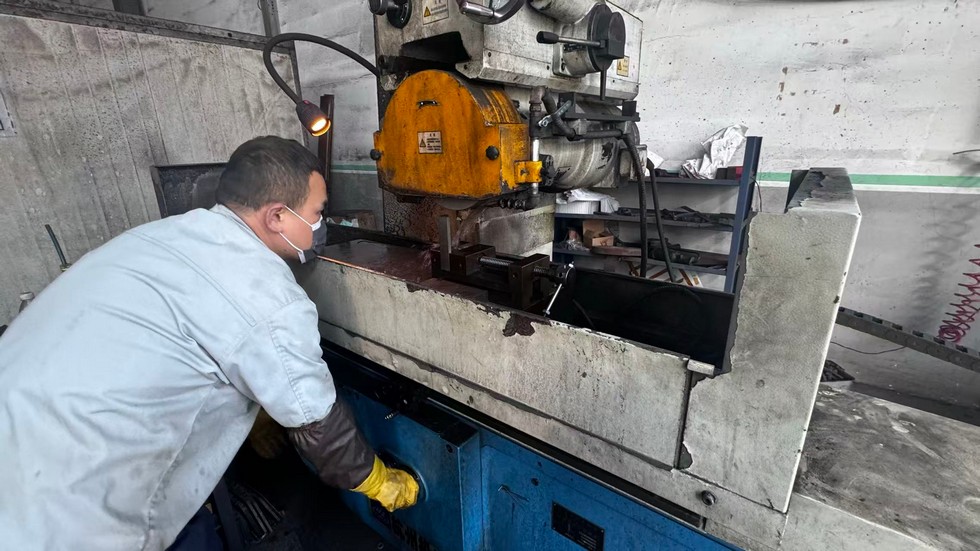
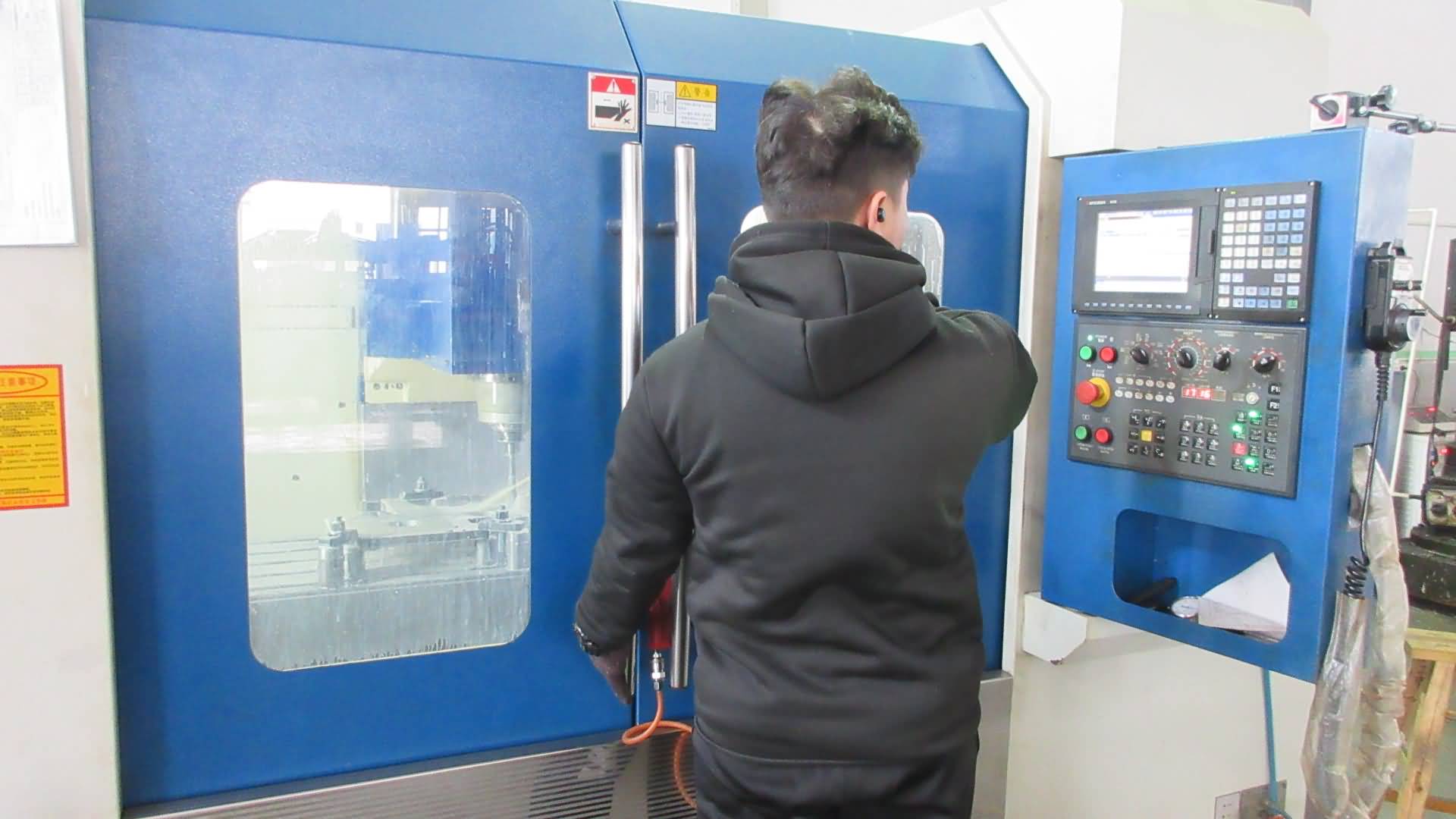
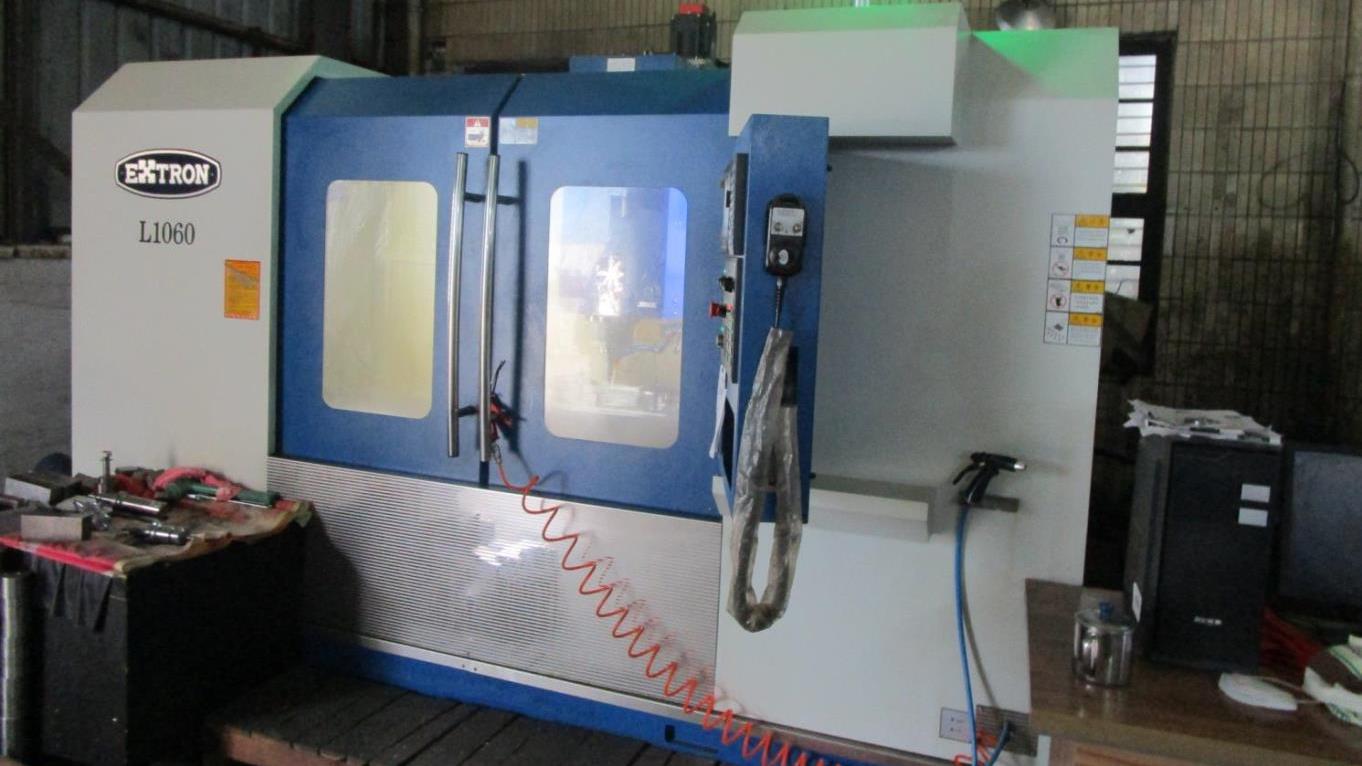
Our manufacturing unit integrates advanced CNC machining equipment, including high-precision lathes, milling machines, grinding machines, and other precision processing systems. Supported by experienced technical professionals and a strict quality management system, every machine is manufactured to meet international quality standards, ensuring excellent performance, long service life, and reliable operation.

Intelligent Control Systems

User-friendly touch-screen interfaces, precision multi-axis servo drive technology, and intelligent registration loops ensure high-speed production with minimal setup waste.

Precision Hardened Structures

Main machine structures are cast as single units and undergo heat treatment to remove internal stress. Ground gears and high-precision bearings prevent vibration-induced inaccuracies.

Advanced Tension Controls

Closed-loop load cell tension regulators adjust feed rollers instantly to manage complex substrates including thin films, laminates, heavy paperboards, and adhesive stocks.

Moveco Manufacturing Process & In-House Capabilities

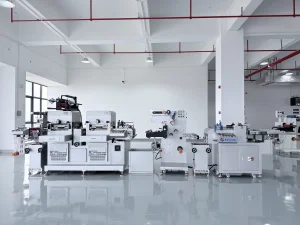
Take a closer look at our specialized production facilities, CNC processing centers, and final quality control operations.
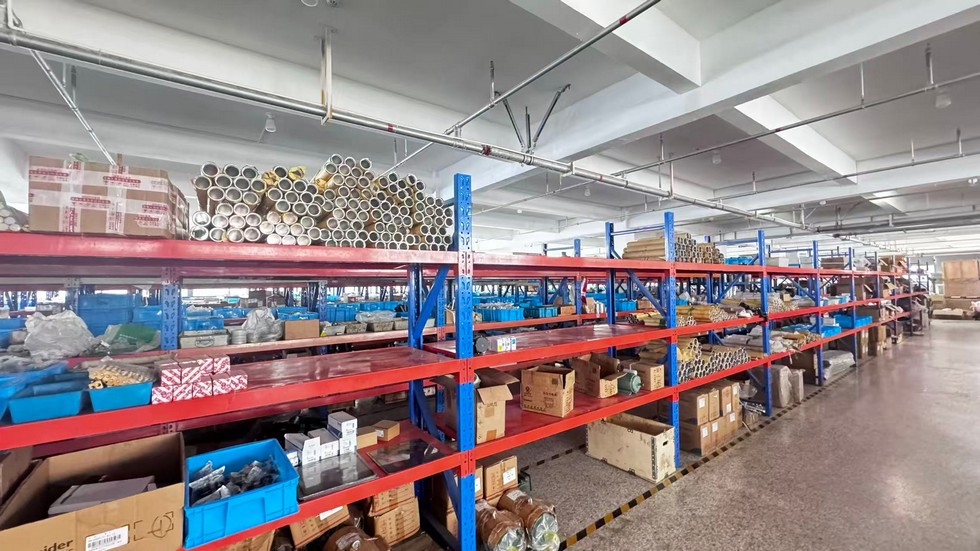
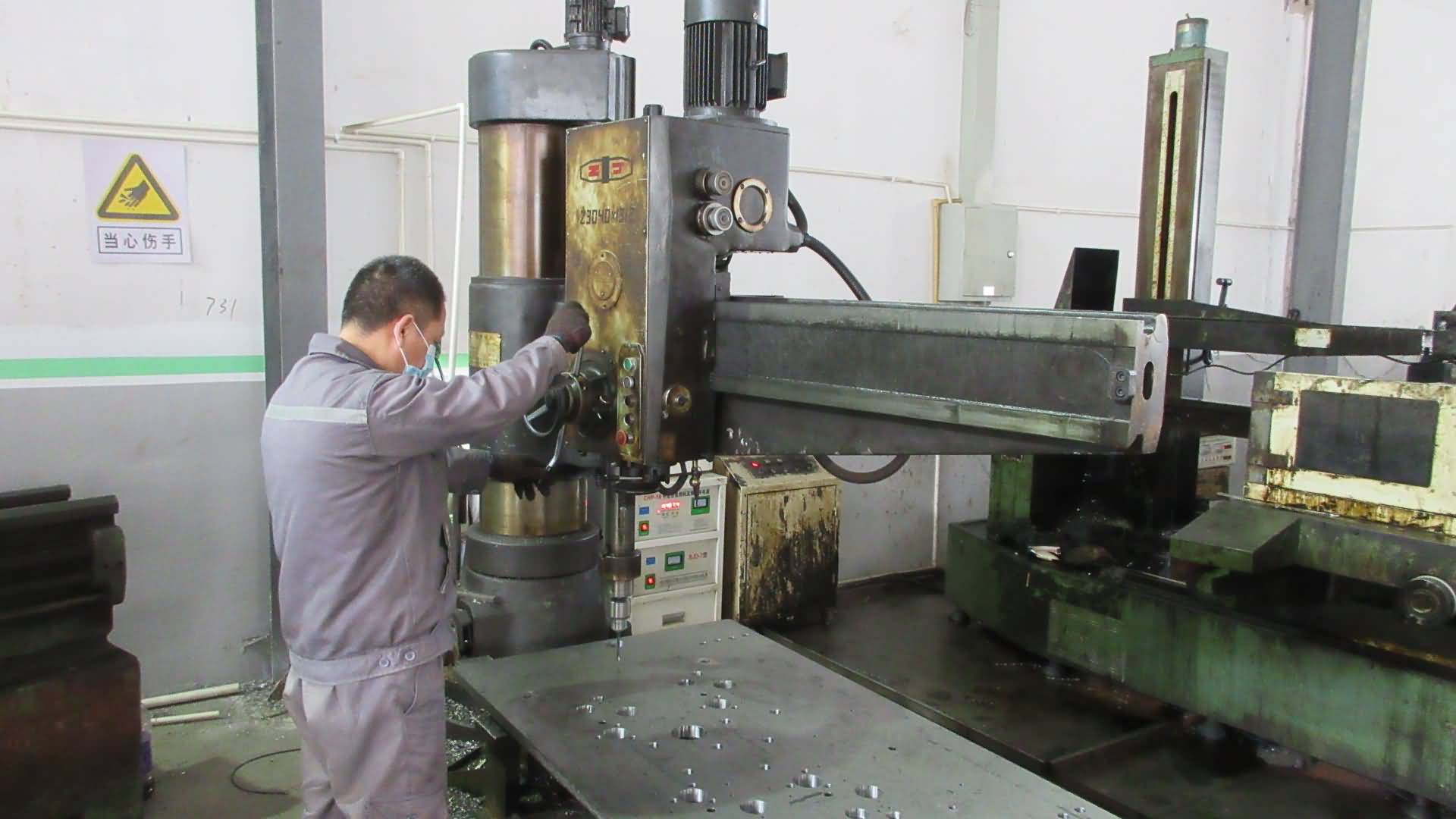
Raw Material Selection for Printing & Converting Machinery
Raw Material
Precision Drilling Process for Machine Cast Frame
Drilling
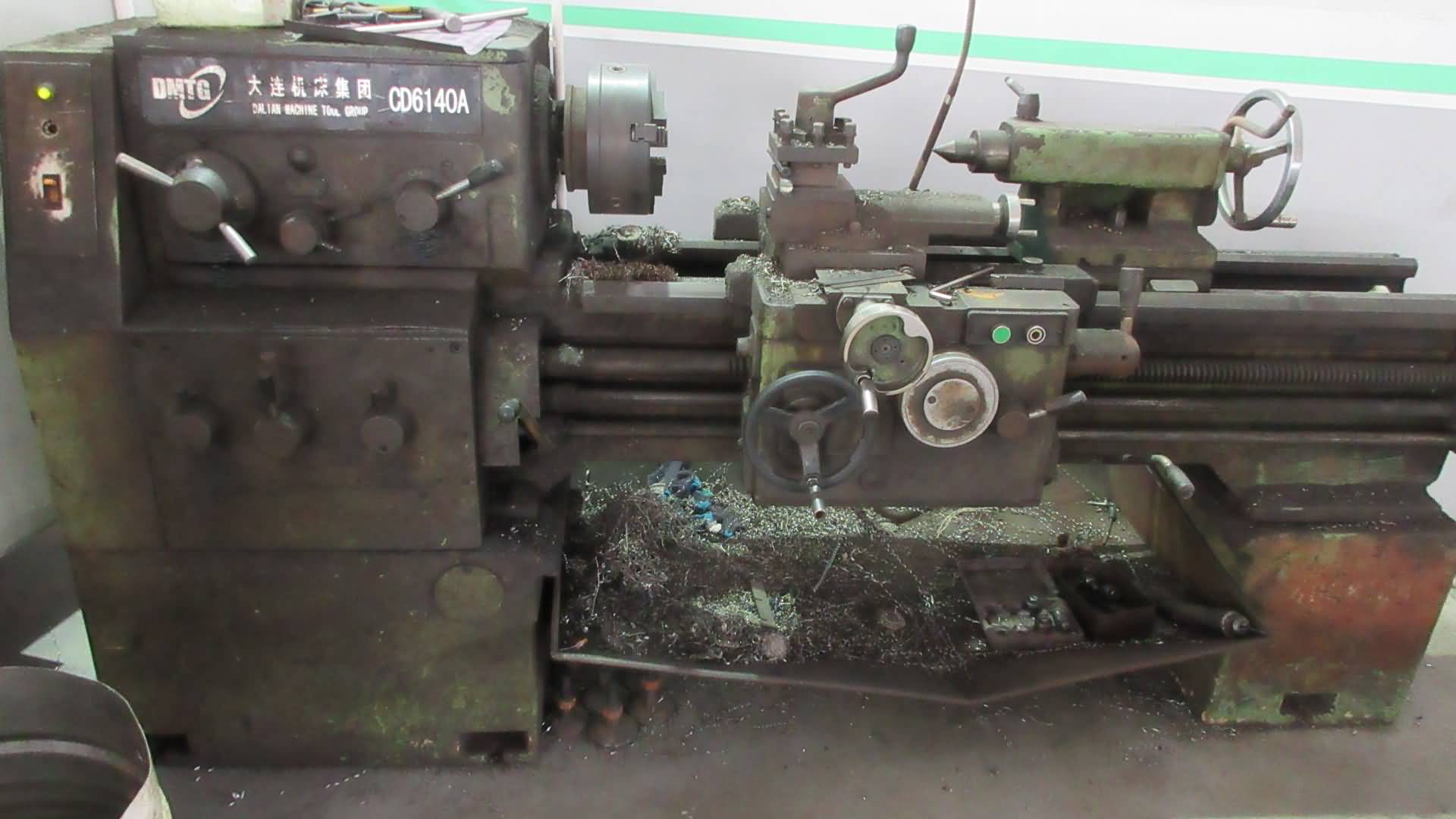
Heavy Duty Lathing Process for Cylinders & Rollers
Lathing
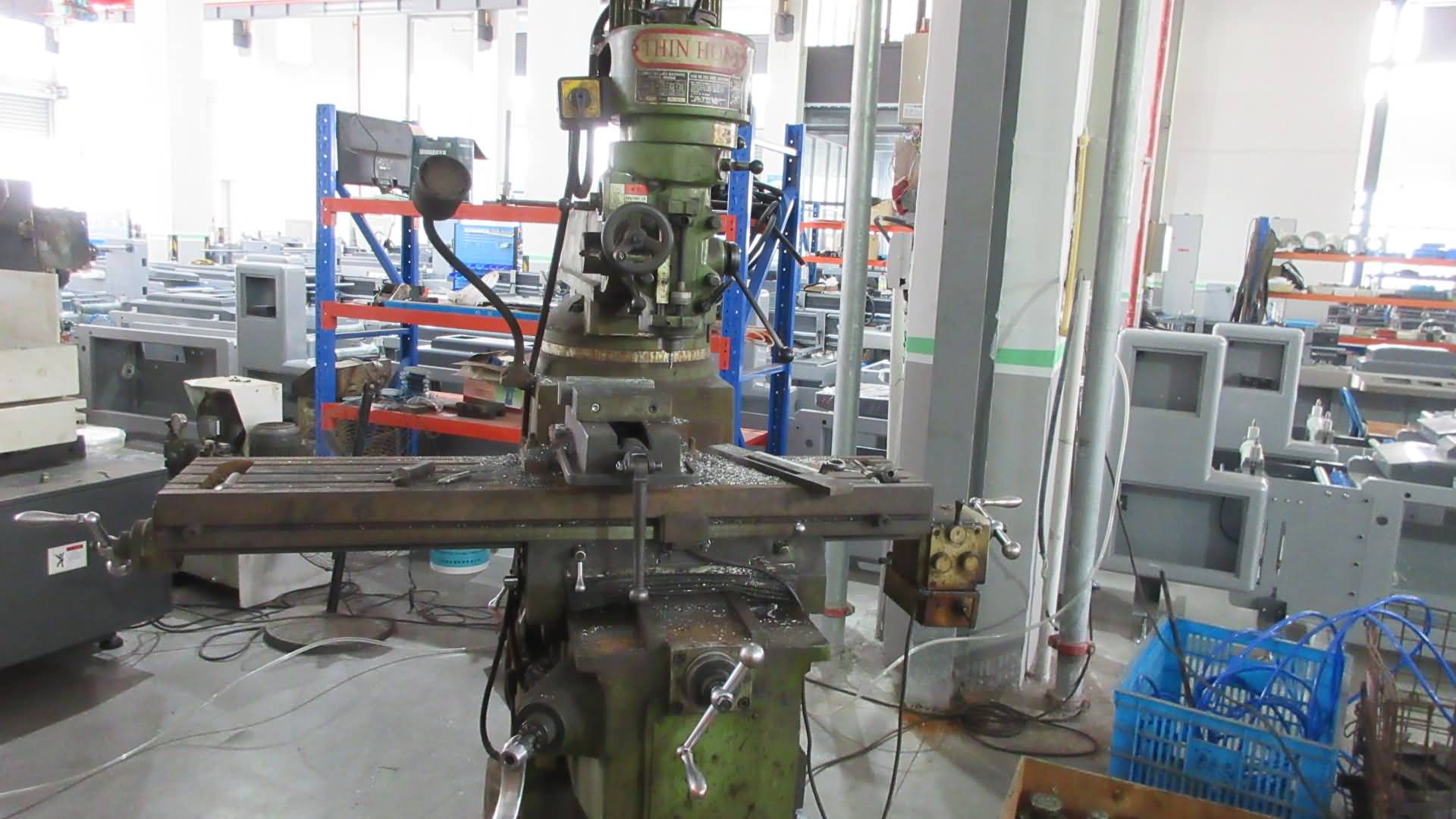
Precision CNC Milling Process
Milling
Super-finishing Cylinder Grinding Process
Grinding
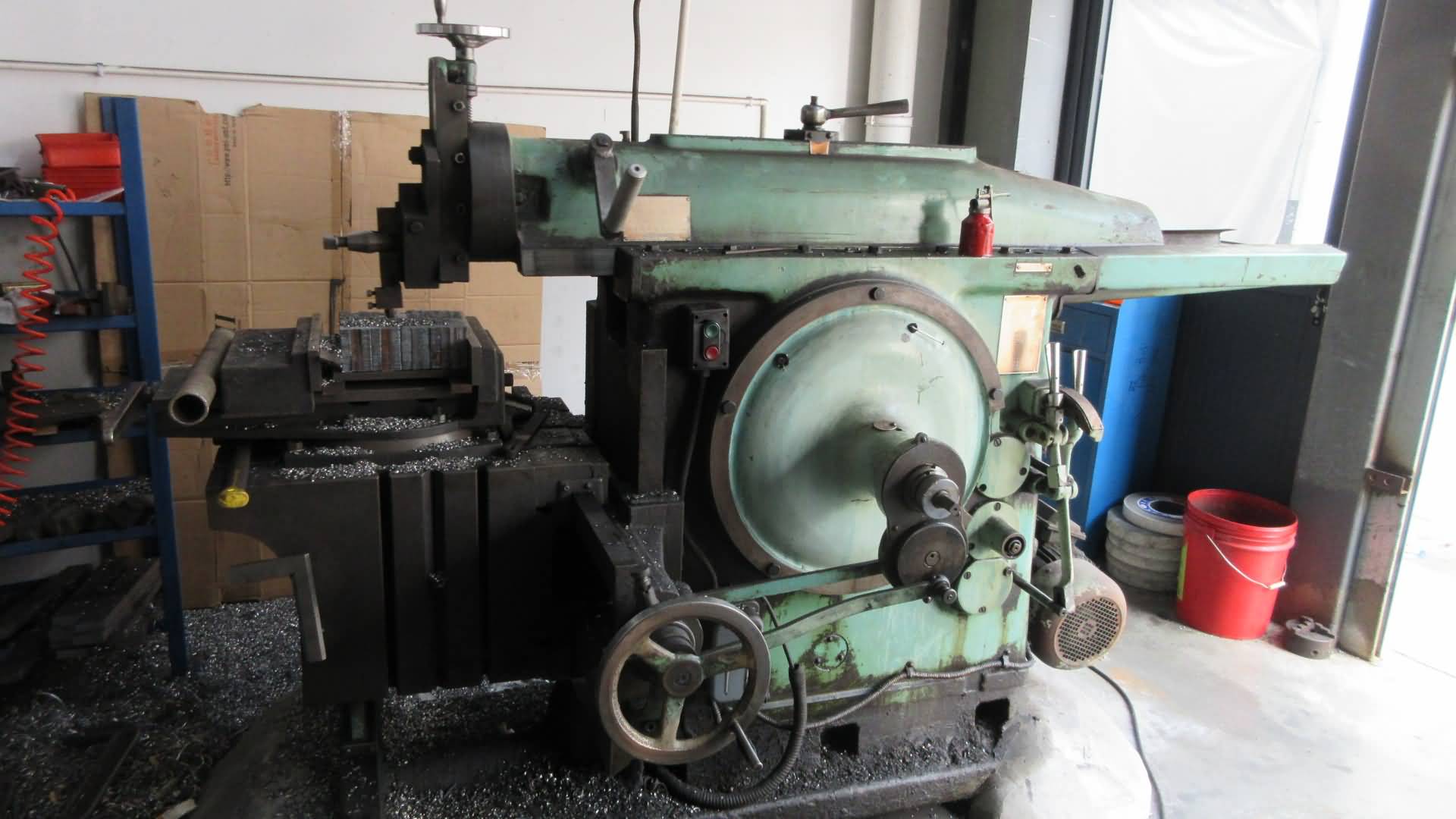
Profile Metal Cutting Operations
Cutting
High Precision CNC Parts Machining
Machining
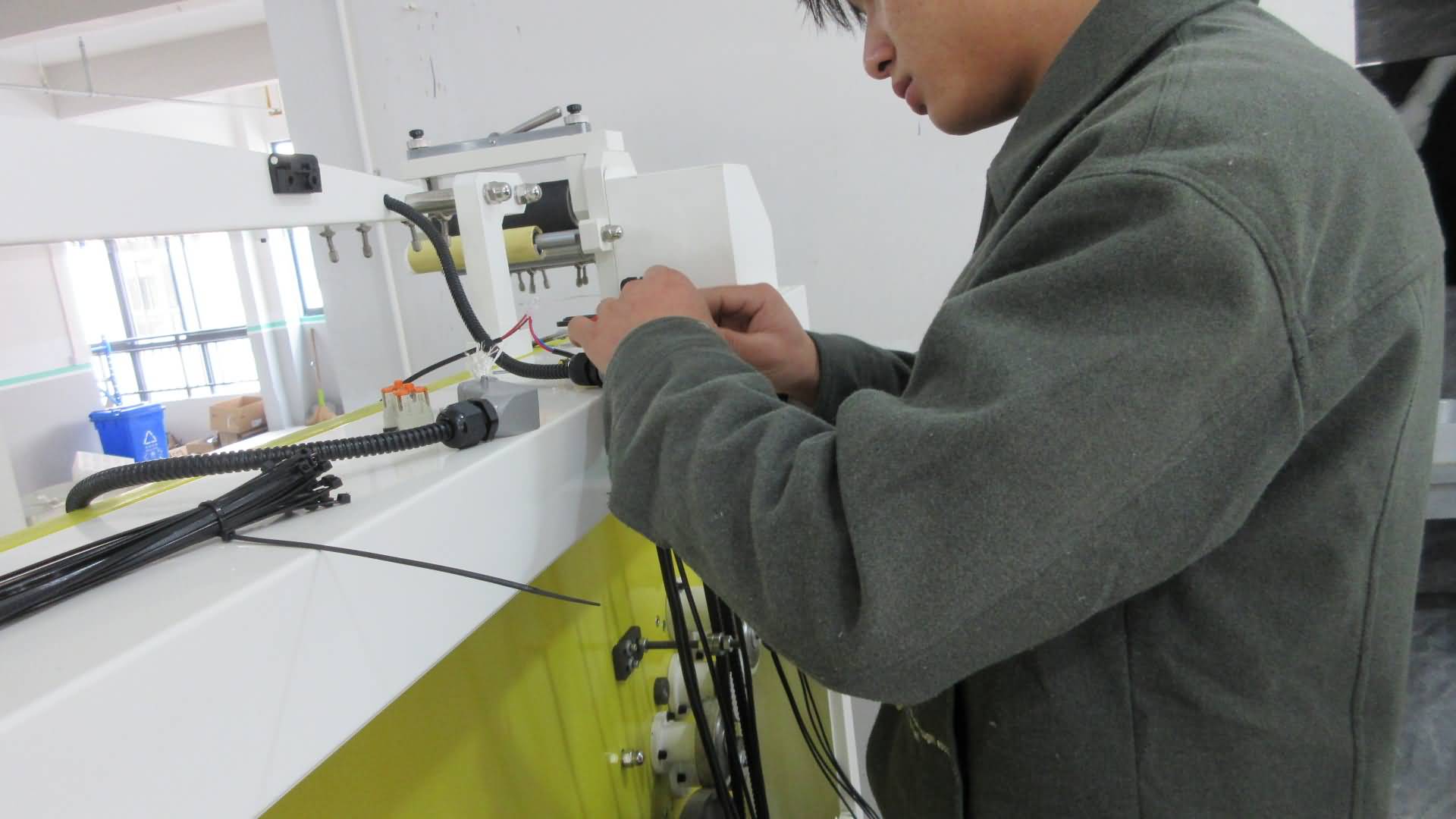
System Assembly and Wiring Integration
Assembling
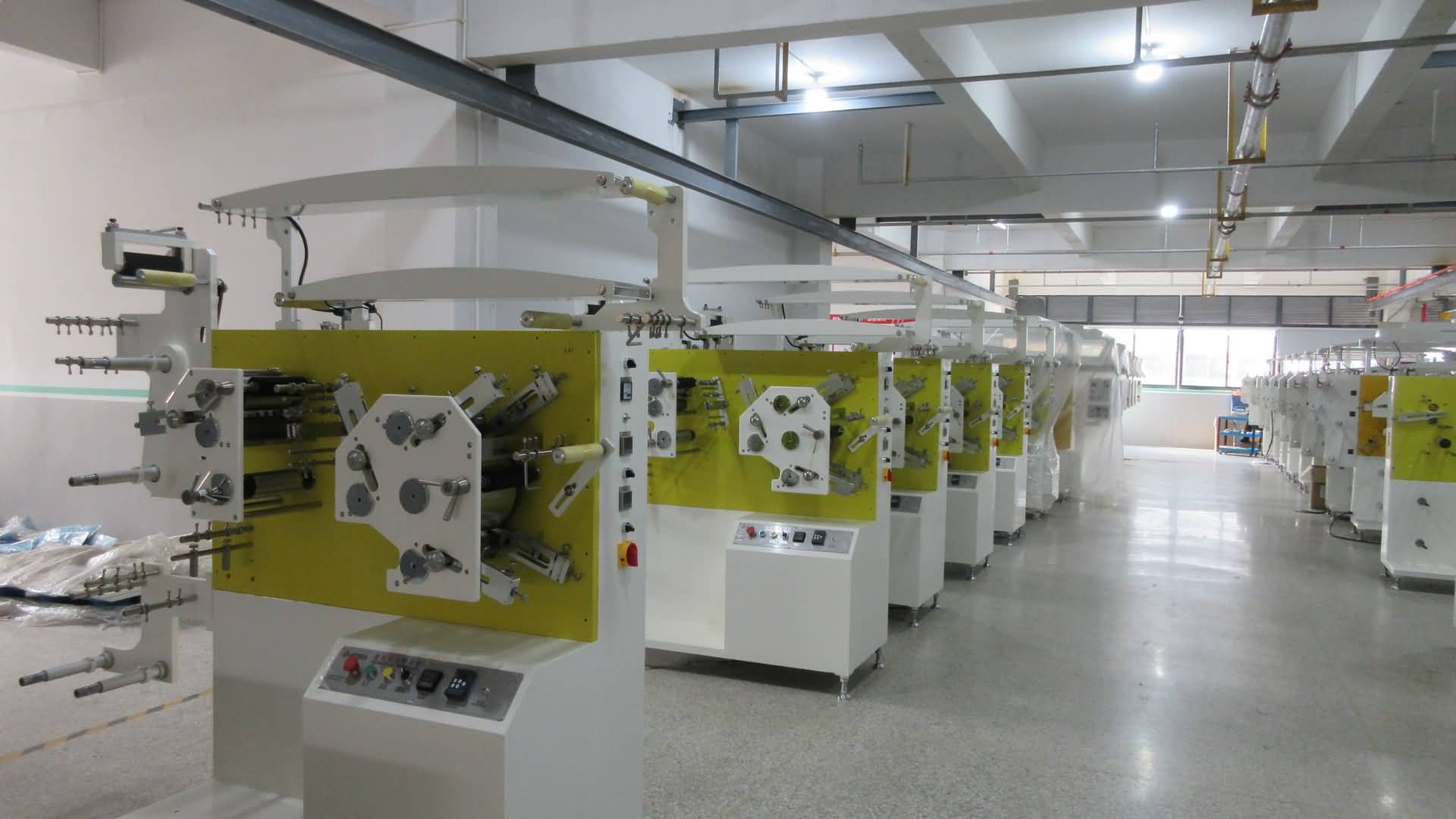
Finished Machinery Storage Warehouse
Warehouse
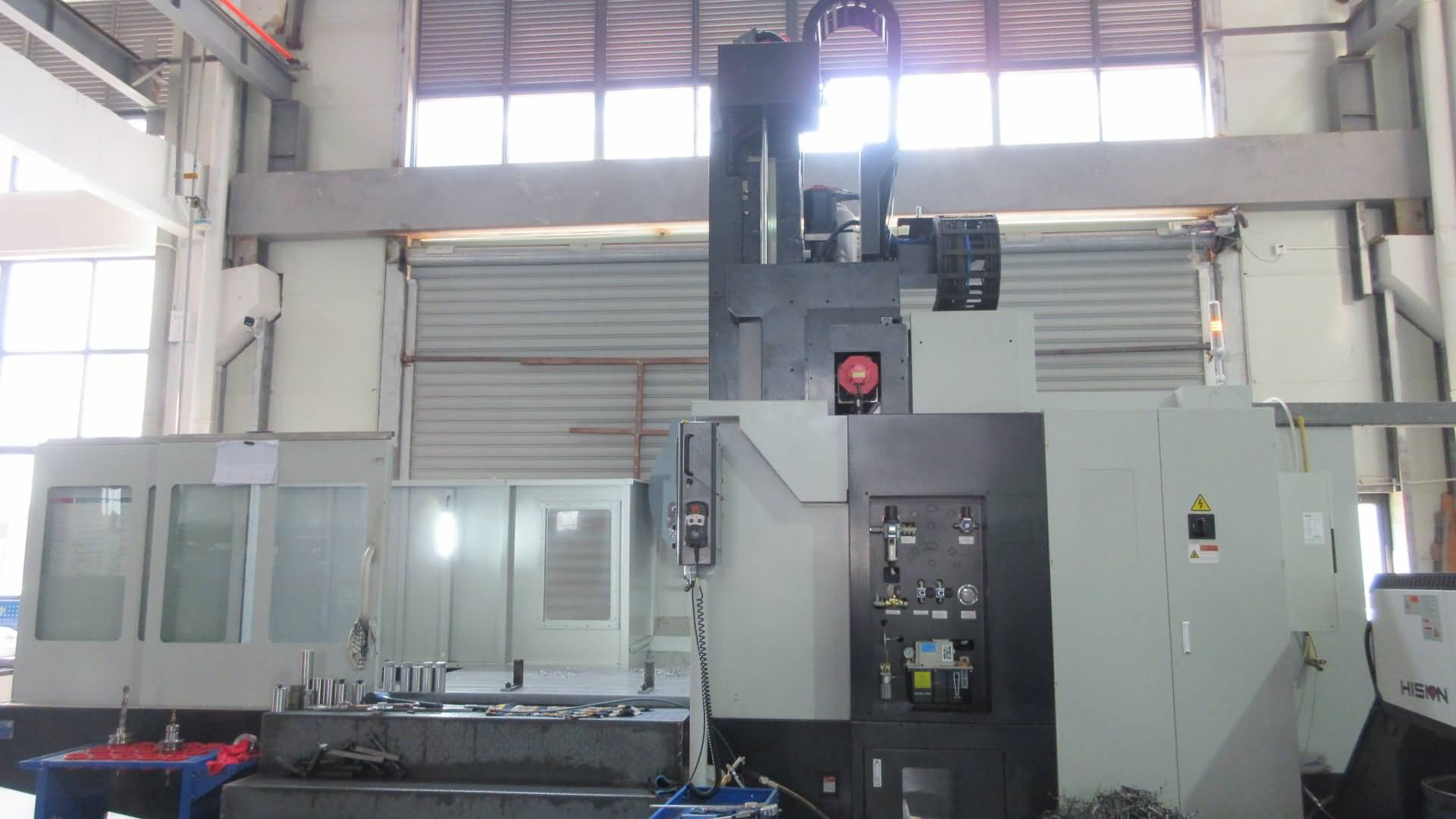
Heavy-duty Gantry Large Machining Center
Large Machining Center
Precision Machining Center for Structural Parts
Machining Center

Strategic Integration of High-Precision OEM/ODM Customization

Global conversion enterprises present varying mechanical requirements depending on target substrates and regional standards. An off-the-shelf system often fails to integrate seamlessly into complex production configurations. Moveco addresses this via an integrated, structured OEM/ODM engineering process:

  1. Requirement Mapping: Analyzing target web materials (from 12μm PET film to 450gsm paperboard), web widths, inline process needs (e.g. cold foil stamping, double die-cutting stations, corona treating), and desired inspection precision parameters.
  2. Modular System Engineering: Leveraging parametric 3D CAD modeling to adjust base frames and roller configurations. Users can select inline inspection camera modules, UV LED curing integrations, or specialized slitting assemblies.
  3. Precision In-house Manufacturing: Utilizing our gantry CNC machining centers and deep grinding tools, all critical frame components and cylinders are machined directly in-house to guarantee alignment tolerances within ±0.01mm.
  4. Integrated Inspection Testing: Prior to shipment, machines undergo complete high-speed testing runs using customer-supplied materials to verify camera performance, defect capture logging, and closed-loop control system accuracy.

Optimizing Local Packaging Across Global Sectors

Modern packaging lines must comply with strict region-specific regulatory frameworks:

  • Pharmaceutical Sector: Requires 100% defect inspection to prevent printing errors on dosage labels or instruction sheets, compliant with strict FDA regulations and GMP requirements.
  • Cosmetics & Luxury Brands: Demands premium aesthetic appeal. Systems identify hairline scratches, metallic foil registration errors, and subtle color variance in hot-stamping zones.
  • FMCG & Flexible Packaging: High-speed CI flexo printing on thin plastic film requires precise tension control to avoid substrate stretching during thermal drying and inline scanning.

Technical FAQ - Smart Inspection & Converting Machinery

Get answers to common technical queries regarding defect detection capability, tension control systems, and custom OEM processes.

Q1: What types of flaws can the smart vision inspection system detect, and what is the minimum defect resolution?
The integrated high-resolution line-scan camera system detects diverse defects including ink drops, printing streaks, registration deviation, missing text, color variance, dust, and physical punctures. Operating at full production speeds (e.g. 150 m/min), the system identifies defect sizes down to 0.1 mm² on paper, adhesive labels, and PET/BOPP films.
Q2: How does Guangdong Moveco achieve structural stability to avoid vibration during high-speed printing?
Our machine base frames are engineered from premium one-piece cast iron and undergo a thermal annealing process. This process relieves residual mechanical stresses, ensuring the frame remains dimensionally stable. Precision ground gears, dynamic-balanced guide rollers, and heavy-duty bearings prevent vibration-induced artifacts, allowing cameras to capture clear images.
Q3: Can the tension control system handle variable substrates on the same machine?
Yes, our machines feature a closed-loop tension control system managed by PLC modules and feedback load cells. This system dynamically modulates magnetic powder brakes, clutches, or AC servo drives to maintain constant, precise tension profiles across materials ranging from ultra-thin films (12-micron BOPP) to heavy paperboard stocks.
Q4: What is the standard lead time for customized OEM/ODM label printing and inspection lines?
Standard specifications are typically prepared for shipping within 45 to 60 days. For highly customized multi-station lines that require bespoke rotary die-cutters, complex color configurations, or specific vision hardware integrations, the design and manufacturing cycle is typically completed within 75 to 90 days.
Q5: How is after-sales support managed for international clients?
We provide comprehensive remote technical support, including diagnostic VPN integrations directly into the machine's PLC. This allows our engineering team to troubleshoot, adjust software parameters, and update systems remotely. For physical servicing, we supply detailed documentation, video guides, and fast dispatch of replacement parts, and can arrange for onsite technicians as required.