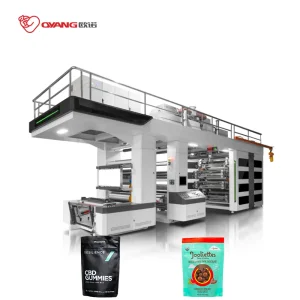
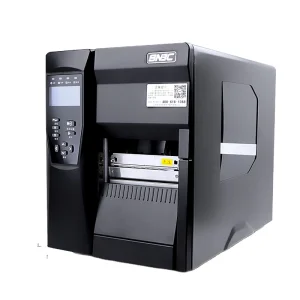
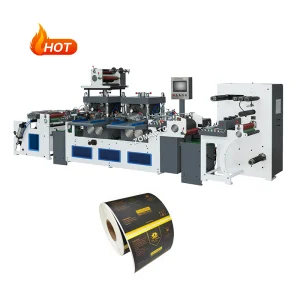
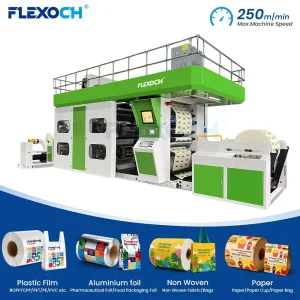
Explore our engineering breakthroughs featuring high-precision servo controls and multi-functional integrations.
In the highly competitive packaging and labeling sectors, the demand for precision, cost-efficiency, and versatility has driven the widespread adoption of intermittent die-cutting machinery. As modern manufacturing shifts from long runs to high-mix, low-volume (HMLV) production, conventional flatbed and continuous rotary die-cutting systems encounter limits. Traditional continuous rotary tools demand specific cylinder sizes for each label repeat length, driving up tooling inventory costs and setup times.
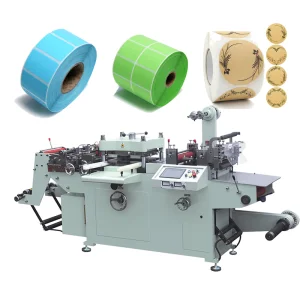
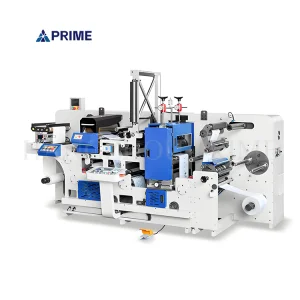
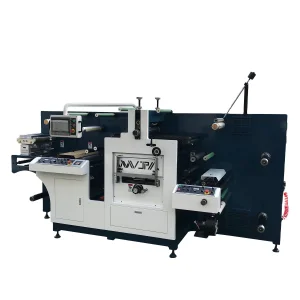
Intermittent die-cutting systems (often integrated into semi-rotary configurations) resolve this bottleneck. Utilizing a single universal cylinder, these advanced systems dynamically feed and reverse the web material in coordination with the rotation of the magnetic die cylinder. The result is custom cut lengths on a single tooling set, reducing make-ready times and scrap. This technology serves as the backbone of modern adhesive label, flexible packaging, and functional film converting processes worldwide.
Unlike full rotary configurations that require customized tooling cylinders for every job variation, intermittent technology moves the web back and forth dynamically. When the die completes a cut, the substrate is fed back with micrometer-level precision to register the next cut immediately adjacent to the previous one. This eliminates blank spaces and saves up to 15-30% in raw material wastage during short runs.
Global conversion facilities, labeling groups, and contract packaging businesses face pressure to deliver faster lead times with narrow tolerance requirements. Procurement teams from North America, Europe, and Asia-Pacific look to Chinese industrial manufacturers to fill this void, seeking systems that offer:
Guangdong Moveco Machine Co., Ltd. is a professional manufacturer specializing in the research, development, production, and sales of advanced label printing, converting, and finishing equipment. With years of industry experience, state-of-the-art manufacturing facilities, and a highly skilled engineering team, Moveco is committed to providing innovative, efficient, and reliable solutions for the global label printing industry.
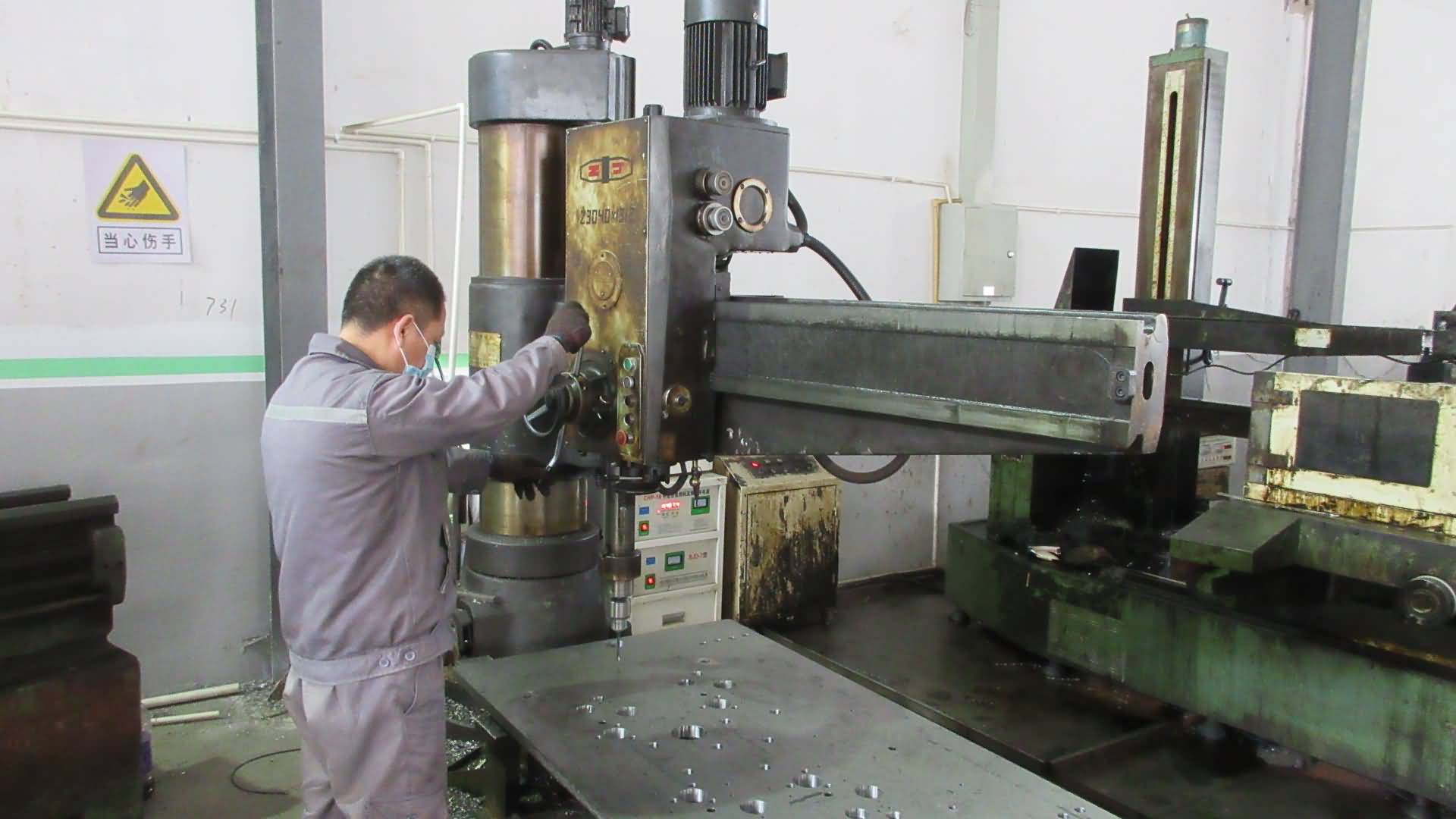
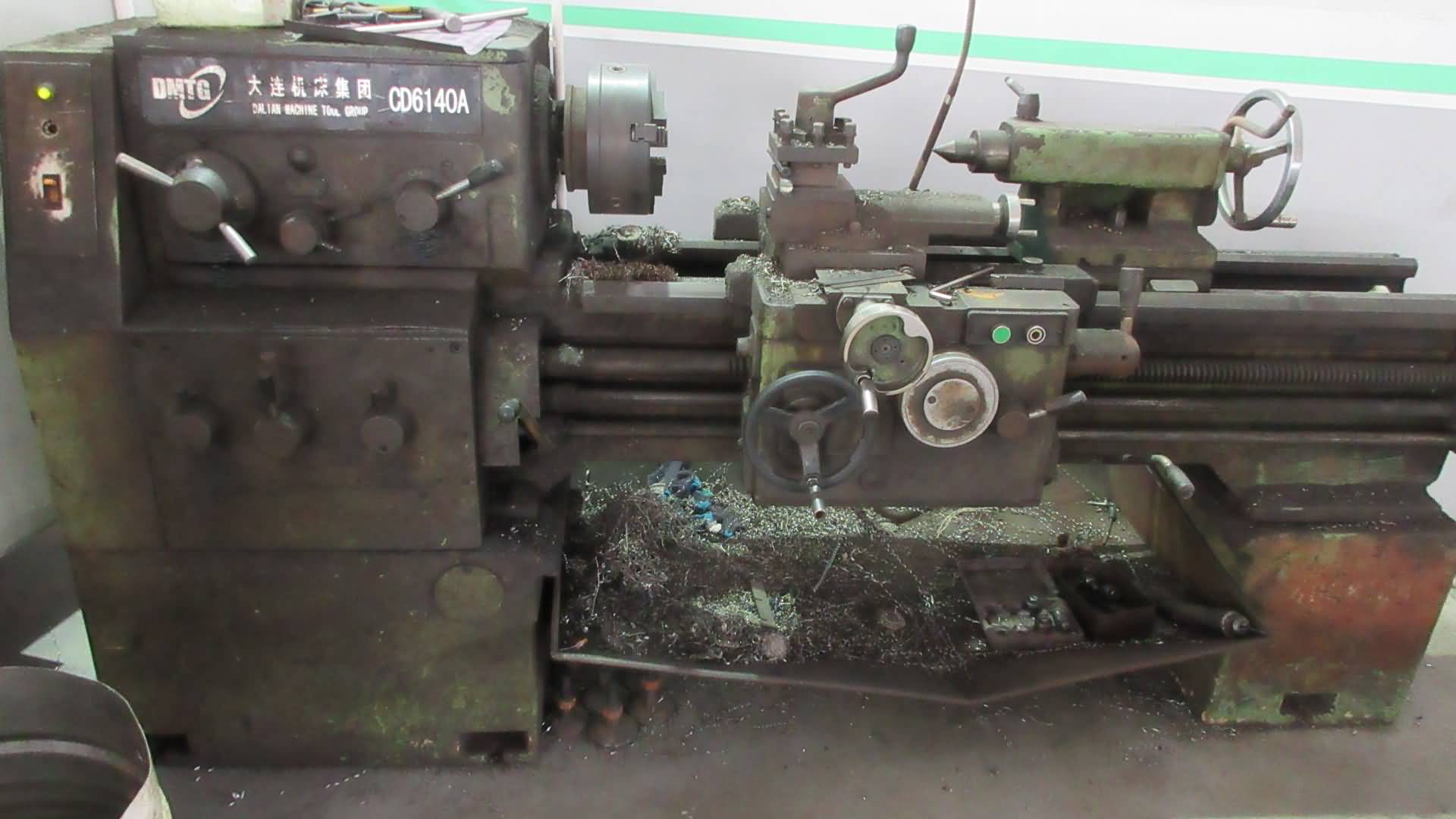
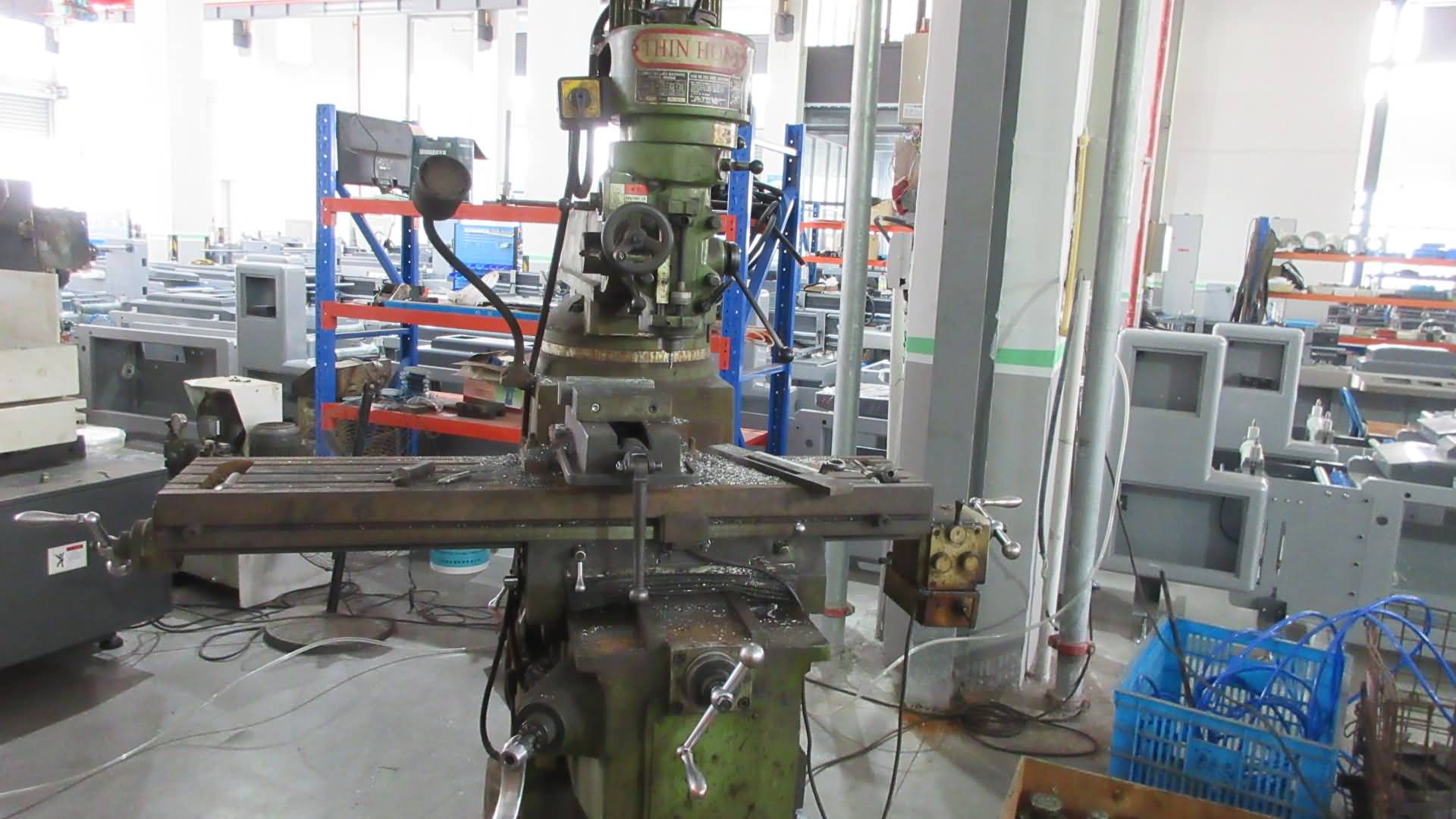
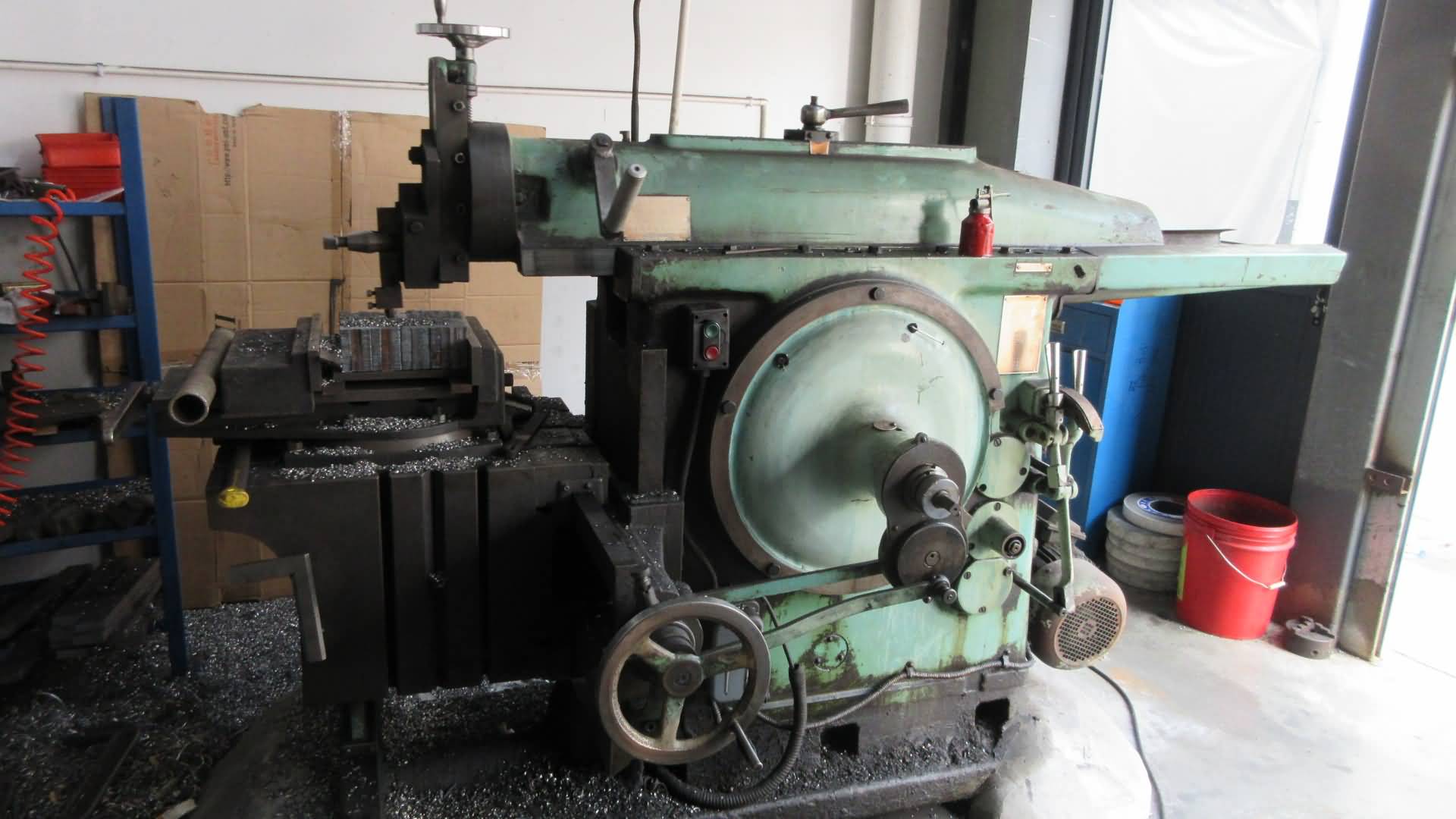
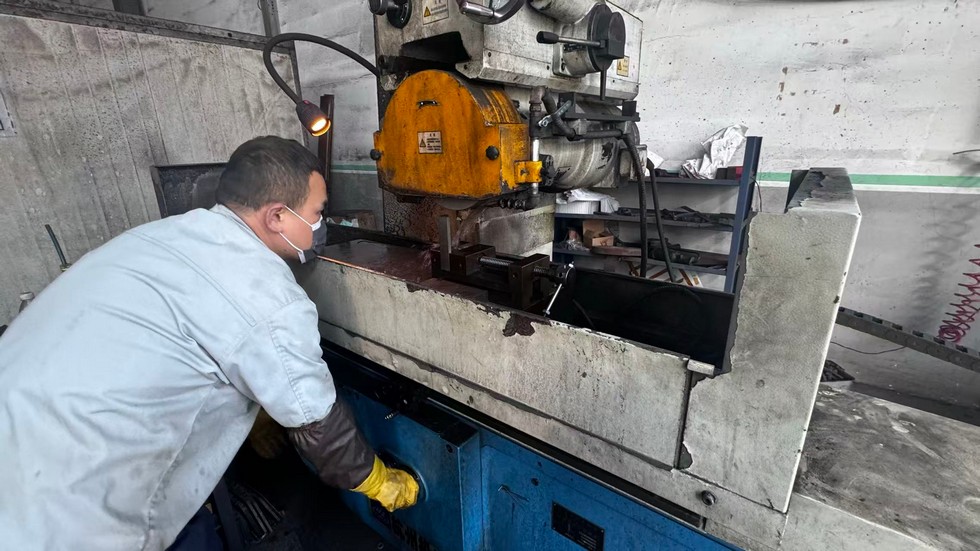
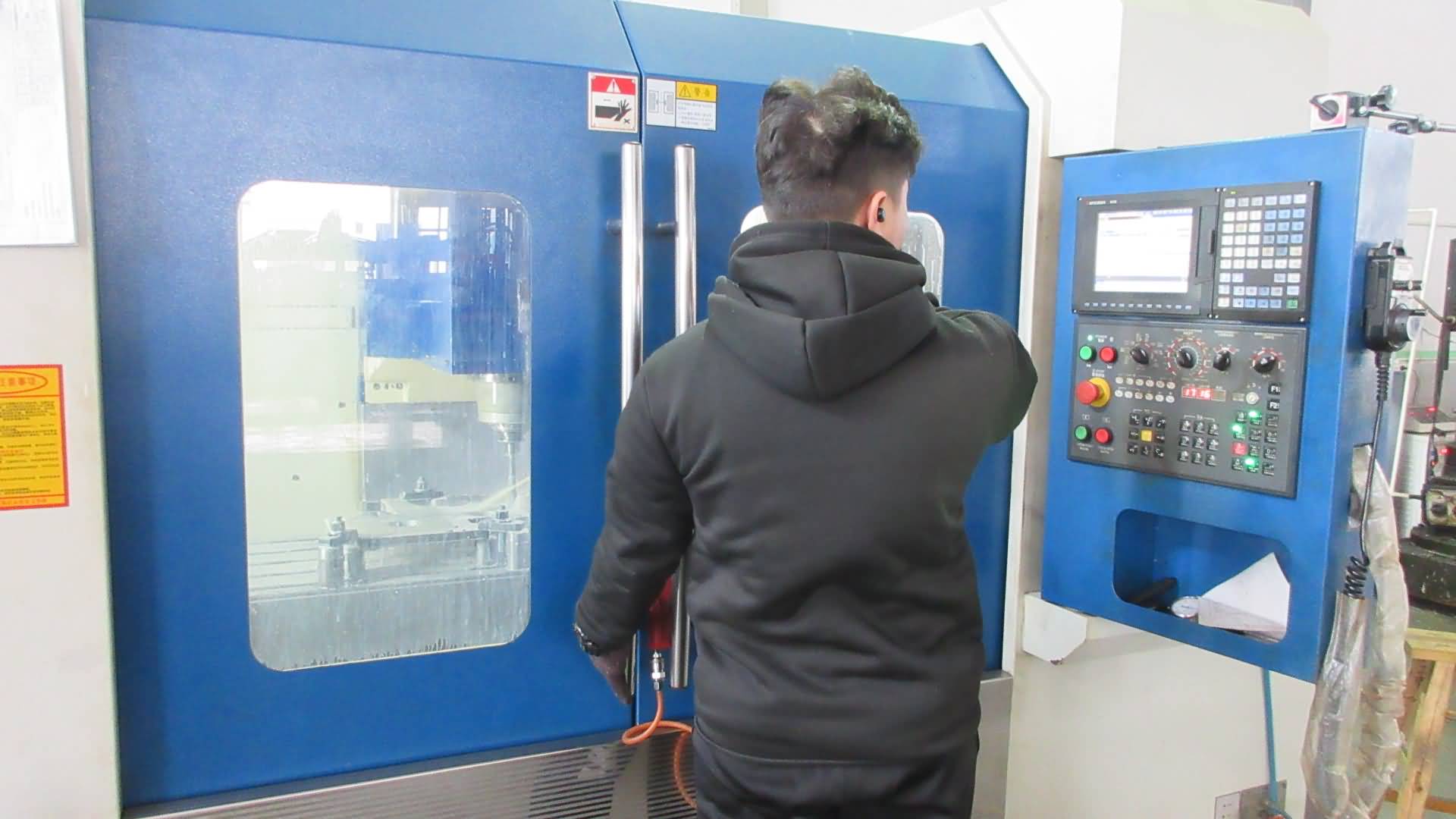
Our company has introduced advanced CNC machining equipment, including high-precision lathes, milling machines, grinding machines, and other precision processing systems. Supported by experienced technical professionals and a strict quality management system, every machine is manufactured to meet international quality standards, ensuring excellent performance, long service life, and reliable operation.
Moveco integrates advanced automation and intelligent control technologies into its equipment. Our machines are equipped with user-friendly touch-screen control systems, precision servo drive technology, and intelligent registration systems to achieve stable operation, accurate color registration, and high-speed production with outstanding printing quality. Different substrate tensions can be adjusted through the control interface, while automatic inking, washing, and quick-change cylinder systems significantly improve production efficiency and reduce downtime.
The main machine frame is manufactured through one-piece precision casting and undergoes annealing treatment to eliminate internal stress, ensuring exceptional structural stability and long-term accuracy. Key transmission components are driven by internationally recognized servo motors, providing high torque, low heat generation, minimal wear, and precise motion control. Surface-treated chrome-plated cylinders offer excellent scratch resistance, durability, and consistent printing performance.
Adhering to the philosophy of "Innovation, Quality, Efficiency, and Customer Success," Guangdong Moveco Machine Co., Ltd. continuously invests in technological development and product innovation. We are dedicated to providing customers with high-performance machinery, customized solutions, comprehensive technical support, and responsive after-sales service.
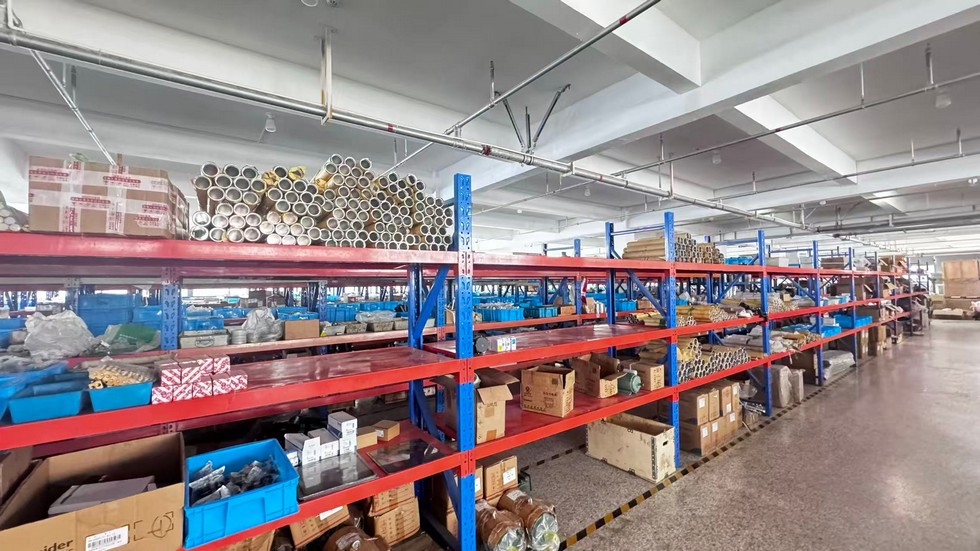
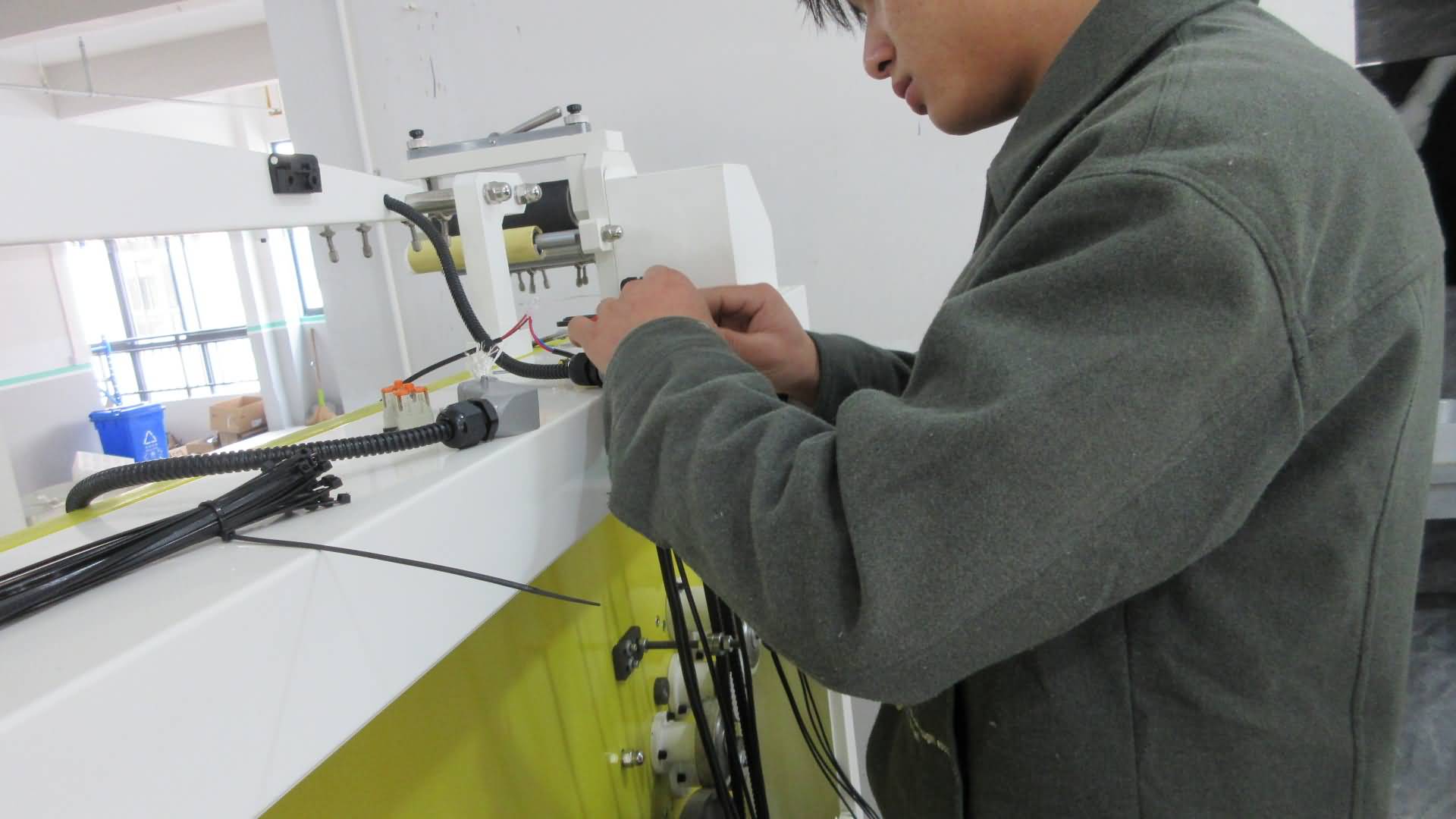
Take a closer look at our advanced CNC tooling, lathing, grinding, assembly, and testing workflows inside our high-tech industrial complex.
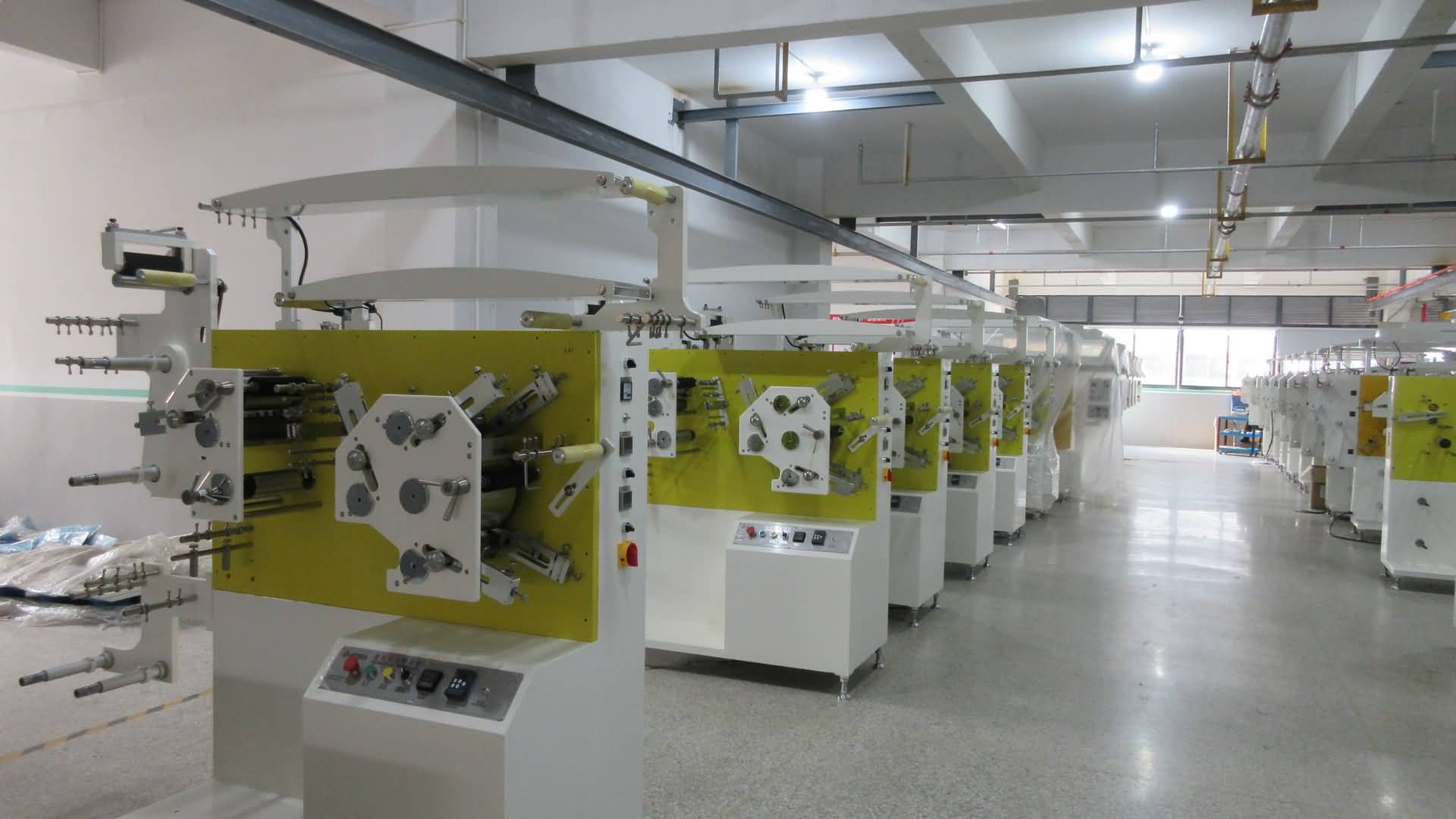
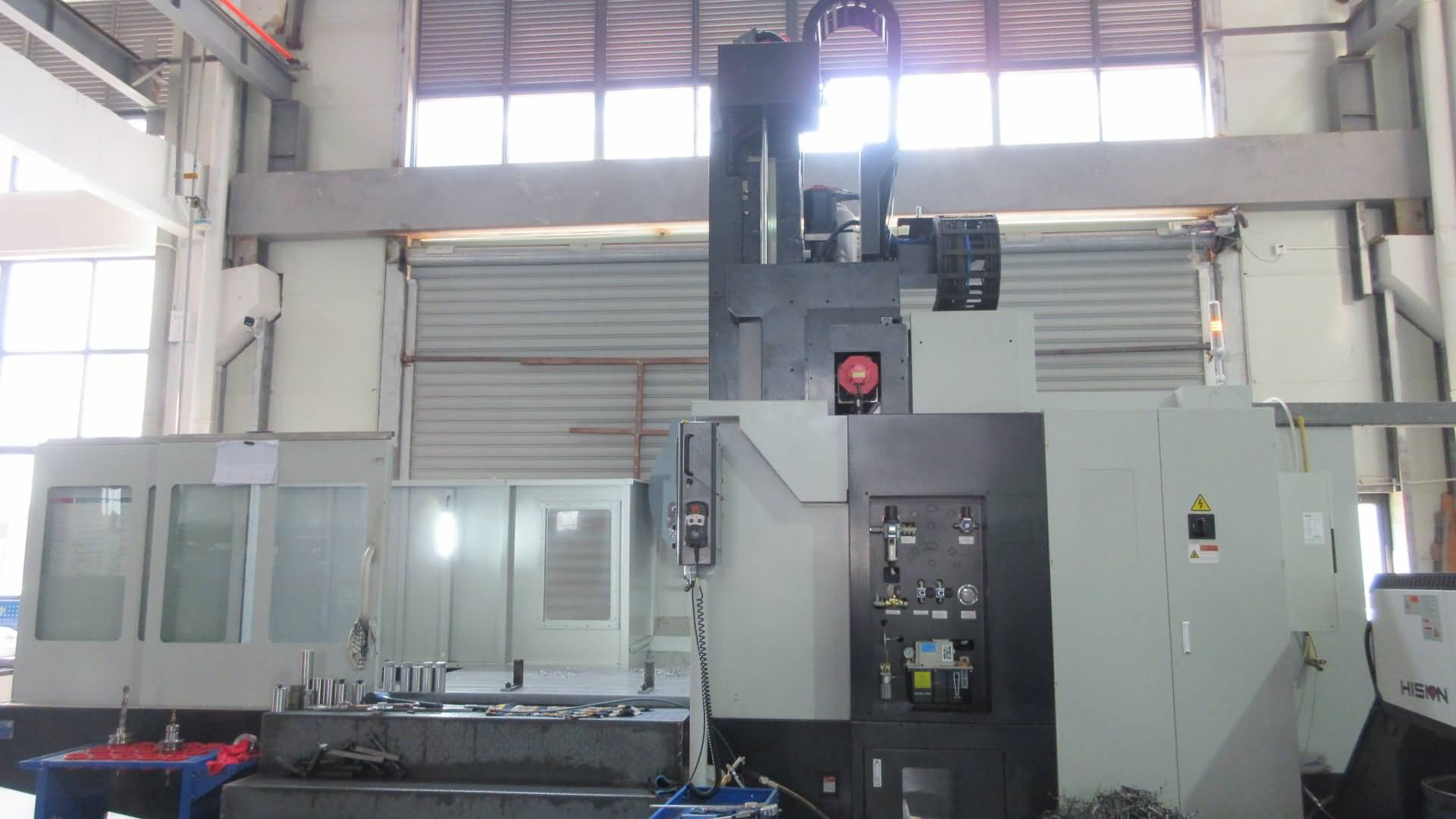
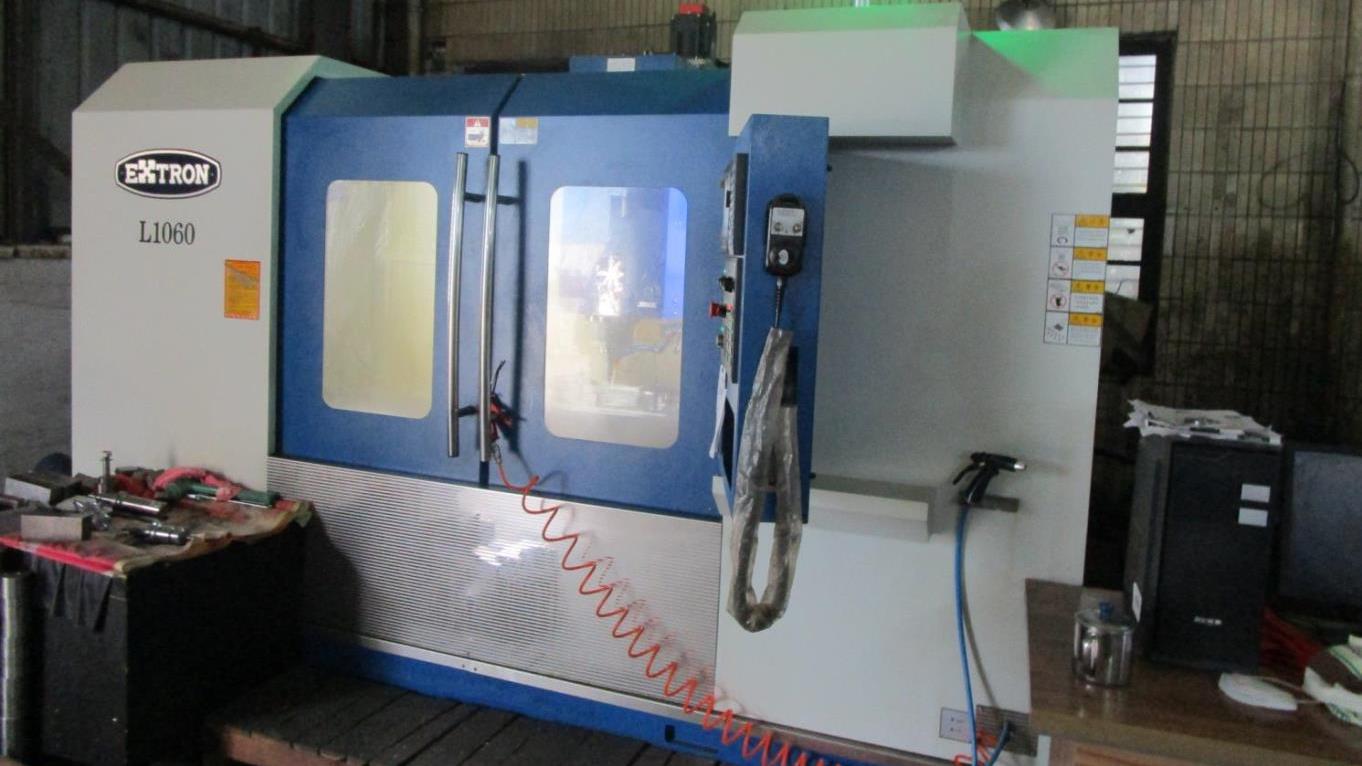
Intermittent converting machines are not standalone units; they function as core hubs within broader processing workflows. Modern print packaging groups deploy these systems to achieve specific manufacturing benchmarks:
For complex packaging constructions, such as pharmaceutical blister backings, peel-and-reseal cosmetic labels, or security tags, the machine handles multiple webs simultaneously. Using precise tension decoupling zones, these systems combine backing materials with face papers or protective films under dynamic pressure control.
As logistics and supply chain tracking rely more on smart packaging, integrating RFID chips inline is a priority. Intermittent machinery provides the necessary pause-and-cut cycles to insert sensitive transponders without damaging the microchip assemblies, running at high speed and with minimal waste.
By using modular configurations, processors can apply spot UV varnish, cold foil, or hot relief stamping before the die-cutting station. This inline workflow reduces the need for secondary material handling, keeping all registration steps tied to the same control computer to minimize drift.
The intermittent die-cutting industry is moving toward full digitalization and adaptive manufacturing. The roadmap is defined by three major technological shifts:
High-quality machinery requires reliable post-purchase support. For global converters, procurement decisions depend on the manufacturer's capacity to resolve technical issues quickly and provide ongoing operational service. Modern industrial machinery suppliers have adapted to this by creating comprehensive support structures:
Equipment is built in compliance with CE directives, UL standards for electrical enclosures, and RoHS environmental requirements. This ensures smooth installation and operation in standard factories worldwide, satisfying strict plant safety protocols.
Equipped with secure ethernet/Wi-Fi gateways, technicians can log into the machine's control system from afar. This allows them to update firmware, analyze error logs, and adjust control loops without waiting for a field technician to arrive on-site.
To reduce downtime, manufacturers use standardized electrical components from global brands like Schneider, SMC, and Yaskawa. This allows buyers to source emergency replacements from local suppliers, alongside critical components dispatched from central hubs.
Essential insights on choosing and maintaining high-precision intermittent die-cutting systems.
Complete your converting plant with our auxiliary systems, digital print options, and raw material handlers.
 Moveco Machine