Top China Roll to Roll Laminating System Factory & Suppliers

High-Precision Industrial Web Processing Machinery and Fully Automated Lamination Solutions

Premium Printing & Converting Systems

Explore our advanced roll-to-roll machinery engineered for supreme tension stability and precision alignment.
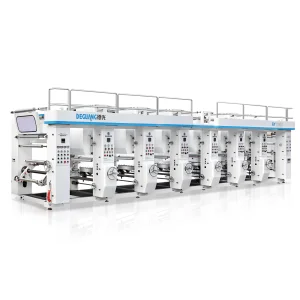
Narrow Web Color Plastic Rotogravure Printing Machine

Narrow Web Color Plastic Rotogravure Printing Machine Gravure Printing Press

View Technical Specifications
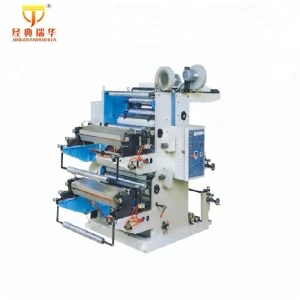
Automatic Non Woven Clothes Label Printing Machine

Low Price Automatic Non Woven Clothes Label Flex Letterpress Printing Machine With Long Service Life

View Technical Specifications
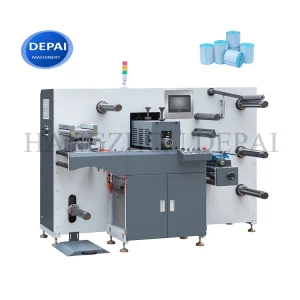
DEPAI 350 Intermittent Flexo Printing Label Die Cutting Machine

DEPAI 350 Model Intermittent Flexo Printing Labels Semi-Rotary Printed Label Die Cutting Machine

View Technical Specifications
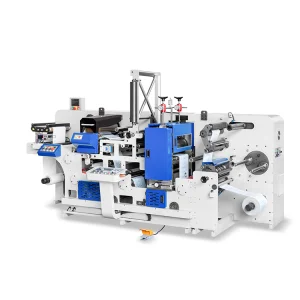
2026 BRM-350 Digital High Speed Machine

2026 BRM-350 Digital High Speed Intermittent Combination Machine

View Technical Specifications
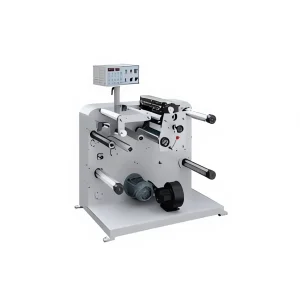
FQ-350 Computerized Slitting Rewinding Machine

FQ-350 Computerized Motor Label Paper & Self Adhesive Sealing Tape Slitting & Rewinding Machine (80m/min)

View Technical Specifications
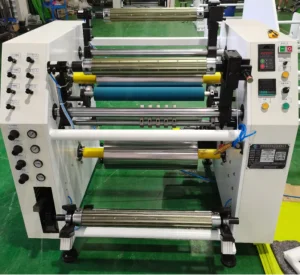
Semi-Automatic Cling Film Aluminum Foil Rewinding Machine

New Semi Automatic Cling Film Aluminum Foil Roll Rewinding Machine

View Technical Specifications
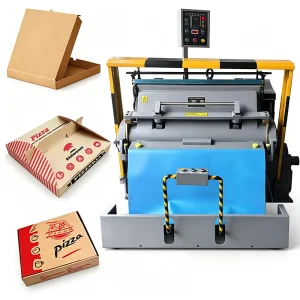
ML-930 Clamshell Die Cutter Manual Feeder Pizza Box Cutting

ML-930 Industrial Clamshell Die Cutter Manual Feeder Flat Die Cutting Machine For Pizza Box

View Technical Specifications
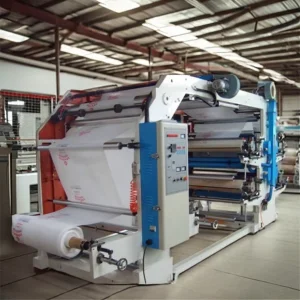
CE Certified Automatic Flexo 6-Colour Printing Machine

CE Certified Automatic Flexo 6-Colour Plastic Film Roll Printing Machine Letterpress Inkjet Printer

View Technical Specifications

Industrial Whitepaper: The Global Evolution of Roll to Roll (R2R) Lamination Technologies

1. Global Commercial & Industrial Status of R2R Systems

In the modern manufacturing landscape, the shift toward continuous processing has cemented the role of Roll to Roll (R2R) Laminating Systems as core infrastructure. Historically restricted to simple paper converting and packaging, modern R2R web processing now operates at the intersection of material science and nanotechnology. It is heavily utilized in producing flexible printed electronics, organic photovoltaics (OPV), barrier films for flat-panel displays, and polymer lithium-ion battery electrodes.

Globally, manufacturing enterprises require laminating machinery capable of handling thin, delicate substrates (down to 1.5 microns) at rapid web speeds while maintaining micron-level alignment. As demand rises in regions like Europe, North America, and Southeast Asia, manufacturers are moving away from batch systems toward high-capacity R2R systems. This transition minimizes material scrap, ensures high throughput, and yields the uniform adhesion essential for multi-layer composites.

2. The Efficiency & Supply Chain Advantages of China Factories

China has transitioned from a low-cost manufacturing site to a primary engineering hub for complex R2R and printing conversion systems. High-end factories in regions like Guangdong integrate comprehensive local supply chains, linking precision metal casting, advanced CNC component milling, and state-of-the-art servo electronics suppliers within a tight geographic radius.

This high localization allows Chinese suppliers to deliver heavy-duty structural frames—such as single-piece cast iron beds subjected to thermal annealing treatments—at lower costs than Western counterparts. Consequently, global buyers secure machines built with structural damping properties, high thermal stability, and premium electronic integration (including PLC systems, load cells, and sensor networks) at competitive prices. This cost efficiency allows factories to reinvest in testing, customized mechanical configurations, and rapid delivery schedules.

3. Emerging Trends: Smart Automation and Green Manufacturing

The future of R2R laminating systems focuses on intelligence and sustainability. High-speed systems now incorporate integrated AI Optical Inspection Systems that monitor surface defects, delamination zones, and contaminants in real-time, instantly tagging anomalies without halting production lines.

From a green perspective, the industry is transitioning away from solvent-based laminating adhesives to solvent-free thermal-fusion and water-based adhesives. This shift requires precise thermal zoning in heating tunnels and optimized nip roller pressures. Modern systems are designed to minimize power consumption in dryer structures by reusing heat, helping multi-national factories align with strict ESG and carbon-neutrality targets.

Essential Technical KPIs

  • Tension Range: 5N to 500N continuous closed-loop control.
  • Web Alignment Accuracy: ≤ 0.1 mm via high-frequency edge position control (EPC/LPC).
  • Max Production Speed: Up to 150m-250m/min under continuous loading.
  • Substrate Thickness: 0.012mm to 0.4mm for polymer and foil materials.
  • Dryer Heat Control: PID digital regulation within ±1°C accuracy.

Moveco Engineering Standards

Engineered for maximum reliability, thermal stability, and precision in high-speed converting environments.

0.05mm
Mechanical Alignment
250m/min
Maximum Print/Convert Speed
100%
One-Piece Annealed Cast Iron
Zero
Web Slip Web Handling

Engineering Solutions for Common Challenges

How we optimize web path control and structure alignment to eliminate operational downtime.

Tension Instability

Fluctuating unwind/rewind tension causes stretching, wrinkles, or web breaks. Our systems feature closed-loop load cells and ultra-responsive pneumatic dancers for stable tension profiles.

Web Drifting & Misalignment

Lateral drifting during multi-layer lamination ruins registration. We employ digital ultrasonic edge-guiding systems (EPC) to ensure precise layer-to-layer tracking.

Poor Adhesion Quality

Uneven roll pressure or temperature fluctuations yield weak bonds and bubbling. We utilize thermal-oil heated cylinders and dual-cylinder nip assemblies for uniform heat and pressure.

Guangdong Moveco Machine Co., Ltd.

A professional manufacturer specializing in the research, development, production, and sales of advanced label printing, converting, and finishing equipment.

With years of industry experience, state-of-the-art manufacturing facilities, and a highly skilled engineering team, Guangdong Moveco Machine Co., Ltd. is committed to providing innovative, efficient, and reliable solutions for the global label printing and packaging industries.

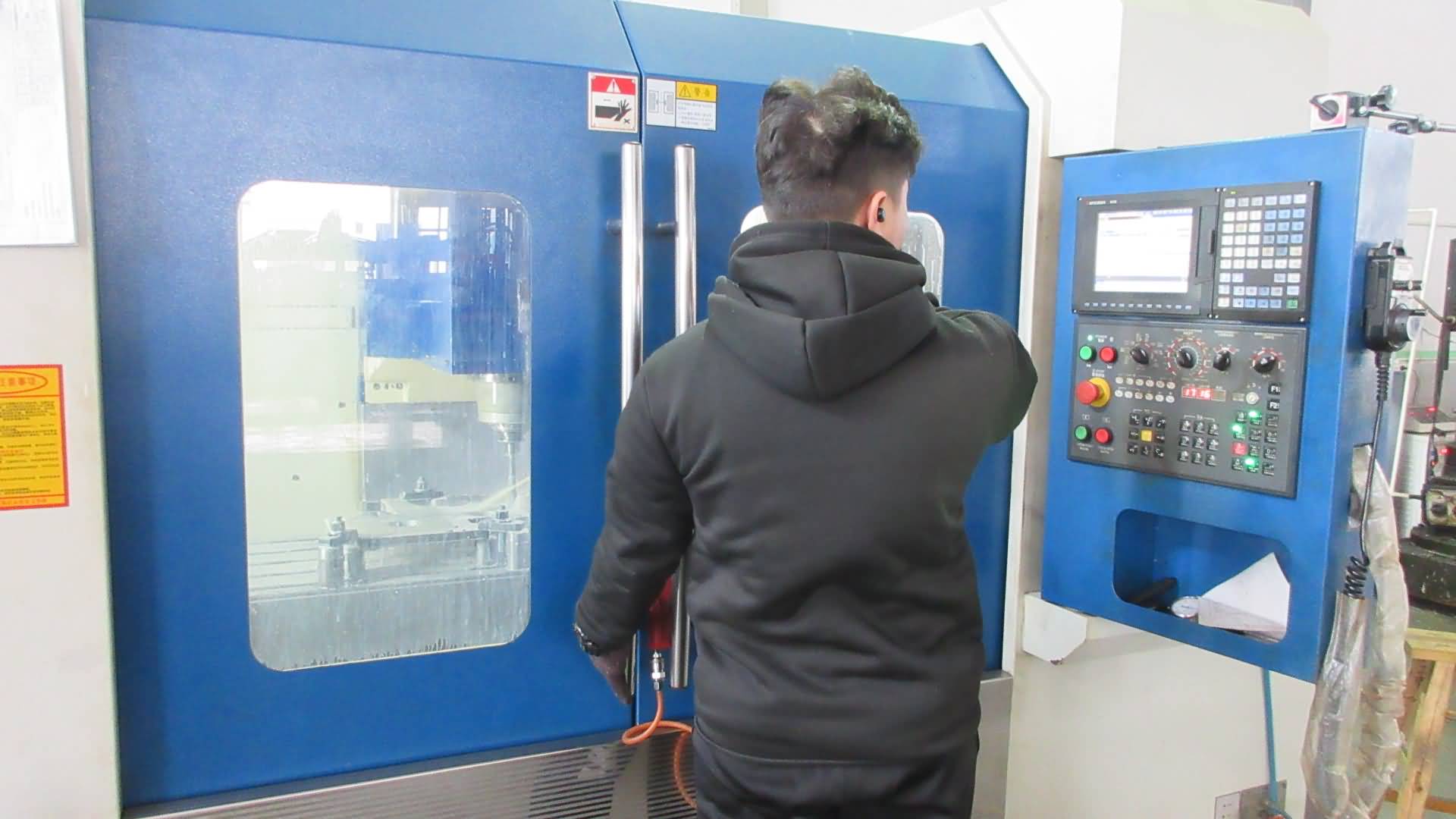
Our company has introduced advanced CNC machining equipment, including high-precision lathes, milling machines, grinding machines, and other precision processing systems. Supported by experienced technical professionals and a strict quality management system, every machine is manufactured to meet international quality standards, ensuring excellent performance, long service life, and reliable operation.

Moveco integrates advanced automation and intelligent control technologies into its equipment. Our machines are equipped with user-friendly touch-screen control systems, precision servo drive technology, and intelligent registration systems to achieve stable operation, accurate color registration, and high-speed production with outstanding printing quality. Different substrate tensions can be adjusted through the control interface, while automatic inking, washing, and quick-change cylinder systems significantly improve production efficiency and reduce downtime.

The main machine frame is manufactured through one-piece precision casting and undergoes annealing treatment to eliminate internal stress, ensuring exceptional structural stability and long-term accuracy. Key transmission components are driven by internationally recognized servo motors, providing high torque, low heat generation, minimal wear, and precise motion control. Surface-treated chrome-plated cylinders offer excellent scratch resistance, durability, and consistent printing performance.
Corporate Values

Adhering to the philosophy of "Innovation, Quality, Efficiency, and Customer Success," Guangdong Moveco Machine Co., Ltd. continuously invests in technological development and product innovation.

We are dedicated to providing customers with high-performance machinery, customized solutions, comprehensive technical support, and responsive after-sales service.

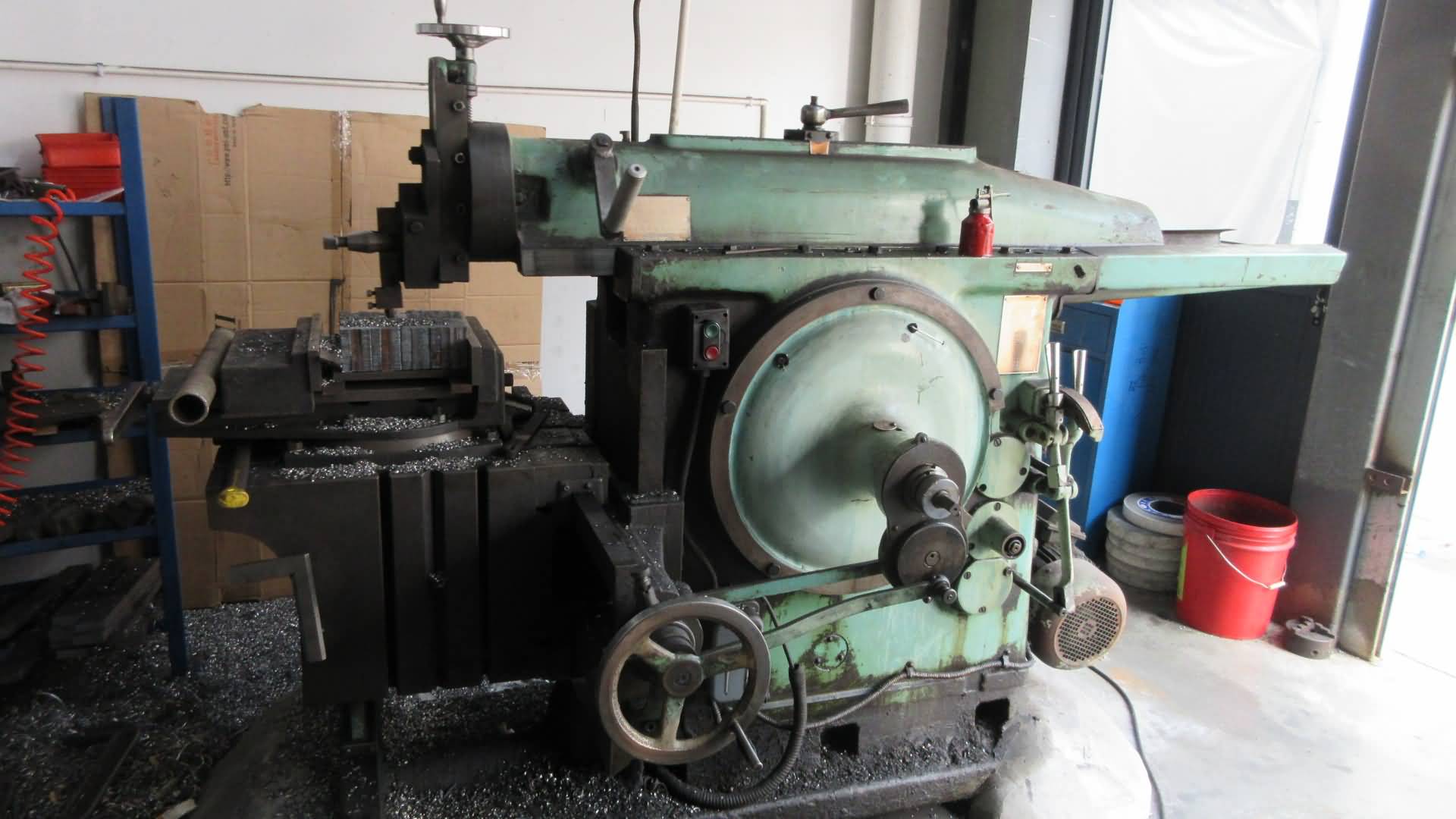
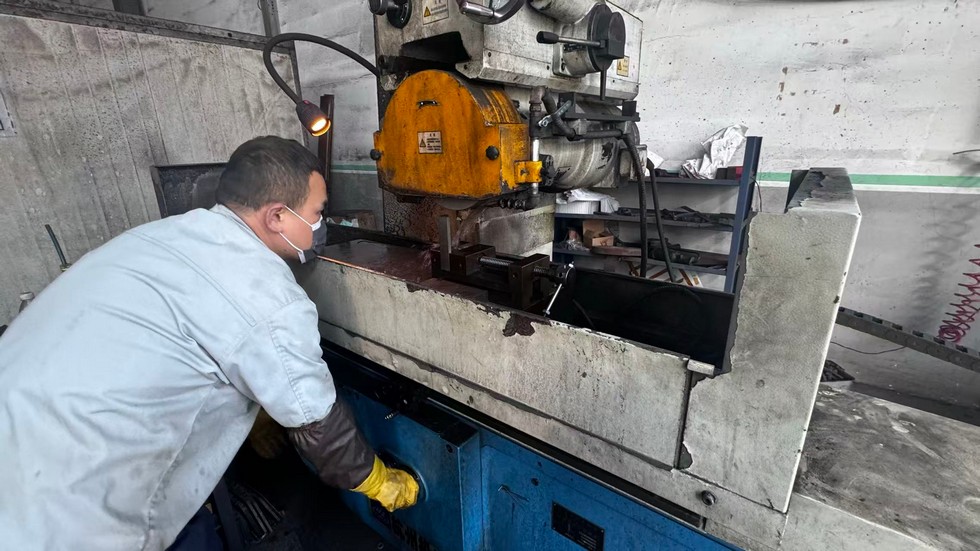
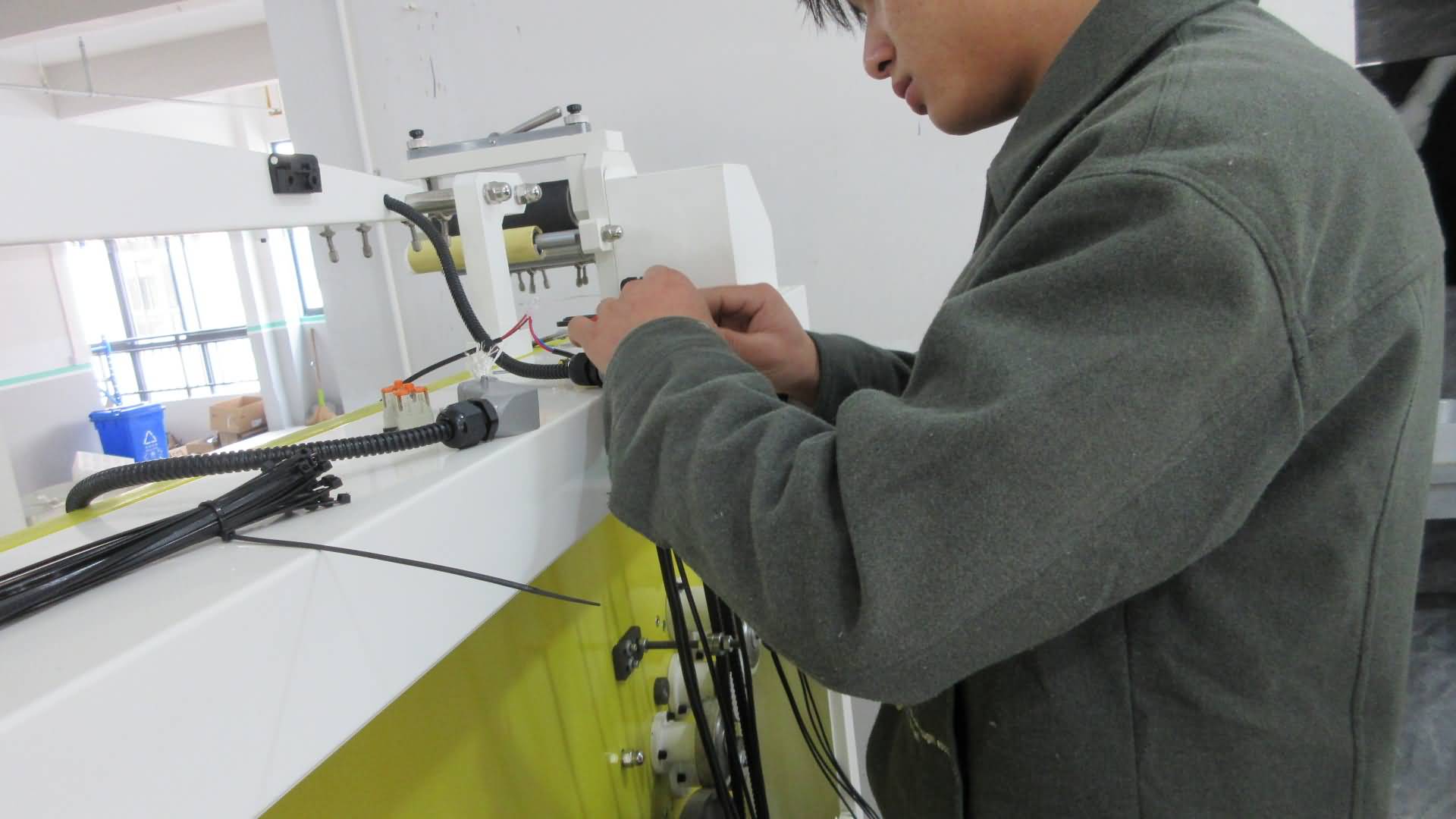
Our Precision In-House Manufacturing Flow

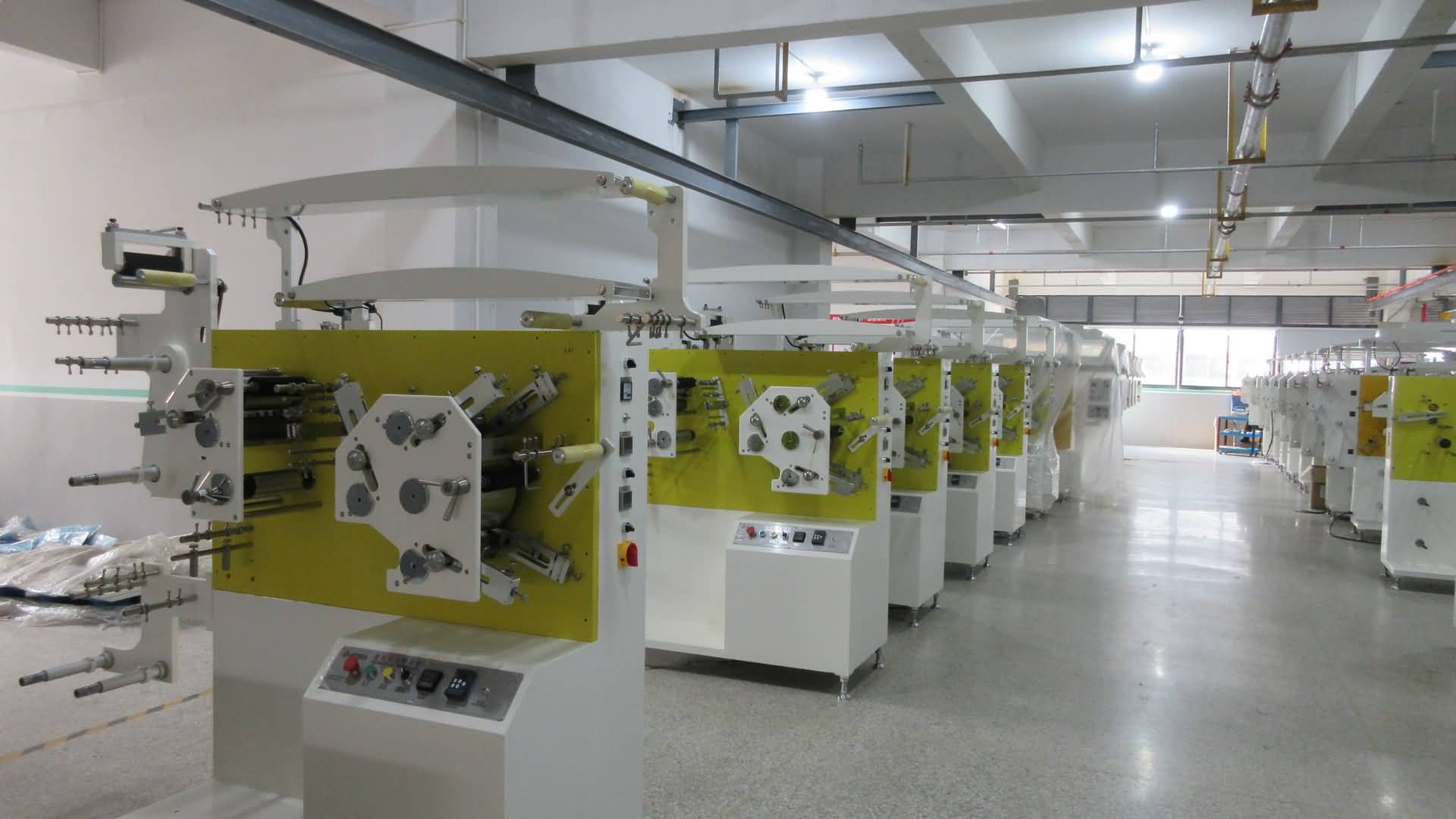
Raw Material Selection for Roll to Roll Laminating Machine Base
Raw Material
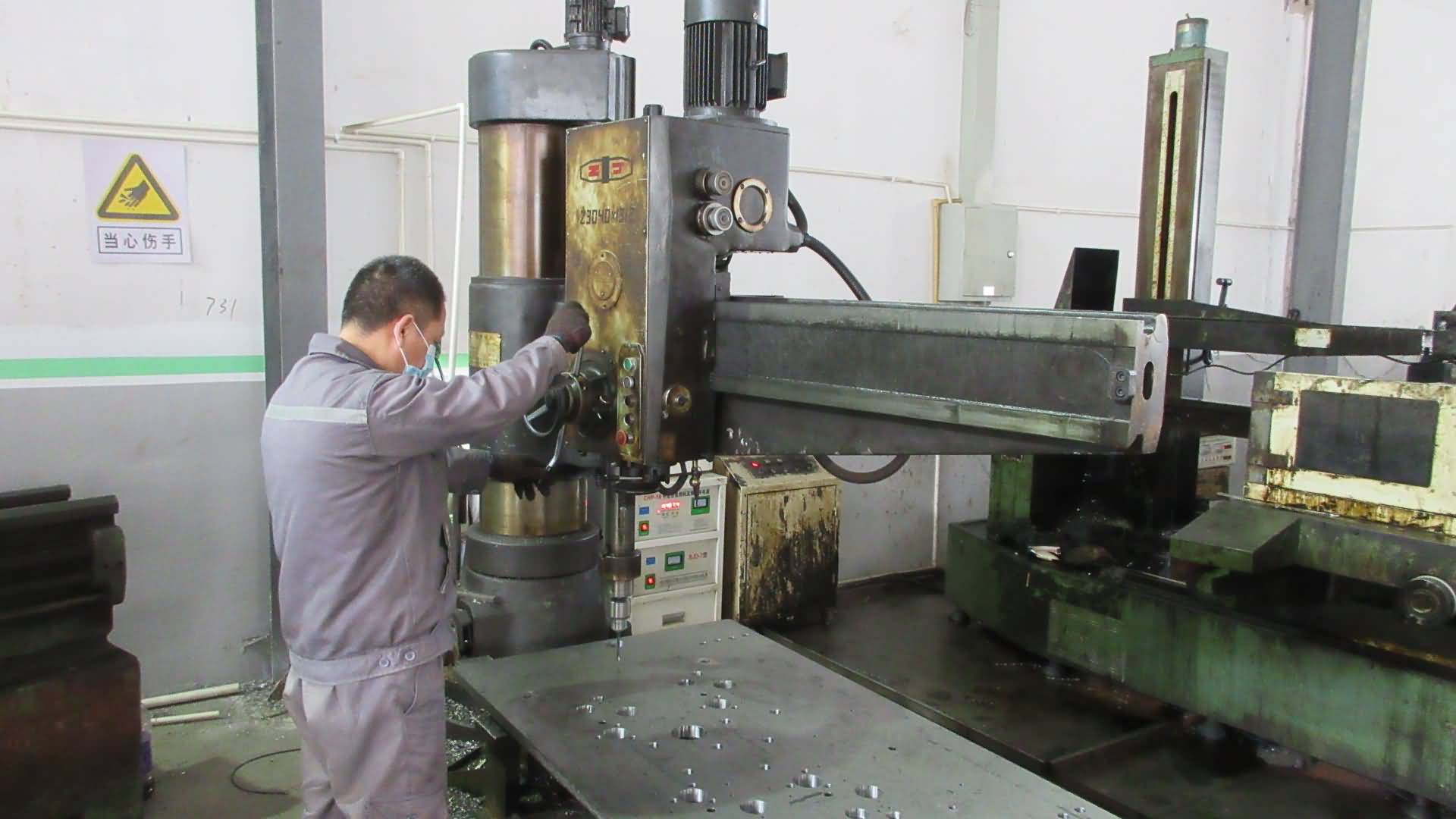
Precision Drilling Process for Structural Frame Assembly
Drilling
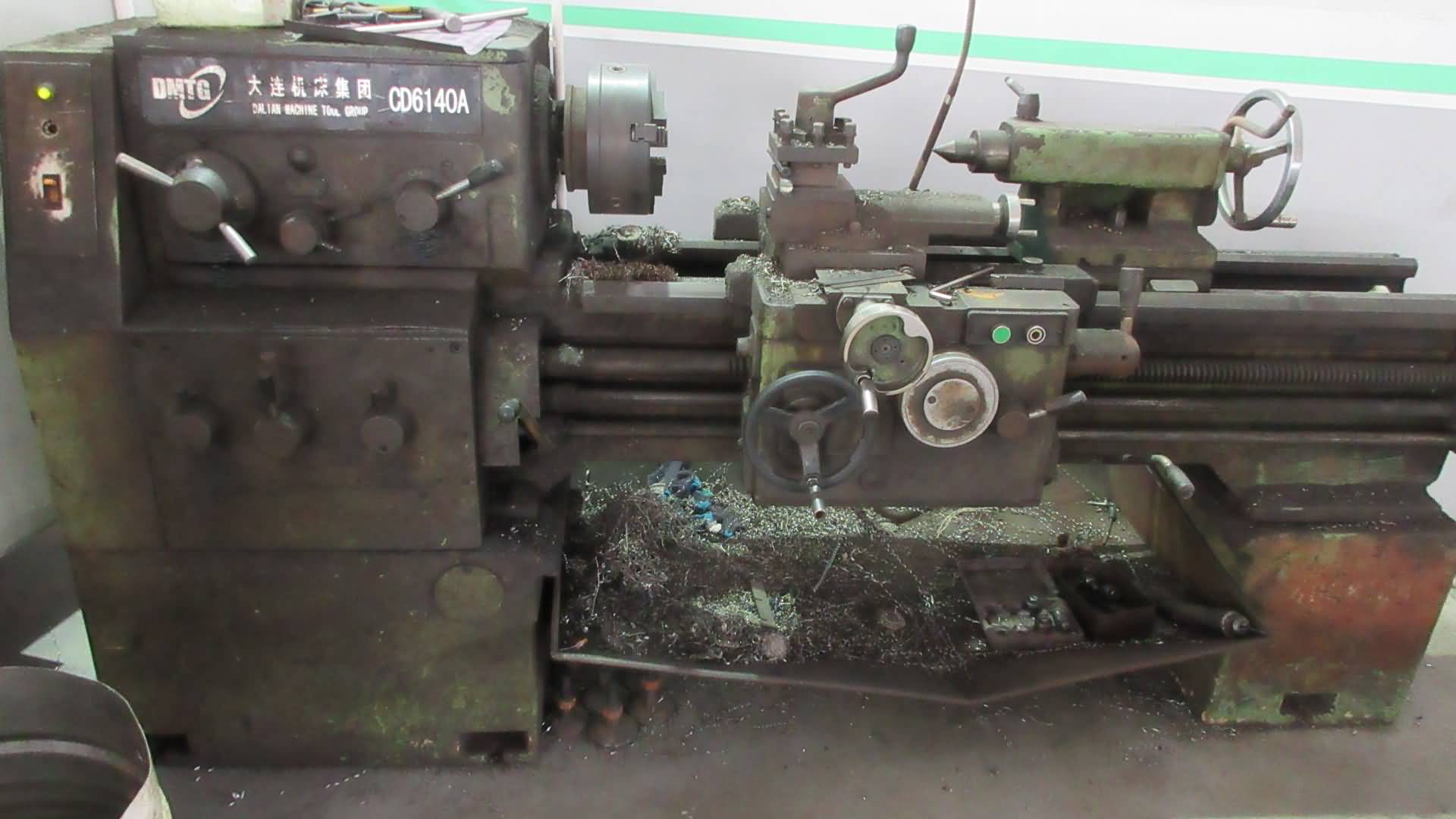
Metal Lathing Process for Custom Cylinders and Shafts
Lathing
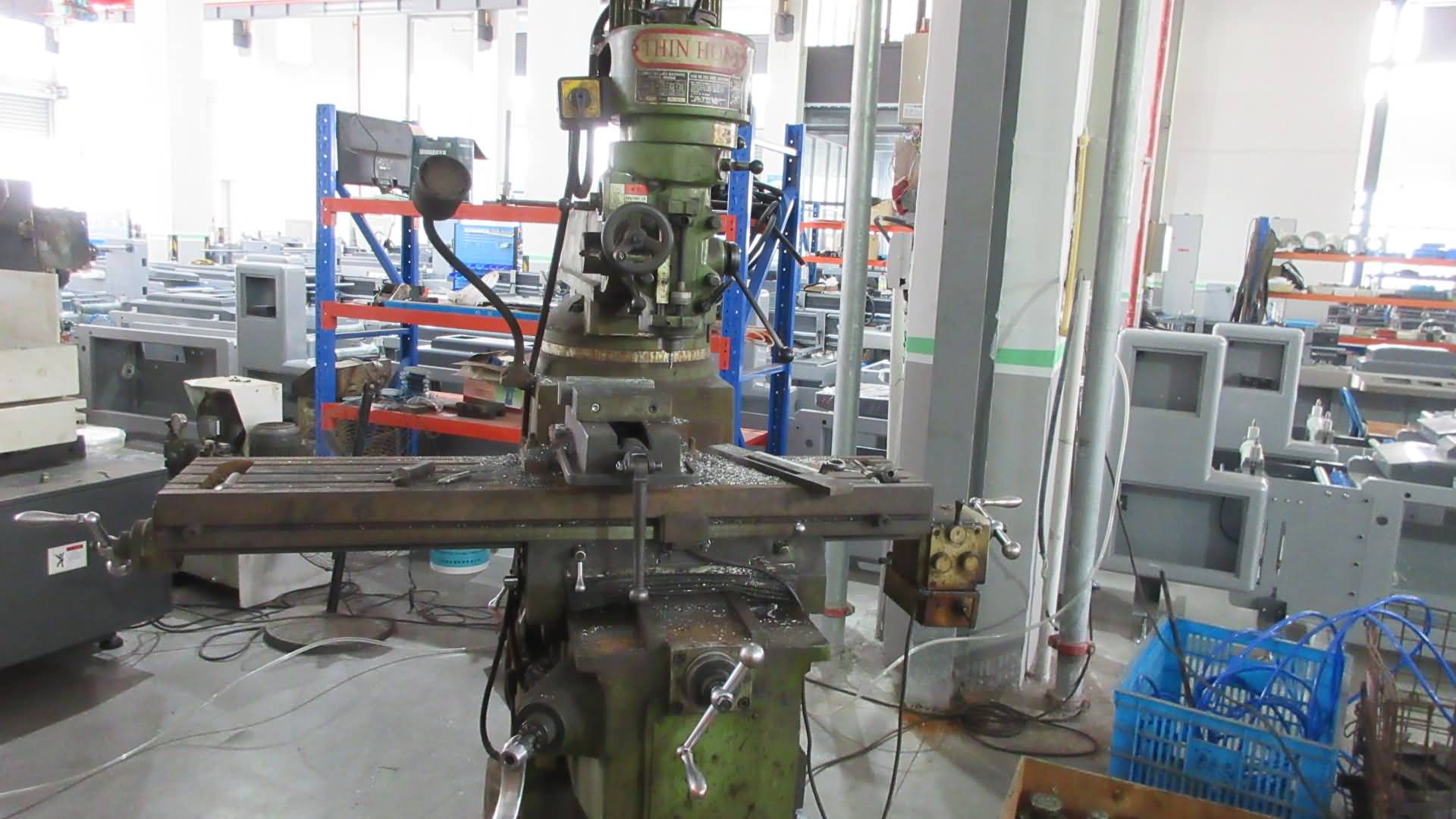
High Precision Milling Process for Structural Components
Milling
Precision Grinding Process for Roller Surface Smoothness
Grinding
Heavy Metal Cutting Process for Main Machine Plates
Cutting
CNC Machining Center Components Production
Machining
Final Machine Mechanical Assembly and Wiring System
Assembling
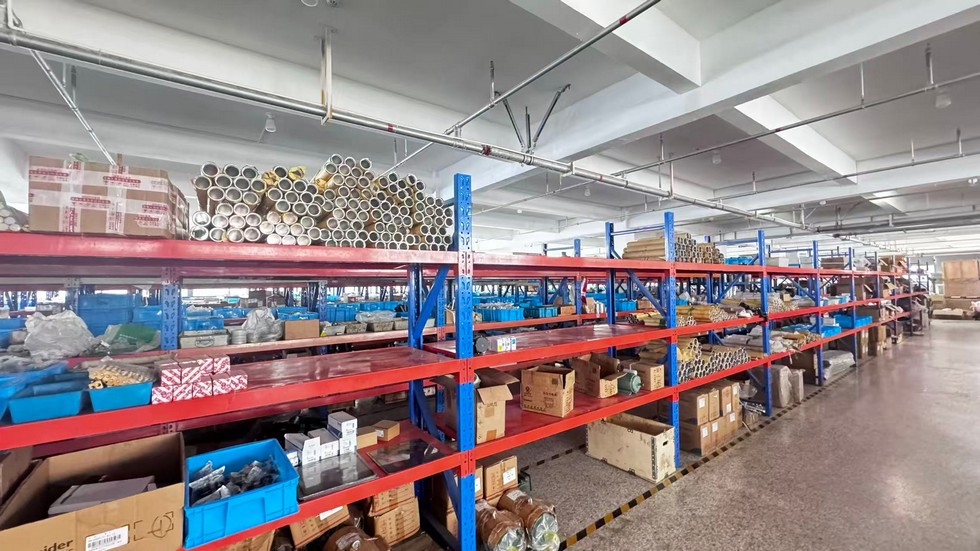
Organized Warehouse for Spare Parts and Component Storage
Warehouse
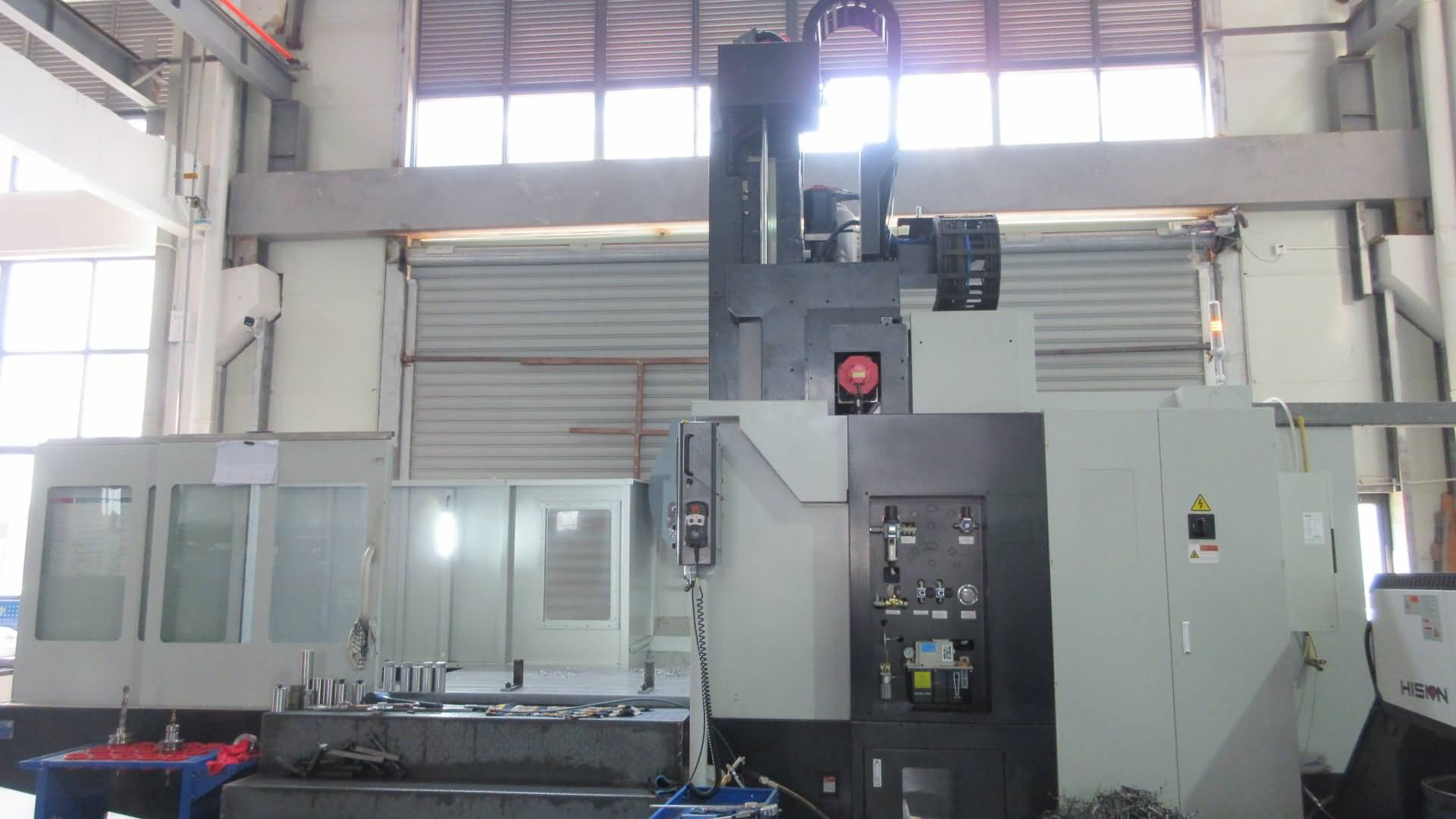
Large Machining Center for Heavy Cast Iron Bed Processing
Large Machining Center
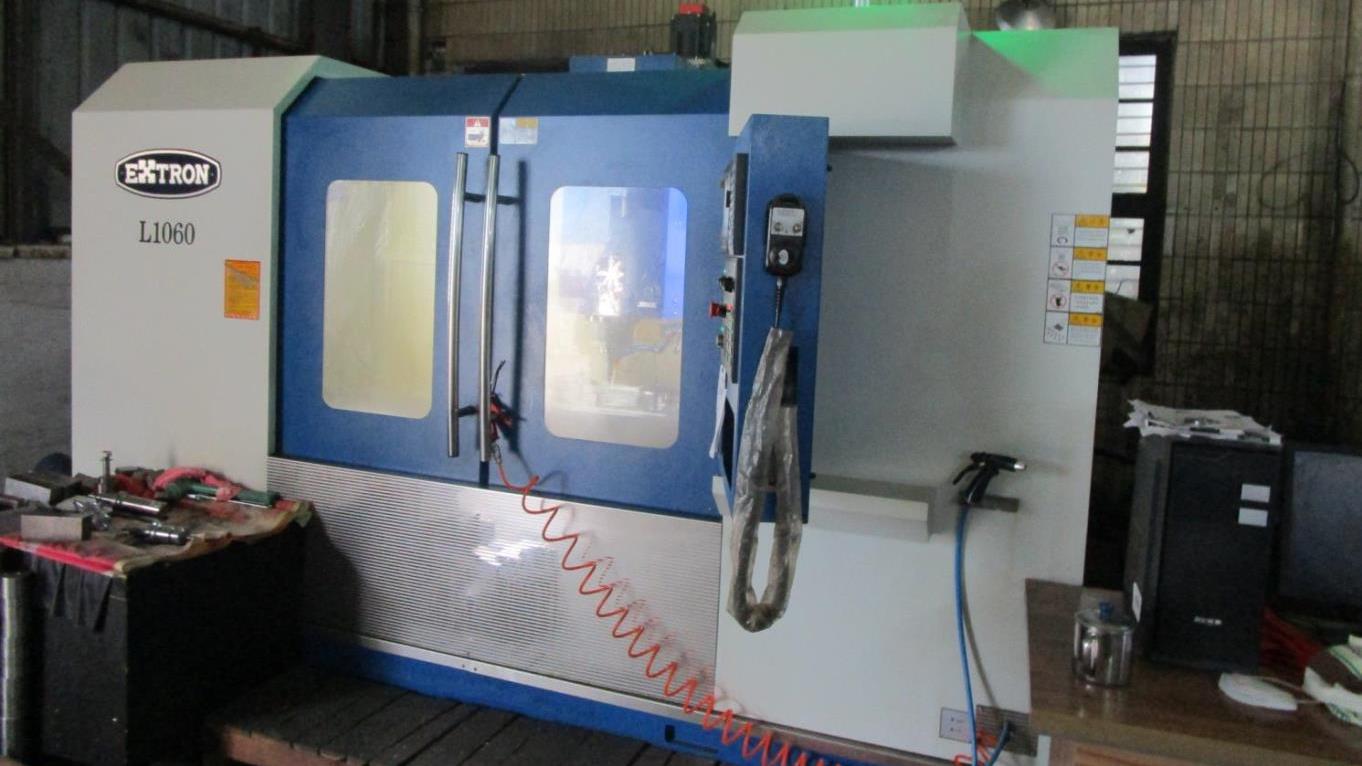
Dedicated Machining Center for Custom Precision Engineering
Machining Center

Strategic Buyer's Guide: Procurement Criteria

Key technical considerations for operations managers and system integration engineers during machinery sourcing.

Understanding Web Path Geometry and Rollers

When selecting a custom Roll to Roll Laminating System, the mechanical geometry of the web path dictates substrate compatibility. Aluminum foil, polymer films (PET, BOPP, PE), and papers expand differently under thermal tension. Rollers must be dynamically balanced and chrome-plated to avoid friction scratches. A design utilizing segmented idler rollers minimizes boundary layer air entrapment, which can cause slipping at high speeds.

Heating Systems: Electrical vs. Thermal Oil vs. Induction

For dry bond and thermal lamination, temperature consistency across the face of the nip roller is critical. Electrical cartridge heating is economical but can lead to temperature variances. Thermal oil recirculation ensures uniform heat distribution within ±1°C, which is necessary for optical-grade films. Electromagnetic induction heating offers rapid heat-up times and high energy efficiency, though it carries higher initial equipment costs.

Integrating Slitting and Converting In-line

To optimize manufacturing throughput, integrating finishing processes like in-line rotary die-cutting or slitting/rewinding is highly effective. Combining printing, laminating, and slitting into a single R2R path reduces handling, limits contamination risks, and reduces labor costs.

Custom Engineering Options

Every manufacturing system can be customized to support specific industrial applications:

  • In-line Corona Treatment Units for low surface energy polymers.
  • Ionizing bars for electro-static discharge prevention on plastic films.
  • Chilled nip rollers for high-density polyethylene configurations.
  • Custom cantilevered shafts for quick load/unload functions.

Technical Q&A: R2R Engineering & Operations

In-depth insights into machine physics, mechanical alignment, and web process optimization.

Why is tension control critical in R2R lamination systems, and how is it managed?
Tension control prevents material stretching, wrinkling, and web breaks. If tension is too high, thin substrates like PET or PE deform; if it is too low, the web drifts, causing delamination or misaligned printing. We manage this through a closed-loop PID controller linked to load cells or dancer arms. This system automatically adjusts electromagnetic brakes or AC servo motors at the unwind and rewind zones in real-time, keeping tension consistent even as roll diameters change.
What are the advantages of using one-piece annealed cast iron frames?
High-speed converting, printing, and lamination generate vibrations that can cause microscopic misalignment in the rollers, leading to tracking errors. Moveco utilizes one-piece cast iron frames subjected to thermal annealing. This stress-relief heating process prevents future structural distortion and damps high-frequency machine vibration, ensuring accurate alignment over decades of use.
Which laminating method should I select: Dry-bond, Wet-bond, or Thermal?
The choice depends on your substrate:
1. Dry-bond: Adhesive is applied to one web and dried before lamination. Best for impermeable plastic films.
2. Wet-bond: Webs are laminated while the adhesive is wet, then dried. Best for porous substrates like paper.
3. Thermal Lamination: Uses heat-activated film. Ideal for eco-friendly operations as it eliminates liquid adhesives and drying tunnels.
How does a corona treatment unit improve laminate adhesion?
Many plastic films (like PP, PE, or PET) are chemically inert with low surface energy, which can cause laminating adhesives to peel off. A Corona Treatment Unit discharges high-voltage electrical energy to oxidize the film surface, increasing its surface tension and wetability. This chemical modification allows adhesives to bond effectively, preventing delamination.
How do you prevent wrinkles and air bubbles during high-speed lamination?
We prevent these defects by using bowed banana rollers or spiral-grooved spreader rollers before the lamination nip to flatten the web. Additionally, we control the nip roll pressure and angle of wrap, and use a variable-hardness rubber backing roll. This combination squeezes out air pockets across the entire width of the web, ensuring smooth adhesion.

Industrial Converting & Finishing Equipment

Explore our high-speed flexo printers, die-cutting platforms, and automated rewinding systems.
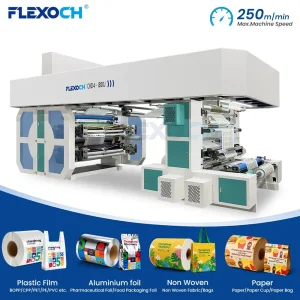
Plastic Film Roll to Roll Flexo Printing Machine

Plastic Film Roll to Roll Flexo Printing Machine /flexo Letterpress Printer

View Technical Specifications
YT-61200 6 Color Flexo Printing Press

YT-61200 6 Color 1200mm Wide Web Roll Flexible Letter Press Paper Bag Flexo Printing Press

View Technical Specifications
High Speed Flexo Printing Machine

High-Speed 4 6 Color Non Woven Bag Paper Cup PP Woven Sack Ci Roll to Roll Flexo Printing Machine 250m/Min

View Technical Specifications
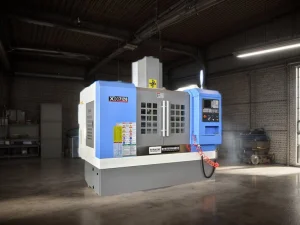
Advanced CNC Milling Machine for Precision Manufacturing

Advanced Vertical CNC Milling Machine for Precision Manufacturing Needs

View Technical Specifications
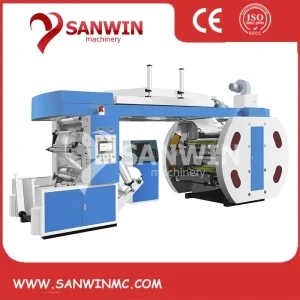
Central Impression Flexo Printing Machine

Roll to Roll Central Drum Central Impression Ci Flexo Printing Machine Paper Bag Paper Cup Flexo Printer

View Technical Specifications
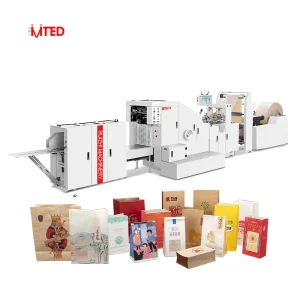
High Productivity Eco Bag Making Machine Flexo Printing

RZFD-190 2/4 Color High Productivity Manufacturing Paper Eco Bag Square Shaping Maker Machine Flexo Printing

View Technical Specifications
High Precision Automatic Hot Stamping Die Cutting Machine

10 Servo Control High Precision Automatic Hot Stamping HL-350G Die Cutting Machine For Packaging Labels

View Technical Specifications
Automatic Cable Wire Cutting Stripping Twisting Printing Machine

Automatic Electric Cable Wire Cutting Stripping Twisting Printing Machine EW-3015+P With Markem Inkjet

View Technical Specifications