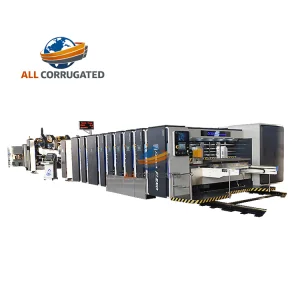
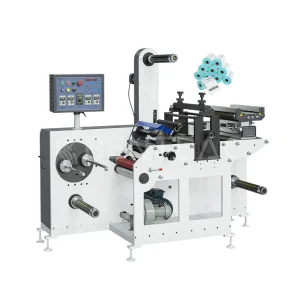
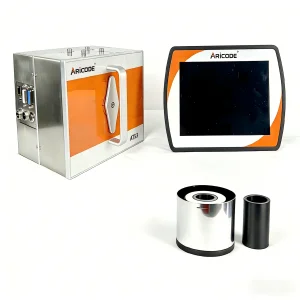
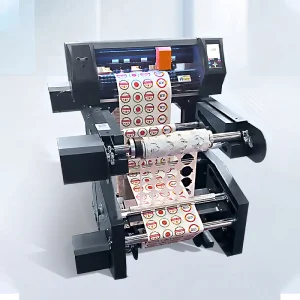
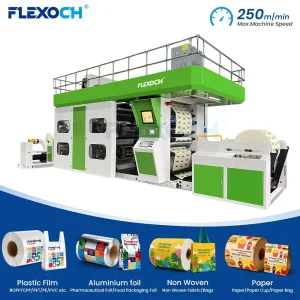
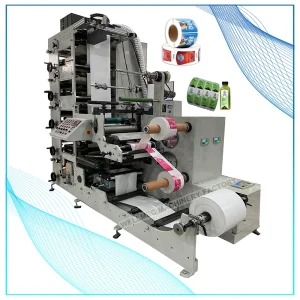
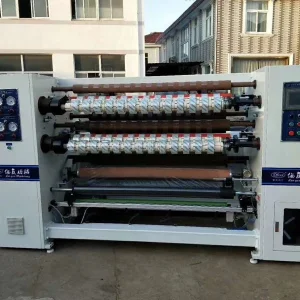
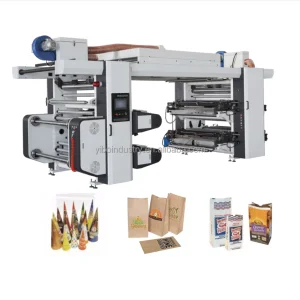
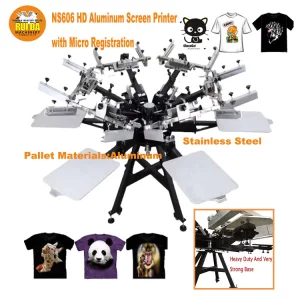
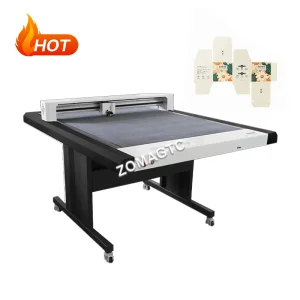
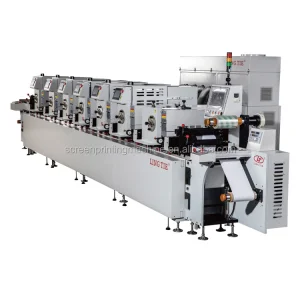
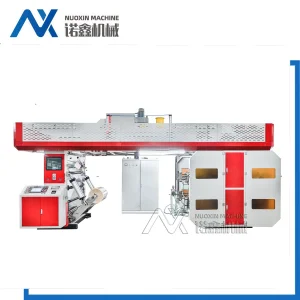
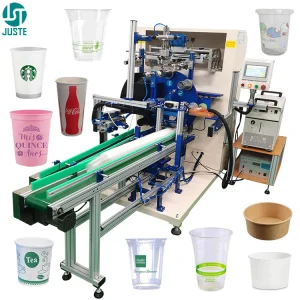
Achieving flawless die-cutting and high-fidelity printing on compostable label substrates requires processing equipment with precise tension profiling, dynamic drying zones, and optimized tooling. Explore our advanced solutions below:
In the modern fast-moving consumer goods (FMCG) landscape, packaging sustainability has transitioned from a niche marketing advantage to a baseline regulatory requirement. The compostable label market sits at the intersection of biopolymer chemistry and precision printing technology. However, specifying compostable label materials requires a rigorous understanding of the constituent layers, end-of-life pathways, and downstream processing compatibility.
A truly compostable label is not merely a single biodegradeable film. It is a highly engineered multilayer system comprised of a facestock, a functional adhesive, and a protective release liner. To achieve certifications such as EN 13432 (European standard for packaging recovery through composting) or ASTM D6400 (US standard for compostable plastics), every single component—including inks, topcoats, and adhesive resins—must degrade under industrial composting conditions without leaving toxic residues or compromising the structural integrity of the organic waste mix.
Derived from annually renewable resources like PLA (polylactic acid), PHA (polyhydroxyalkanoates), FSC-certified wood pulp, or sugarcane bagasse. These layers must provide print receptivity, moisture resistance, and mechanical feed stability.
Typically formulated using biodegradable acrylics, natural rubber derivatives, or bio-based hot-melts. They must deliver high initial tack and ultimate adhesion while disintegrating into CO2, water, and biomass within 180 days.
Compostable topcoats shield the underlying material from abrasion and moisture barrier degradation. These coatings must be compatible with standard water-based or UV-cured ink systems without blocking degradation pathways.
To make an informed purchasing decision, buyers must distinguish between the physical properties of bioplastic-based films and renewable paper substrates. Below is an engineering overview of the primary compostable options available on the market today:
| Material Class | Primary Bio-Source | Tensile Strength (MD) | Thermal Resistance | Best Application Scenarios |
|---|---|---|---|---|
| PLA (Polylactic Acid) Film | Corn Starch / Cassava | 110 - 150 MPa | Low (Up to 55°C) | Rigid clear bottles, fresh produce packaging, cosmetic containers |
| NatureFlex™ (Cellulose) | Wood Pulp (FSC/PEFC) | 70 - 90 MPa | Excellent (Up to 200°C) | Bakery packaging, high-speed overwrap, tea tags |
| Sugarcane Bagasse Paper | Agricultural waste fibers | 35 - 45 MPa | High (Up to 120°C) | Wine labels, matte artisan branding, organic beverage jars |
| Direct Thermal Compostable | Coated Thermal Wood Pulp | 40 - 50 MPa | Moderate (Up to 70°C) | Logistics shipping labels, quick-print fresh food weigh scale tags |
From the viewpoint of a converting machinery designer, processing compostable materials introduces complex physical behaviors. Films such as PLA exhibit high elasticity and a relatively narrow thermal deformation envelope compared to traditional fossil-fuel derived films like BOPP or PET. This means that if tension is not managed dynamically during flexo printing or slitting, the film will stretch, leading to out-of-register color alignment and irregular die-cutting. Equipment engineered with multi-point servo control systems and chilled print cylinders is critical to handling these sensitive bio-films successfully.
China has rapidly emerged as a global hub for both raw biopolymer synthesis and high-speed label converting equipment manufacturing. By sourcing compostable label materials and high-precision machinery directly from leading industrial zones in China, global enterprises unlock several structural benefits:
Chinese factories operate in tightly integrated industrial zones where raw PLA/PHA polymer refinement plants are situated alongside high-precision label converters. This eliminates trans-shipment overheads and minimizes the carbon footprint associated with material processing.
Through large-scale capital investments, Chinese manufacturers utilize advanced wide-web coating and slitting lines. This allows them to supply large volumes of label stock at a competitive cost per square meter, making sustainable packaging economically viable.
By focusing on the chemical limitations of compostable pressure-sensitive adhesives (PSAs), domestic engineers have formulated adhesives that resist moisture and condensation while maintaining reliable compostability.
A reliable compostable label factory relies heavily on precision manufacturing machinery. Advanced CNC-machined rollers, multi-station rotary die-cutters, and tension-controlled slitter-rewinders are the foundation of defect-free label production. Without high-end engineering at the machine level, issues such as web breaks, adhesive ooze, and micro-tears during high-speed packaging lines can lead to costly downtime.
Integrating compostable label materials into your supply chain requires matching the physical properties of the substrate with the environmental conditions of the target application. Below are four key industrial scenarios:
Fruit and vegetable labels must withstand moisture, refrigeration, and handling. Direct thermal compostable labels allow agricultural companies to label individual pieces of fruit, ensuring the entire item, including the skin and label, can go directly into home or industrial compost systems.
From stand-up pouches for nuts and dried fruits to coffee bags, compostable multi-laminates require matching face materials. When paired with compostable heat-seal layers, cellulose or sugarcane-based labels allow brands to offer fully certified circular packaging solutions.
With the rise of bio-based mailers, traditional plastic shipping labels prevent the outer packaging from being composted. High-tack direct thermal compostable shipping labels offer a reliable way to secure packages and process them through the compost stream post-delivery.
Premium brands require high-clarity clear-on-clear labels. Specially developed PLA clear films offer excellent transparency and printability, giving cosmetics brands an elegant aesthetic without compromising their environmental commitments.
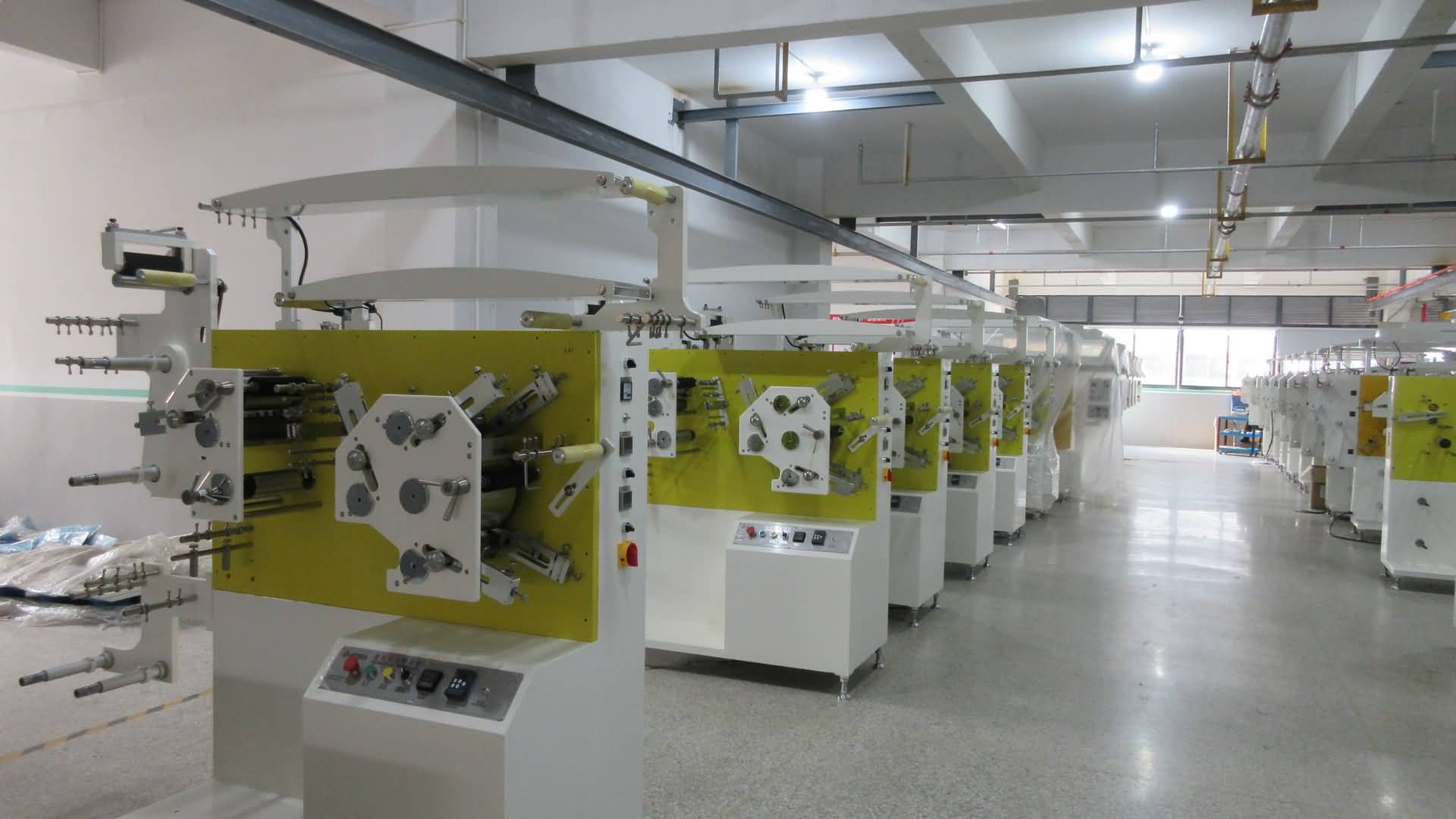
Guangdong Moveco Machine Co., Ltd. is a professional manufacturer specializing in the research, development, production, and sales of advanced label printing, converting, and finishing equipment. With years of industry experience, state-of-the-art manufacturing facilities, and a highly skilled engineering team, Moveco is committed to providing innovative, efficient, and reliable solutions for the global label printing industry.
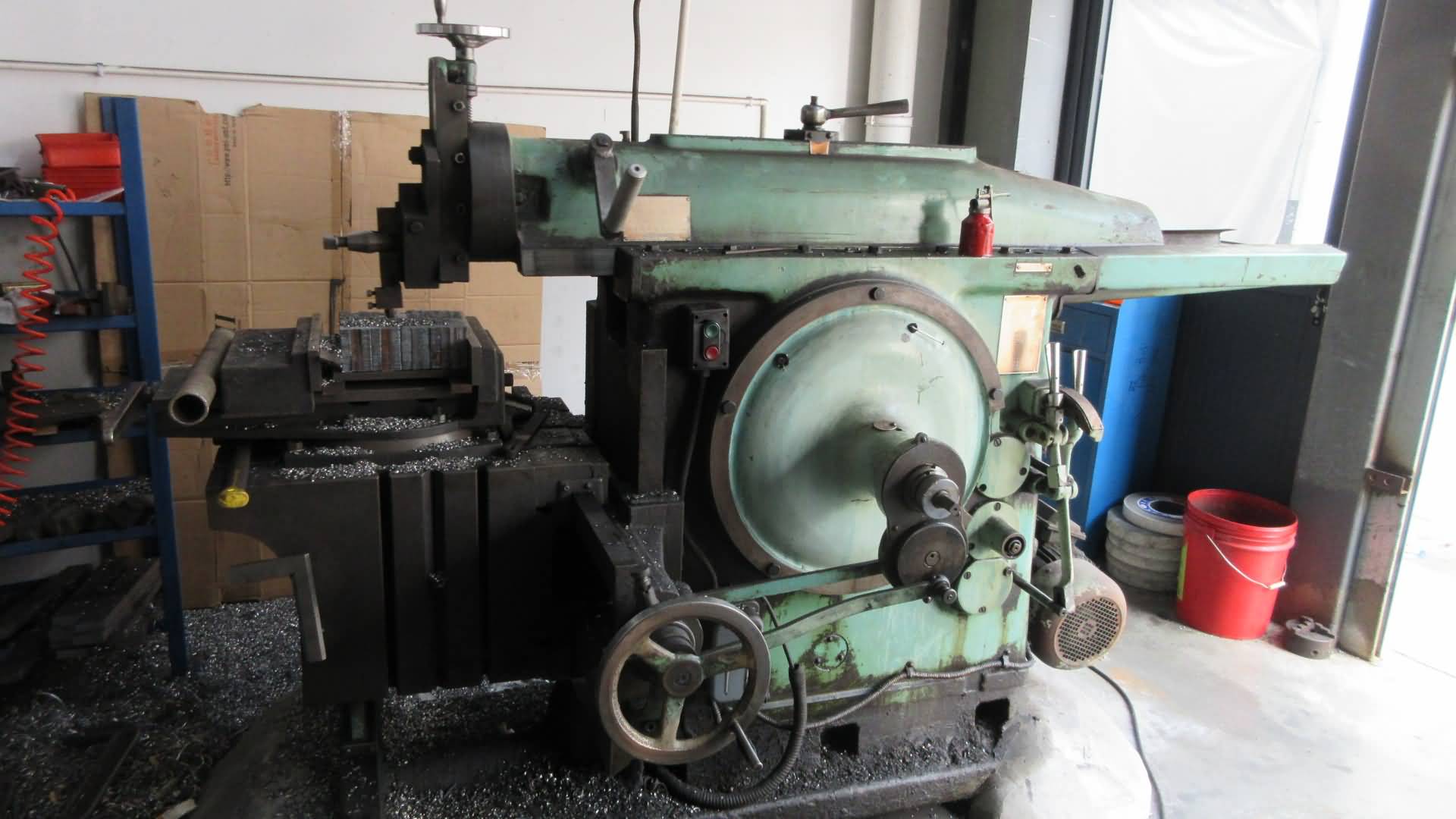
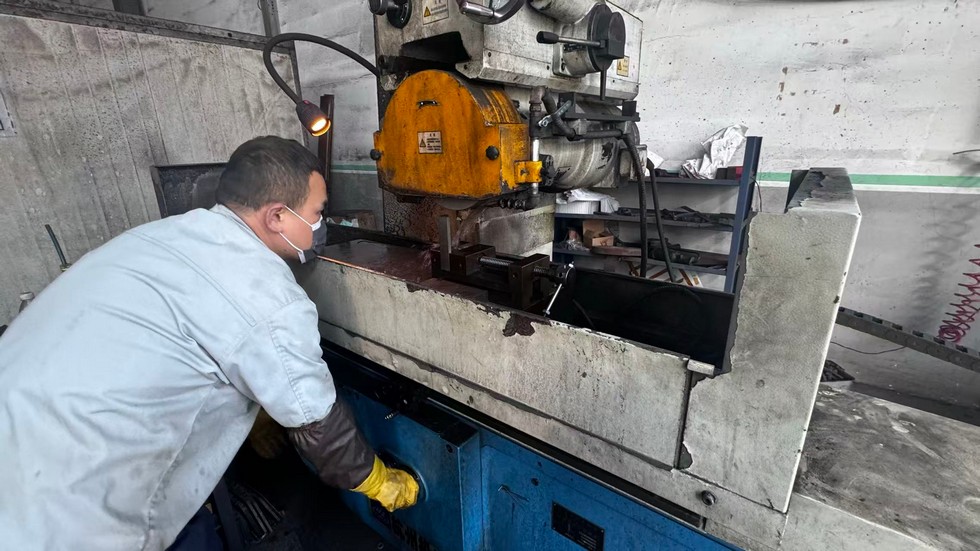
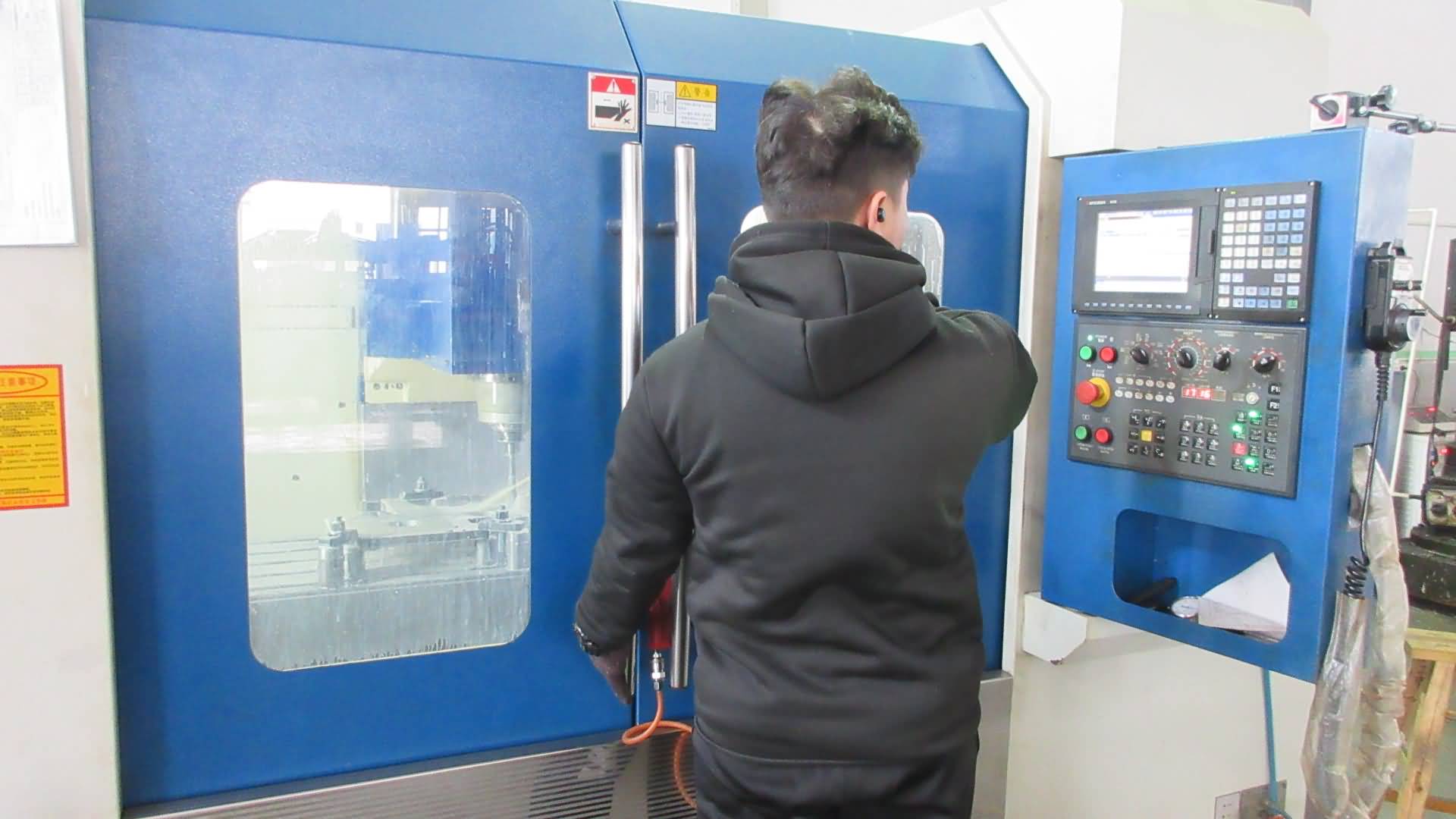
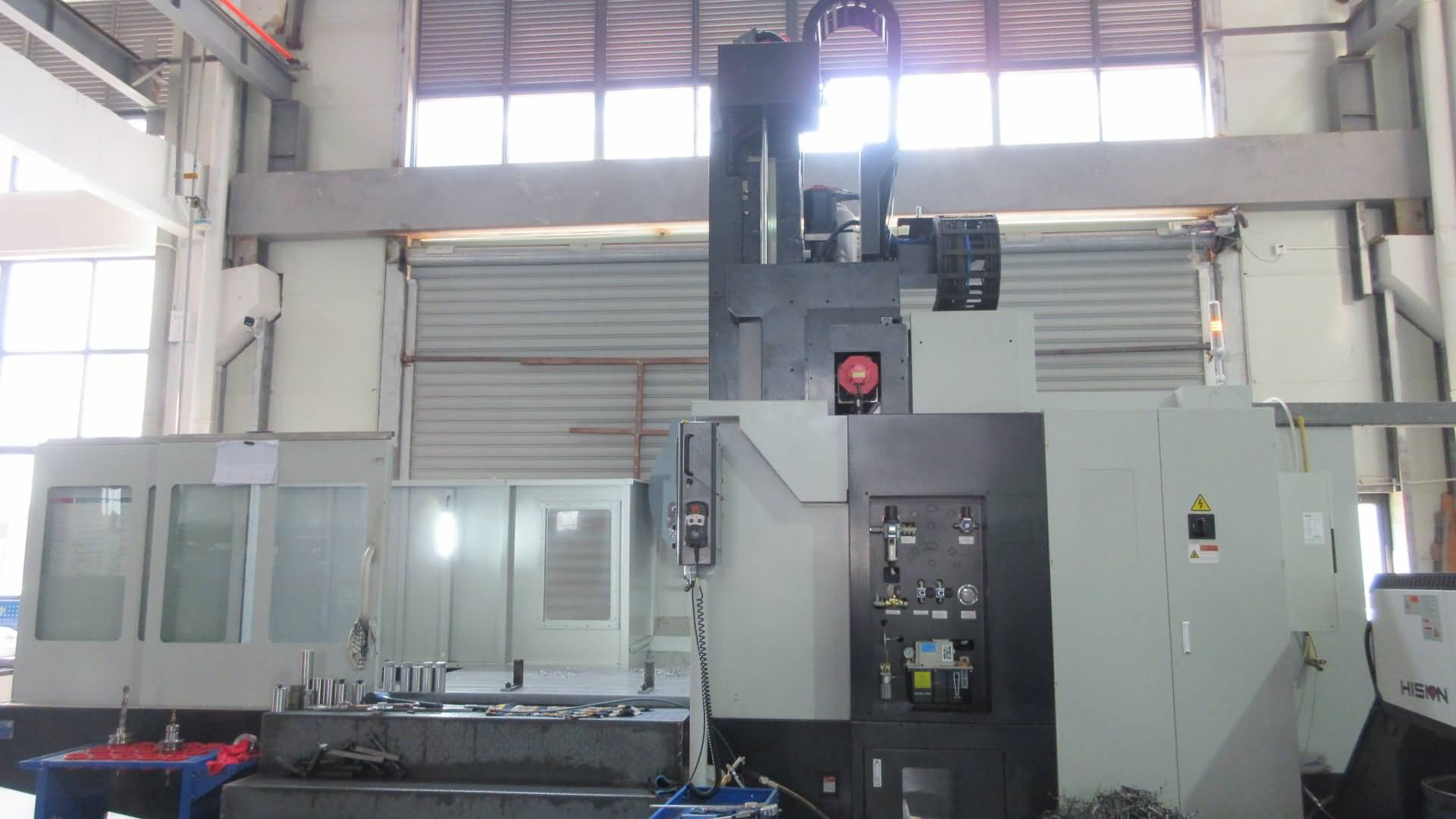
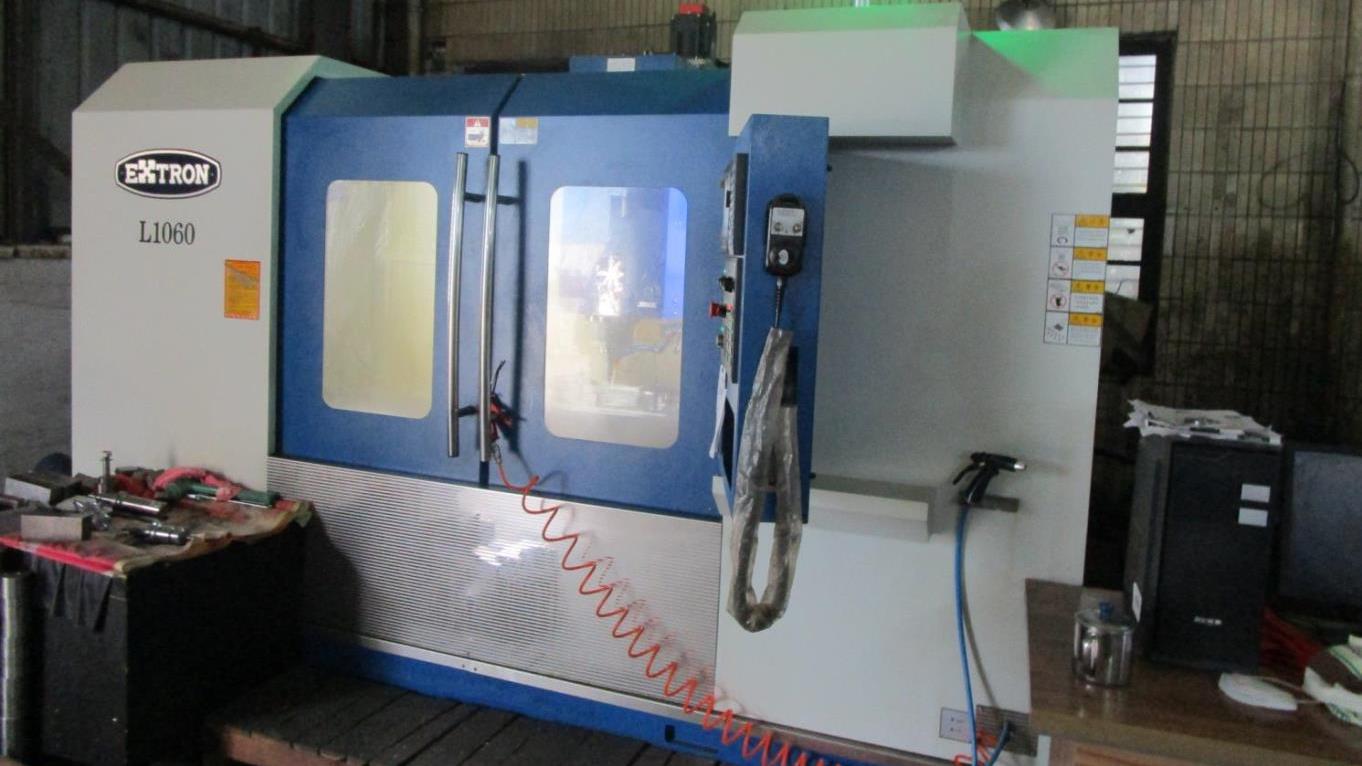
Our company has introduced advanced CNC machining equipment, including high-precision lathes, milling machines, grinding machines, and other precision processing systems. Supported by experienced technical professionals and a strict quality management system, every machine is manufactured to meet international quality standards, ensuring excellent performance, long service life, and reliable operation.
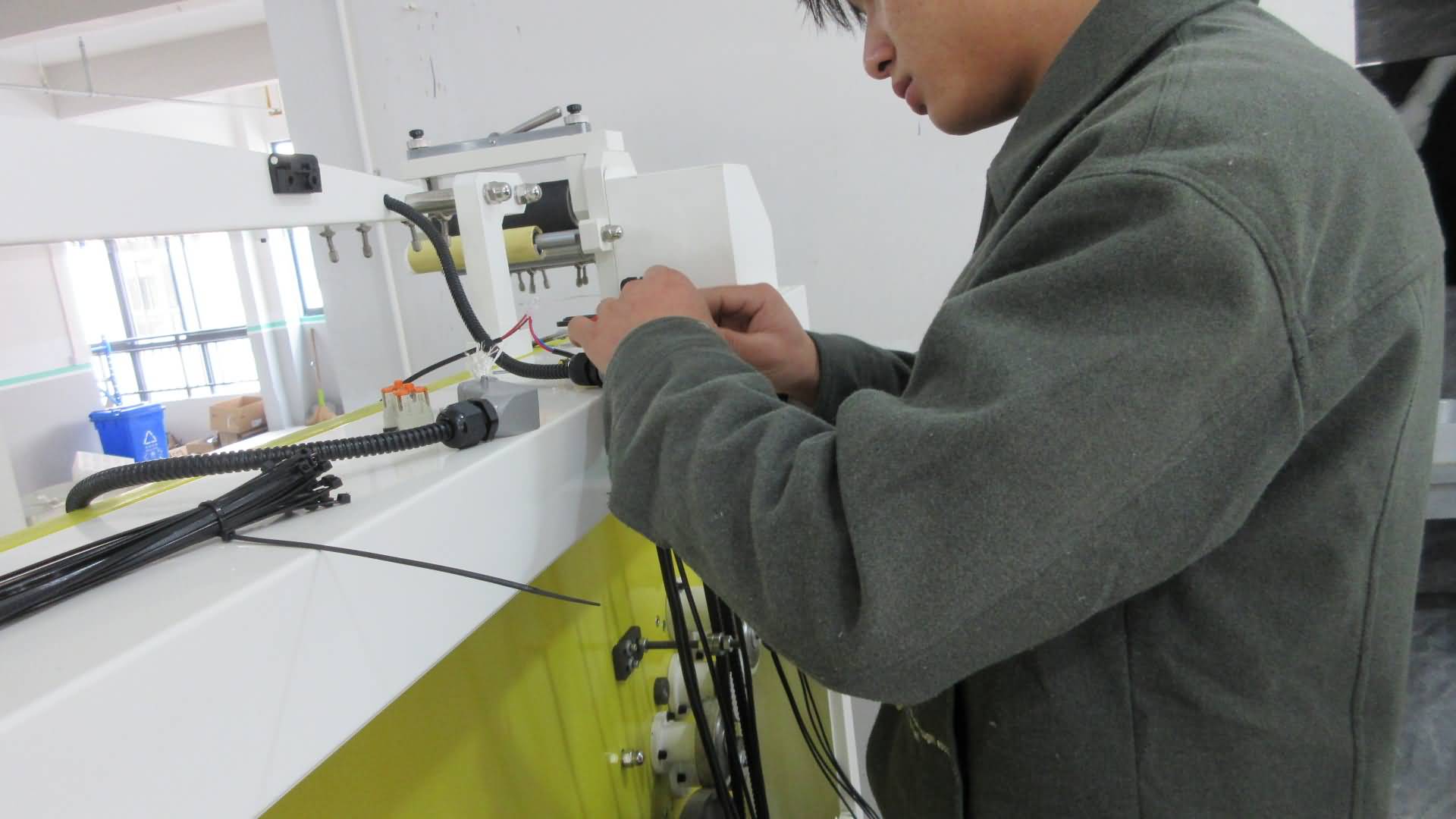
Moveco integrates advanced automation and intelligent control technologies into its equipment. Our machines are equipped with user-friendly touch-screen control systems, precision servo drive technology, and intelligent registration systems to achieve stable operation, accurate color registration, and high-speed production with outstanding printing quality. Different substrate tensions can be adjusted through the control interface, while automatic inking, washing, and quick-change cylinder systems significantly improve production efficiency and reduce downtime.
The main machine frame is manufactured through one-piece precision casting and undergoes annealing treatment to eliminate internal stress, ensuring exceptional structural stability and long-term accuracy. Key transmission components are driven by internationally recognized servo motors, providing high torque, low heat generation, minimal wear, and precise motion control. Surface-treated chrome-plated cylinders offer excellent scratch resistance, durability, and consistent printing performance.
Adhering to the philosophy of "Innovation, Quality, Efficiency, and Customer Success," Guangdong Moveco Machine Co., Ltd. continuously invests in technological development and product innovation. We are dedicated to providing customers with high-performance machinery, customized solutions, comprehensive technical support, and responsive after-sales service.
The mechanical stability of print runs and die-cutting operations depends directly on internal production standards. Below are the core steps of the manufacturing and quality assurance workflow at the Moveco production facility:
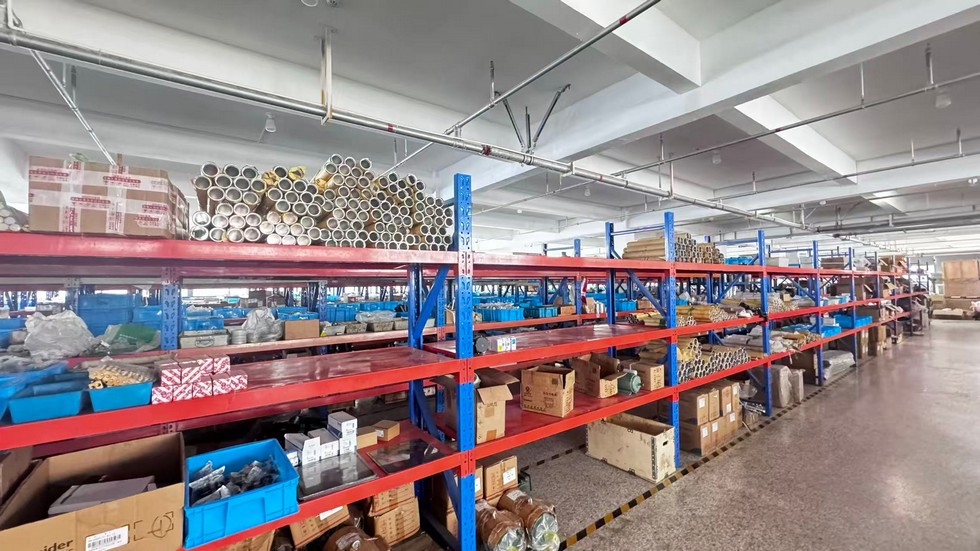
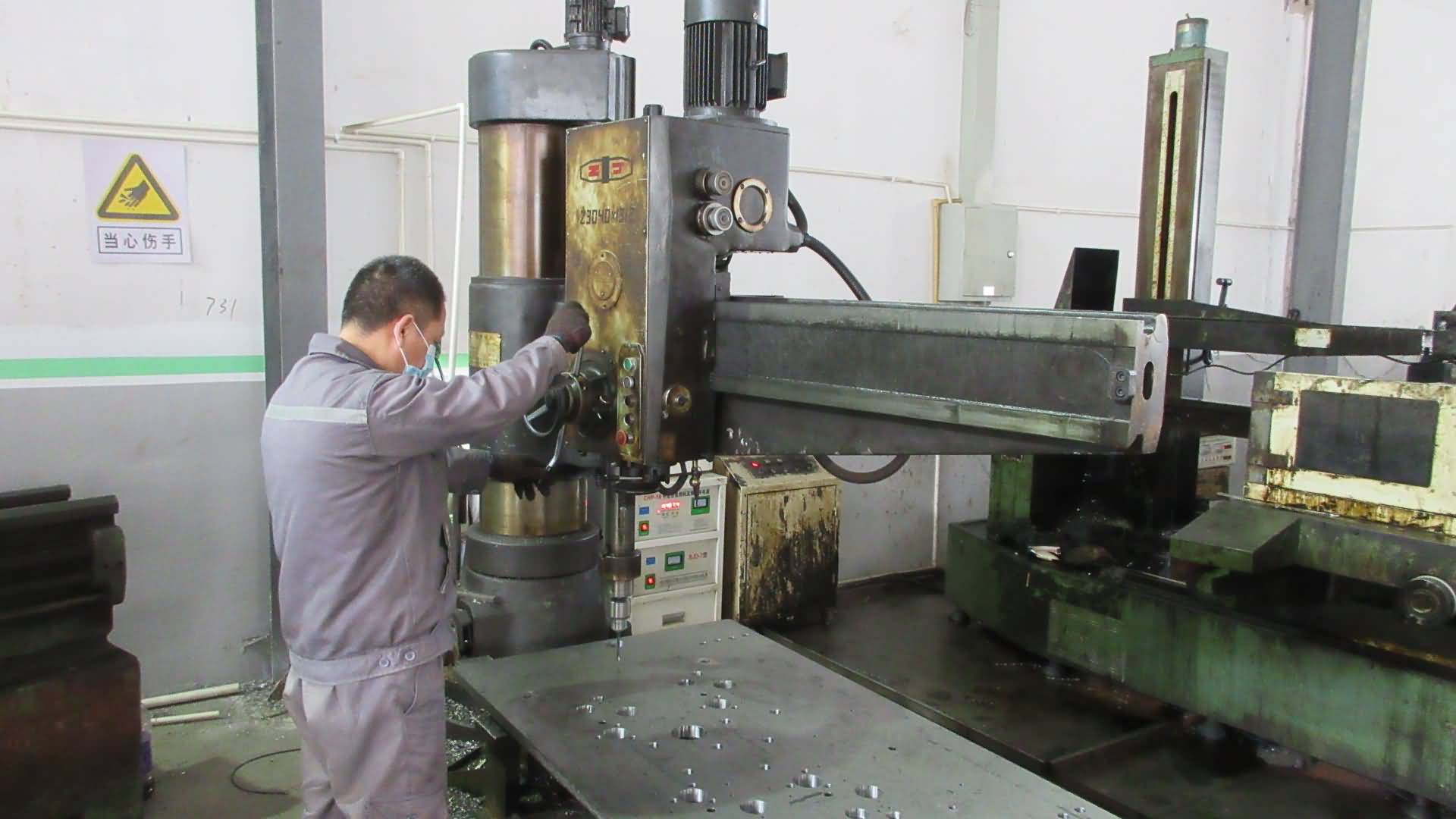
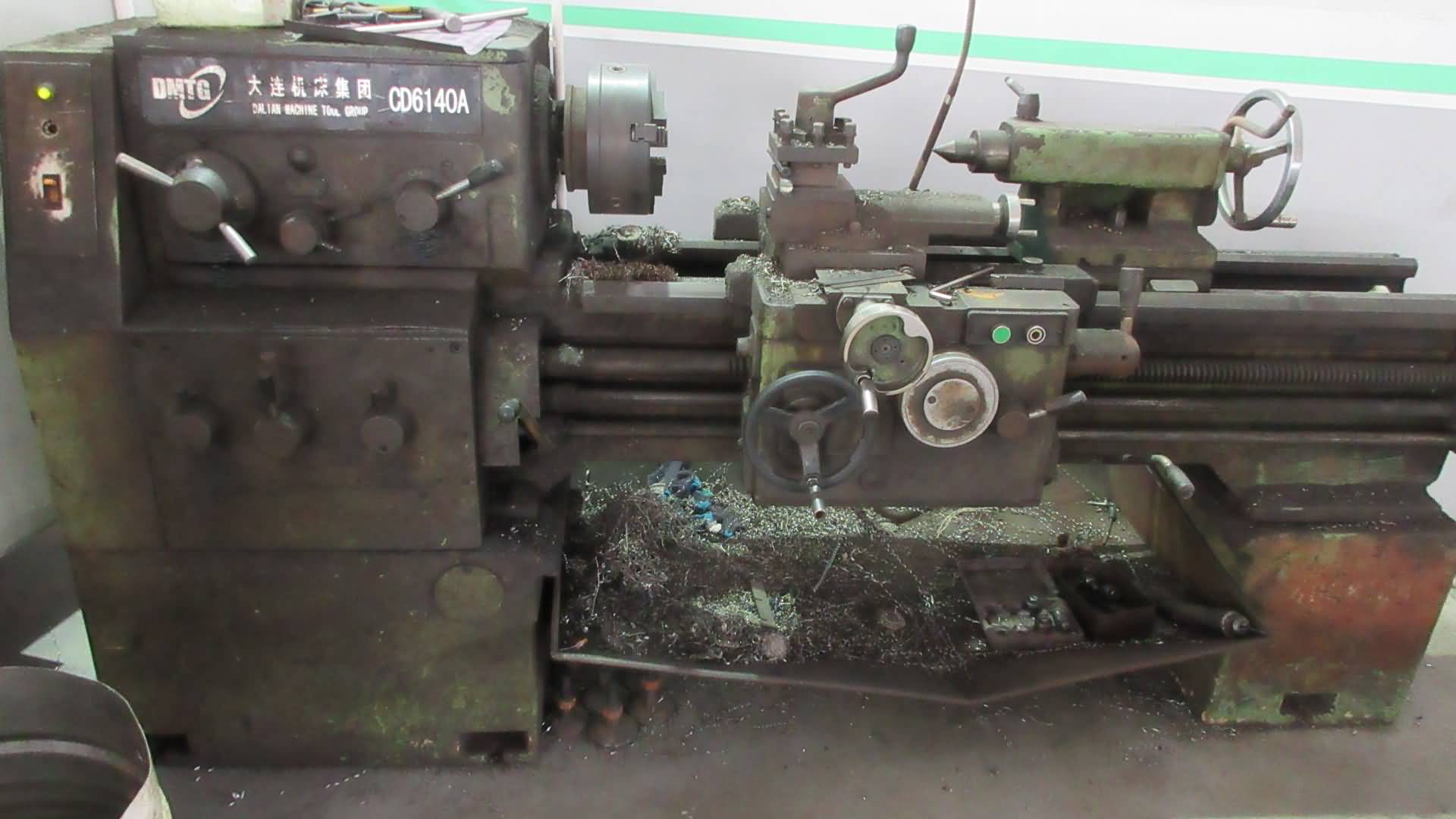
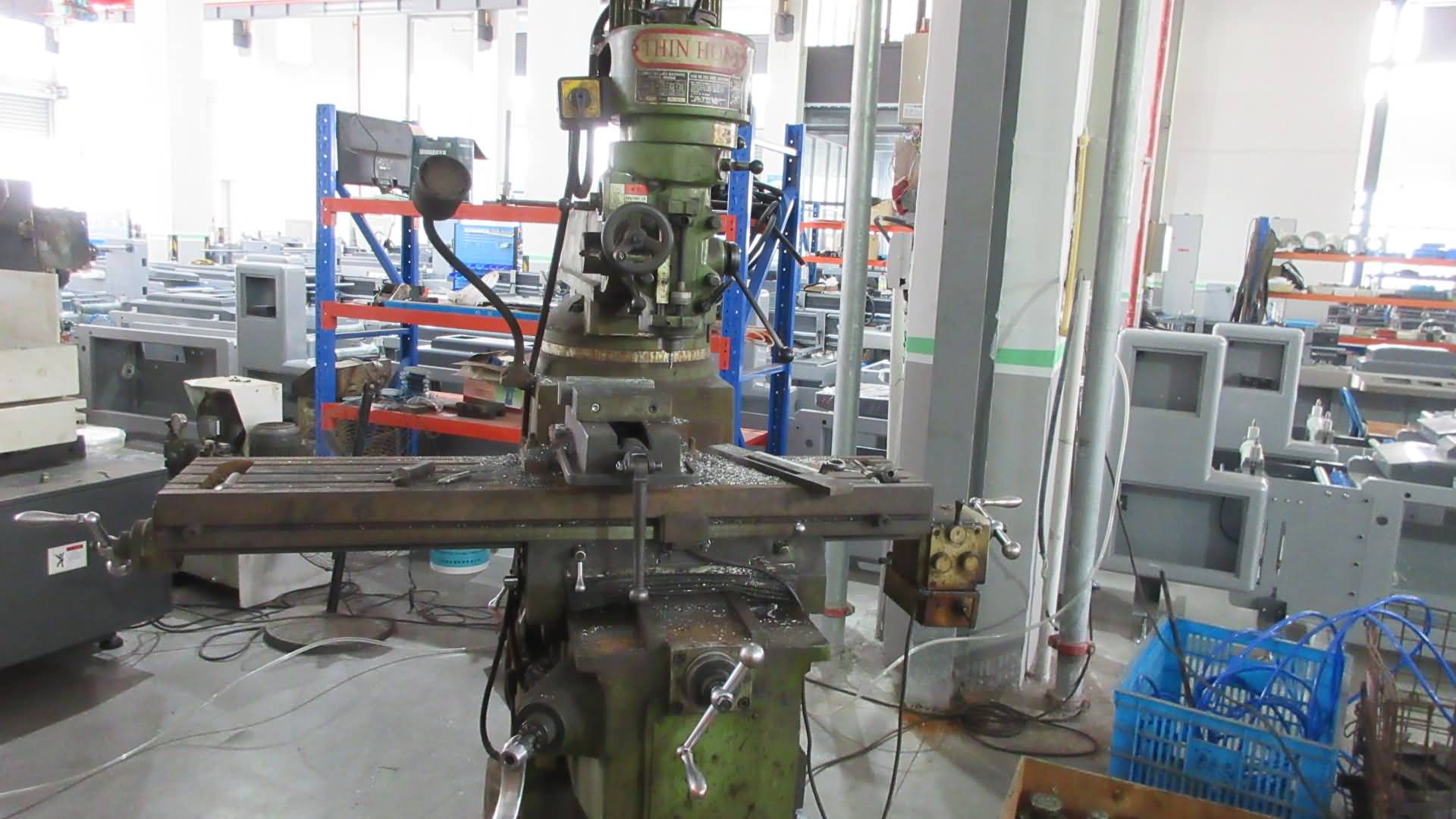
When sourcing compostable label materials, B2B procurement managers and quality assurance teams must assess several parameters to ensure long-term processing reliability and regulatory compliance:
Always verify certificate authenticity with issuing registries (e.g., TÜV AUSTRIA for OK Compost, BPI for US markets). Ensure the certification covers the entire adhesive-liner-facestock system, not just the raw paper pulp.
Specify the mechanical properties of the film. High-elasticity compostables require processing on converting machinery with tension feedback loops and low-temperature UV curing systems to prevent material distortion.
Biodegradable adhesives can be susceptible to moisture. Request sample trials for labels meant for chilled items to ensure they maintain reliable adhesion in cold and high-humidity environments.
Find authoritative answers to common technical queries regarding the sourcing, printing, and regulatory certification of compostable label materials.
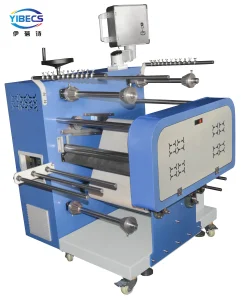
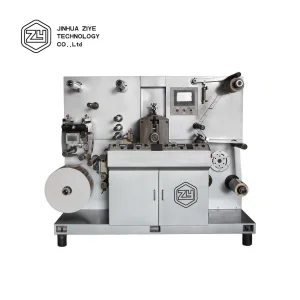
High-speed converting, reliable slitting, and precise rewinding are critical to producing defect-free label rolls. Browse our specialized manufacturing systems below:
 Moveco Machine