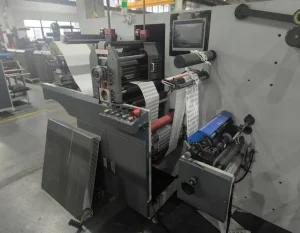
Discover industrial-grade, user-centric technologies designed to enhance performance, ensure high-fidelity output, and streamline continuous production runs.
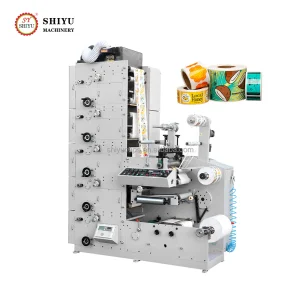
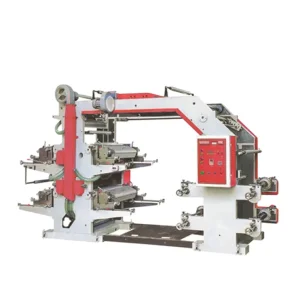
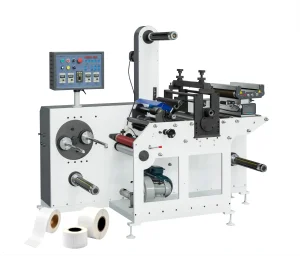
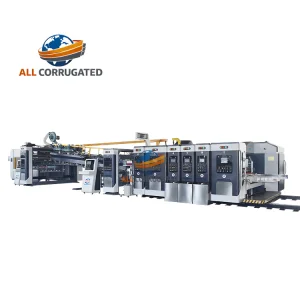
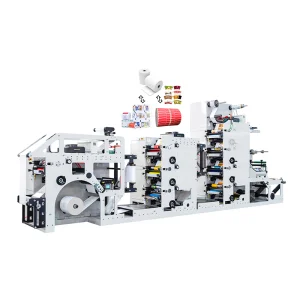
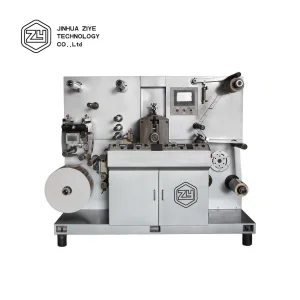
How the transformation from manual controls to intuitive automated HMI is redefining efficiency, cutting waste, and scaling throughput in the packaging industry.
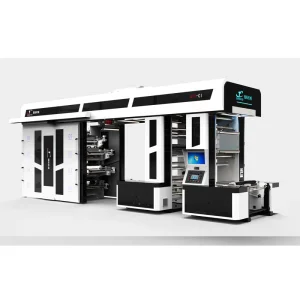
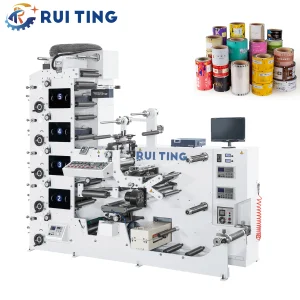
For decades, operating multi-color flexographic or heavy letterpress machinery was viewed as a highly specialized craft, demanding years of apprenticeship. Subtle shifts in web tension, slight misalignment of mechanical gears, or minor viscosity fluctuations in solvent inks could easily compromise print registration, leading to high startup waste. Modern industrial demands require a paradigm shift. "User-friendly" is no longer just a buzzword; it represents a comprehensive design philosophy that minimizes operator error, automates mechanical feedback loops, and provides digital touch-screen human-machine interfaces (HMI) to manage complex physical processes.
By engineering systems that monitor color registration, web tension, and drying kinetics in real time, manufacturers like Guangdong Moveco Machine Co., Ltd. have successfully lowered the barrier to operating high-output machinery. Operators can now configure multi-axis servo motors, adjust delicate unwind/rewind tension, and manage drying temperatures via consolidated central touchscreens, reducing job changeover times from hours to minutes.
The global manufacturing sector faces a major challenge: a shortage of experienced print technicians. Legacy presses required operators to detect register issues by eye and manually turn registration knobs on every station. Modern user-friendly printing technology addresses this labor gap by incorporating smart automation. Technologies such as automatic inking, computerized pre-registration, memory storage for job parameters, and self-cleaning mechanisms allow less-experienced operators to achieve consistent commercial-grade results.
Guangdong Moveco's implementation of intelligent registration systems and quick-change plate cylinders directly addresses this operational bottleneck. Standardizing mechanical procedures via computerized PLC automation ensures consistent output quality, reducing dependence on manual operator adjustments and keeping the press line running smoothly.
As print runs shorten and demand for localized, variable label data grows, modern converters need versatile equipment. Pure flexography is unmatched for high-speed, cost-effective long runs, while digital inkjet systems excel at fast, short-run customization. A key development in user-friendly printing technology is the hybrid system, which combines these two approaches.
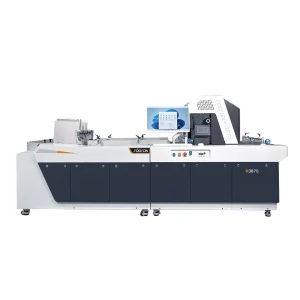
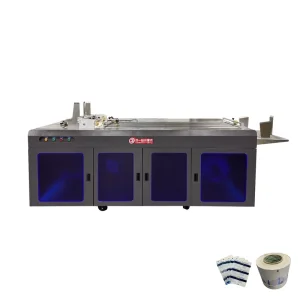
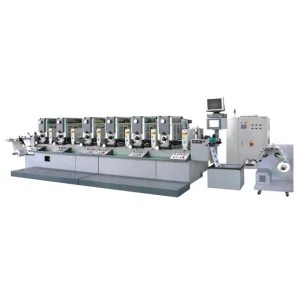
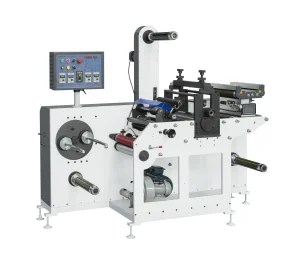
Systems like the Foofon Single Pass Digital Roll Inkjet Printer and the DES320S Intermittent Flexo Printing Machine show how digital variable printing can be integrated with traditional flexographic converting and inline rotary die-cutting. This integration gives converters the ability to handle runs of any size on a single machine, simplifying the overall workflow and reducing secondary processes.
"User-friendliness in modern printing machinery translates directly to profitability. By reducing setup times and minimizing registration waste through automated servo-control loops, packaging converters can protect their operating margins even when processing short runs."
An inside look at our specialized CNC precision engineering facility, where raw steel is transformed into high-accuracy, long-lifespan converting machinery.
Guangdong Moveco Machine Co., Ltd. is a specialized manufacturer focused on the research, engineering, and assembly of advanced label printing, converting, and finishing equipment. To achieve high printing precision—especially at speeds of 150m/min or higher—every component of the machine's structural frame must be built to handle continuous dynamic forces without resonance or deformation. Moveco ensures this stability by using CNC machining centers and performing extensive thermal annealing on our cast-iron side-frames, eliminating internal stresses to guarantee long-term accuracy.
Our 11-step manufacturing process ensures that every component is precision-machined, inspected, and assembled under strict quality control standards.
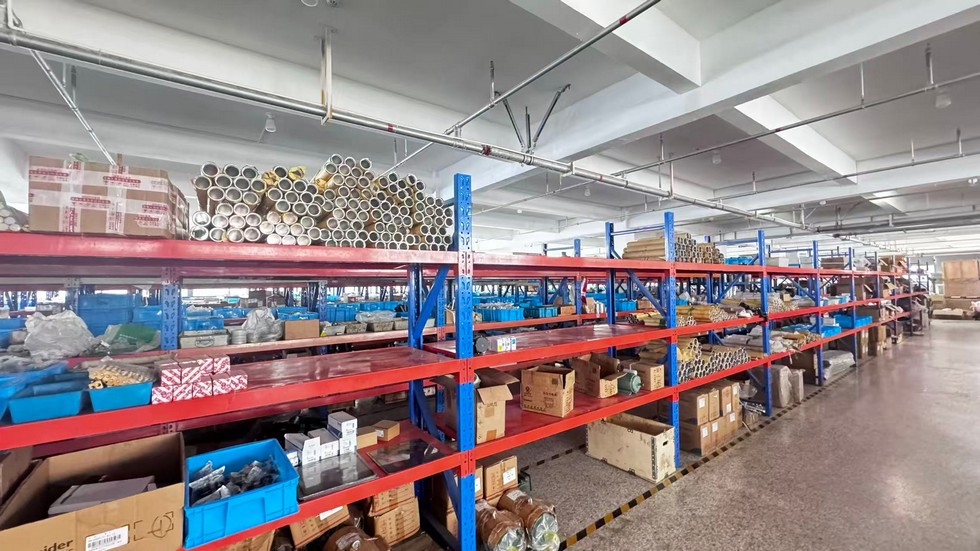
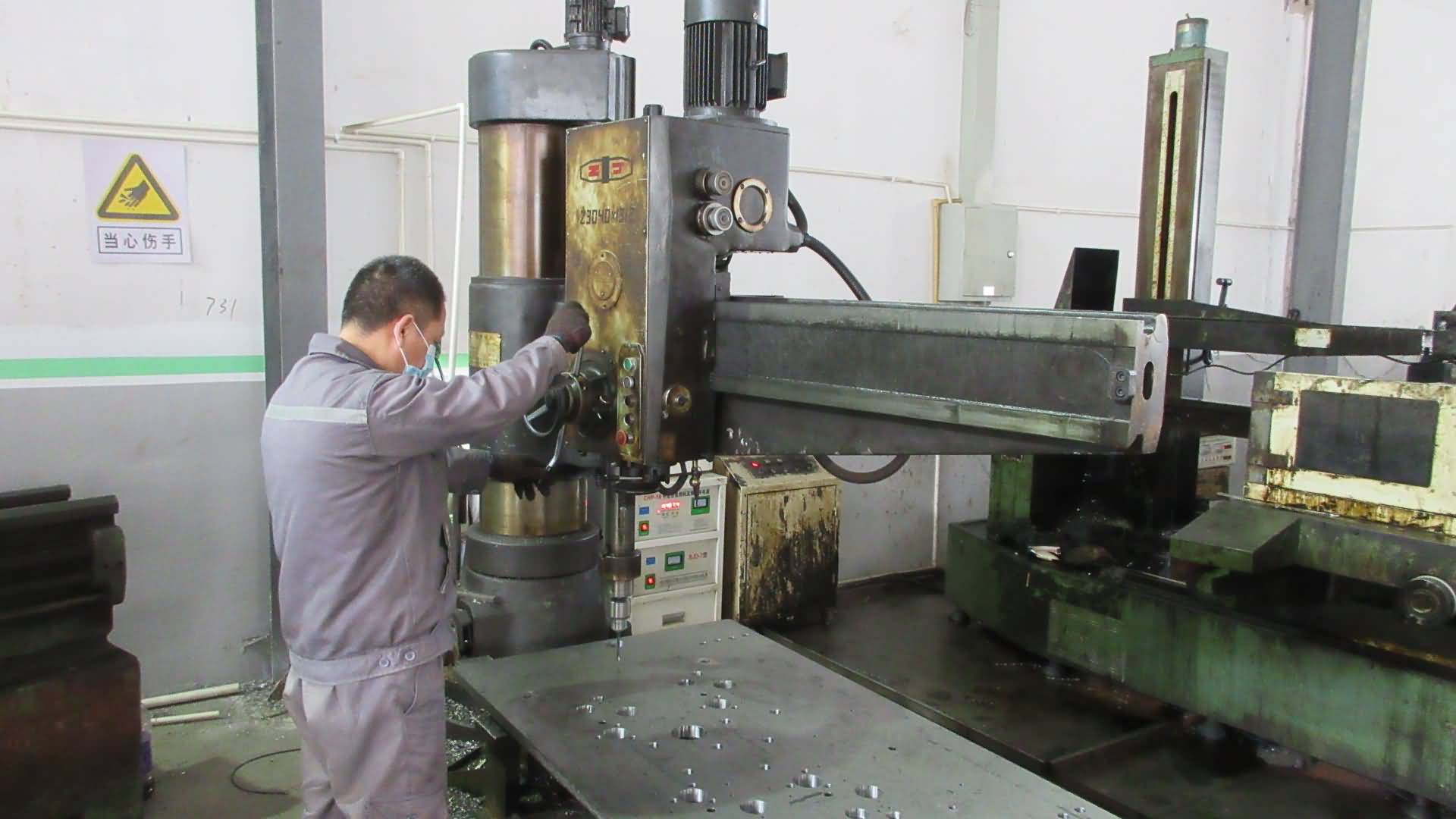
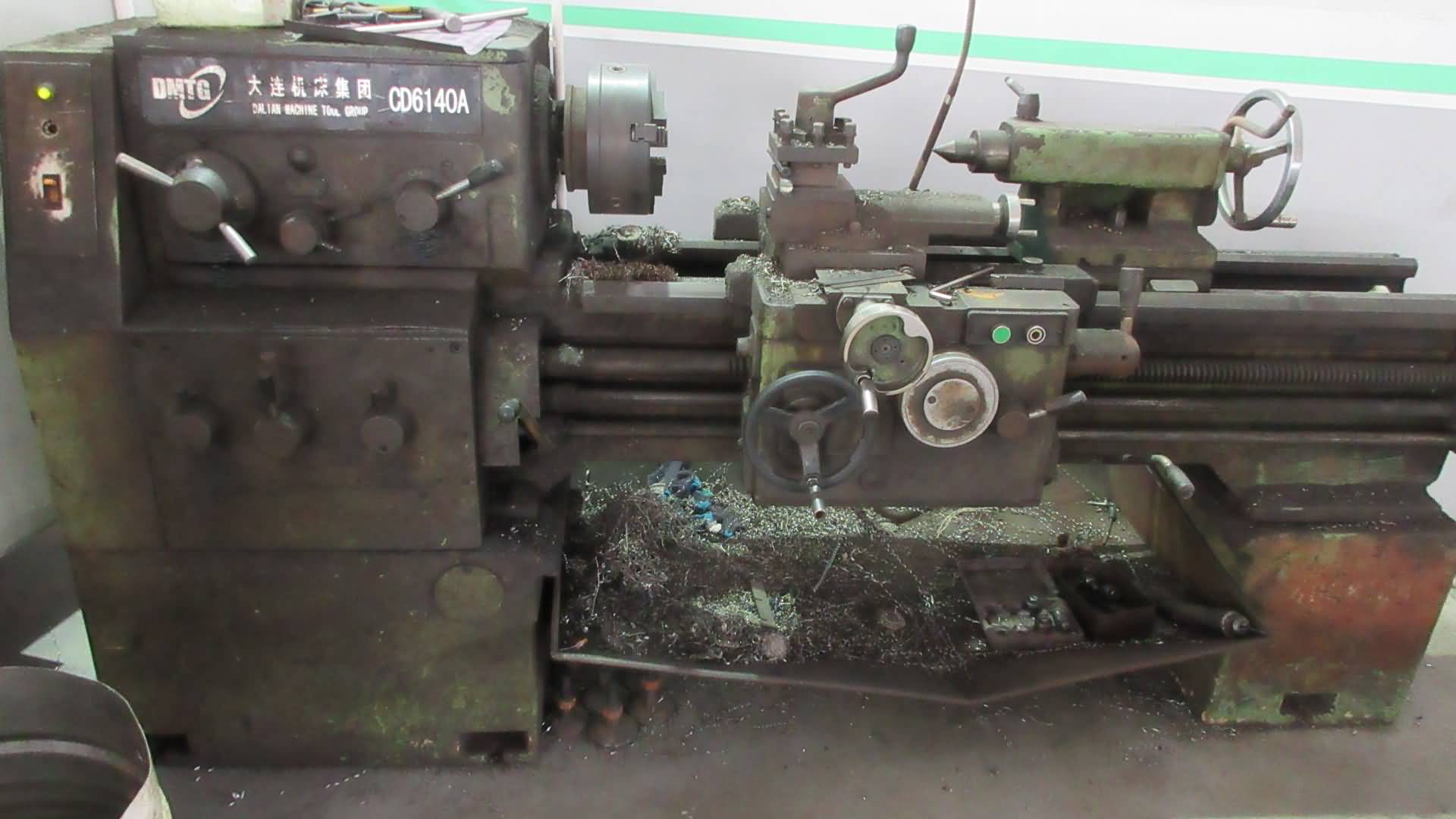
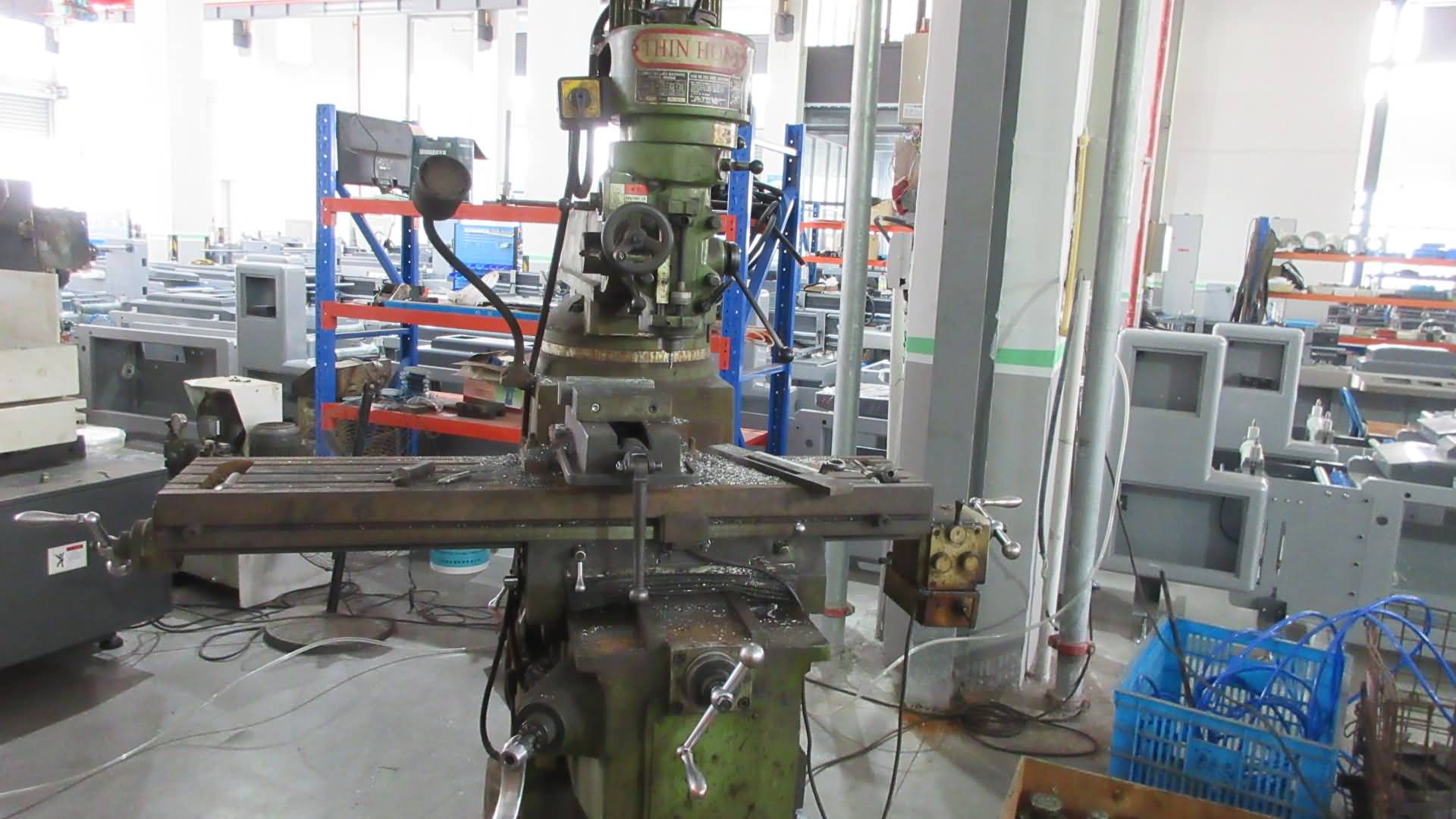
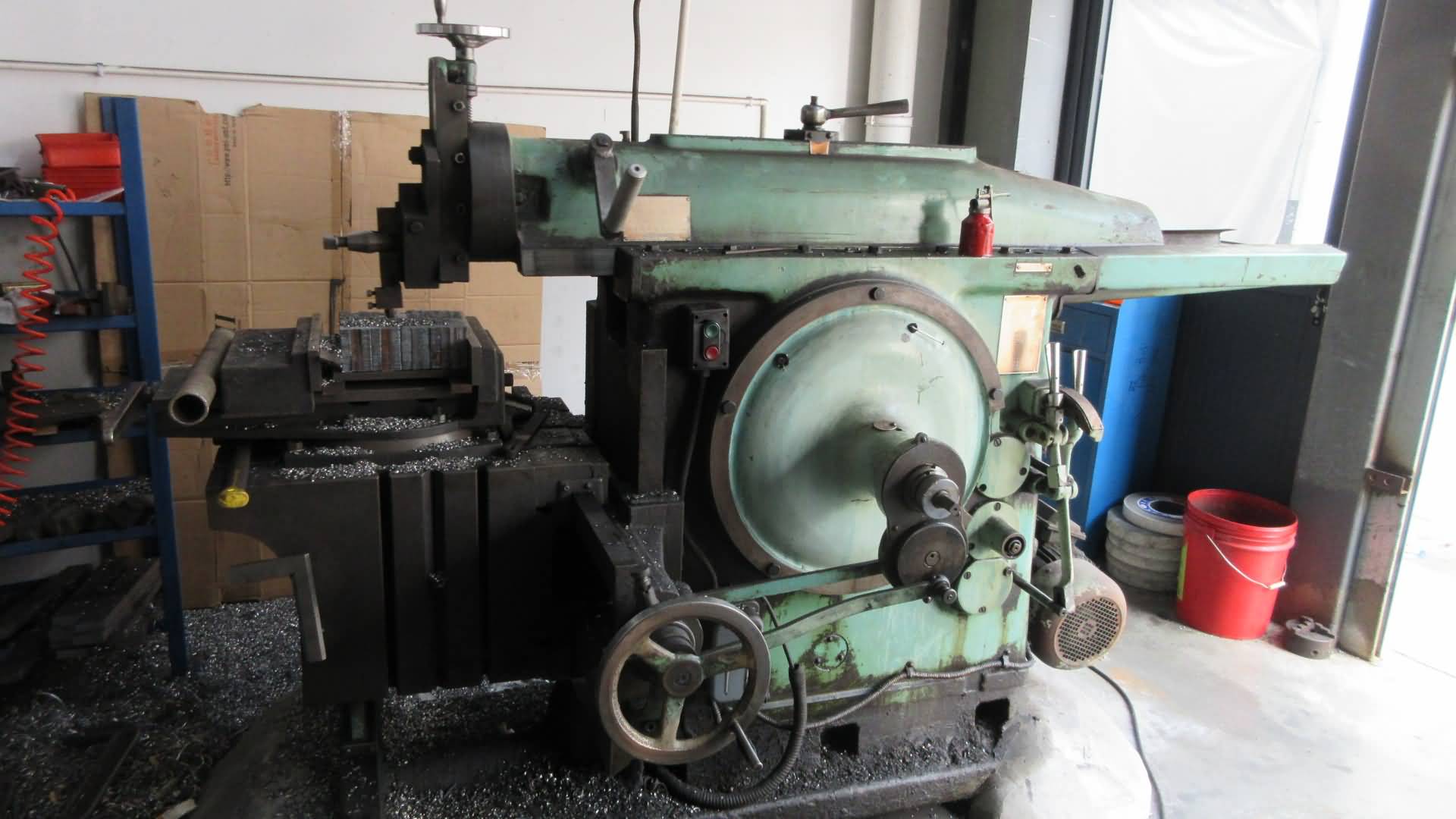
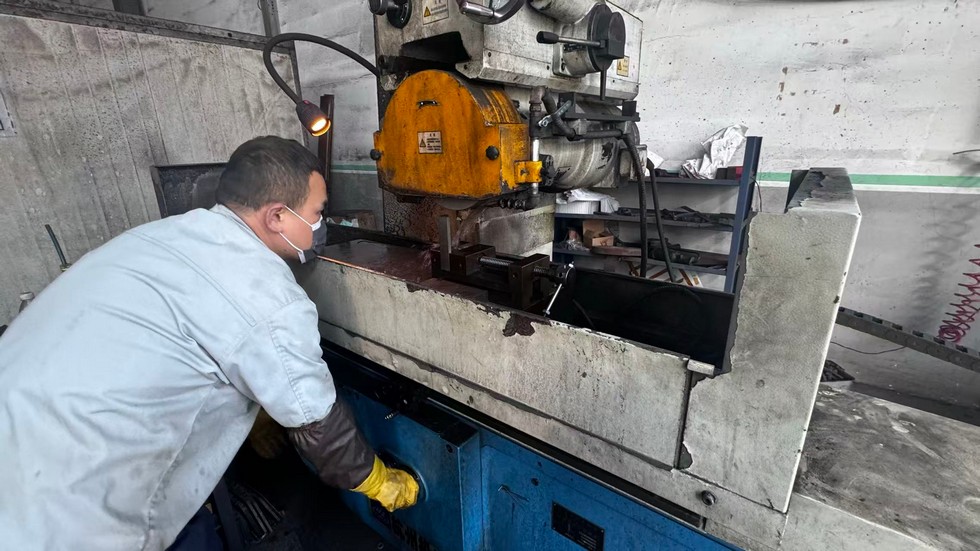
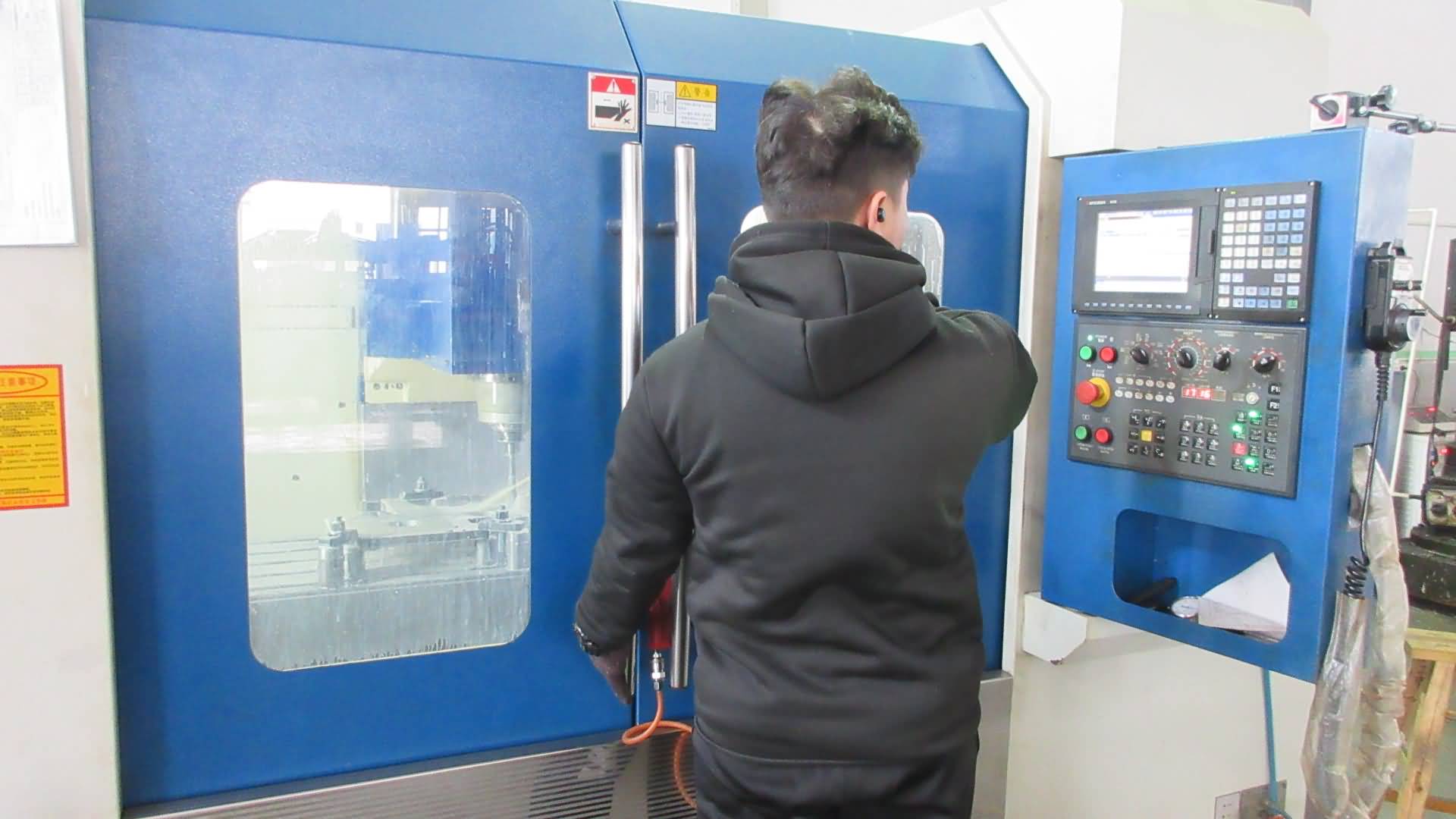
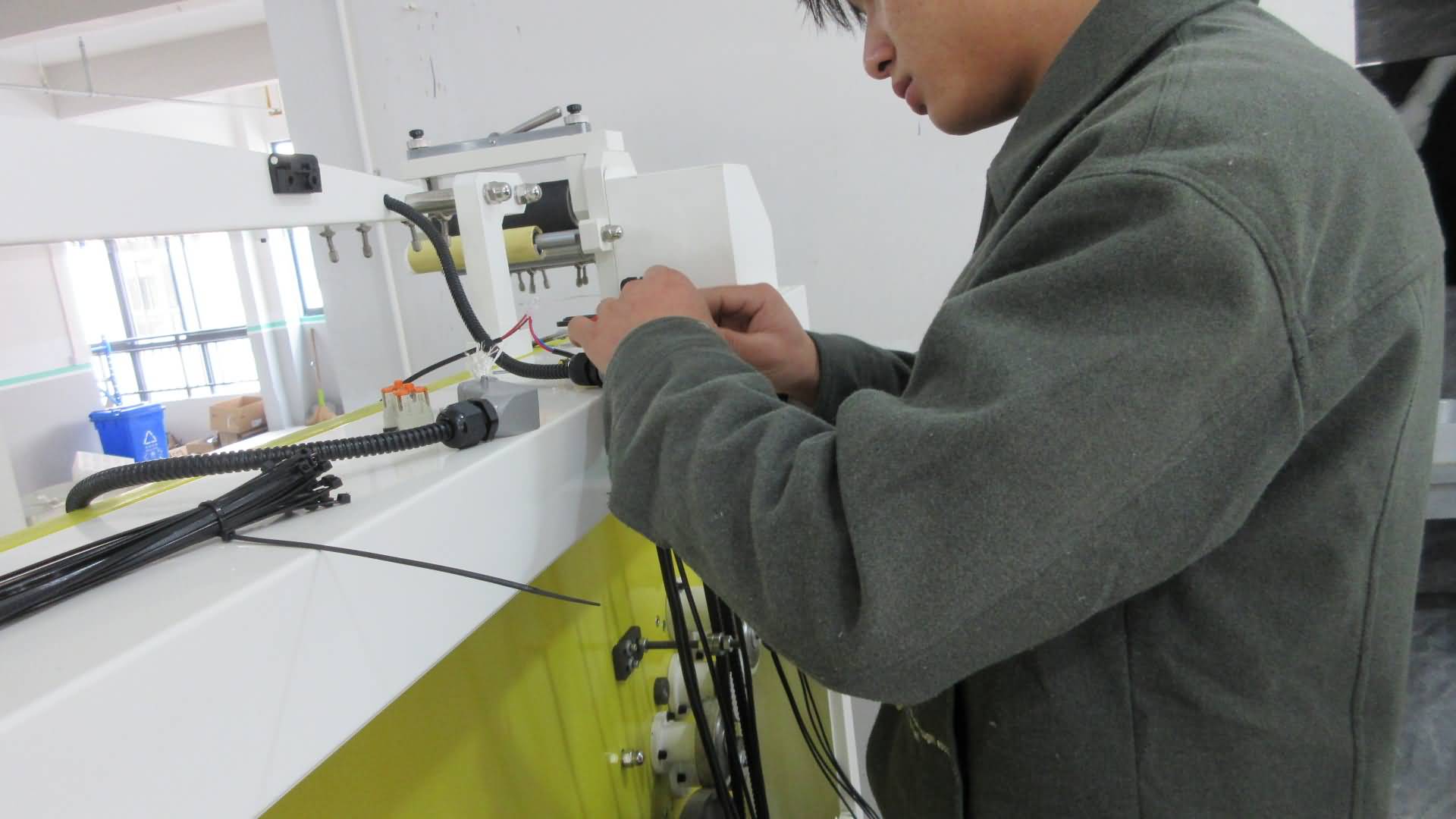
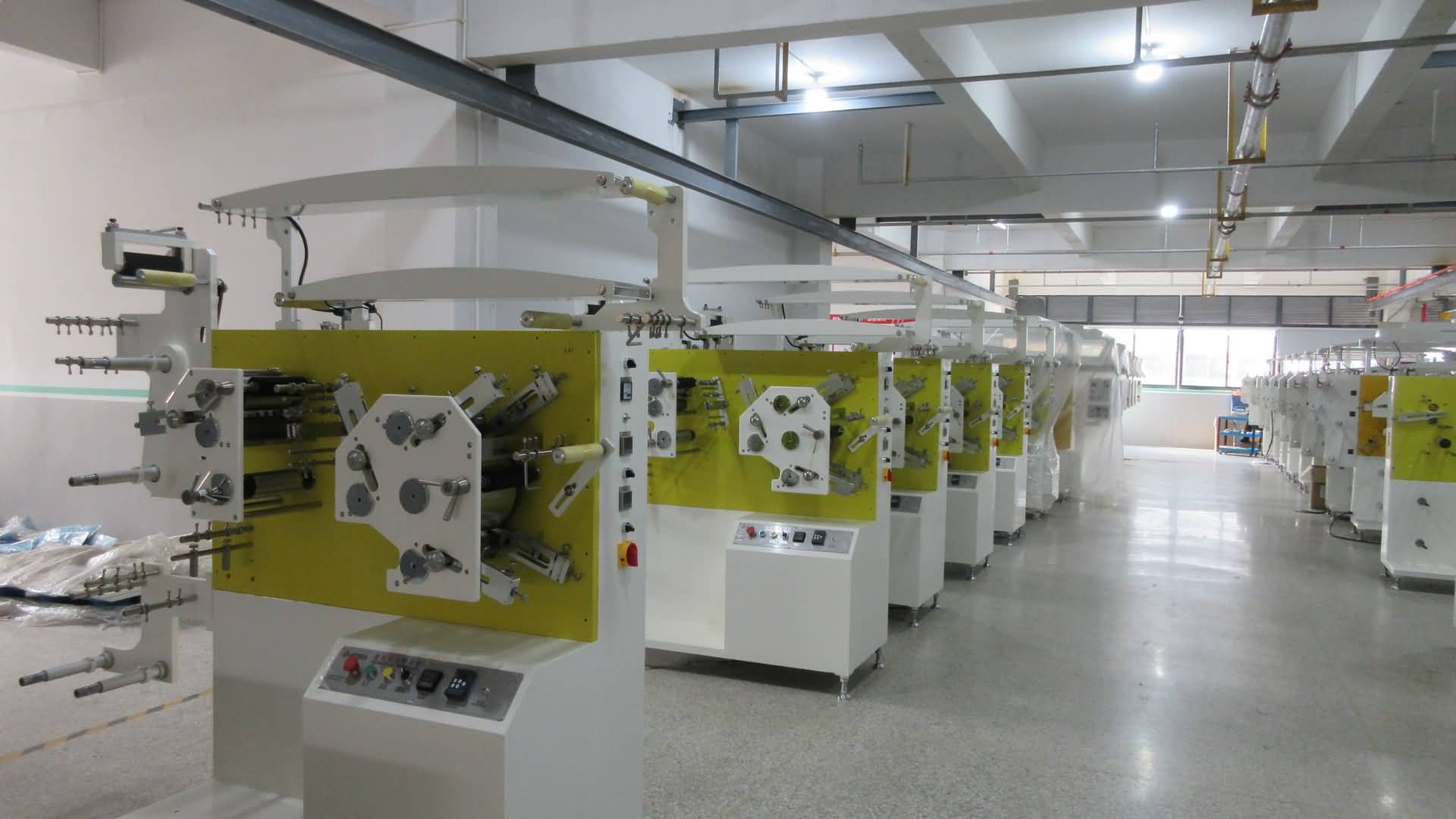
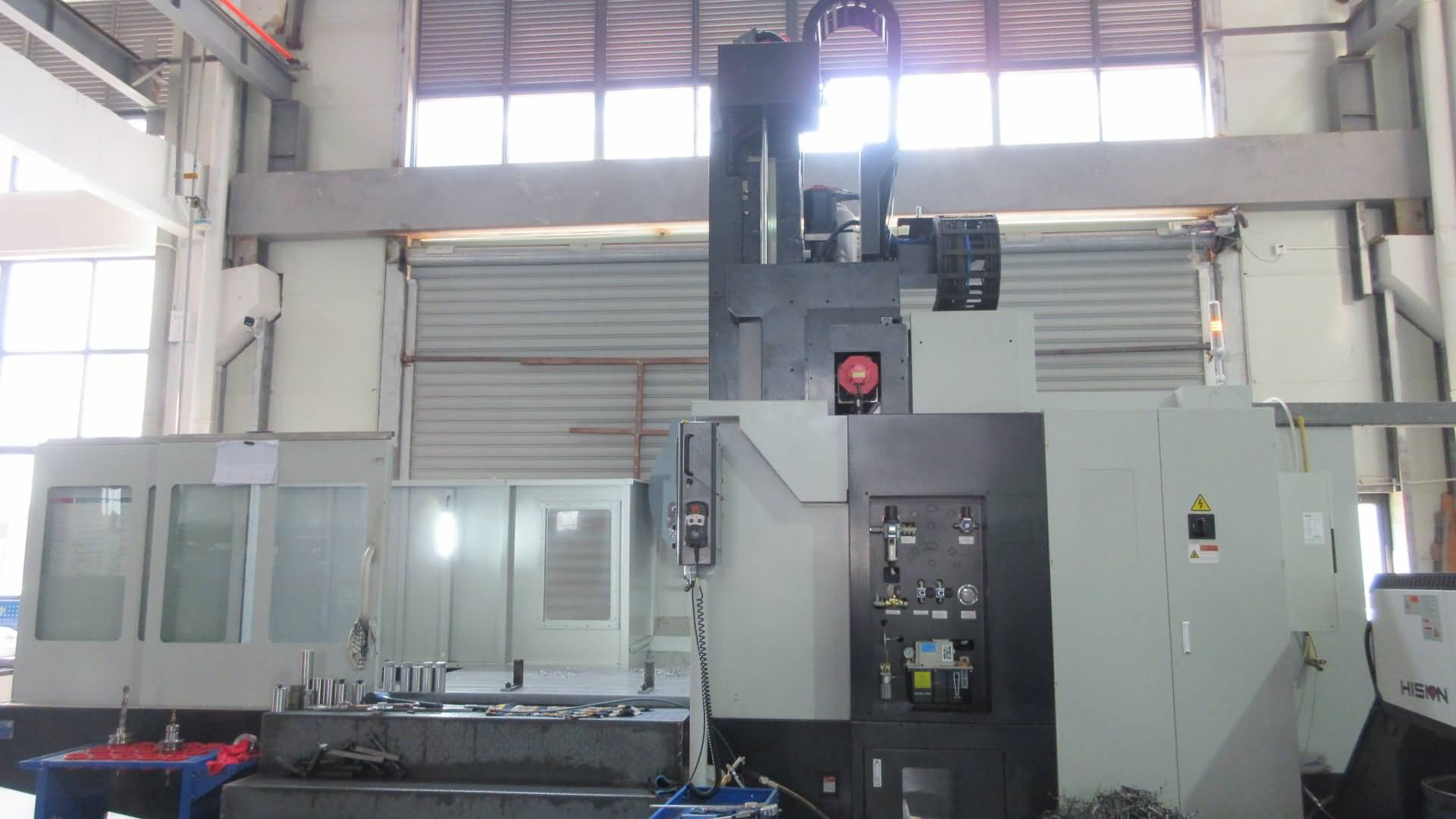
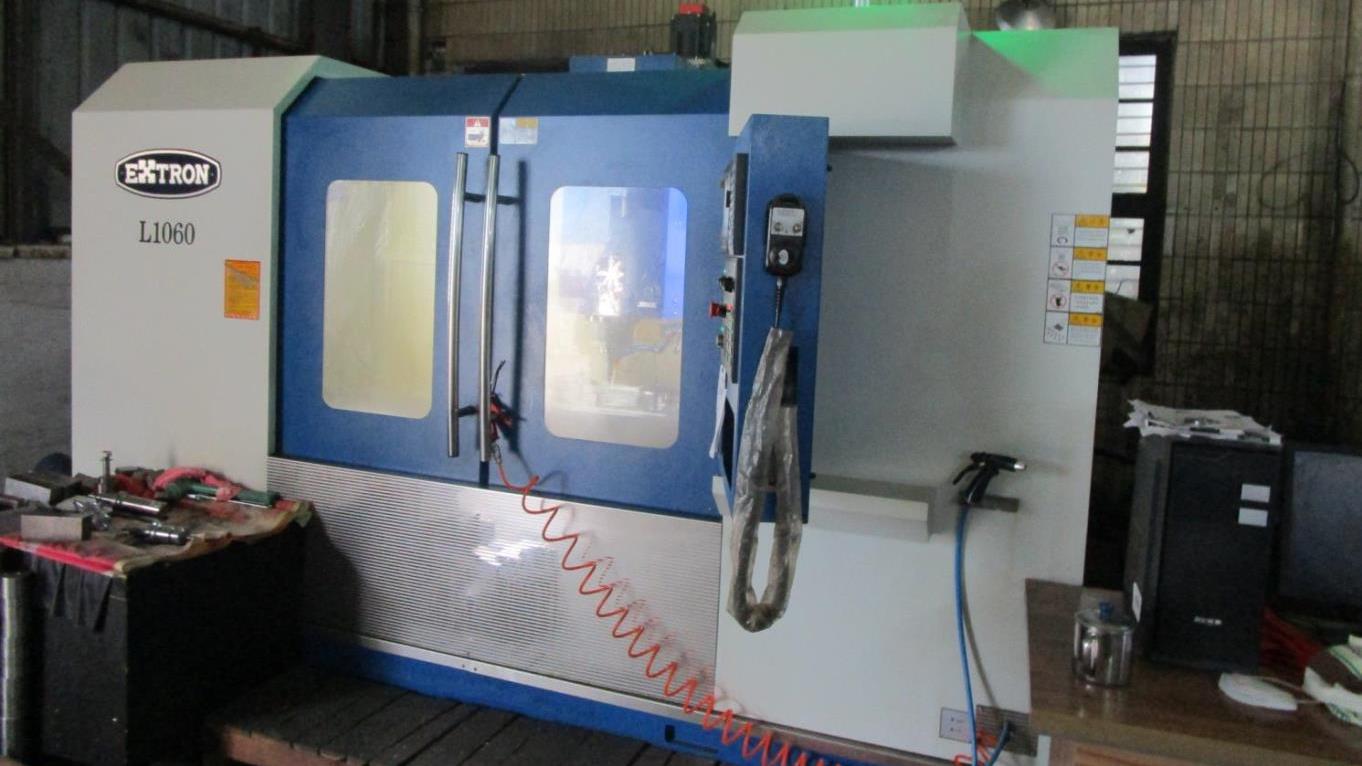
A printing machine is only as good as its foundation. At Moveco, we manufacture the main machine frame from one-piece precision-cast iron, which undergoes a controlled annealing cycle to eliminate internal metal stress. By keeping our heavy machining, boring, and grinding processes in-house, we can hold tight tolerances across the entire frame. This rigidity prevents the high-frequency vibration common in stack and inline presses, ensuring dot-to-dot registration accuracy even during high-speed runs.
Our key mechanical components are driven by brands like Mitsubishi and other internationally recognized servo systems. These motors provide precise position feedback to the central controller, allowing the machine to adjust and maintain web tension across paper, plastic films, and multi-layer laminate stocks.
Examining key trends in packaging converters, sustainability metrics, and regional demands across the worldwide printing sector.
Environmental compliance is a top priority in Western markets. The transition away from solvent-based inks toward water-based inks and energy-efficient LED UV curing systems is driven by regulations like the EU's VOC Directive and OSHA safety standards. Moveco's 8-color LED UV flexo presses meet these standards, enabling high-speed curing with lower electricity draw and zero ozone emissions. Additionally, our machines feature integrated CE-compliant interlocks, emergency stop loops, and enclosed doctor blades, helping buyers meet local safety requirements.
In regions like Southeast Asia, Latin America, and parts of Eastern Europe, converters require durable machinery that can handle diverse, locally sourced films and papers. Moveco's robust mechanical designs and standard components make these machines well-suited for these markets. By using standard components from trusted manufacturers (such as Siemens, Schneider, and Mitsubishi), operators can source replacement parts locally when needed, minimizing down-time and reducing dependency on custom factory shipments.
Traditional flexography required long setup runs to justify plate costs. Today's consumer trends demand regionalized packaging, promotional variations, and rapid SKU updates. As a result, converters require versatile machines that can switch quickly between different jobs. Moveco's quick-change cylinder systems, sleeve-based technology, and digital/flexo hybrid configurations help users handle short to medium runs profitably while maintaining high print quality.
How Guangdong's manufacturing cluster enables Moveco to deliver high-precision engineering at a competitive global price point.
Guangdong is a major manufacturing hub for printing, electronics, and precision engineering. This localized cluster allows Guangdong Moveco Machine Co., Ltd. to access high-quality raw materials, electrical components, and specialized casting services quickly and cost-effectively. Because our raw castings, precision gears, and electronic sensors are sourced within a short distance of our facility, we can maintain short lead times and minimize the impact of global supply chain disruptions.
In-house manufacturing of key components is a core part of our quality control strategy. Rather than outsourcing precision operations, we use our own CNC machining, lathing, grinding, and assembly workshops to build every press frame and roller. This control over the manufacturing process ensures that our components consistently meet high standards, reducing structural vibration and maintaining registration accuracy.
By combining localized supply chains with in-house CNC machining, Moveco delivers high-precision equipment at a lower cost than comparable European or American machines. This structural cost advantage allows us to invest more in premium components—such as Mitsubishi PLCs, Japanese NSK bearings, and heavy-duty steel frames—while keeping our prices competitive for label converters globally.
A breakdown of Moveco's development roadmap, focusing on cloud diagnostics, automated setup, and eco-friendly printing technologies.
Integrating IoT gateways with our PLC systems to collect real-time data on machine parameters. This allows our service team to diagnose issues, update software, and provide adjustments remotely, reducing the need for onsite service visits and minimizing down-time for the operator.
Developing closed-loop optical inspection systems that read micro-registration marks at speeds up to 200m/min. If the camera detects register deviation, it sends real-time micro-adjustments to the plate cylinder servos, keeping the print sharp without requiring operator intervention.
Adapting our web path and tension control systems to handle biodegradable films and recycled paper stocks. As global brands move toward eco-friendly packaging materials, our machines are being engineered to print and convert these challenging, heat-sensitive substrates without warping or tearing.
How we support our equipment worldwide, ensuring compliance with local safety standards and providing reliable field support.
Exporting machinery worldwide requires strict compliance with regional standards. Moveco engineers our equipment to meet CE regulations, UL electrical standards, and regional safety codes. From dual-channel safety relays to low-voltage control circuits and shielded cabling, we build our machines to pass local safety inspections, helping buyers integrate their new equipment quickly and safely.
To keep down-time to a minimum, we use standard, globally available parts from suppliers like Mitsubishi, Siemens, and NSK. When custom components are required, Moveco maintains a dedicated inventory at our manufacturing facility, allowing us to ship replacement parts globally. This support structure helps converters keep their lines running and minimizes production interruptions.
Proper training is key to getting the most out of your machinery. Moveco provides onsite installation, commission, and training services. Our engineers help setup the equipment, configure the tension controls for your specific substrates, and train your operators on routine maintenance, ensuring your team can operate the line safely and efficiently.
Get detailed technical answers regarding flexographic printing systems, registration control, and converting equipment.
Explore our line of high-efficiency converting machinery, slitting solutions, and specialized digital printing systems.
 Moveco Machine