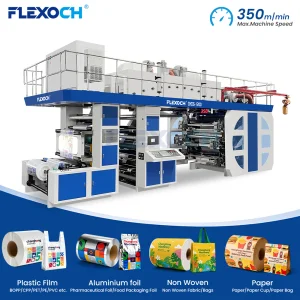
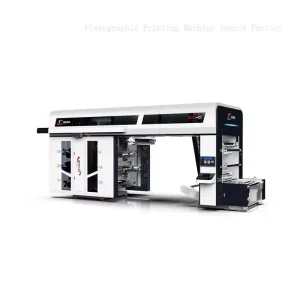
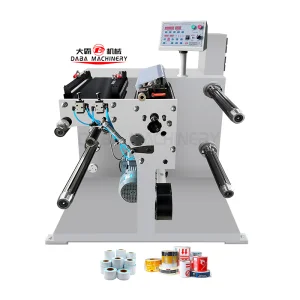
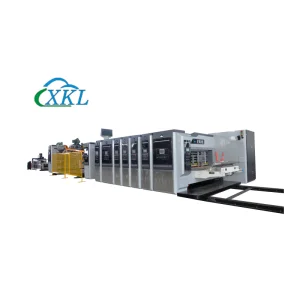
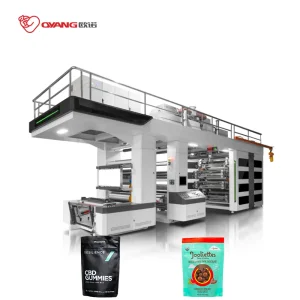
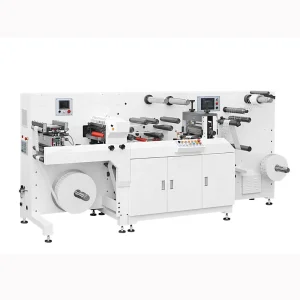
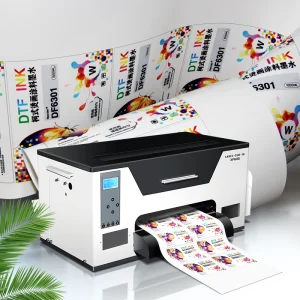
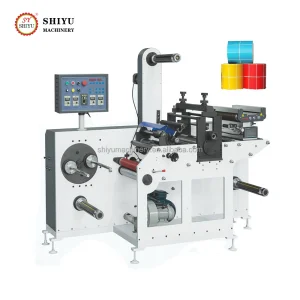
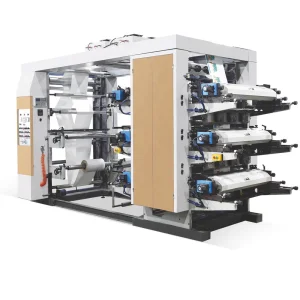
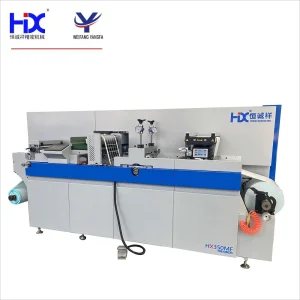
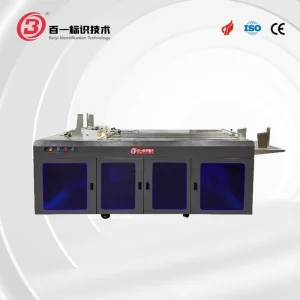
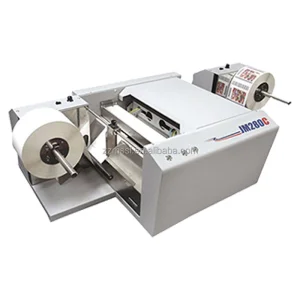
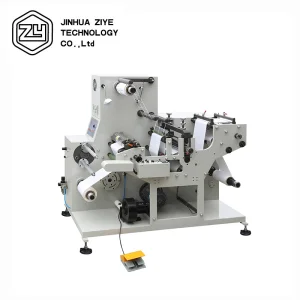
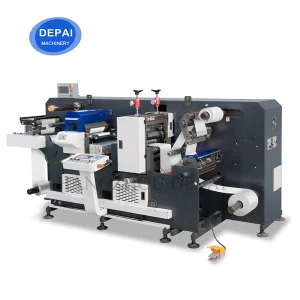
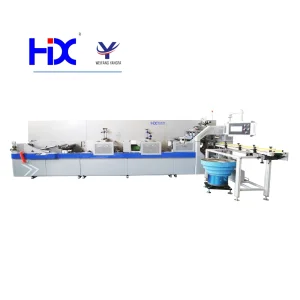
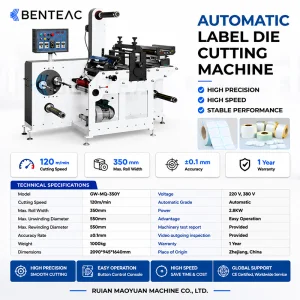
State-of-the-art machinery engineered for maximum efficiency, web tension control, and micro-precision converting
In the high-speed ecosystem of modern packaging and converting, label rewinding equipment is not merely a peripheral auxiliary device; it is a critical process link that guarantees roll profile integrity, tension consistency, and precise slitting. As consumer demand transitions toward high-mix, low-volume orders alongside strict demands for automated application compliance, global label converting hubs require machines that can handle increasingly thin, flexible, and complex composite substrates.
Whether processing paper labels, BOPP, PET, or premium aluminum foils, maintaining mechanical stability and avoiding defects like web-shifting, telescoping, and core crushing is paramount. The integration of advanced features such as automatic tension feedback loops, electronic edge alignment (Web Guiding Systems), and high-frequency defect inspection has transformed traditional mechanical rewinding lines into smart, digitized converting cells.
Utilizes ultra-precise load cells to actively measure web tension and adjust brake/clutch pressure or servo torque curves in real-time, preventing stretching and registration errors.
Equipped with responsive sensors that detect the position of opaque, translucent, or reflective film edges, driving correction actuators to guarantee flat roll edges.
Combines rotary shear, razor, or score slitting tools directly in line with double-shaft rewinding configurations, minimizing setup times and footprint.
When global procurement teams evaluate label rewinding and finishing suppliers, their decision matrix extends far beyond basic list pricing. Modern procurement is deeply rooted in calculating Total Cost of Ownership (TCO), Operational Equipment Effectiveness (OEE), and future-proof adaptability. Today's manufacturing environment is seeing several major structural transitions:
Downtime is the enemy of packaging margins. Suppliers who integrate pneumatic quick-change shaft systems, automatic blade positioning, and smart job memory setups enable operators to transition between different label widths and roll diameters within minutes, reducing waste and labor costs.
Traditional magnetic powder clutches are increasingly replaced by independent, multi-axis servo systems. This allows precise speed synchronization during startup, deceleration, and emergency stops, which is crucial for handling complex elastic materials like PE packaging films without elongation.
Particularly in the pharmaceutical and food sector, 100% inspection capabilities (using high-speed line scan cameras) must interface seamlessly with label rewinder lines. When a defect is flagged, the rewinding controller must automatically decelerate, position the defect exactly on the splicing table, and permit visual correction or removal before rewinding resumes.
High-end label rewinding is not a one-size-fits-all product. Engineering layouts must be tailored to specific localized environments and industry sectors to ensure maximum throughput:
Requires strict cleanroom-compliant designs, stainless steel structural cladding, and integrated 100% video inspection systems. Zero tolerance for dynamic offset, missing print, label missing, or matrix remnants.
Focuses on high-volume, continuous duty cycles. Heavy-duty jumbo roll unwinders, automatic turret rewinders for high-speed non-stop core switching, and robust rotary die-cutting systems for blank transfer label production.
Configured for ultra-thin films (BOPP/PET shrink sleeves). Requires highly sensitive, low-tension closed-loop controllers to prevent film deformation, and electrostatic eliminators to manage rapid charges at high web speeds.
Guangdong Moveco Machine Co., Ltd. is a professional manufacturer specializing in the research, development, production, and sales of advanced label printing, converting, and finishing equipment. With years of industry experience, state-of-the-art manufacturing facilities, and a highly skilled engineering team, Moveco is committed to providing innovative, efficient, and reliable solutions for the global label printing industry.
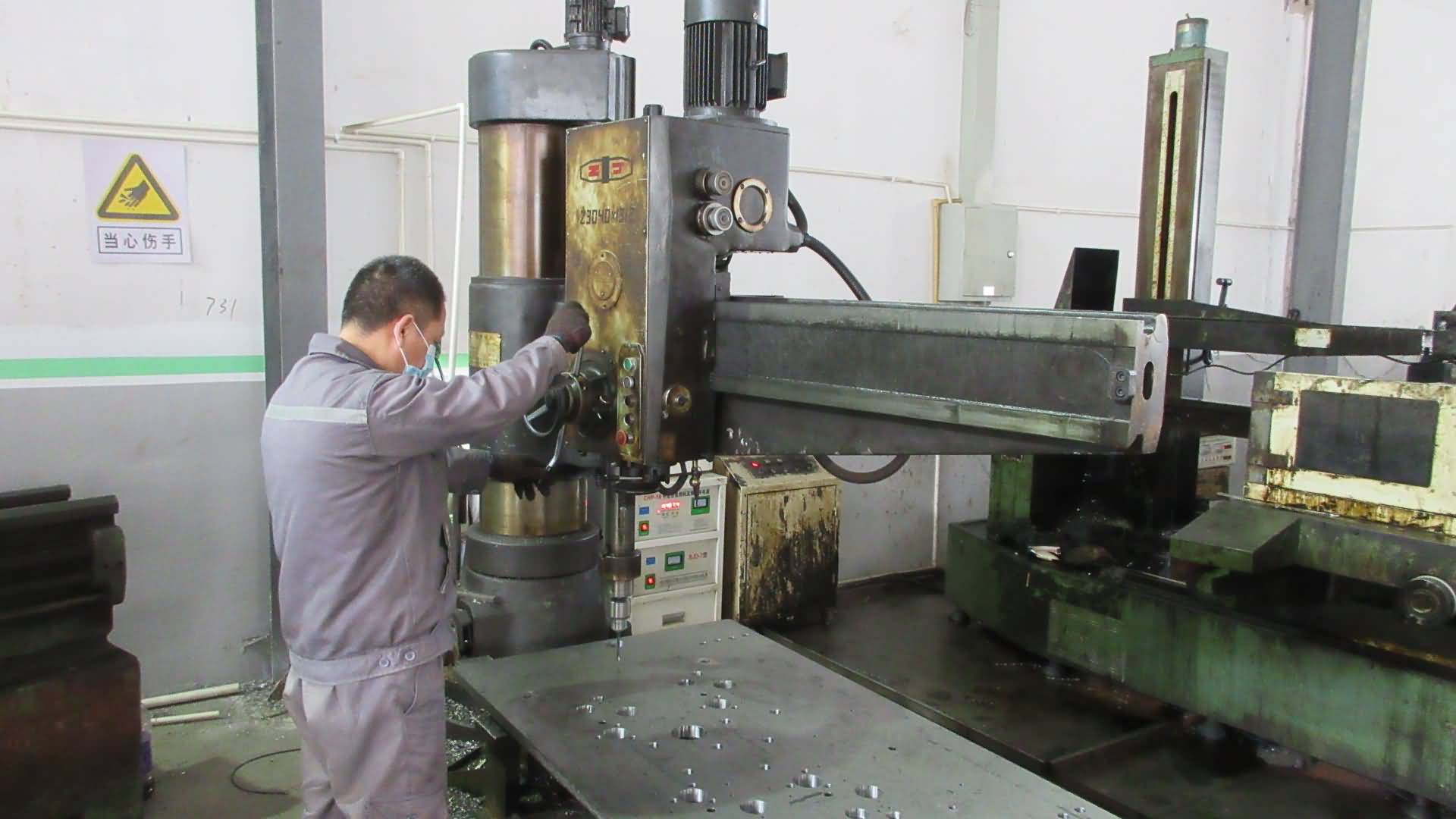
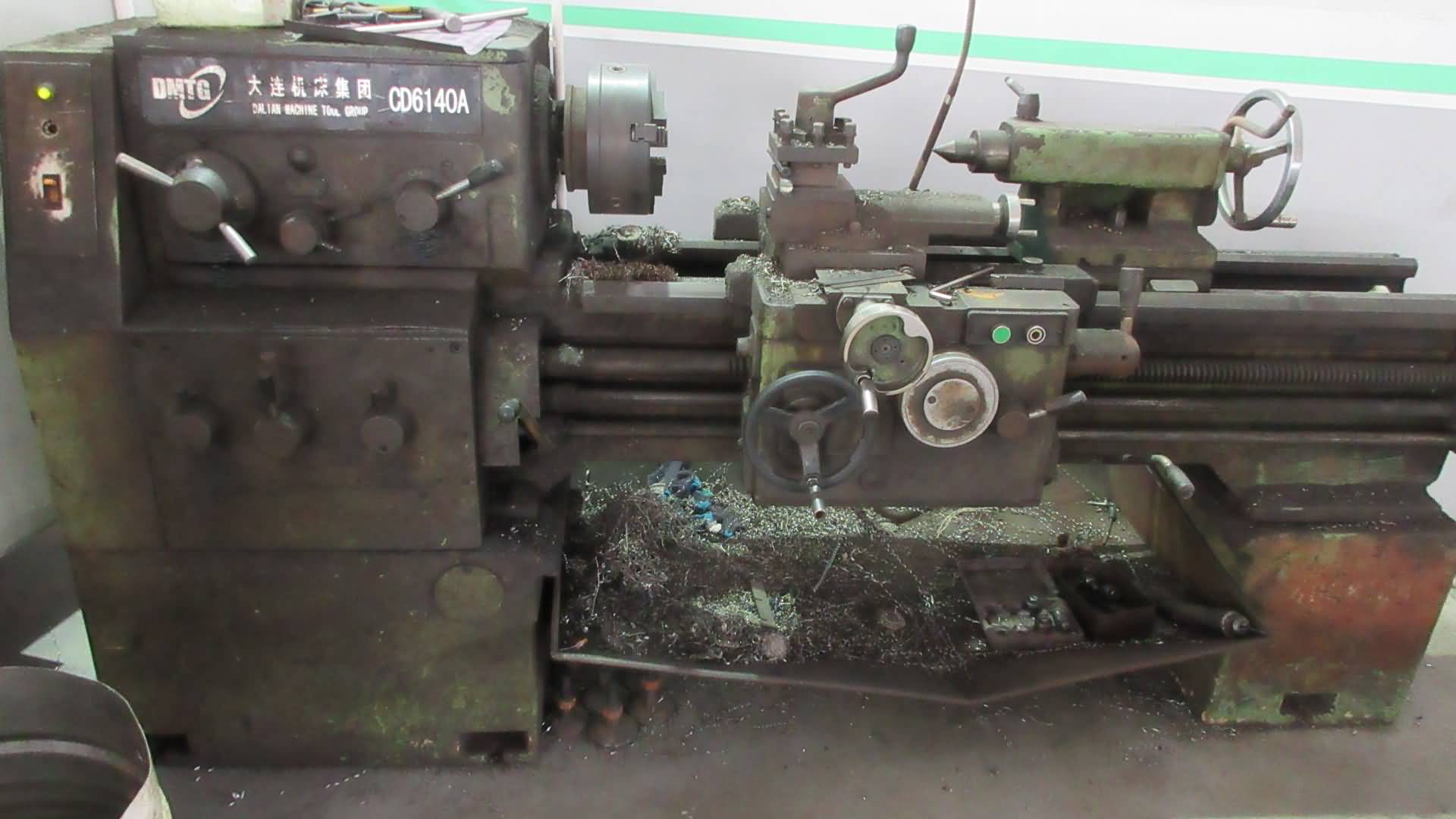
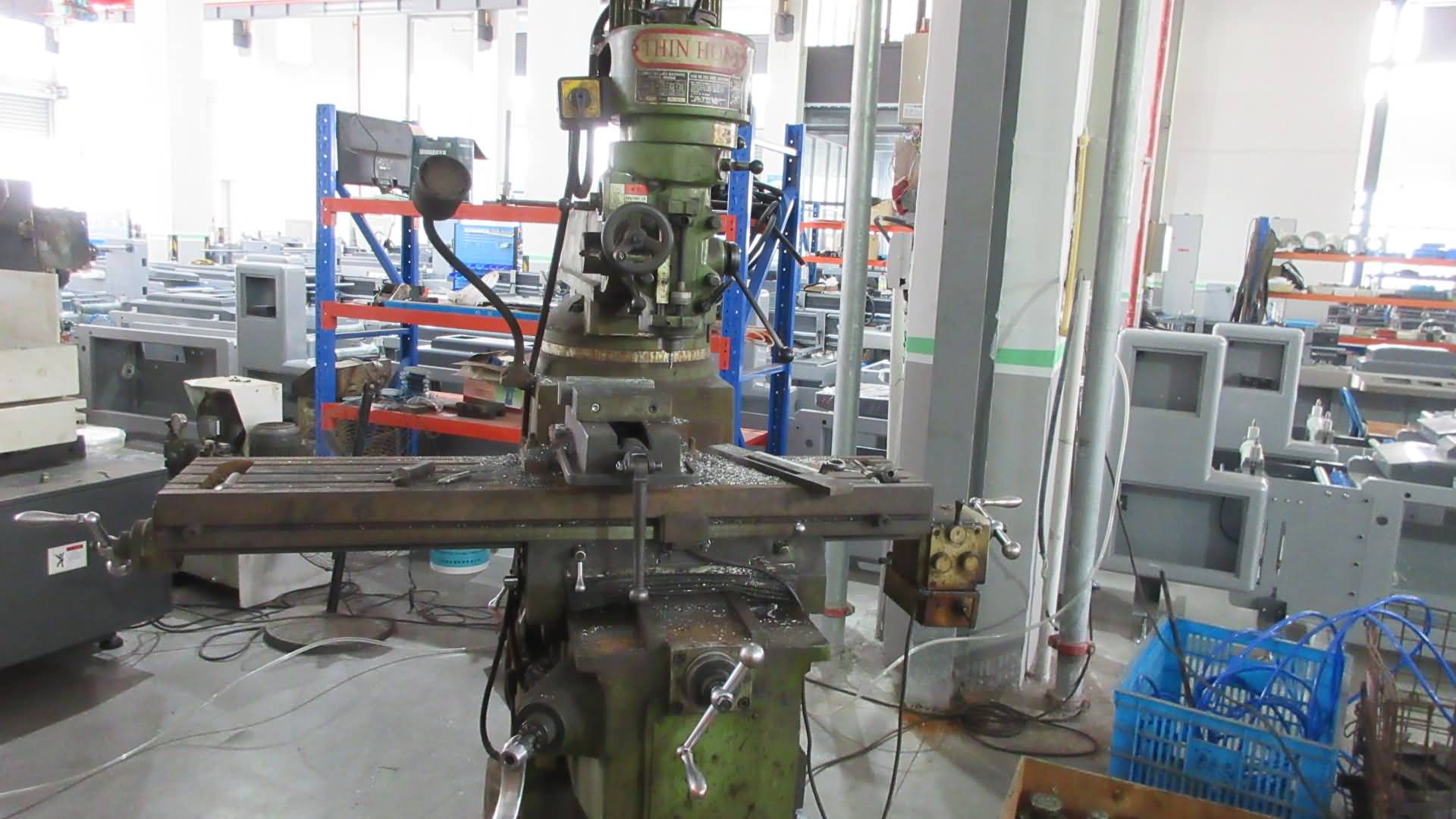
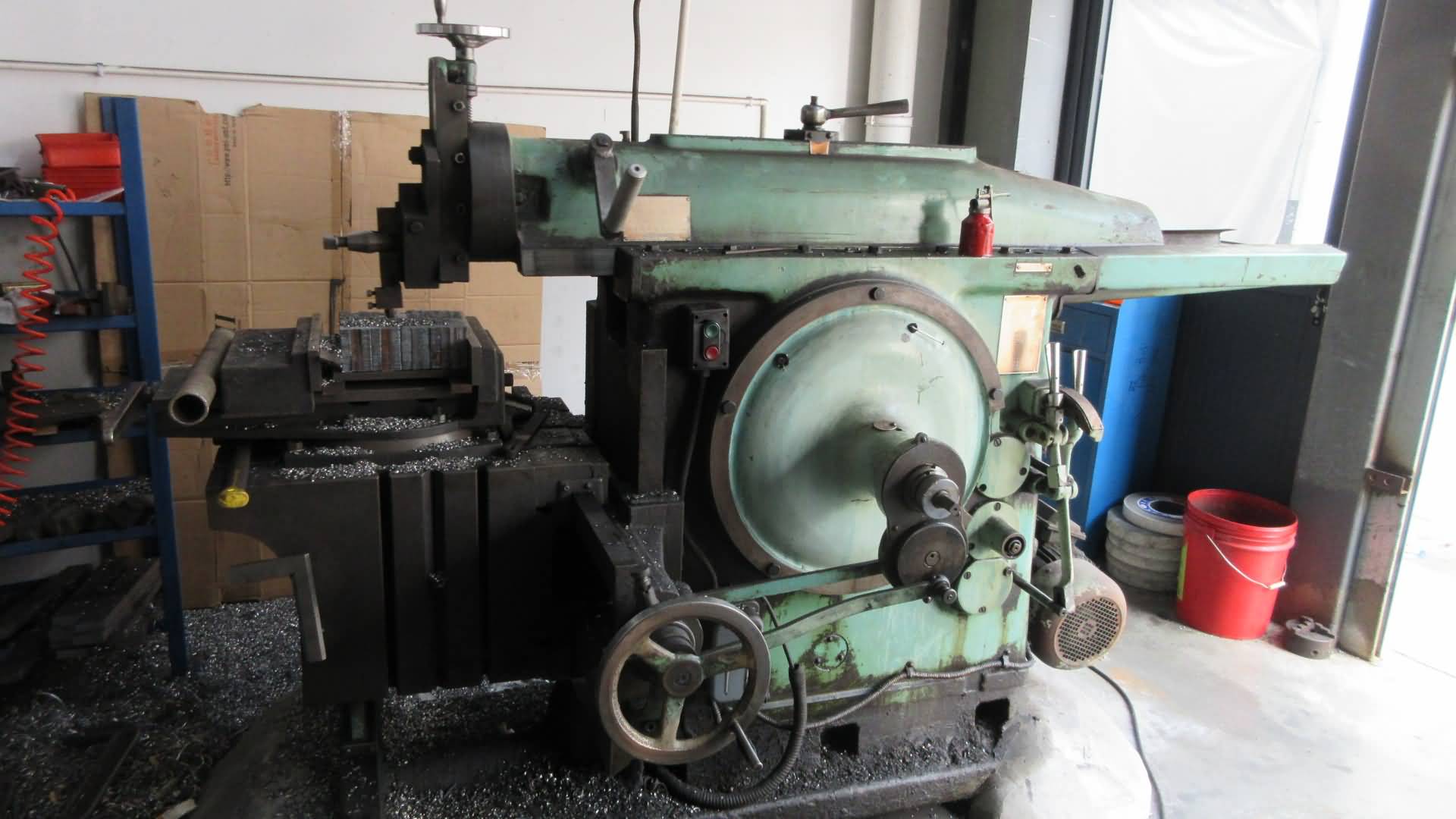
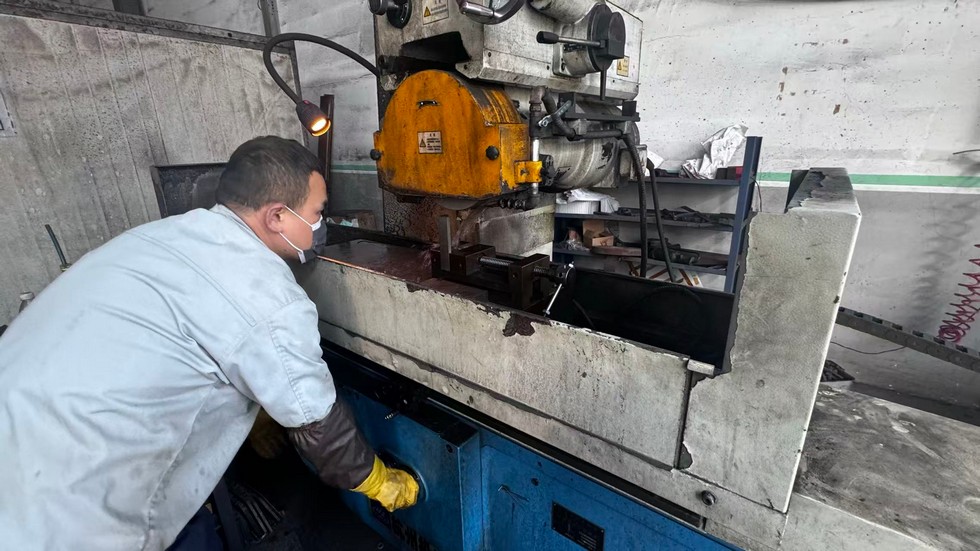
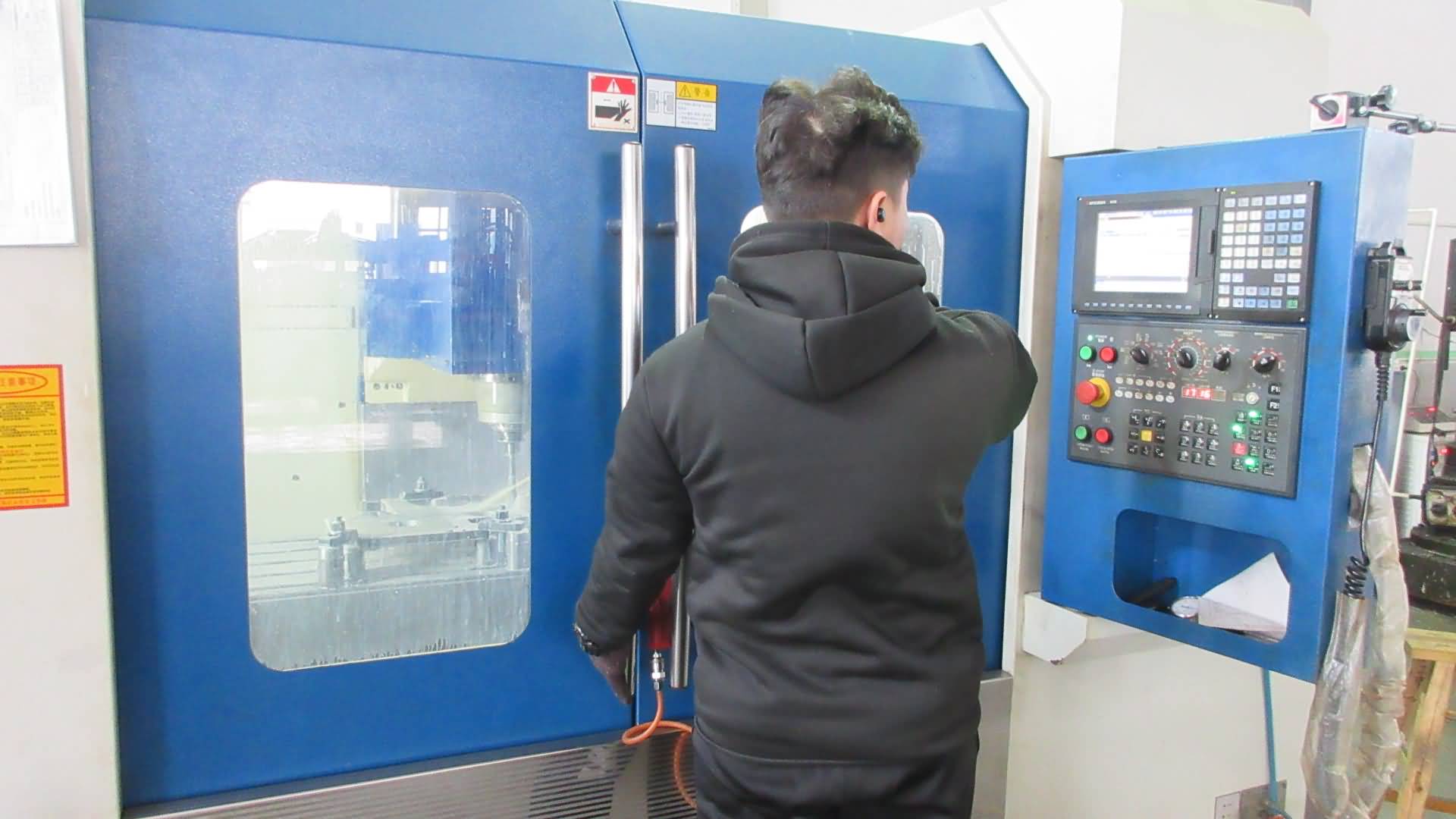
Our company has introduced advanced CNC machining equipment, including high-precision lathes, milling machines, grinding machines, and other precision processing systems. Supported by experienced technical professionals and a strict quality management system, every machine is manufactured to meet international quality standards, ensuring excellent performance, long service life, and reliable operation.
Moveco integrates advanced automation and intelligent control technologies into its equipment. Our machines are equipped with user-friendly touch-screen control systems, precision servo drive technology, and intelligent registration systems to achieve stable operation, accurate color registration, and high-speed production with outstanding printing quality. Different substrate tensions can be adjusted through the control interface, while automatic inking, washing, and quick-change cylinder systems significantly improve production efficiency and reduce downtime.
The main machine frame is manufactured through one-piece precision casting and undergoes annealing treatment to eliminate internal stress, ensuring exceptional structural stability and long-term accuracy. Key transmission components are driven by internationally recognized servo motors, providing high torque, low heat generation, minimal wear, and precise motion control. Surface-treated chrome-plated cylinders offer excellent scratch resistance, durability, and consistent printing performance.
Adhering to the philosophy of "Innovation, Quality, Efficiency, and Customer Success," Guangdong Moveco Machine Co., Ltd. continuously invests in technological development and product innovation. We are dedicated to providing customers with high-performance machinery, customized solutions, comprehensive technical support, and responsive after-sales service.
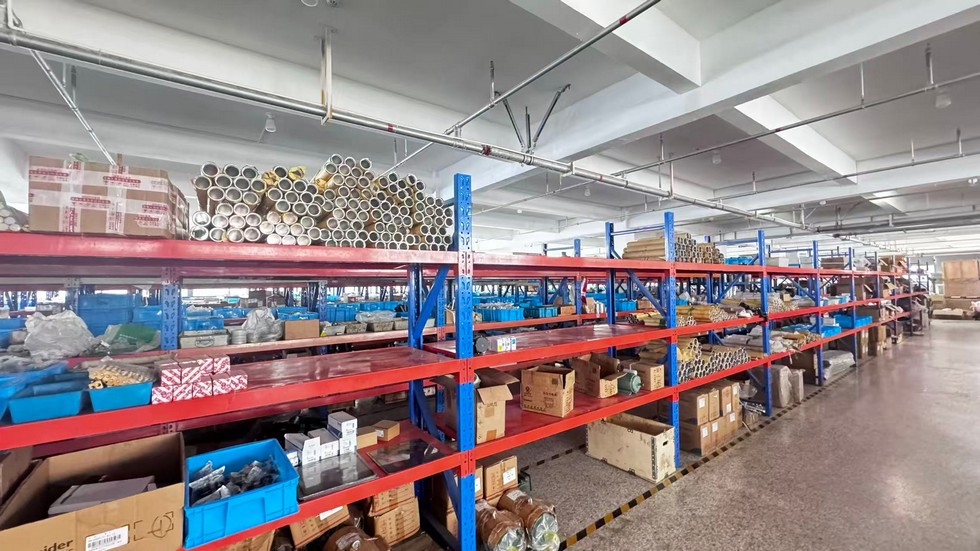
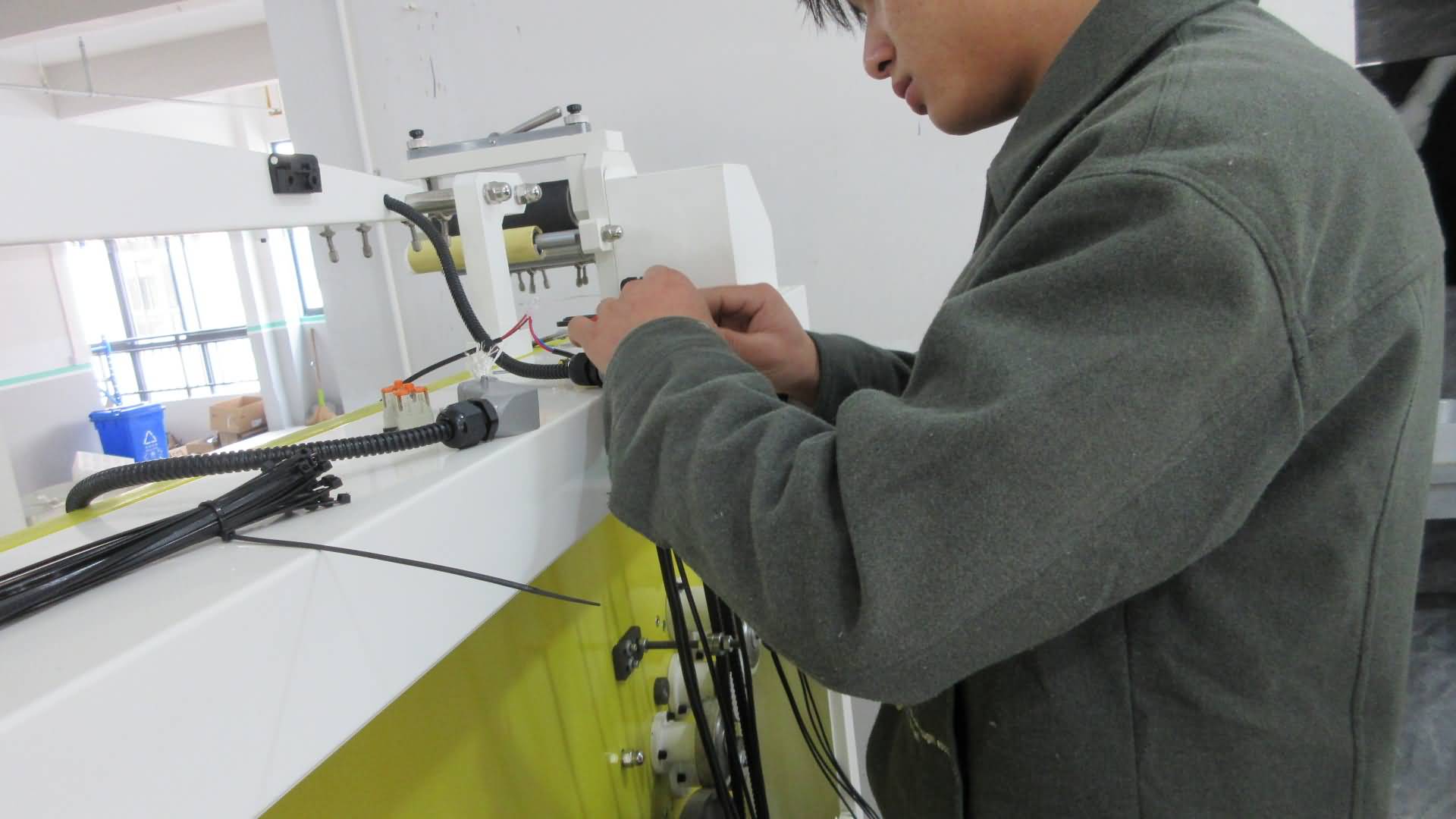
To ensure micro-precision and operational lifespan, Guangdong Moveco governs every facet of component production. Below is an in-depth view of our internal manufacturing processes:
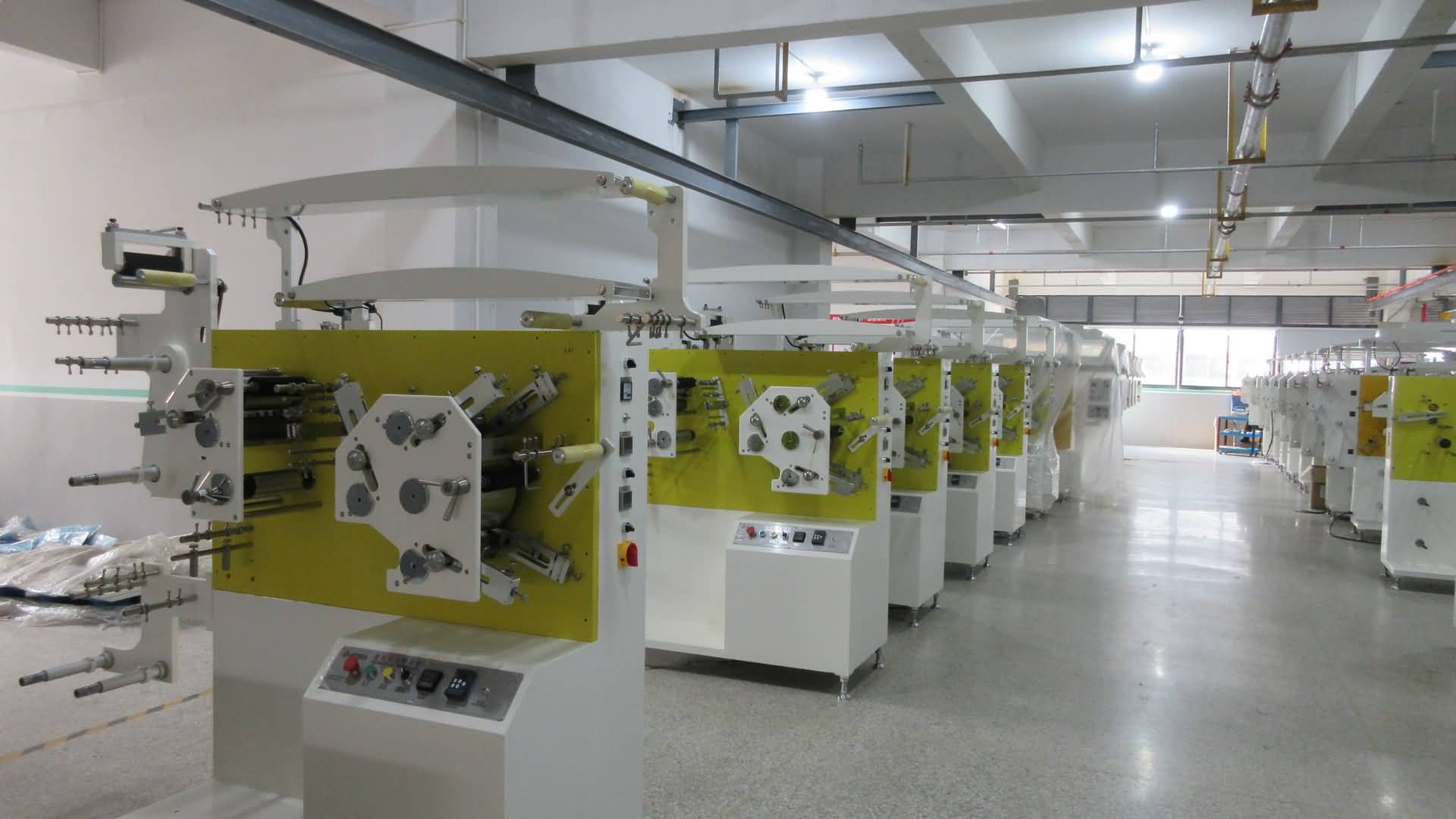
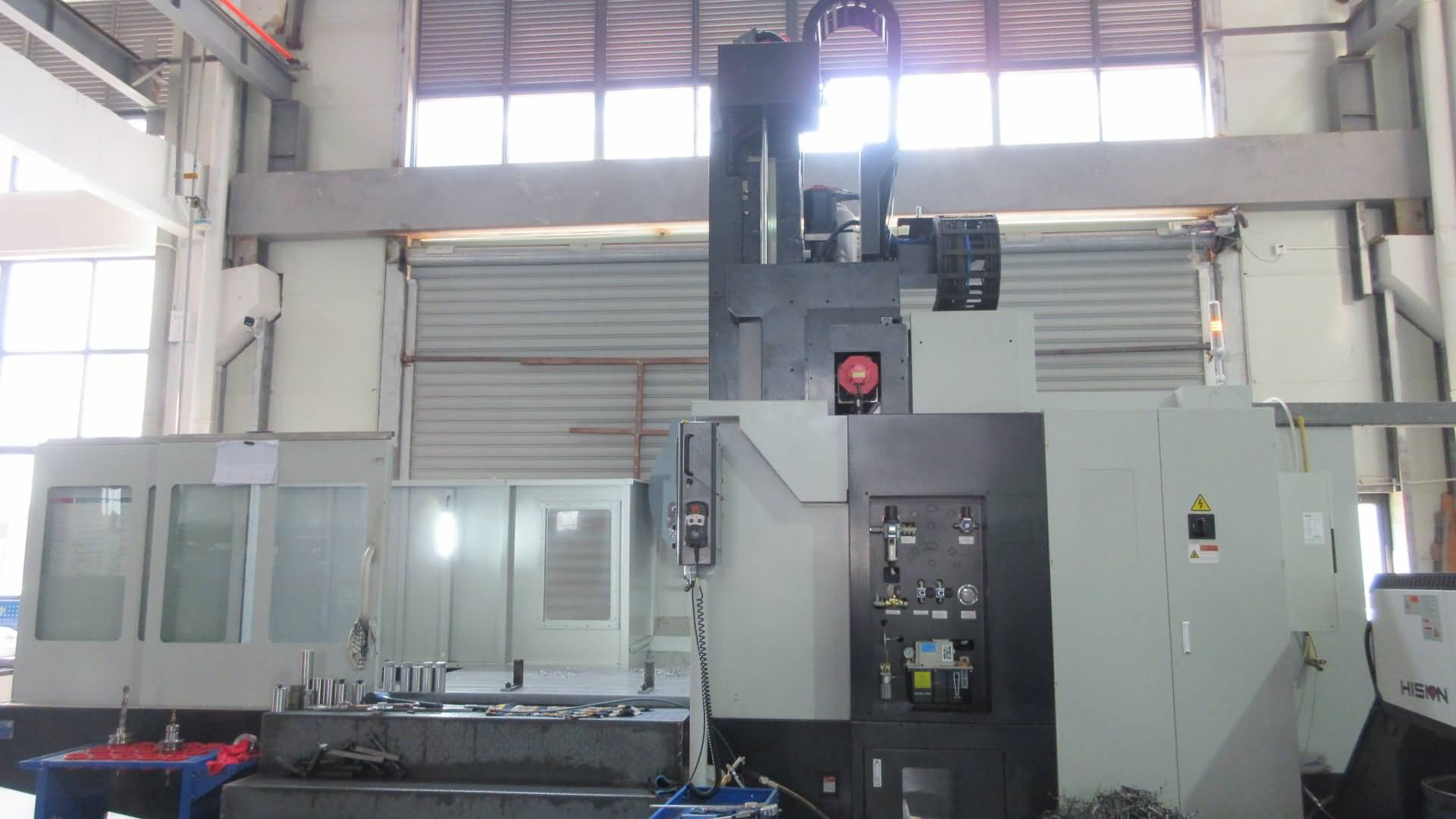
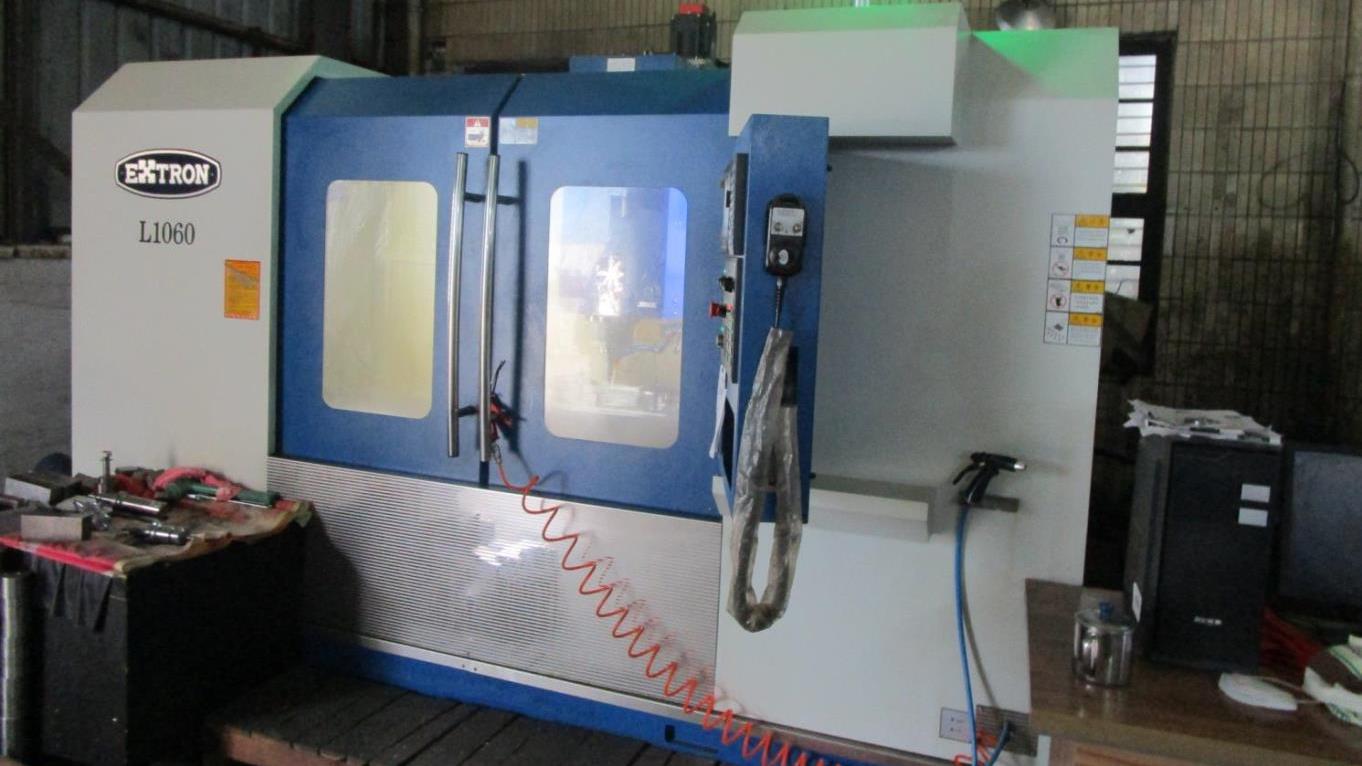
Over the past decade, Chinese manufacturers of label printing and converting equipment have moved up the value chain from basic manufacturing to high-end innovation. Suppliers in the Guangdong and Zhejiang regions have developed specialized production ecosystems that offer global buyers distinct strategic advantages:
Proximity to precision casting factories, advanced surface treatment facilities, and top-tier electronics suppliers enables rapid production cycles and component sourcing. From raw steel castings to finished multi-axis servo systems, the vertical integration of Chinese manufacturing clusters drastically shortens lead times for custom machine configurations.
By using localized precision tooling combined with high-grade components (such as Siemens PLCs, Mitsubishi/Yaskawa servo systems, and SMC pneumatics), Chinese manufacturers achieve a balanced price-to-performance ratio. Global converters can acquire advanced, servo-driven turret slitter-rewinders at a fraction of the cost of traditional European alternatives, accelerating their return on investment.
Unlike Western suppliers with standardized product catalogs, Chinese manufacturers like Guangdong Moveco excel at custom engineering. Whether adapting a machine frame to fit specific floor constraints, integrating third-party inkjet or UV curing modules, or designing custom dual-tension unwind pathways, engineering teams can quickly turn custom requirements into functional designs.
Common industrial concerns answered by senior conversion equipment engineers
Expand your capabilities with modular systems built for reliable and high-speed operation
 Moveco Machine