Engineered for continuous operation under fluctuating voltages, optimized for localized conversion demands.
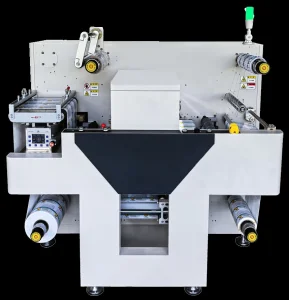
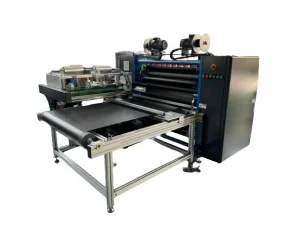
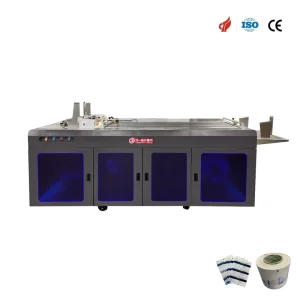
Pakistan is undergoing a rapid industrial modernization phase. Driven by key growth engines like the China-Pakistan Economic Corridor (CPEC), Special Economic Zones (SEZs) in Faisalabad, Karachi, and Lahore are expanding their manufacturing footprint. The FMCG, pharmaceutical, agrochemical, and textile sectors are leading this transformation, creating unprecedented demands for premium labeling solutions.
However, local print shops and packaging houses face major operational bottlenecks. Frequent voltage drops, dynamic substrate variations, rising material costs, and the lack of high-speed inline finishing technology force many converters to run inefficient processes. Standard off-the-shelf machinery fails to deliver consistent tension control under local environments, leading to higher waste percentages in raw substrates.
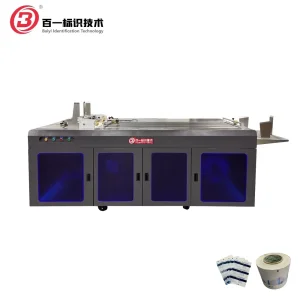
To address these challenges, print service providers are turning to multi-functional label finishing equipment that integrates die-cutting, slitting, matrix stripping, and inspection into a single pass. This minimizes manual touchpoints, ensures compliance with strict pharmaceutical serialization rules, and keeps waste rates below 1%.
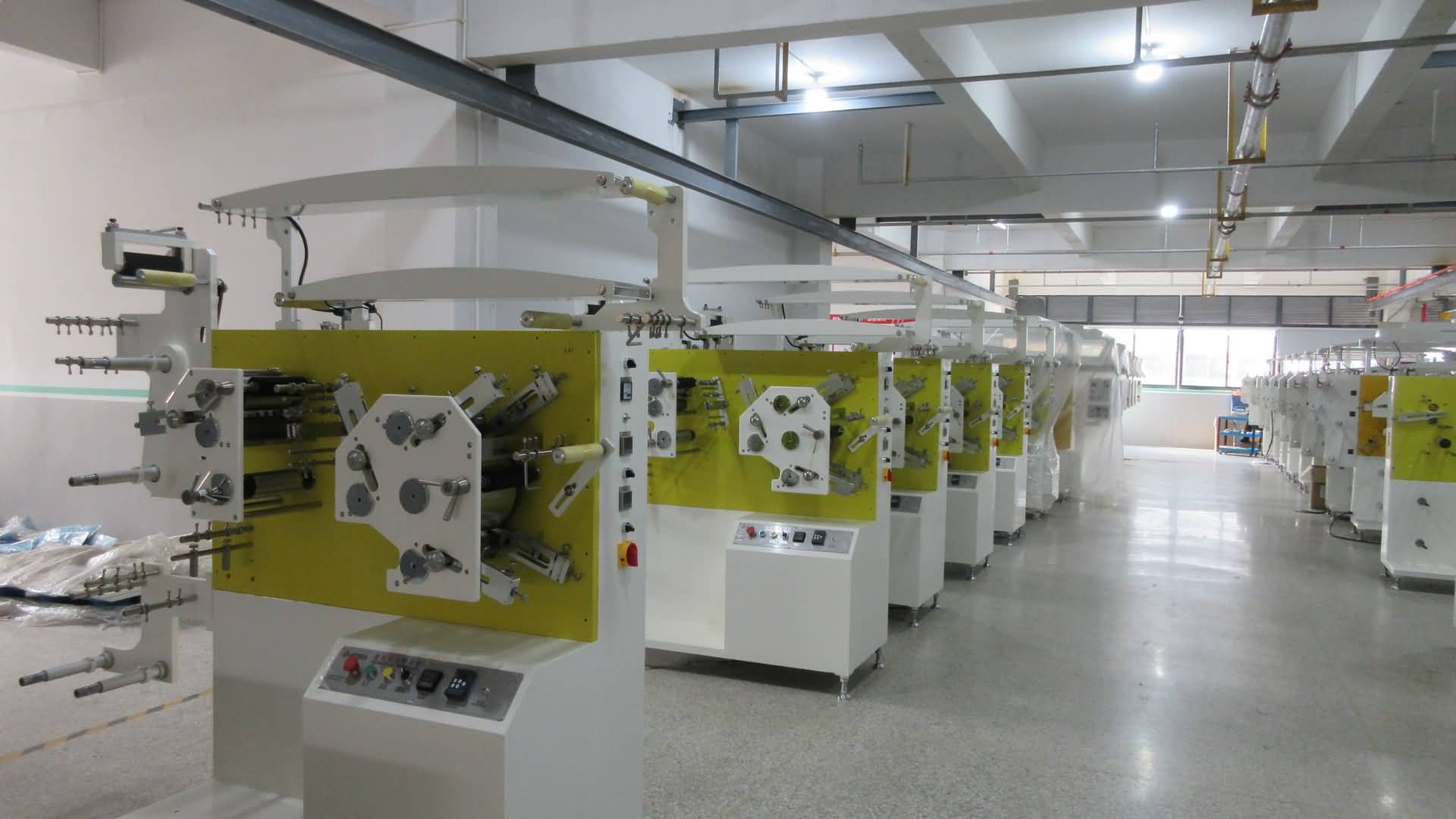
On a global scale, the label converting market is moving rapidly from analog setups to highly integrated modular finishing architectures. In mature European and North American markets, converters are optimizing total cost of ownership (TCO) by selecting machines that offer short web path designs, minimized set-up times, and remote IoT diagnostic support.
Sustainability is another key driver. Global brands now demand label substrates that are thinner and more complex to finish, such as PET liners and eco-friendly paper. Standard mechanical die cutters cause matrix breaks on these sensitive materials, which halts entire production runs. Multi-functional converters with automatic tension control systems use closed-loop load cells to maintain precise tension, preventing material waste.
"Global buyers look for equipment that combines high-precision lamination, rotary/semi-rotary die cutting, variable code inkjet printing, and dynamic slitting in a single layout. This reduces machine setup footprints by up to 50%."
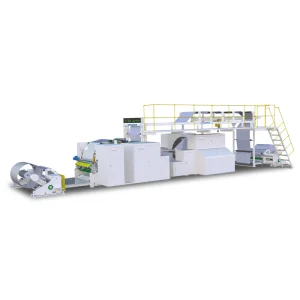
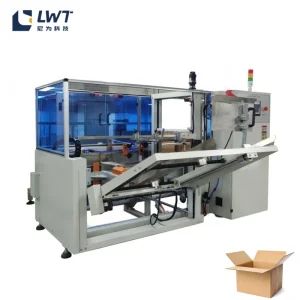
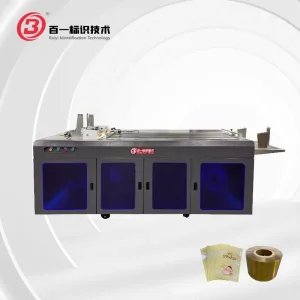
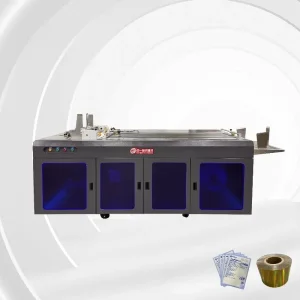
Additional systems engineered by Guangdong Moveco to provide downstream packaging and precision machining capabilities.
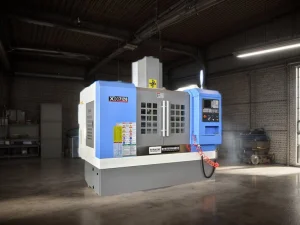
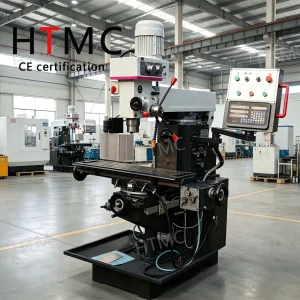
A professional manufacturer specializing in the research, development, production, and sales of advanced label printing, converting, and finishing equipment.
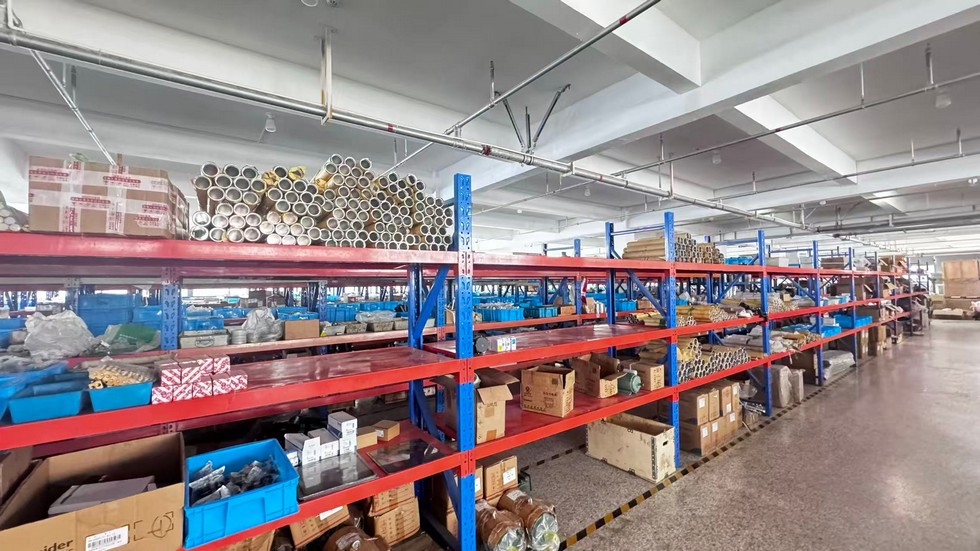
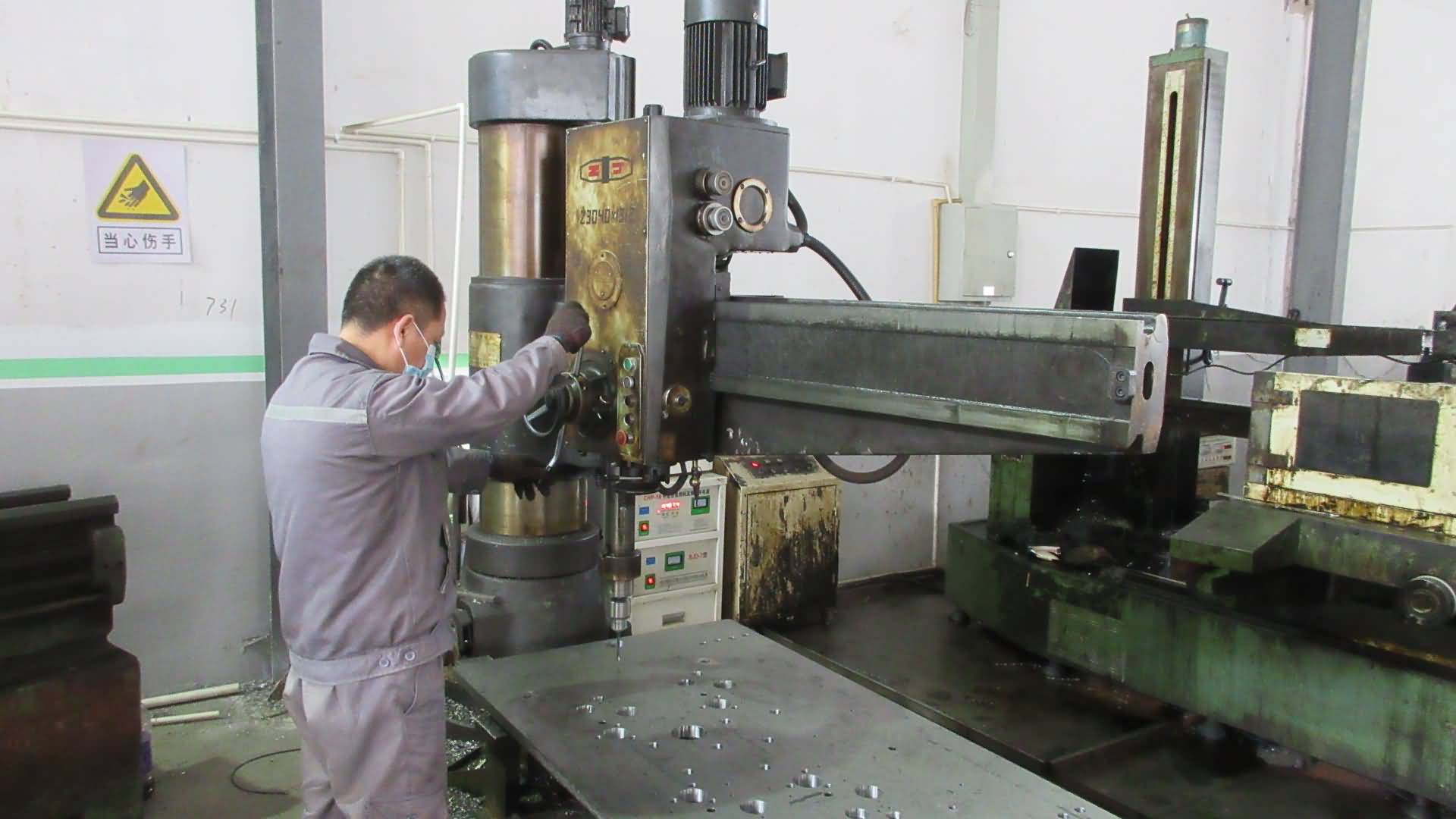
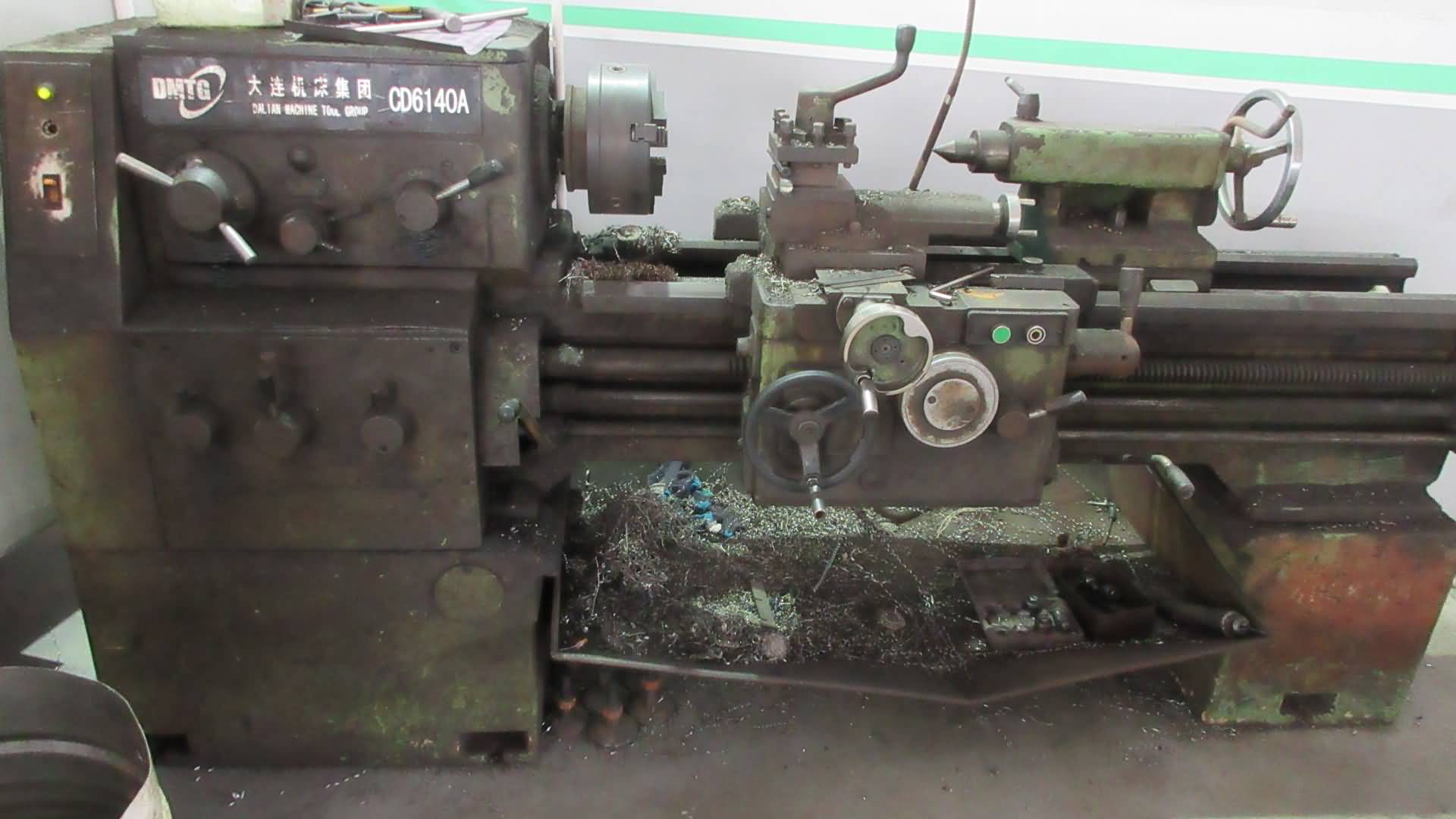
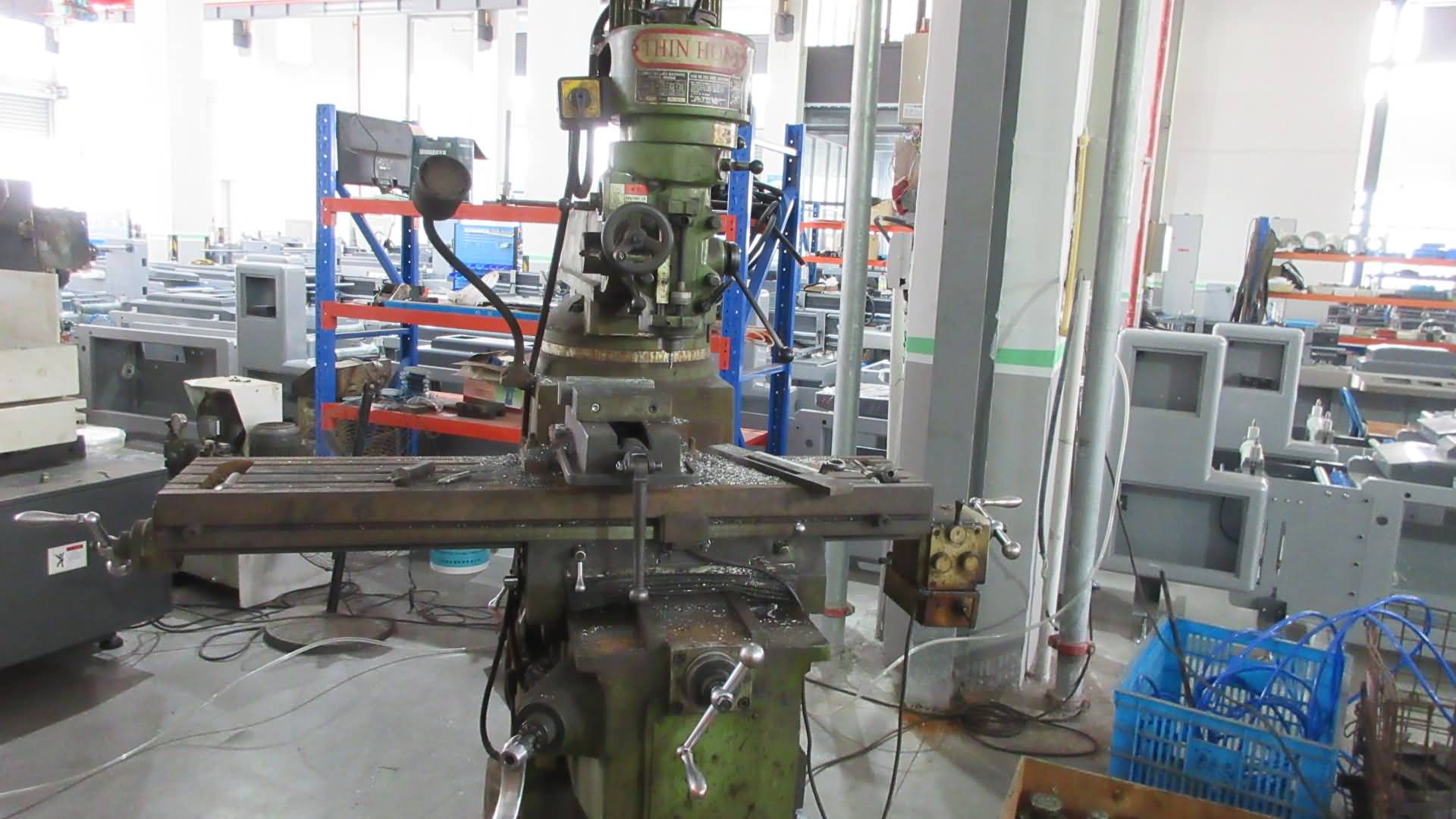
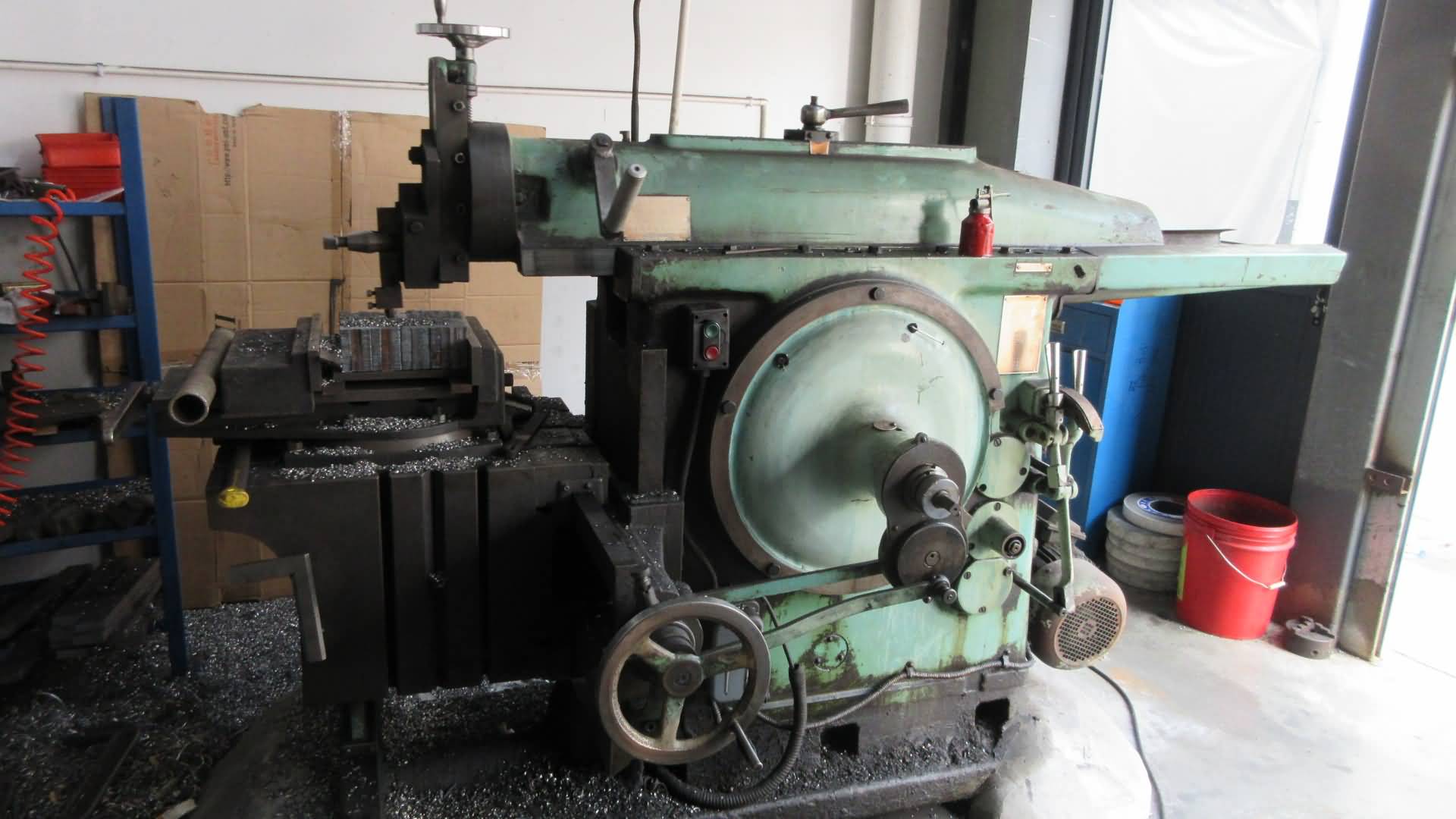
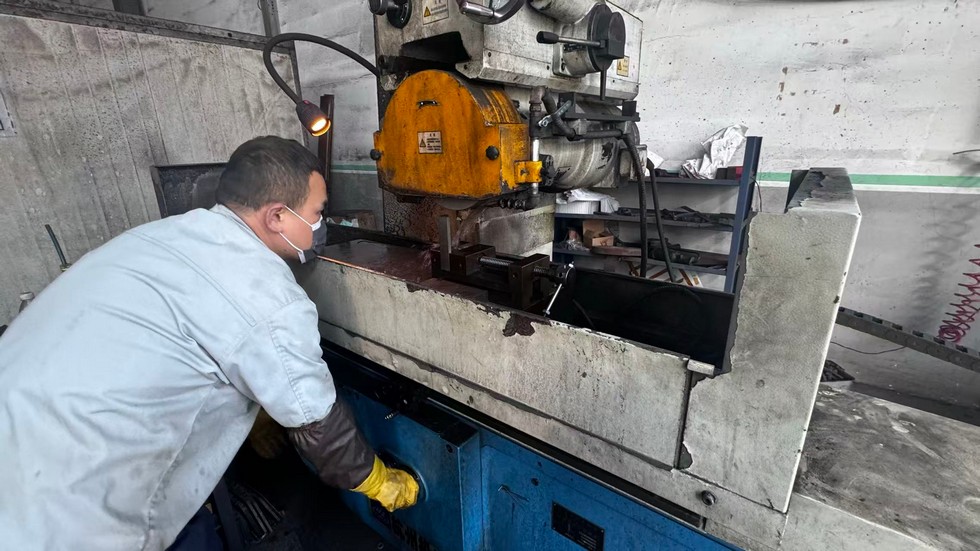
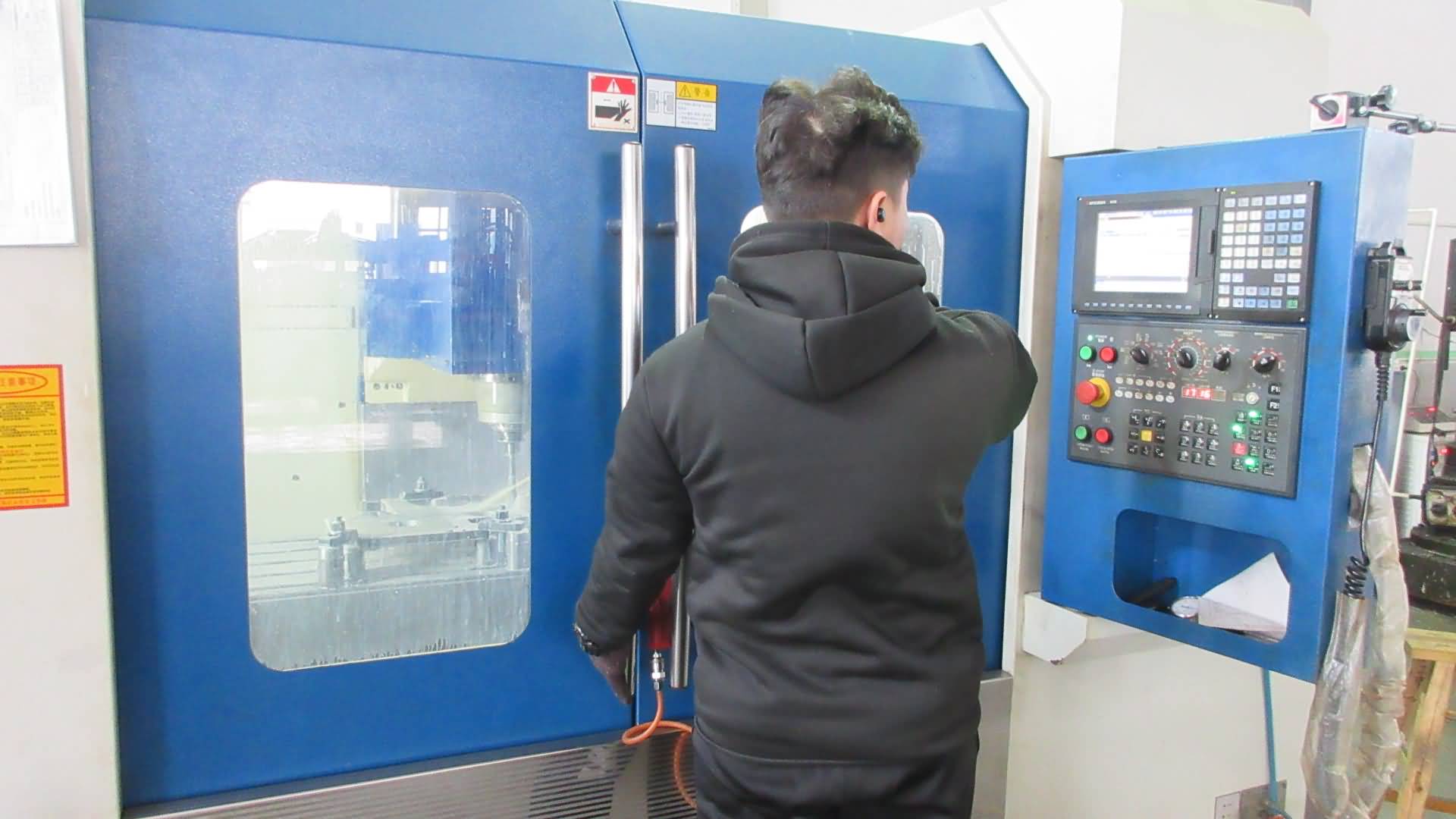
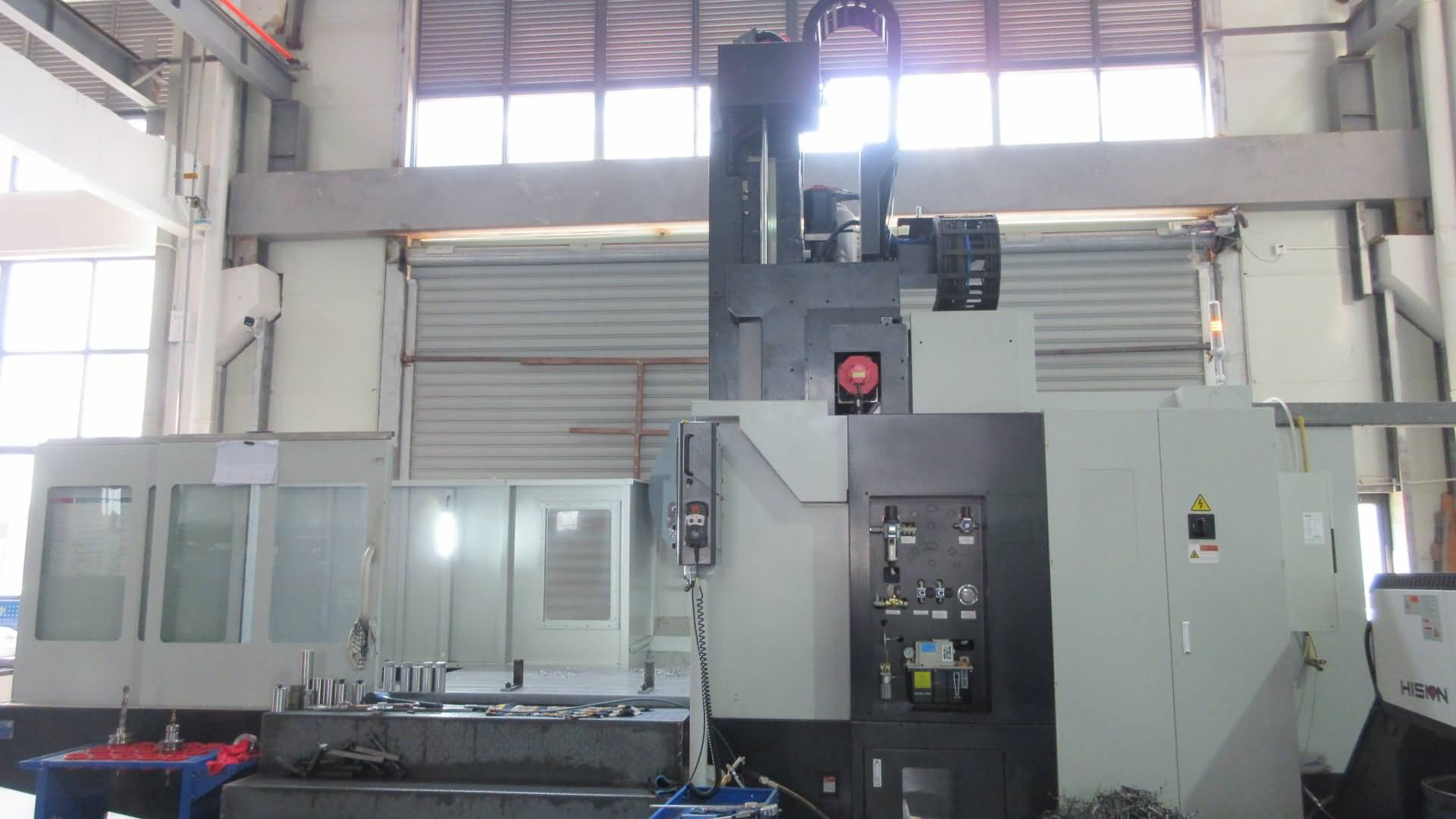
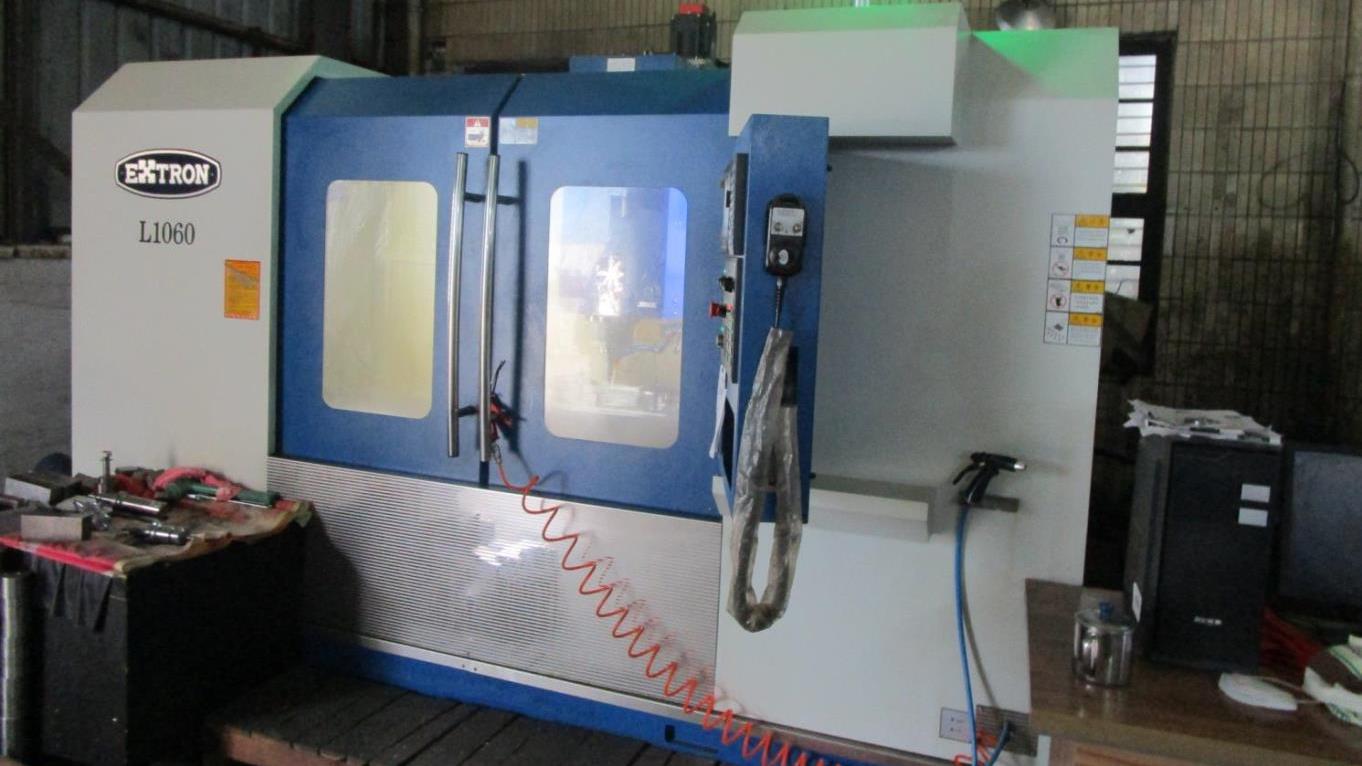
Backed by years of field experience, modern manufacturing sites, and a highly skilled engineering team, Guangdong Moveco Machine Co., Ltd. delivers innovative and reliable finishing machinery to global label printers. We operate in-house CNC machining equipment, including high-precision lathes, milling systems, and grinding machines. This direct control over production ensures each component meets international tolerances for long service life and reliable field operation.
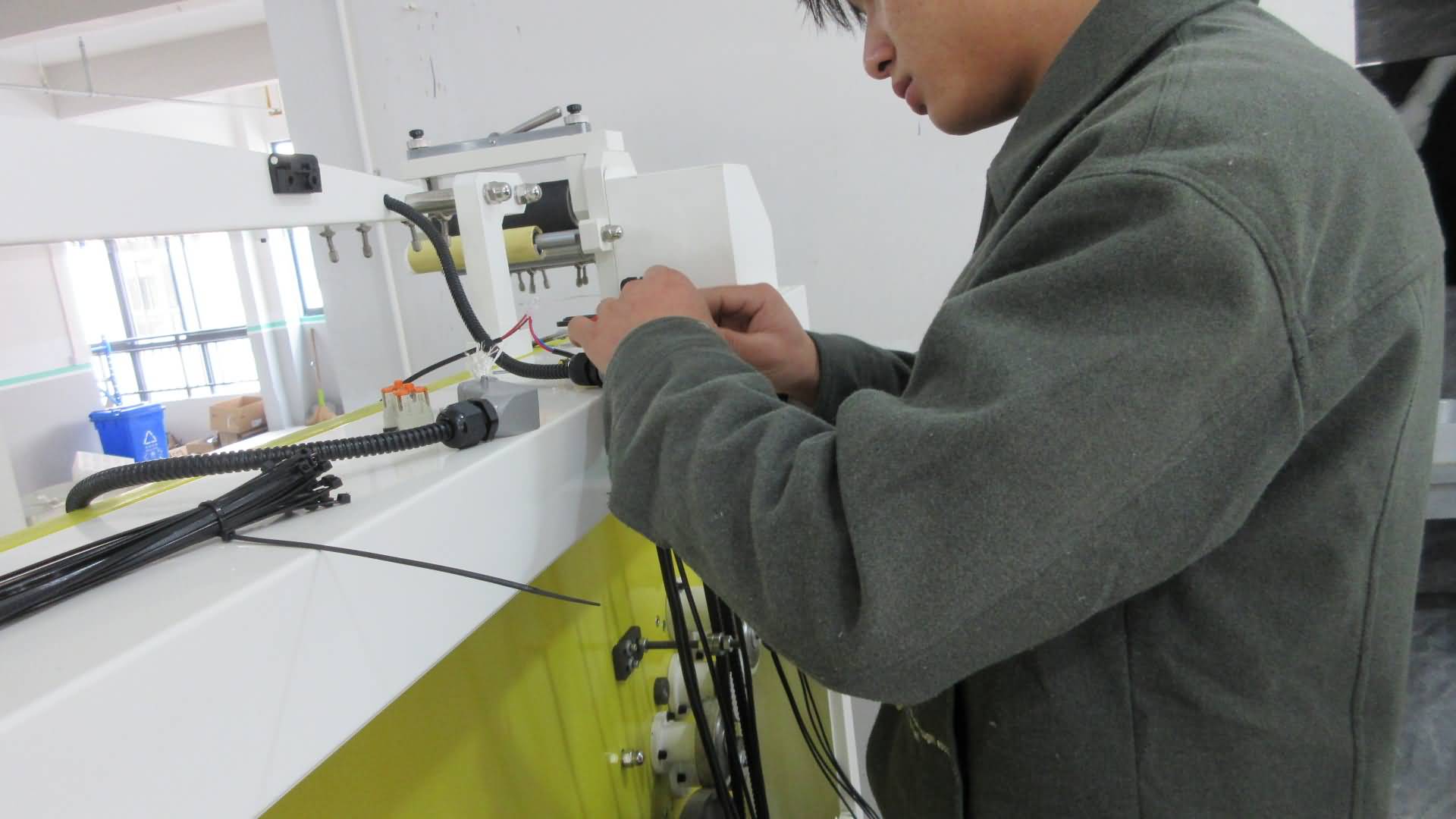
We integrate advanced automation and intelligent control technologies directly into our machinery lines. Equipped with user-friendly touch-screen interfaces, precision servo drive systems, and intelligent registration loops, our lines run steadily at speed. Operators can adjust web tension parameters on the fly, while automated inking, washing, and quick-change cylinders minimize set-up times between jobs.
The main frames of our machines are cast in-house and undergo thermal annealing to eliminate internal stresses. This structural design ensures stability and long-term accuracy, even during heavy die-cutting cycles. Key transmission elements are driven by international servo brands that generate low heat and run with minimal wear. Additionally, hard chrome-plated cylinder surfaces resist scratching to ensure consistent printing pressure.
How our finishing machinery lines address daily production challenges for local converters.
Pharmaceutical manufacturers in Pakistan must comply with strict drug track-and-trace guidelines. Our finishing units integrate variable inkjet modules (such as TTO and UV systems) to print clean, high-resolution QR codes, serial numbers, and expiry data on self-adhesive backing stock. Inspection systems automatically detect and flag printing errors to guarantee 100% compliance.
As a global hub for textiles, Faisalabad manufactures millions of apparel products daily. These require high-quality tag stocks and labels with precise thickness. Our machines process heavy tag materials, providing clean die-cutting, custom shape-punching, and high-speed slitting. This keeps textile exporters supplied with durable tags that meet international retail standards.
Agricultural chemicals require durable, chemical-resistant labeling on specialized film substrates. Our slitter-rewinding and die-cutting systems run synthetic films (like PP, PE, and PVC) without heat distortion. Excellent web control prevents stretch during rewinding, ensuring clean, peel-resistant labels for crop protection products.
Complementary rewinding and end-of-line packaging systems designed for high-volume conversion setups.
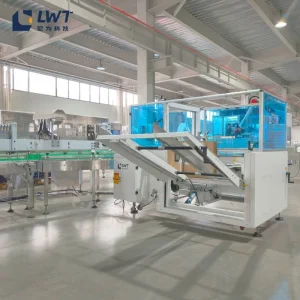
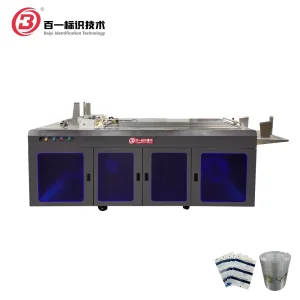
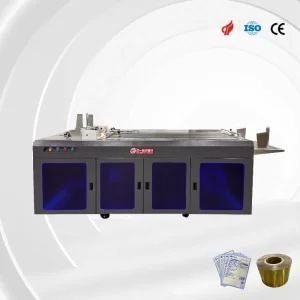
For purchasing departments sourcing capital machinery, the upfront purchase price is only one part of the financial equation. Over a standard 10-year lifespan, maintenance costs, spare parts availability, energy usage, and setup waste impact bottom-line profitability.
Our design process reduces these secondary operating costs. By using standardized parts (such as Siemens PLC systems and Schneider electrical components), local maintenance teams in Karachi or Lahore can source parts locally if needed. This prevents long shipping delays for basic replacement items.
Additionally, our modular cantilever design makes tool changeovers simple. This allows operators to switch between slitting, lamination, and die-cutting tools in under 15 minutes, boosting overall equipment effectiveness (OEE).
Detailed answers to key questions about delivery, installation, and machine operation in Pakistan.
 Moveco Machine